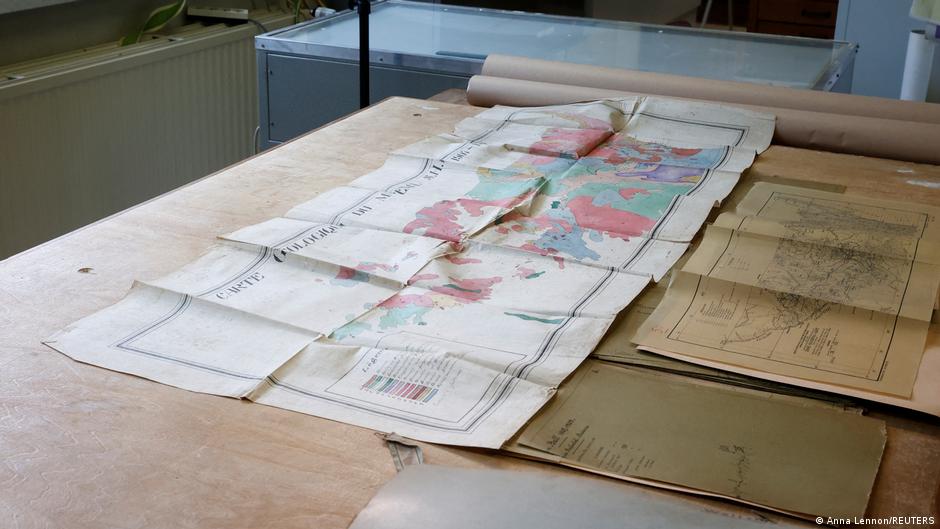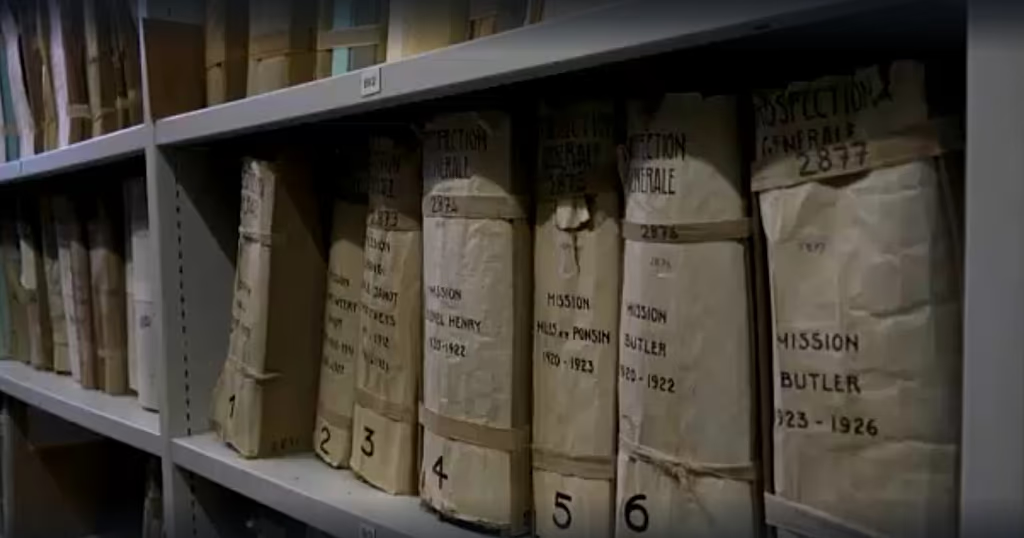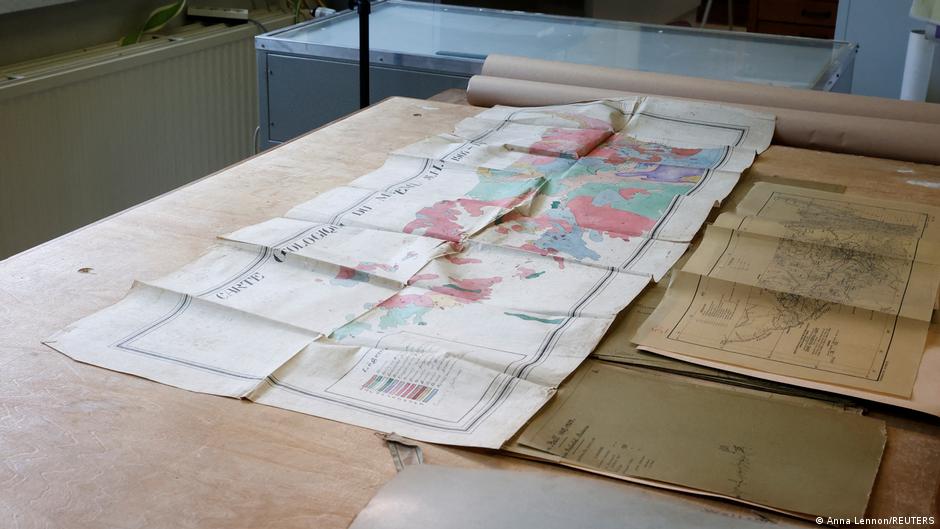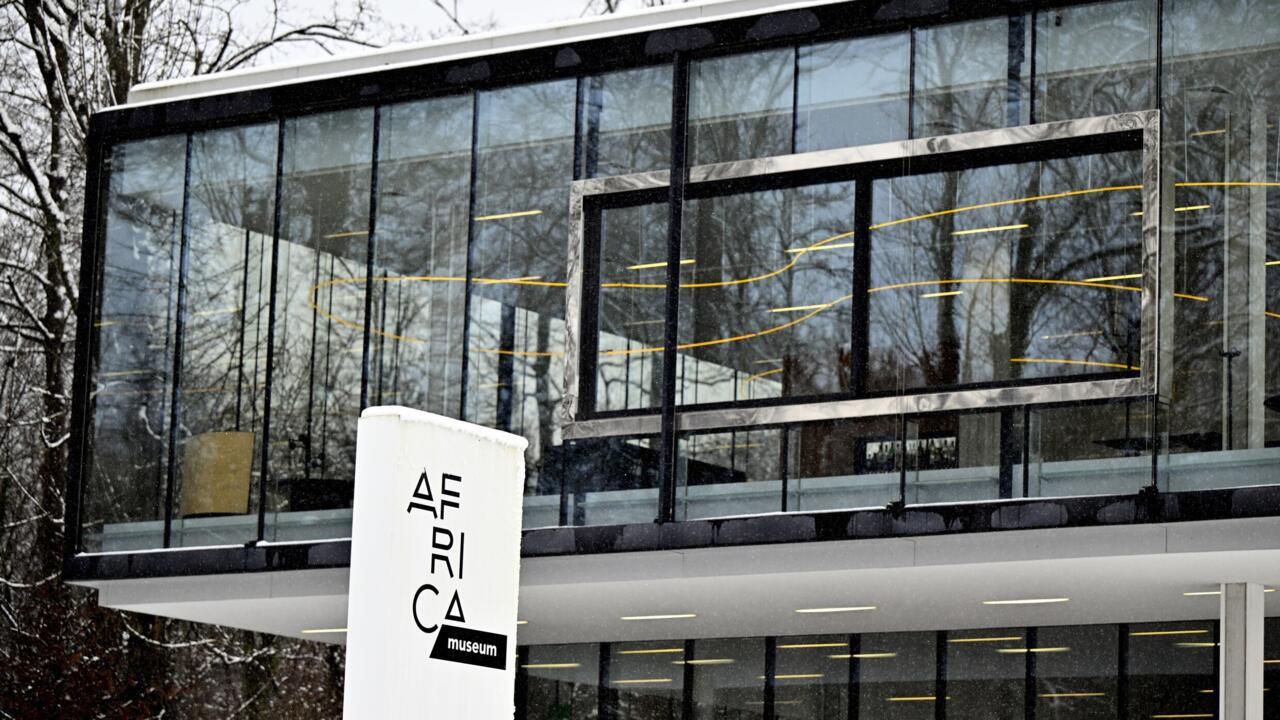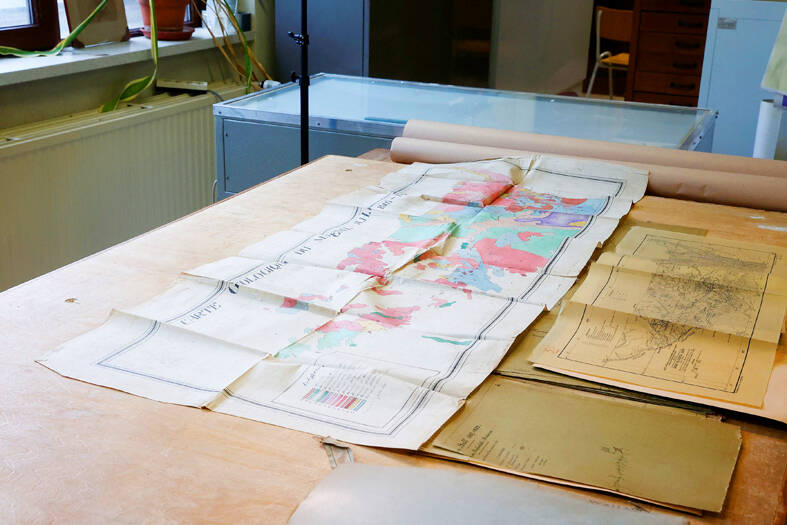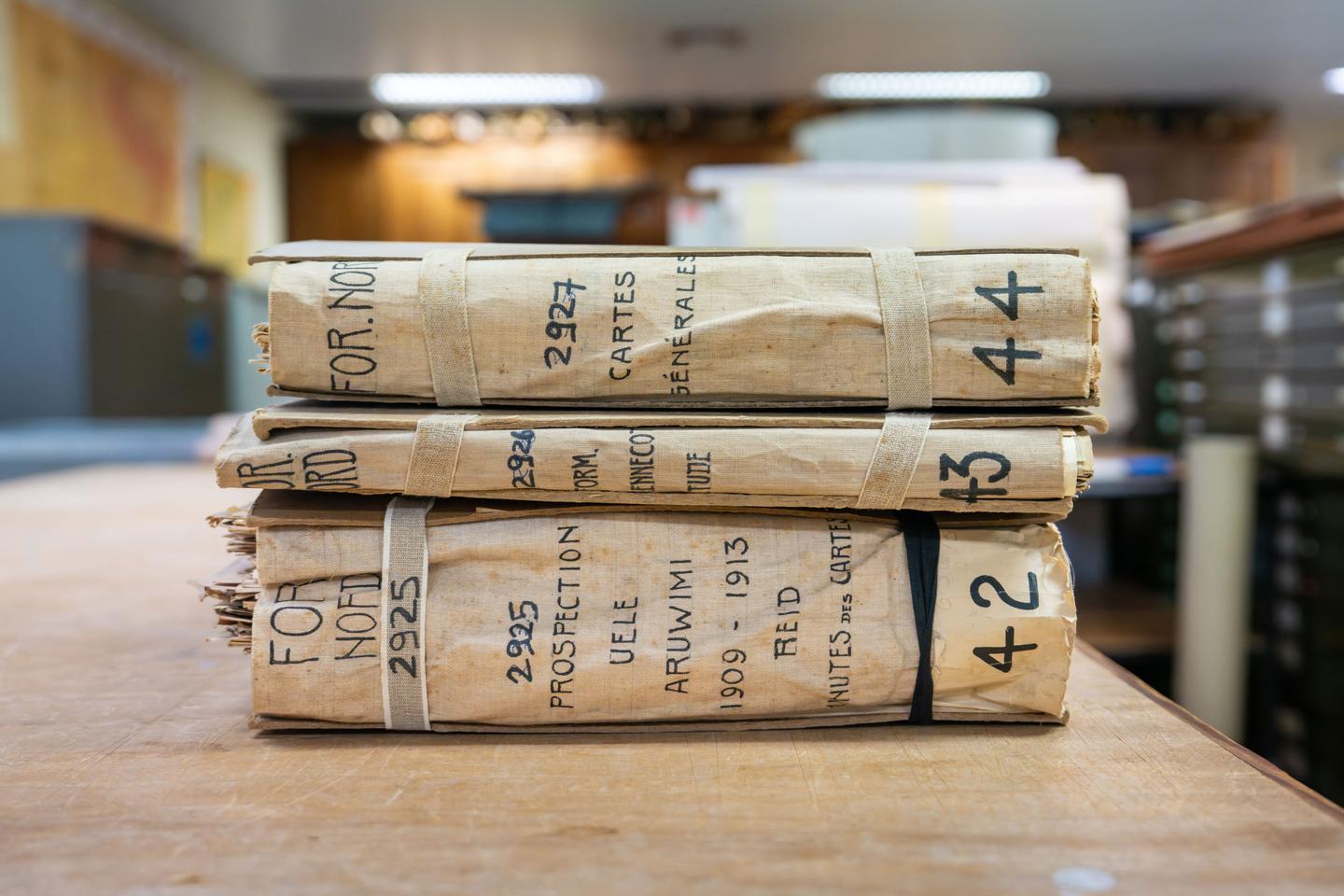
Documents from the geological archives of the AfricaMuseum in Tervuren, near Brussels, on February 12, 2026. MARIUS BURGELMAN/BELGA/AFP
In the age of digital technology and triumphant artificial intelligence, stacks of old maps, yellowed geological surveys and piles of rocks can turn out to be a literal gold mine. The records, which come from what is now the Democratic Republic of the Congo (DRC), are lined up over half a kilometer in the underground archives of the AfricaMuseum in Tervuren, near Brussels, a huge complex built at the end of the 19th century to ostentatiously showcase Belgian colonial power. For at least six decades, that paperwork sat there largely untouched by any researcher or mining prospector. Then suddenly, at the start of 2026, it sparked a certain hysteria.
In short, the AfricaMuseum and its overseeing authority, the Belgian federal government, have refused to grant KoBold Metals, an American mining company recently established in the DRC and backed indirectly by figures such as Bill Gates and Jeff Bezos, access to the archives.
"Belgium cannot grant privileged or exclusive access to a foreign private company with which it has no contractual relationship," said Vanessa Matz, Belgium's minister for digital affairs and scientific policy, in February. Benjamin Katabuka, KoBold's director in the DRC, called that statement "completely false" and said the request is neither "privileged" nor "exclusive," but intended to serve the Congolese government.