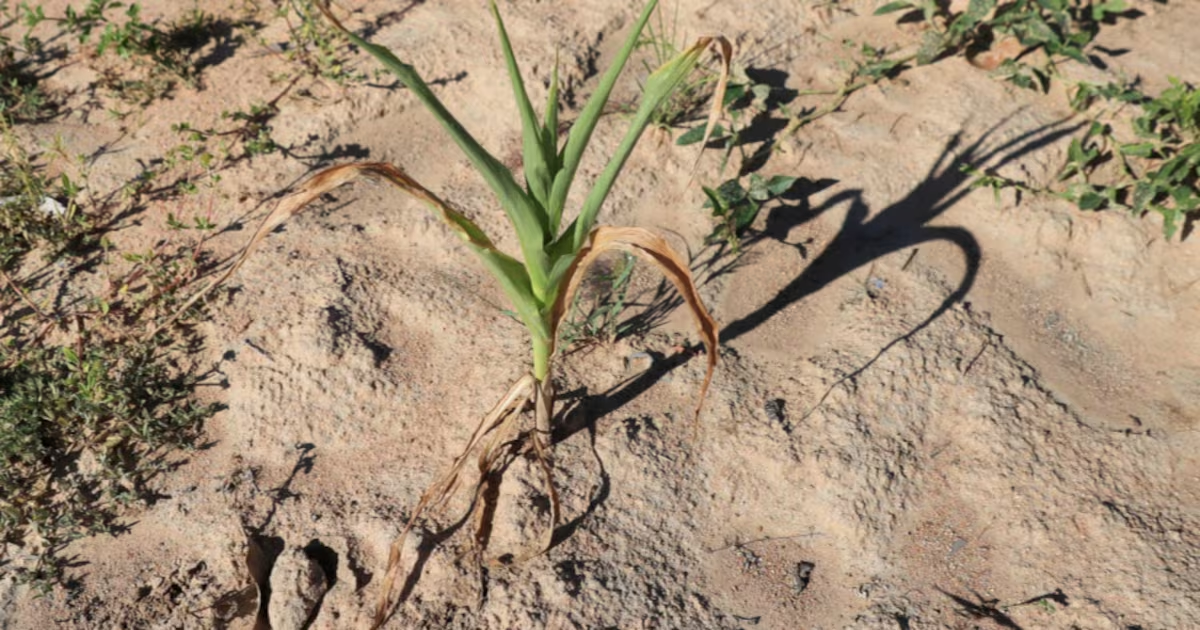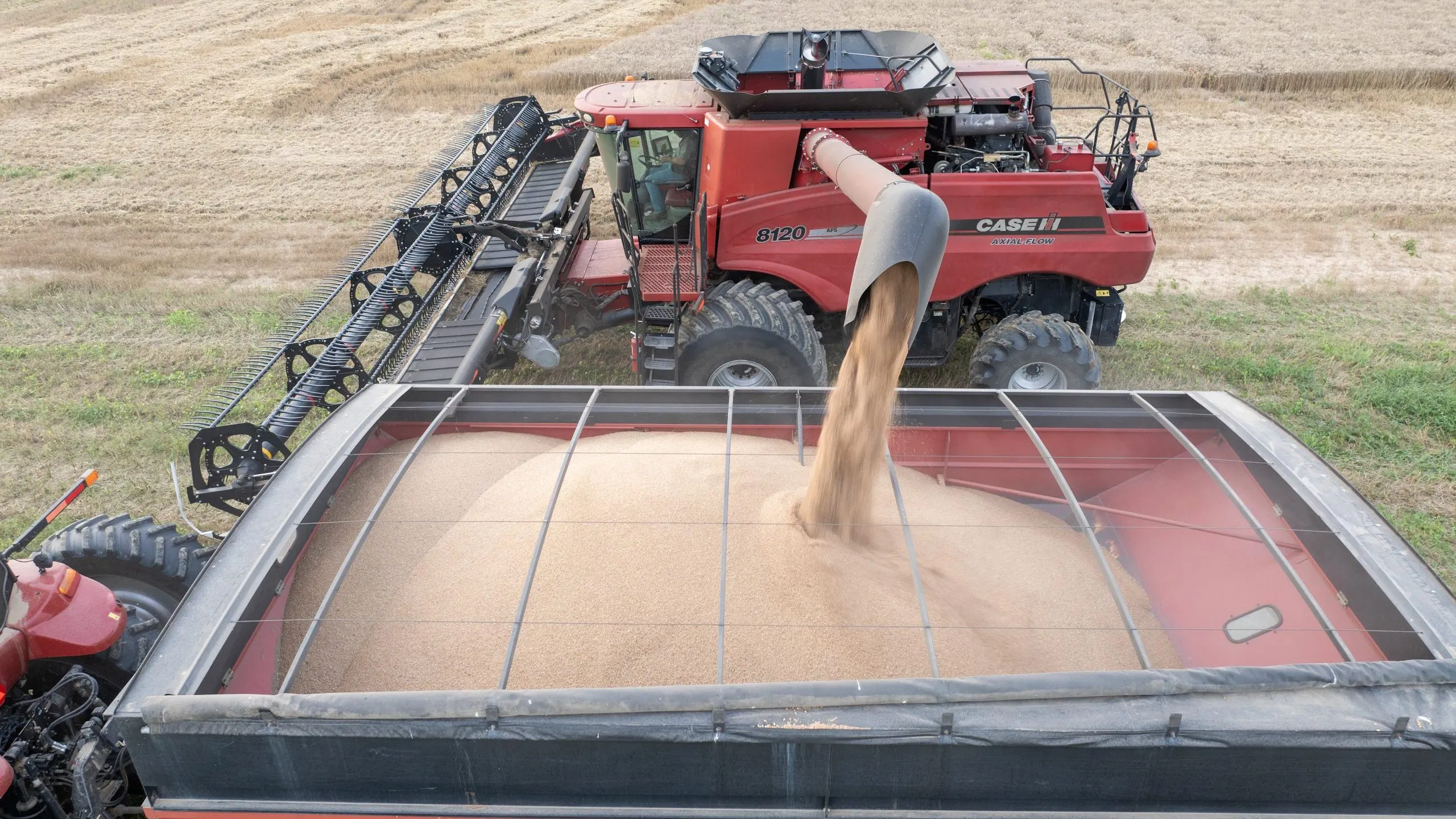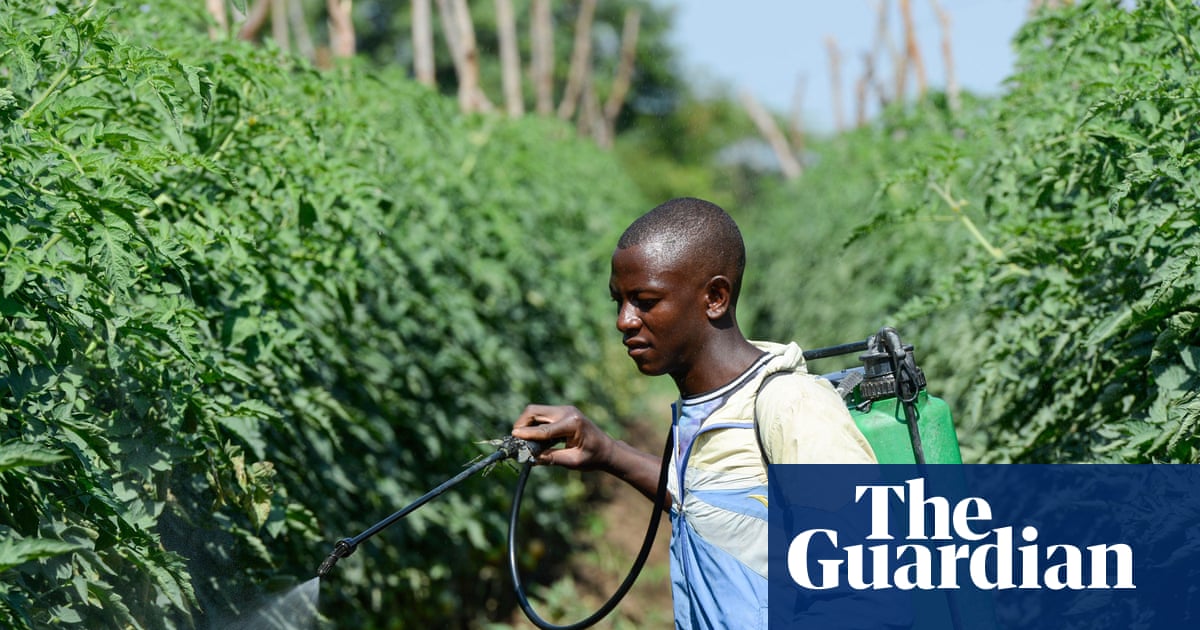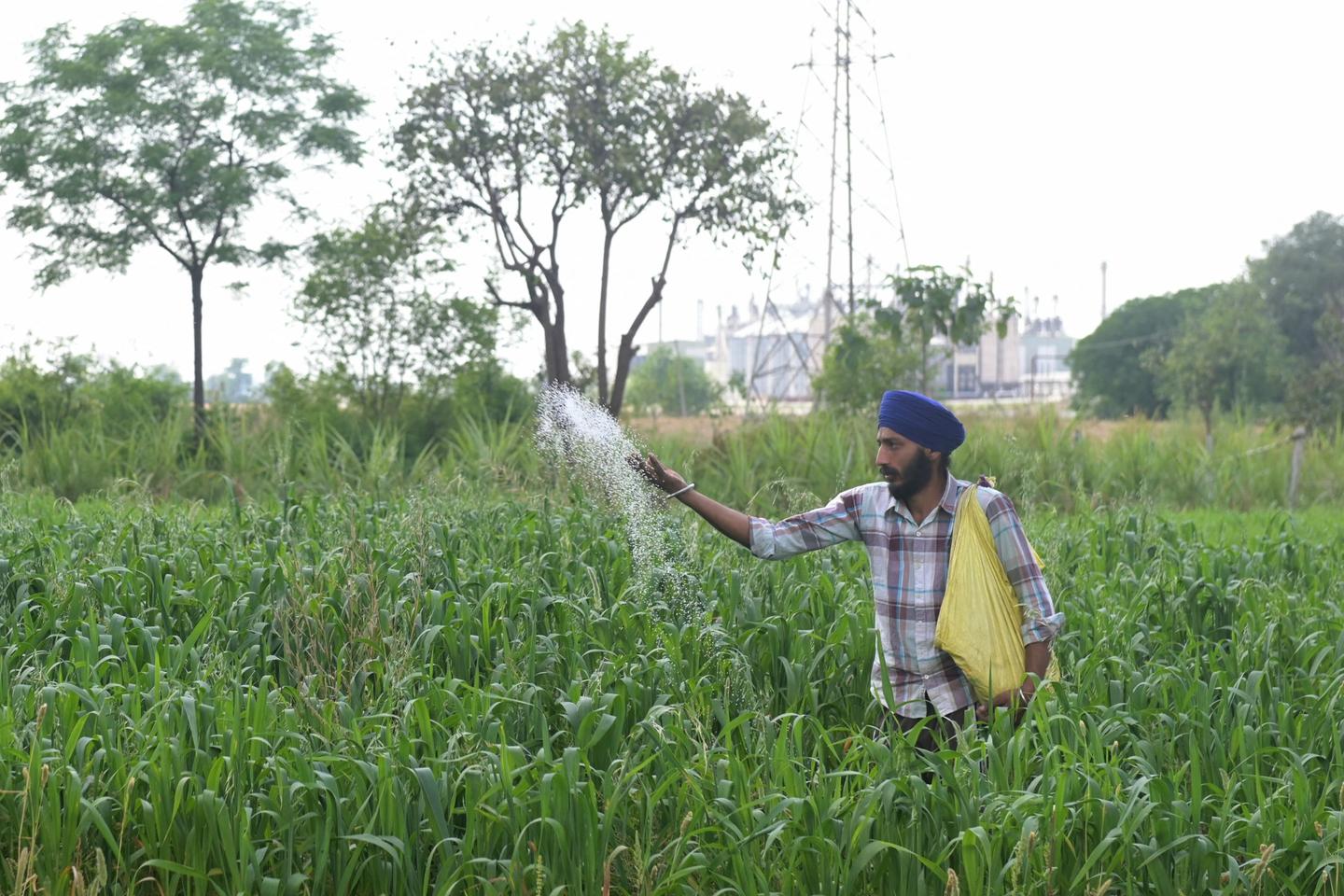
Zambia may seem food-secure now, with recent adequate rains and bumper harvests, but experts say it could be short-lived as global geopolitical tensions drive up fertilizer and fuel costs.Experts say the urban populations are the most likely to bear the brunt of the Gulf tensions, as they heavily depend on imported foodstuffs such as wheat.There are calls for the country to build long-term resilience through investment in irrigation, climate-smart agriculture, locally produced fertilizer, and diversified food systems.Zambia and the rest of Southern Africa is staring at another round of El Niño, which might disrupt rainfall patterns and affect food production.
LUSAKA, Zambia — The escalating conflict involving the US, Israel and Iran, has prompted warnings that disruptions to the supply of fuel and fertilizer shipped through the Strait of Hormuz could cause food insecurity in some African countries. While experts say it will take time for the effects of the conflict to be felt in Zambia, they also point to vulnerabilities in the country’s food system and suggest greater resilience to possible stresses.
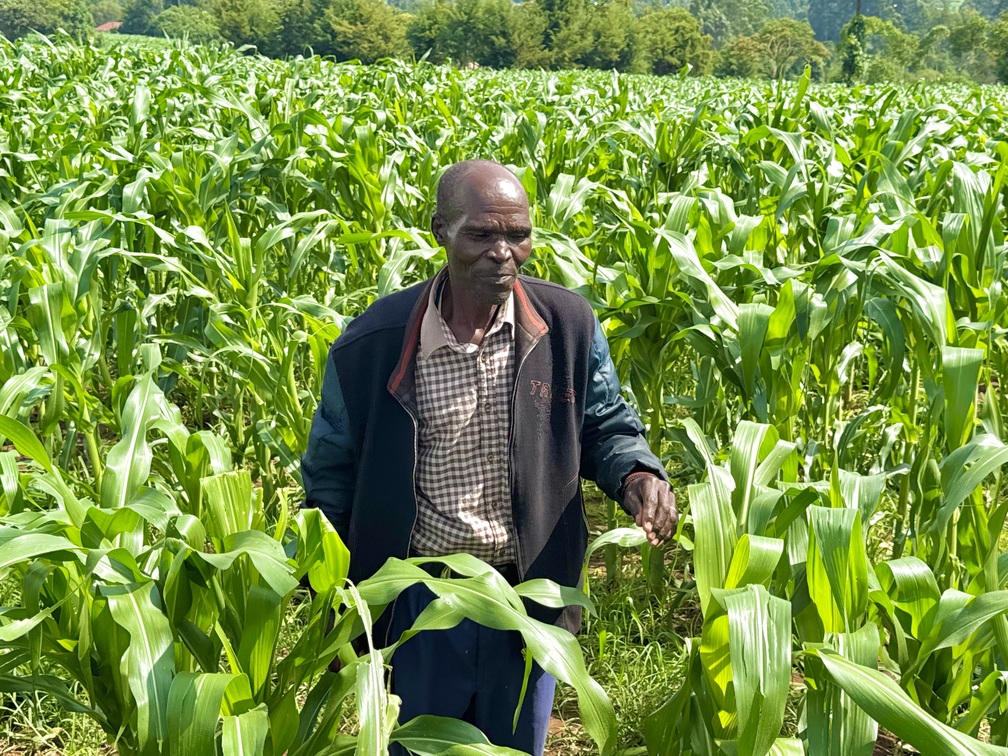
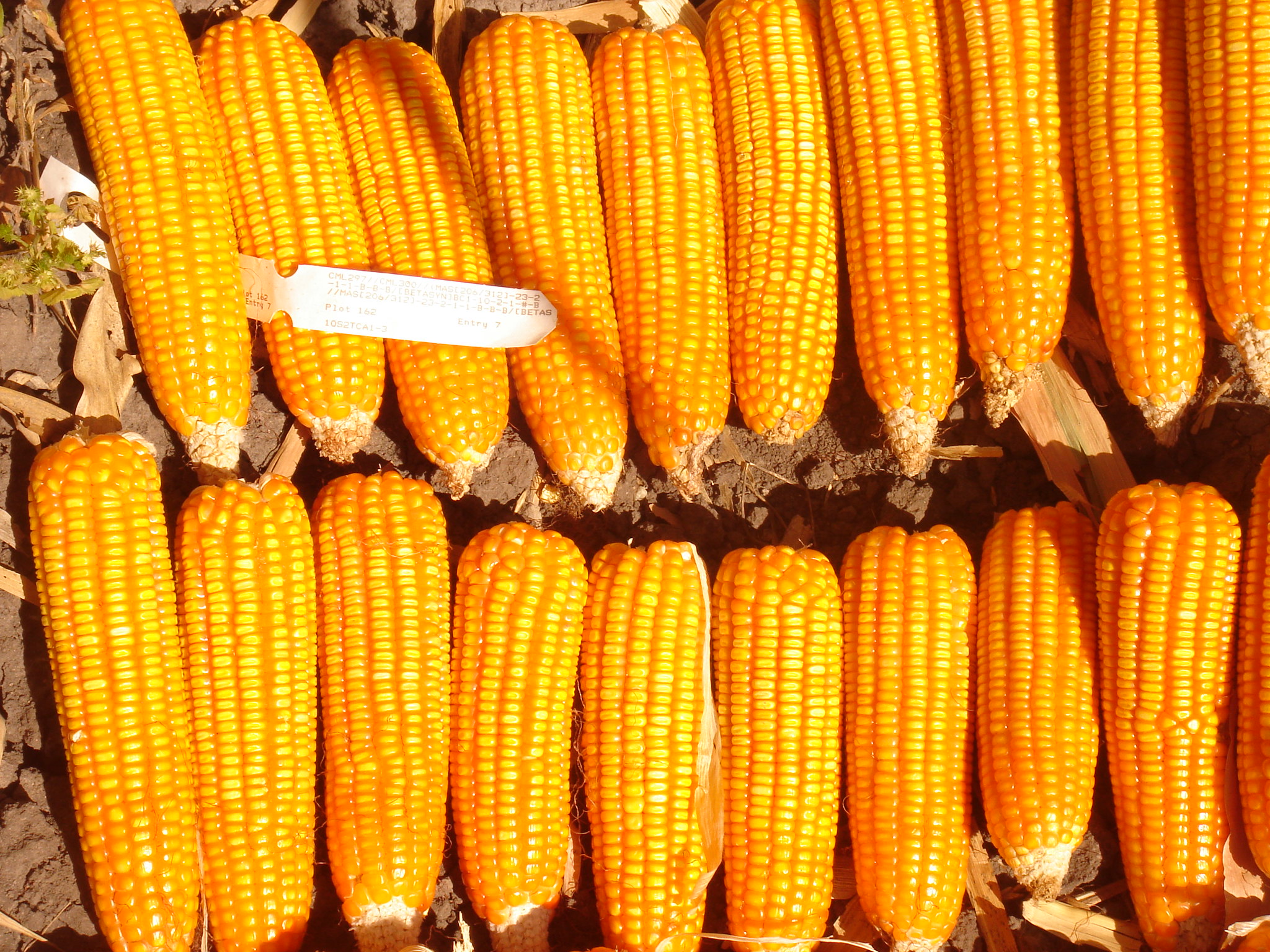
Zambia’s food security is generally understood to rest on a single crop: maize. Zambia Statistics Agency reports that the price of a 25-kilogram bag of breakfast mealie meal declined slightly from April to May. In fact, the price of mealie meal is 15% lower than it was this time last year.