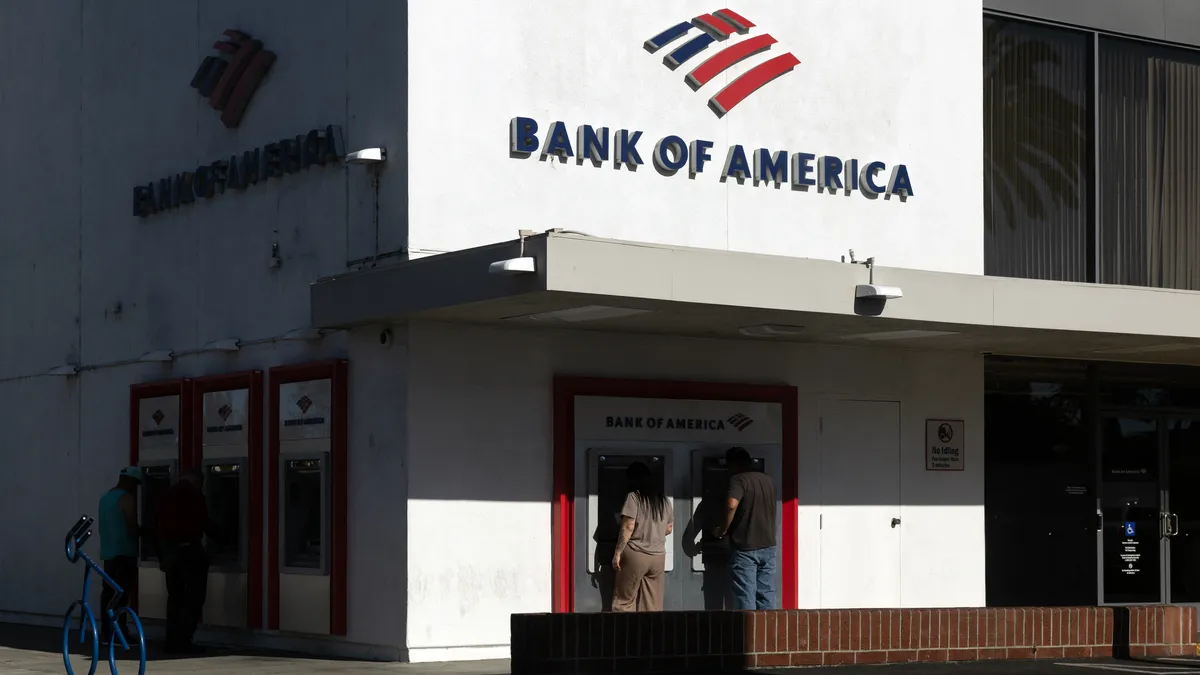
Banks are back to charging roughly $35 every time you accidentally buy a coffee with an empty checking account. And they’re making a killing doing it.
After Congress voted to repeal the Consumer Financial Protection Bureau’s overdraft fee cap and President Trump signed the resolution into law on May 9, 2025, overdraft and nonsufficient funds fee revenue has climbed back above $12 billion annually as of June 2026. That’s a sharp reversal from the estimated $5 billion in annual consumer savings the rule was designed to deliver, roughly $225 per year for each affected household.
How we got here
The CFPB finalized a rule on December 12, 2024, that would have capped overdraft fees at $5 for banks and credit unions holding more than $10 billion in assets. It was set to take effect on October 1, 2025. For context, the typical overdraft fee before the rule hovered around $35 per transaction. The gap between $5 and $35 is where billions of dollars in bank revenue lives.
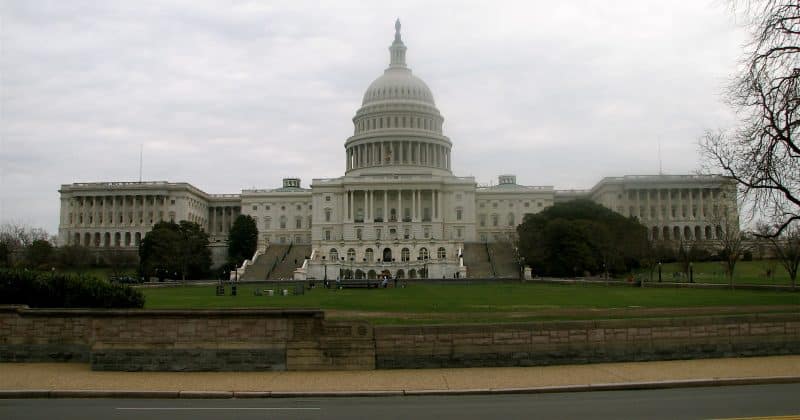
Congress had other plans. Using the Congressional Review Act, the Senate voted 52-48 on March 27, 2025, to scrap the rule. The House followed on April 9, 2025, with a razor-thin 217-211 vote. Trump signed it into law as P.L. 119-10 the following month.