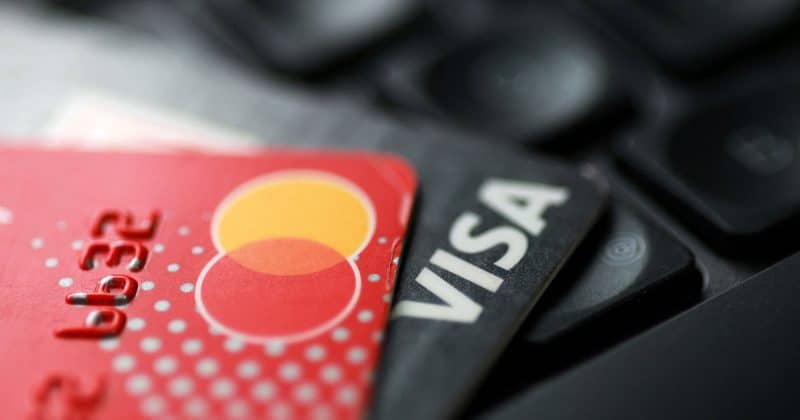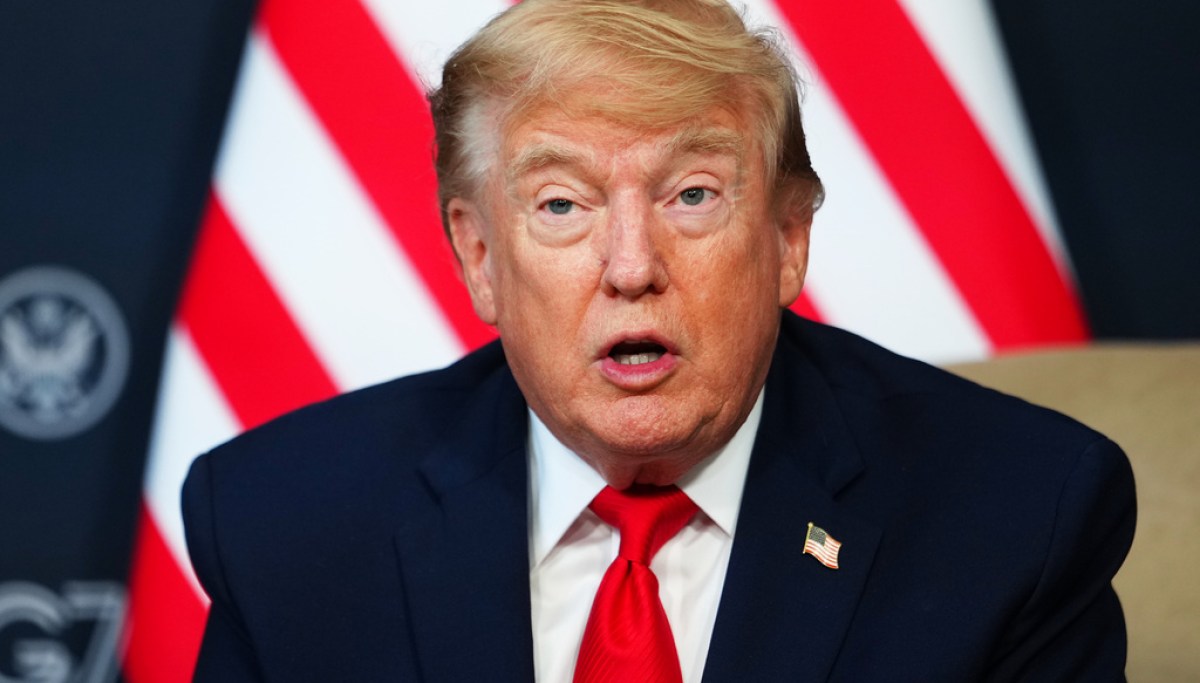
The “Swipe Fee ripoff,” as President Donald Trump succinctly described, is a scourge on American small businesses and consumers. Charging vendors roughly 2.5% of every credit card transaction, these swipe fees accumulate at such a rapid pace that they’ve become one of the largest expenses for businesses, compelling many store owners to pass the costs down to their customers via increased prices. That is a real part of the affordability problem for the public right now.Illinois took the lead at the state level to address this dilemma by passing the Interchange Fee Prohibition Act in 2024. This law is the first of its kind in the nation to ban financial institutions from charging swipe fees on the tax and tip portion of card transactions – money that Main Street stores don’t even get to keep. Scheduled to take effect on July 1, the IFPA could pave the way for other states adopting legislation that will save local businesses thousands of dollars in swipe fees.The Office of the Comptroller of the Currency, however, seeks to rebuke Trump’s position and obstruct that path.
Previously, the OCC, in tandem with various bank trade associations, filed arguments claiming the IFPA unlawfully preempted federal banking regulations. A federal district court rejected their arguments, and the trade associations have since appealed the ruling to the Seventh Circuit Court of Appeals. Now, the OCC has quietly published two filings set to take effect on June 30, preempting state legislation and preventing states from eliminating swipe fees on state taxes. Although the OCC has not publicly commented on these proposals, the organization’s objective is clear: to circumvent the lawsuit they are already losing and halt any efforts to curtail swipe fees.