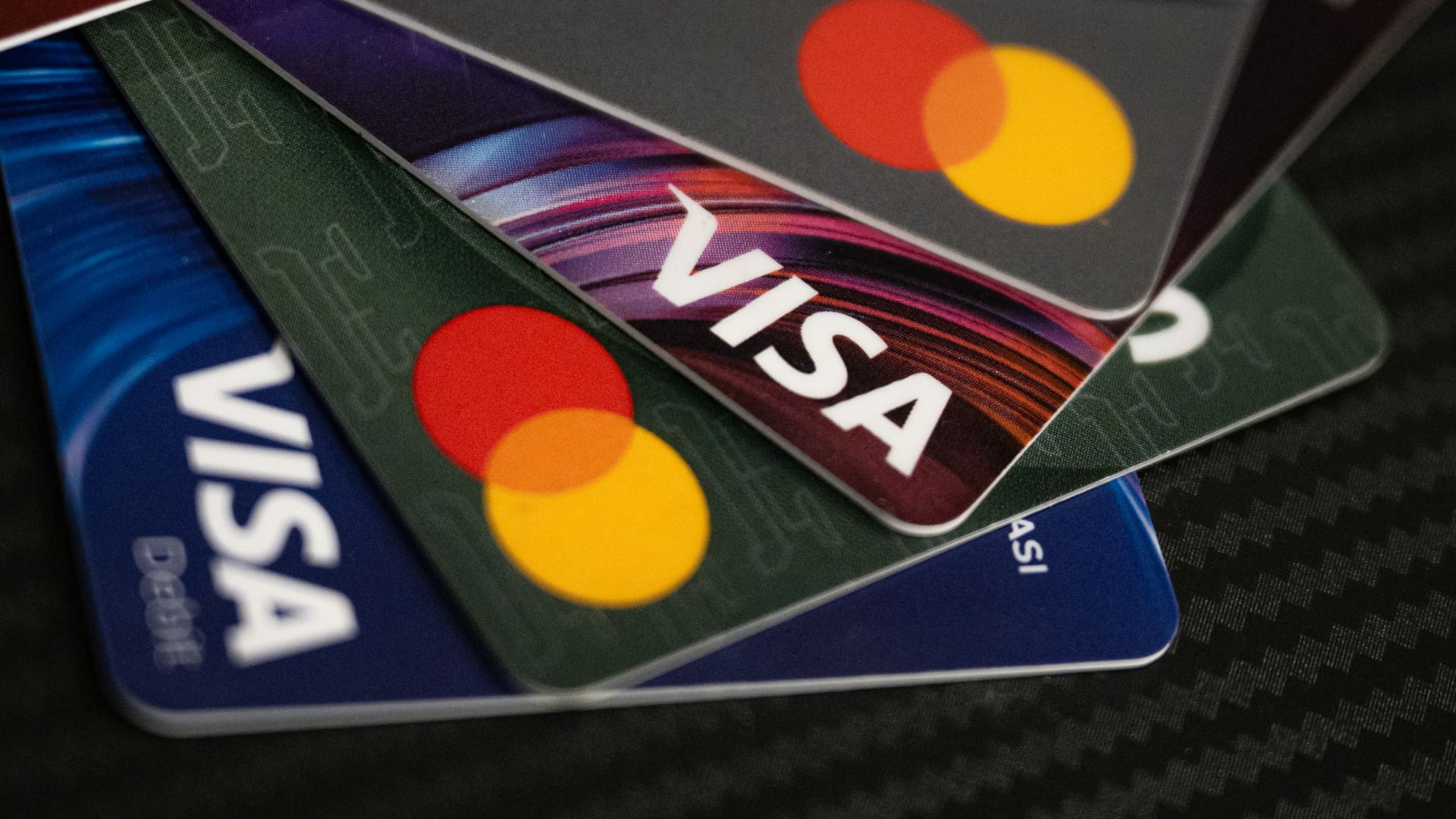
Every time you tap your card at a coffee shop, the merchant pays a small percentage to Visa or Mastercard. Multiply that by billions of transactions, and you get one of the most profitable toll booths in modern finance. A federal judge just decided those tolls need to come down.
On June 9, a Brooklyn federal court granted preliminary approval to a revised $38 billion class-action settlement between Visa, Mastercard, and millions of US merchants. The deal resolves antitrust claims that have been grinding through the legal system for over two decades.
What the settlement actually changes
The settlement includes a 0.1 percentage point reduction in swipe fees over five years. Standard US consumer credit card interchange rates will be capped at 1.25% for eight years. For context, average swipe fees currently sit at approximately 2.35%.
Merchants will now have the right to decline certain high-fee Visa and Mastercard-branded cards. They can also impose surcharges on specific transactions. This represents a meaningful departure from the longstanding “honor all cards” policy, which required merchants to accept every card bearing the Visa or Mastercard logo regardless of how expensive it was to process.