Published on
03/07/2026 - 15:00 GMT+2
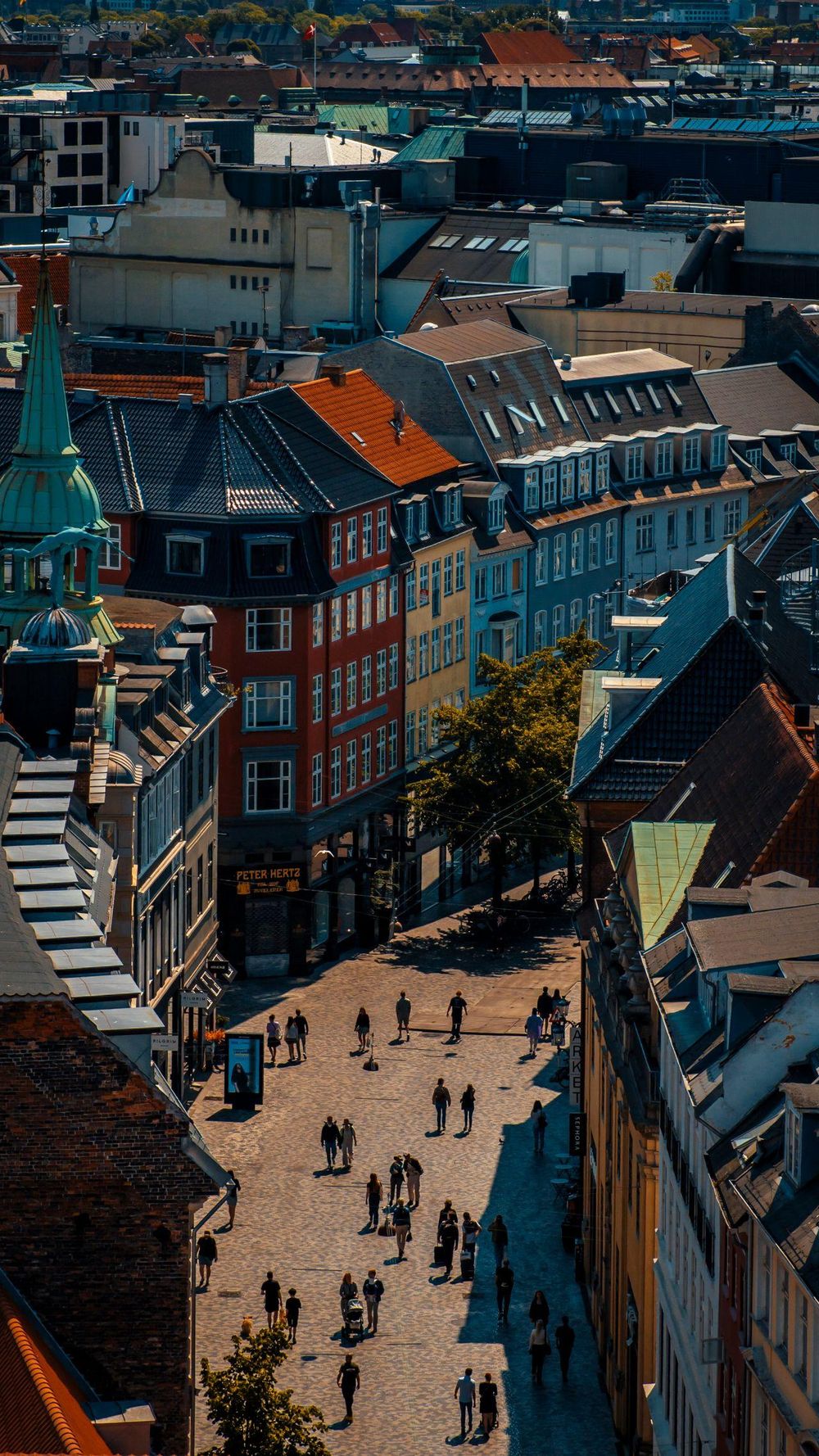
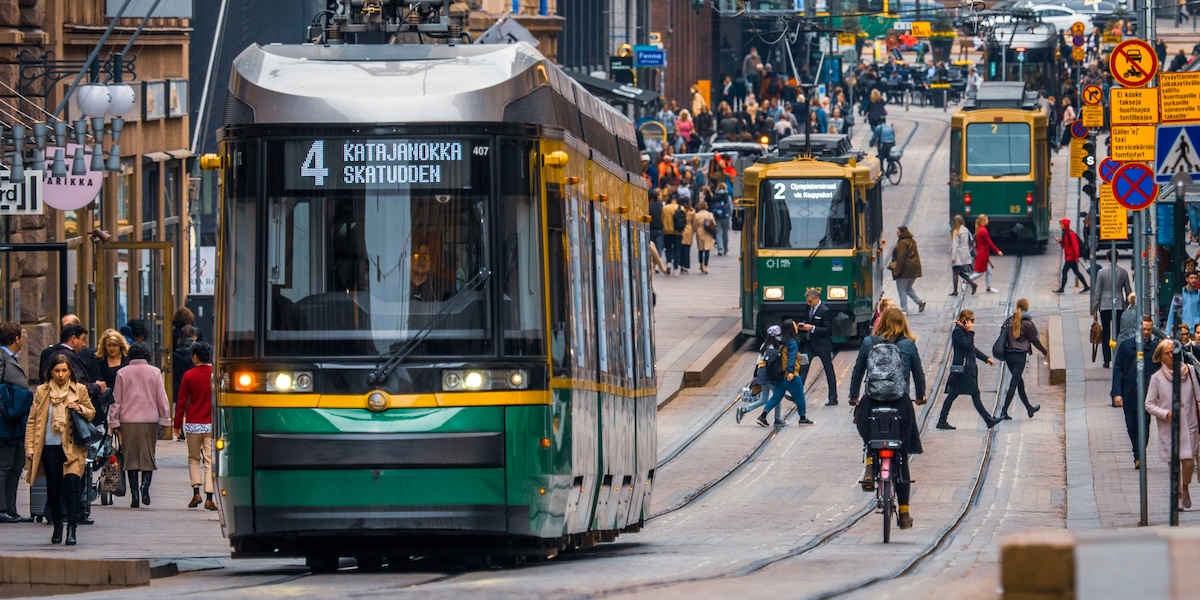
Some 40 years, Finland´s capital started to design new solutions to reduce deadly road accidents - and then eventually eliminate them. Those efforts have now paid off. 12 consecutive months without a single road death were recorded between 2024 and 2025. By comparison, during a similar period 31 people -including drivers, pedestrians, bikers or cyclists- died on the streets of Paris. By the time of the filming of this report, another nine consecutive months had passed without a single road death in Helsinki.
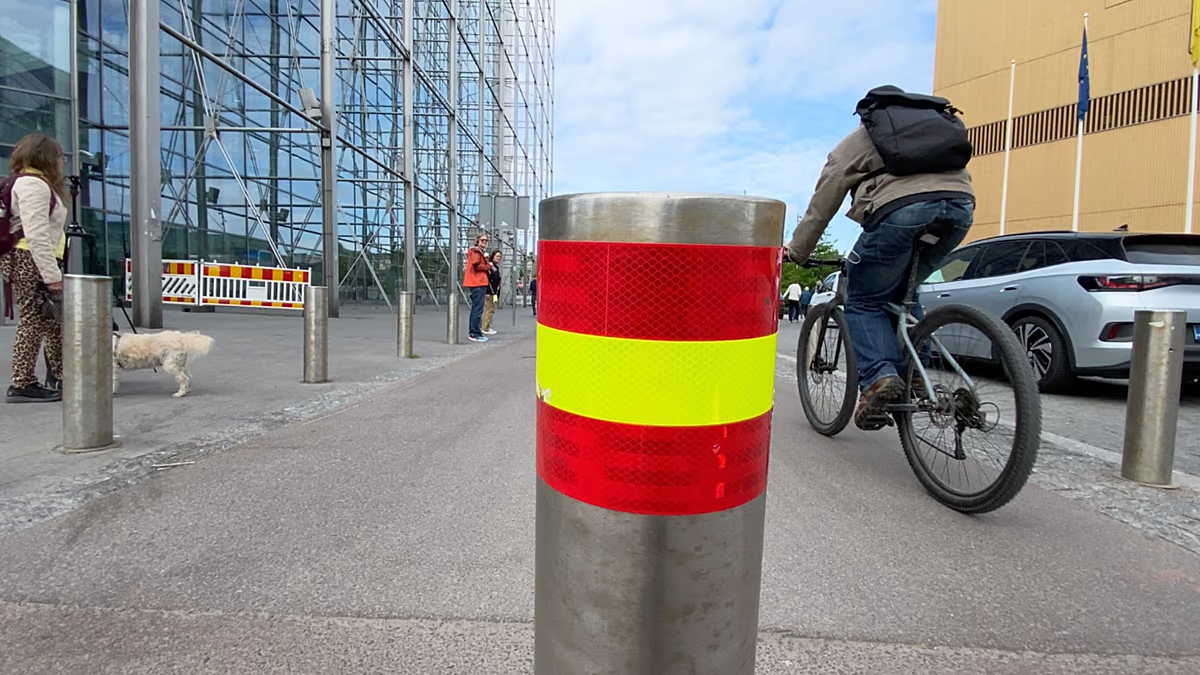
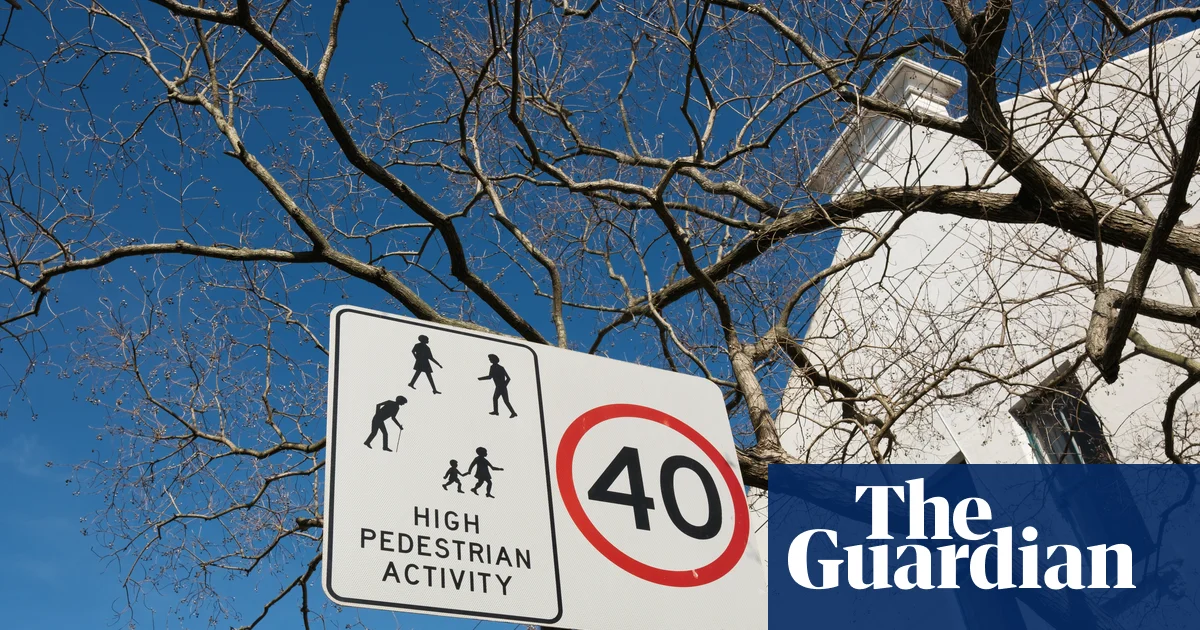
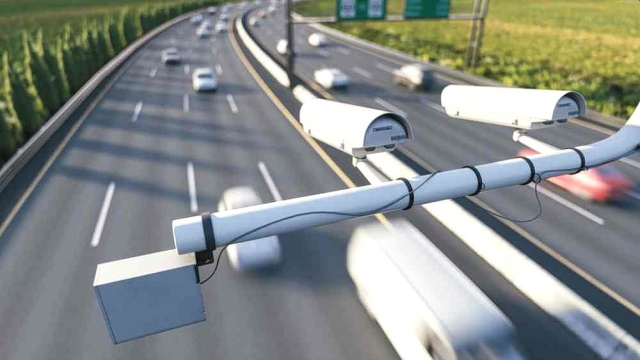
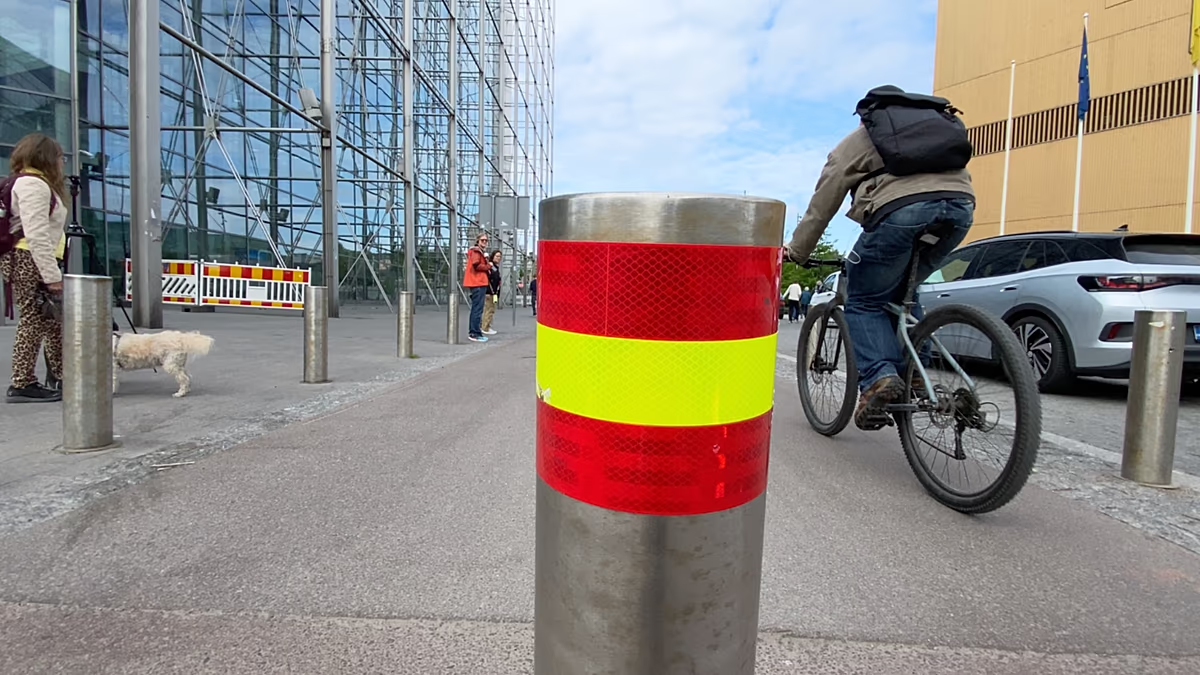
Comprehensive city planning has been a key aspect, but there have been many others too. “Of course, improving the safety of our traffic environment is important, but so is safer road user behaviour, safer vehicles, and legislation or traffic enforcement are important,” explains Roni Utriainen, a traffic engineer at the City of Helsinki´s Urban Environment Division. “The city has reduced speed limits, improved walking and cycling facilities, narrowed roadways and built speed camera sites. Public transport is very good and that also helps to reduce the number of car trips and collisions.”
For the last 20 years, the capital of Finland has massively invested in infrastructure aimed at improving road safety, including tunnels in busy downtown hubs and bridges connecting neighboring districts -exclusively built for pedestrians and cyclists. “The overall sentiment of safety has improved quite significantly during the last decade,” concedes Martti Tulenheimo, Chief Specialist at the Finnish Cyclists´ Federation. “Last year Helsinki invested about €35 million in cycling and pedestrian infrastructure, which sounds maybe a big sum, but it's still only 13% of the whole traffic investment budget,” confirms Matti Hirvonen, another chief specialist, from the Network of Finnish Cycling Municipalities.