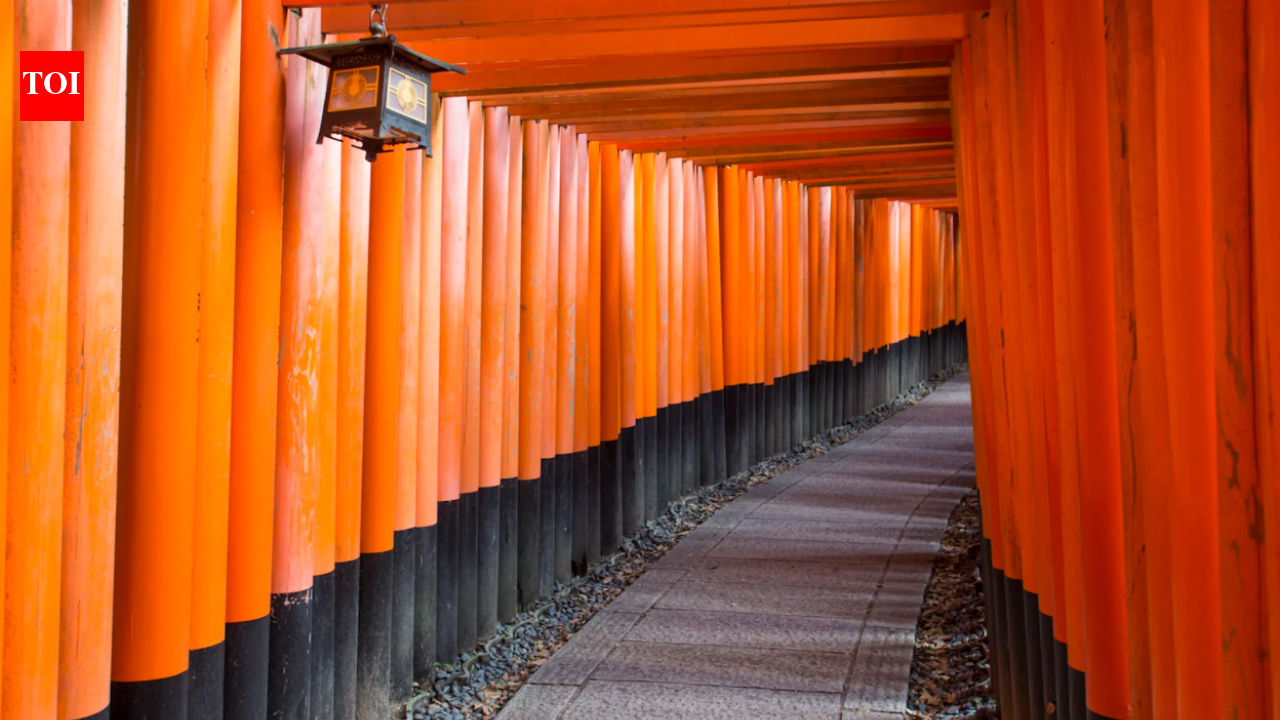
Few places in the world are as instantly recognisable as the seemingly endless tunnel of brilliant red gates winding through a forested hillside in Kyoto, Japan.
To first-time visitors, it can appear as though an ordinary street has been transformed into a glowing crimson passageway stretching into the distance.
In reality, these striking structures are torii gates, sacred entrances marking the transition from the everyday world into a space dedicated to the Shinto faith.
Far more than a beautiful tourist attraction, each gate represents an act of gratitude, devotion and cultural tradition that has continued for centuries.
Their vivid colour, remarkable number and spiritual symbolism combine to create one of Japan's most photographed and meaningful landscapes.What are Japan's red torii gates and why are there thousands of them?According to the Japan National Tourism Organisation, the famous "tunnel" of red gates is located at Fushimi Inari Taisha in Kyoto, the head shrine dedicated to Inari, the Shinto deity traditionally associated with rice, agriculture, prosperity, business and success.A torii marks the entrance to sacred ground.