David Emrich / Unsplash
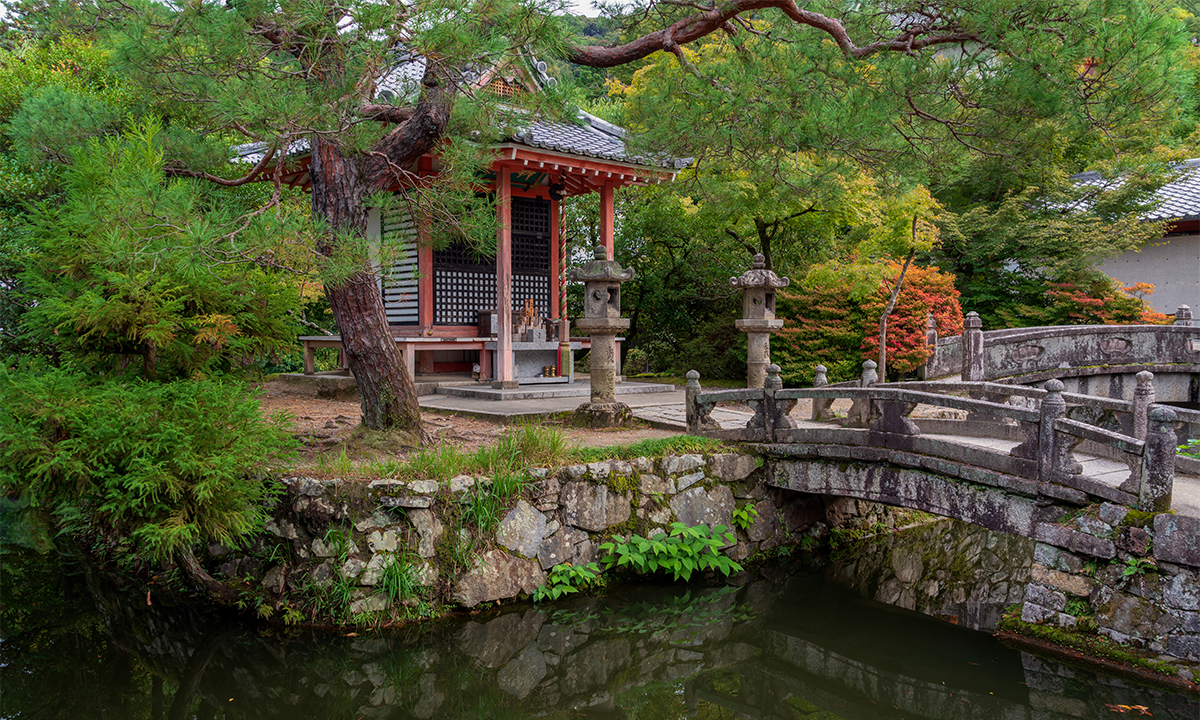
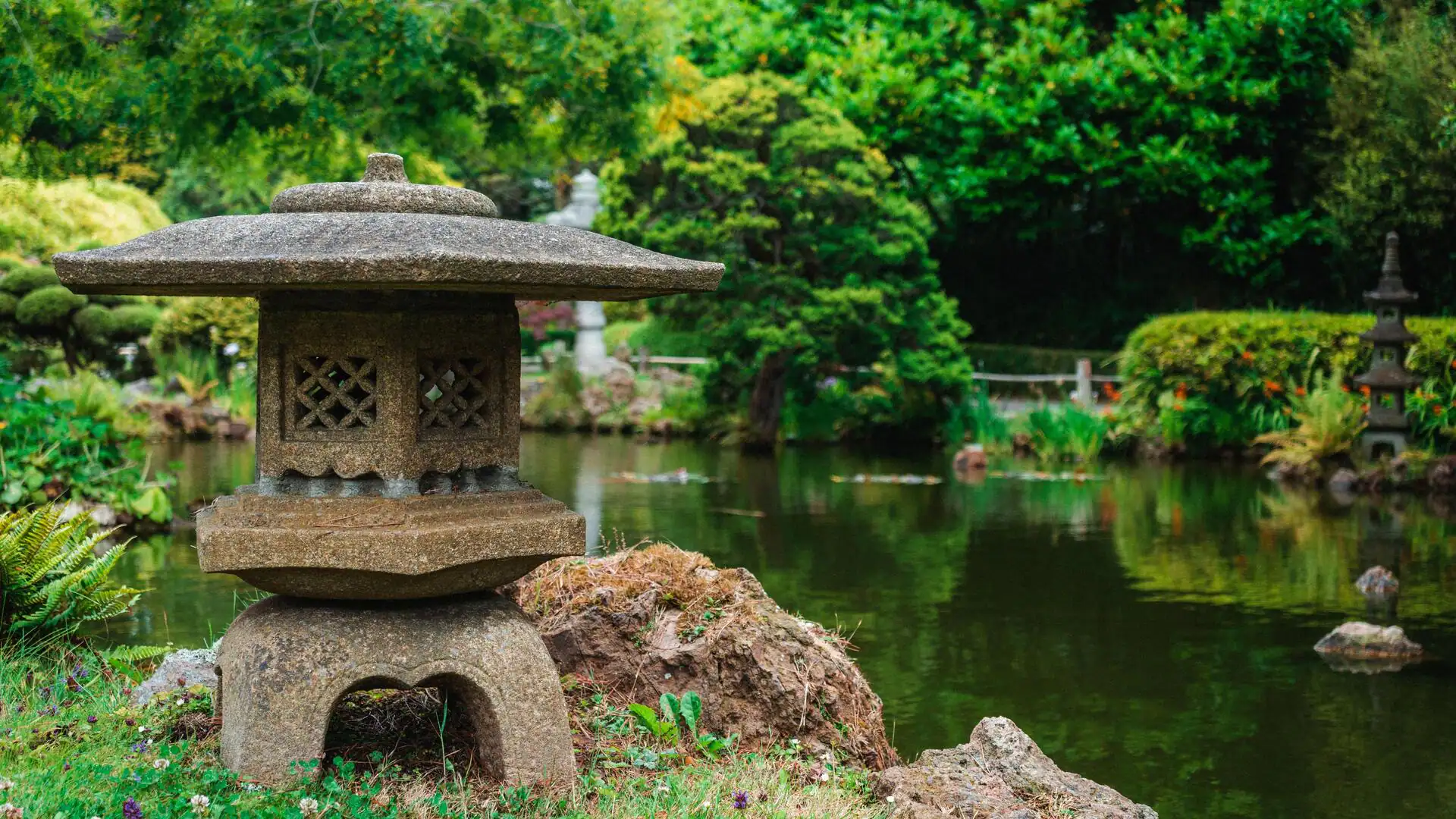
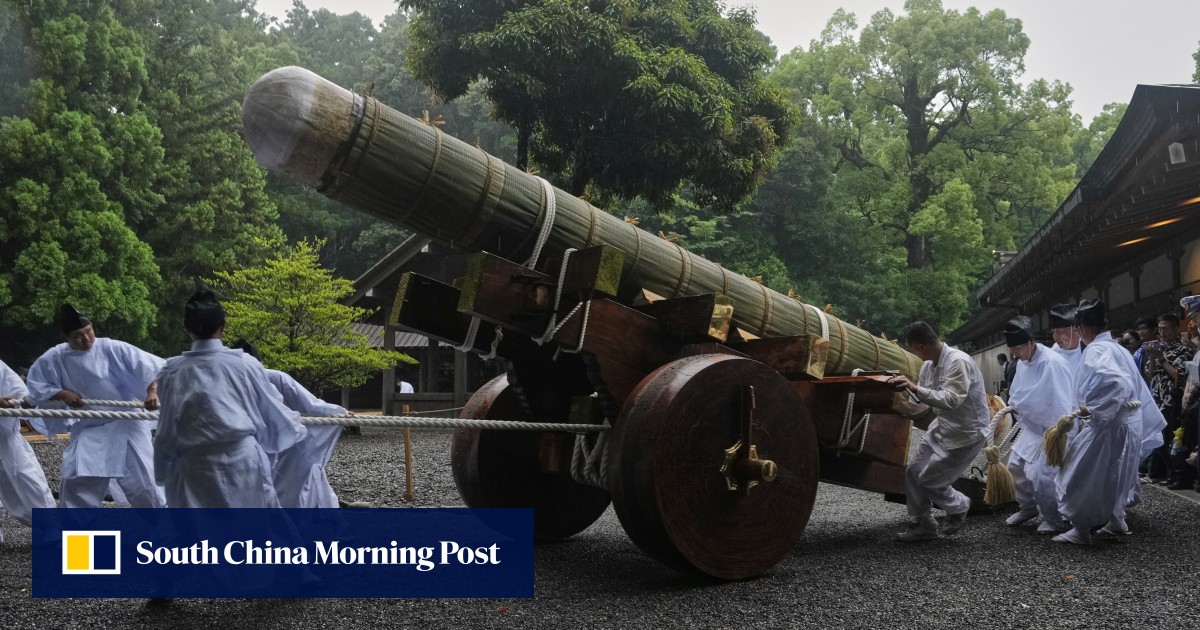
Japan's temples are not preserved ruins. They are active places: visited daily by worshippers, maintained by priests, and tended by gardeners whose attention to the surrounding landscapes reflects a philosophy that treats the grounds as continuous with the sacred interior. The distinction between a Japanese temple and a museum is one that the buildings make clear the moment a visitor arrives: the incense burning at the entrance, the ritual water purification basins, the priests moving through corridors that tourists and worshippers share simultaneously. These buildings have been in continuous use for centuries, and the living quality of that use gives them a presence that purely archaeological sites, however impressive, cannot generate.
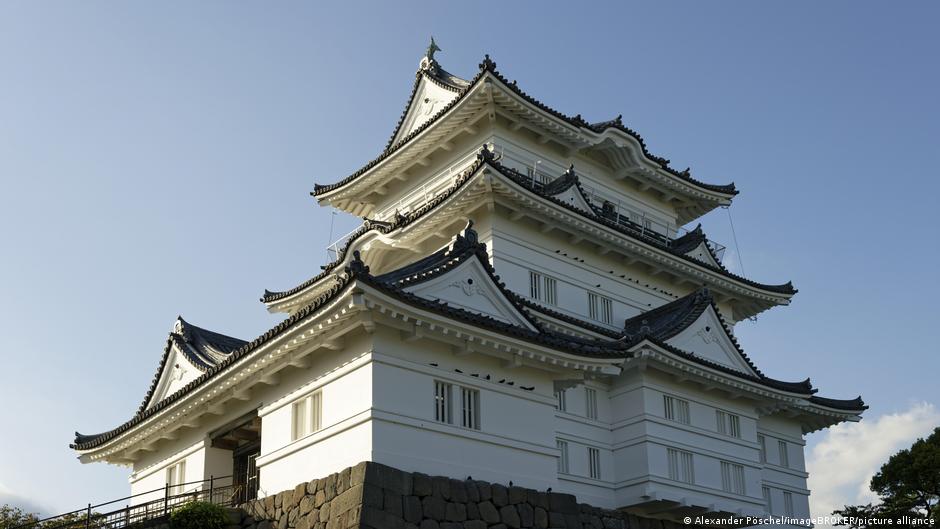
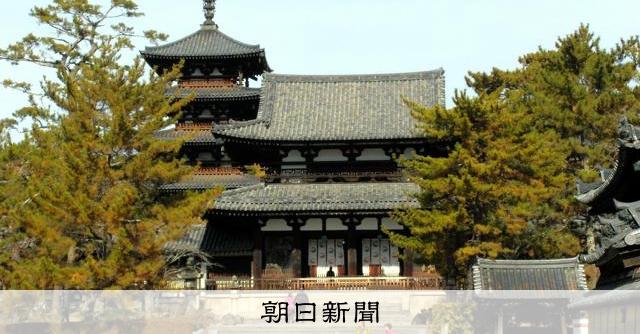
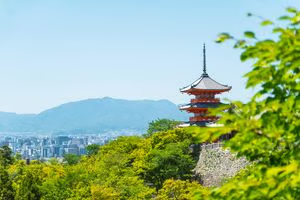
The architecture and the gardens that Japanese temple culture has produced across more than a thousand years of refinement reflect a range of aesthetics that resists reduction to a single visual style. The gold-covered tiers of Kinkaku-ji occupy one end of the spectrum. The austere arrangement of 15 stones in Ryōan-ji's rock garden occupy the other. Between them lies an extraordinary variety: a 37-meter bronze Buddha visible from the hillsides of Kamakura, a mountain complex accessible only by a strenuous hike, a temple wall built directly into a cliff face, and a five-story wooden pagoda that remains the tallest wooden tower in Japan after more than 1,200 years. Each temple occupies its own position within this spectrum, and no single visit to Japan captures them all.