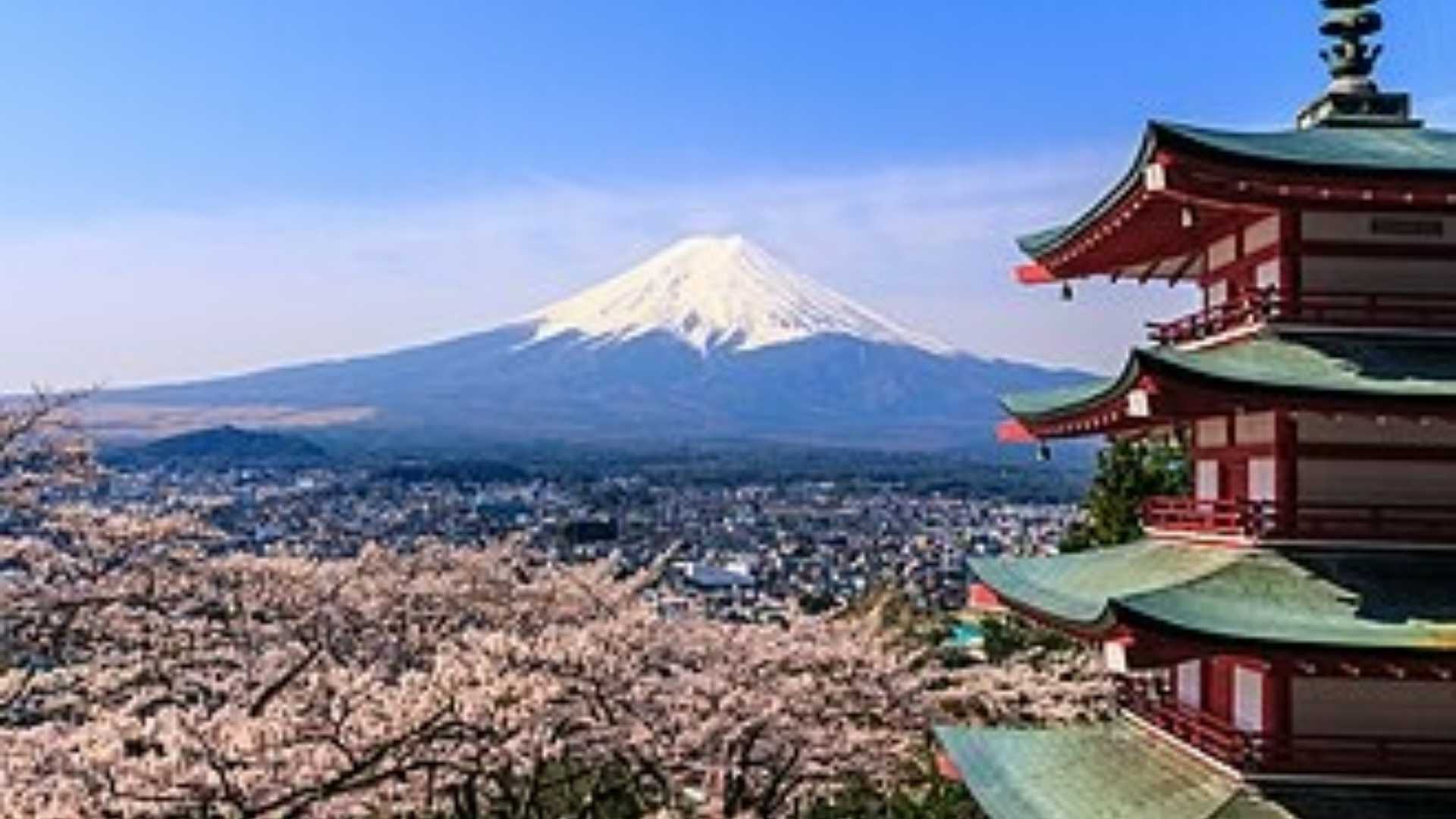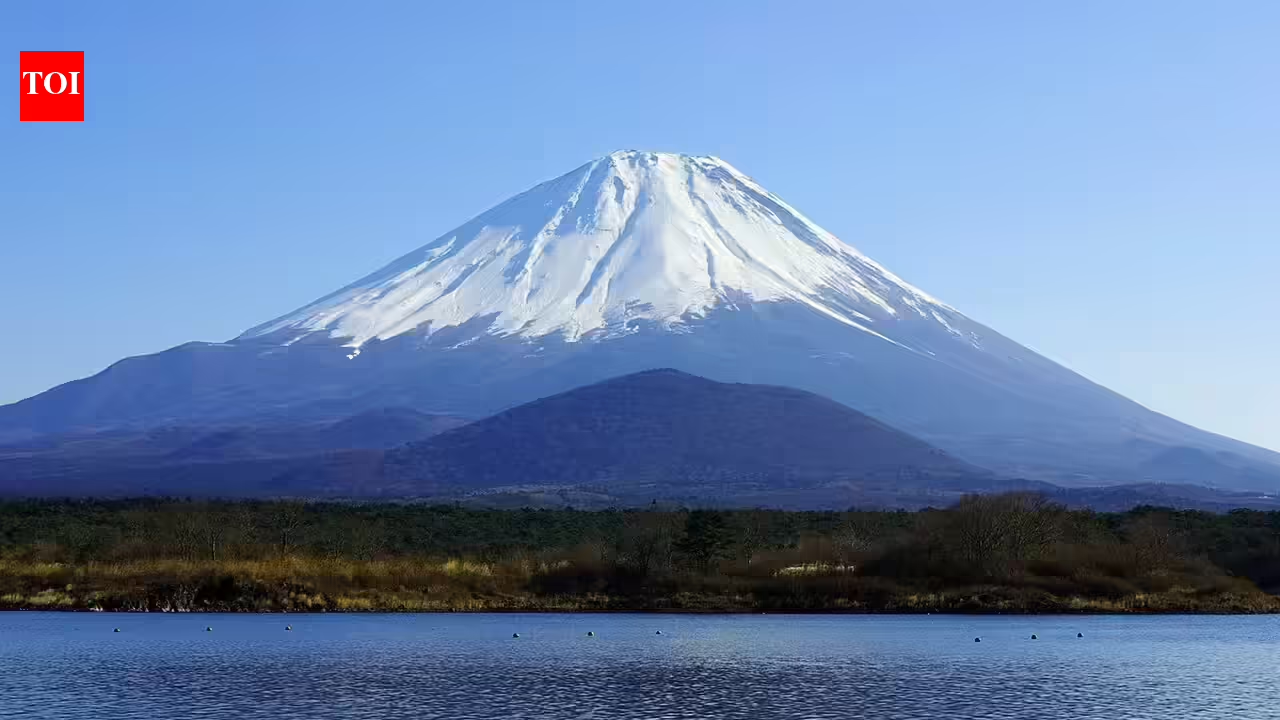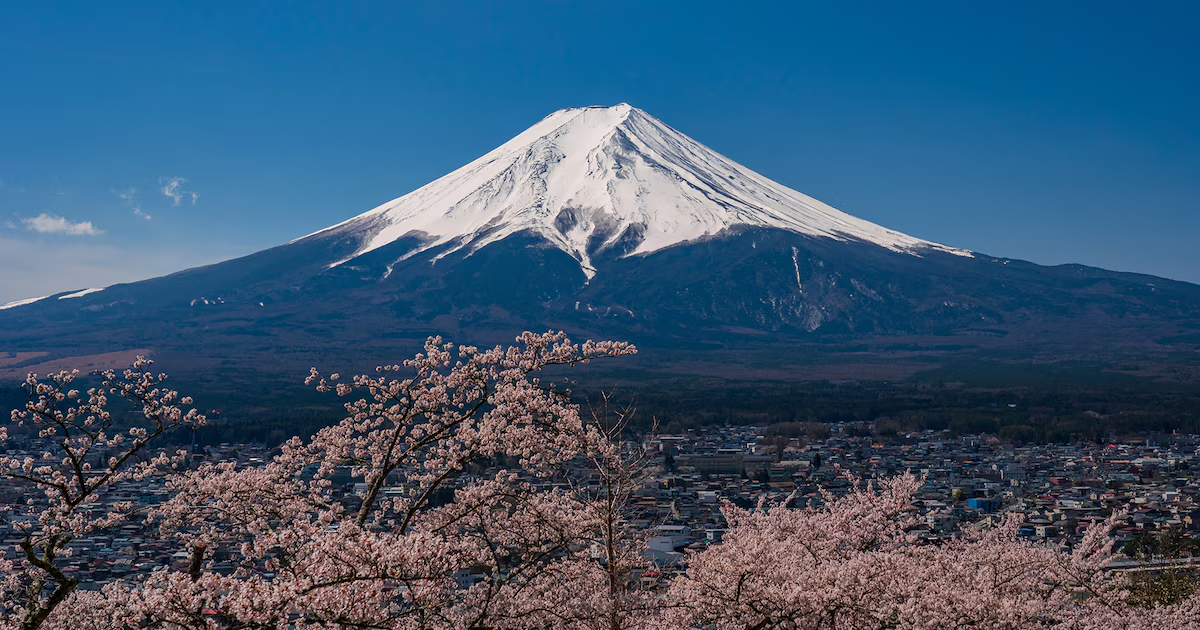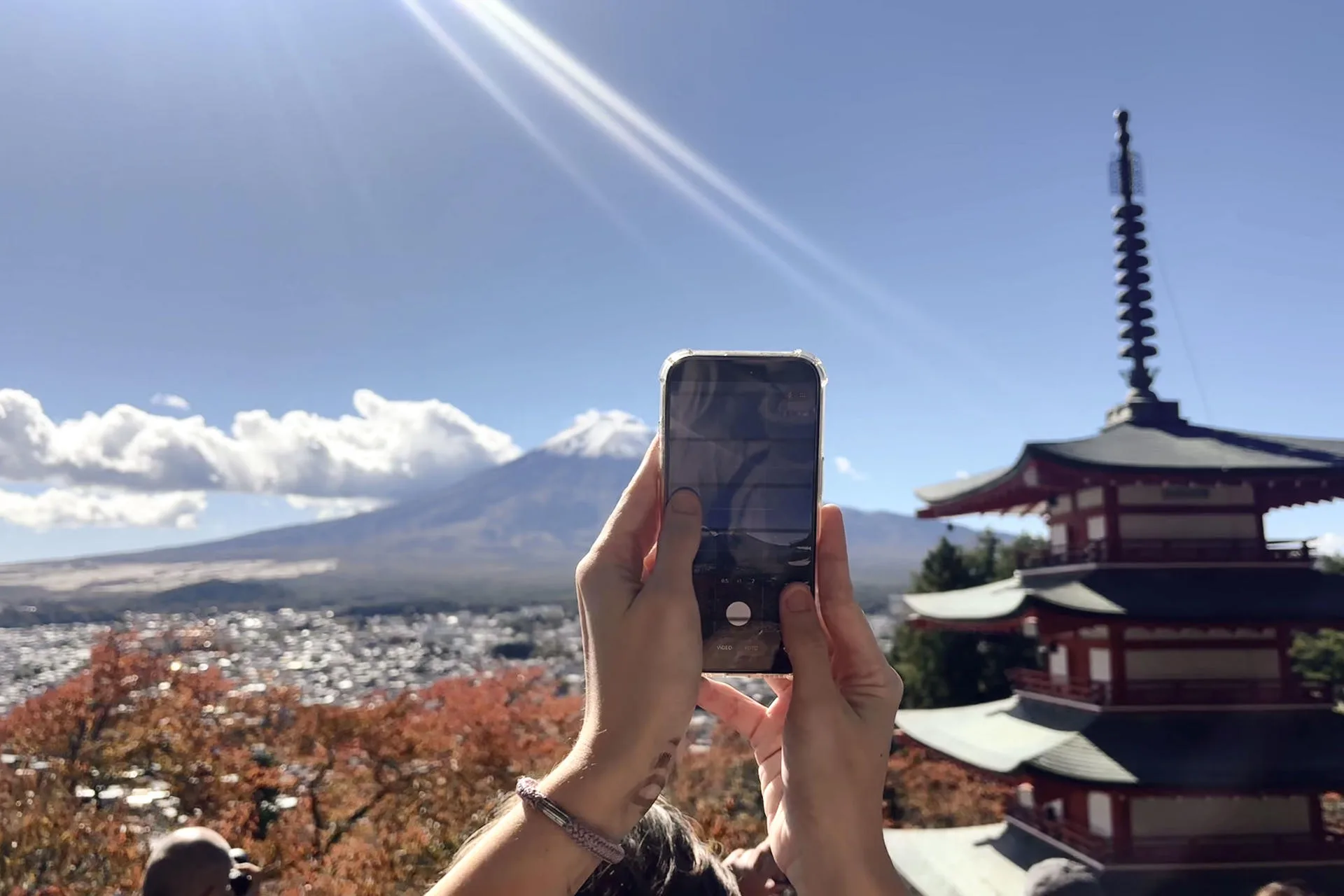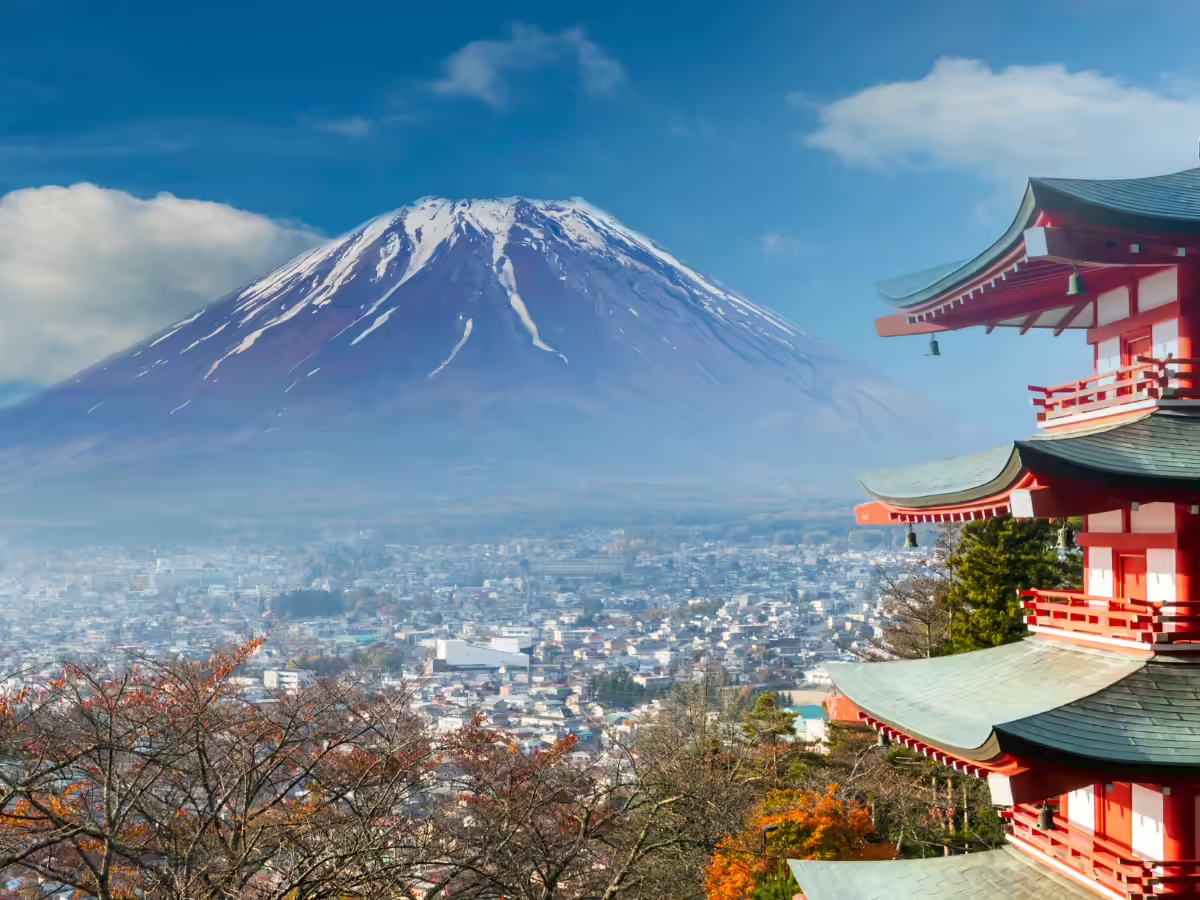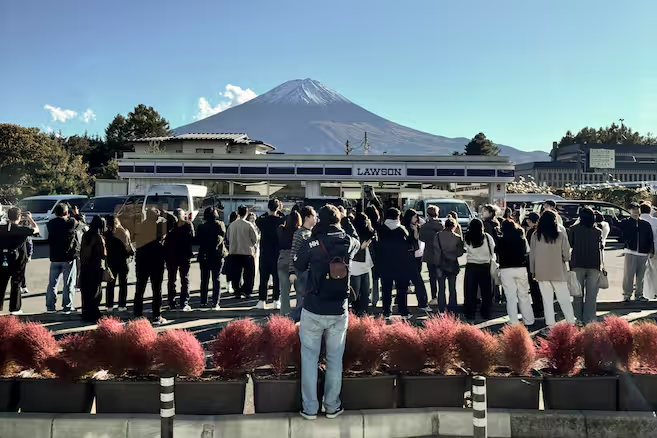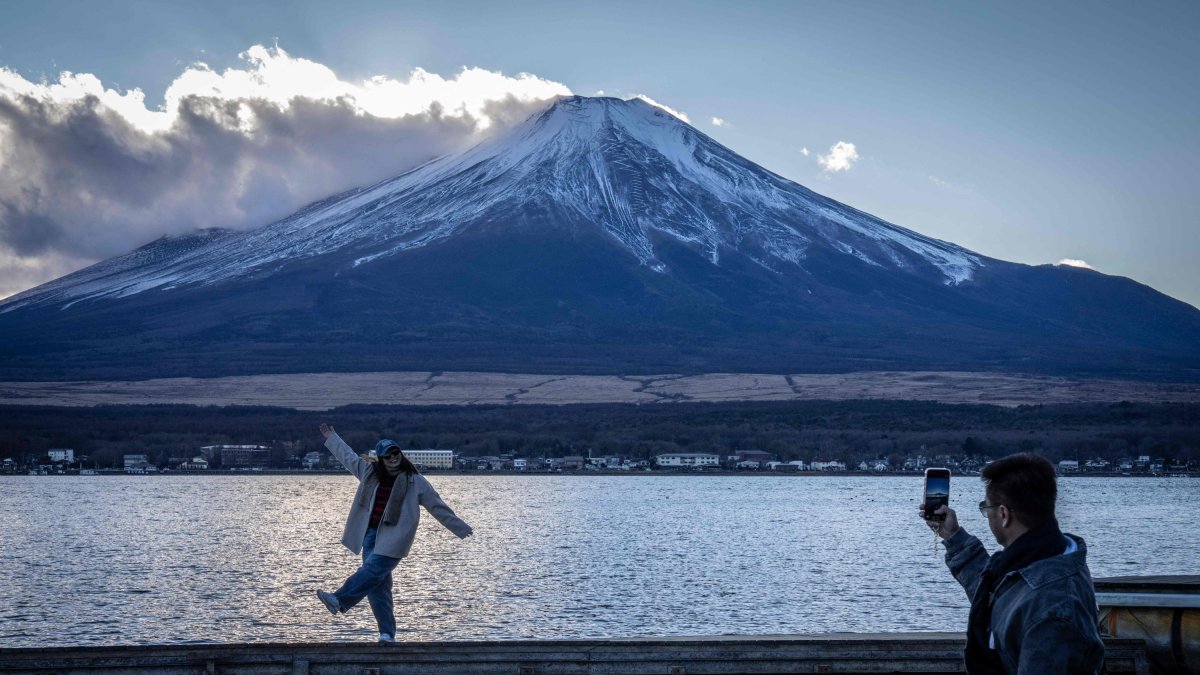
Mount Fuji, Japan's highest mountain and a UNESCO World Heritage Site, is increasingly becoming a symbol of the country's struggle to balance a booming tourism industry with environmental preservation and public safety.
The mountain, which rises 3,776 meters (12,388 feet) above sea level, is technically an active volcano but has not erupted since 1707.
While volcanic activity remains closely monitored, local authorities are more immediately concerned about the consequences of overtourism.
According to Japan's Environment Ministry and local governments, more than 220,000 people climbed Mount Fuji during the 2023 summer season.
In response to congestion, littering and safety concerns, authorities introduced stricter controls in 2024 and 2025, including entry limits and mandatory climbing fees. For the 2026 season, climbers on all four major routes must pay 4,000 Japanese yen ($25), according to official Mount Fuji climbing regulations.