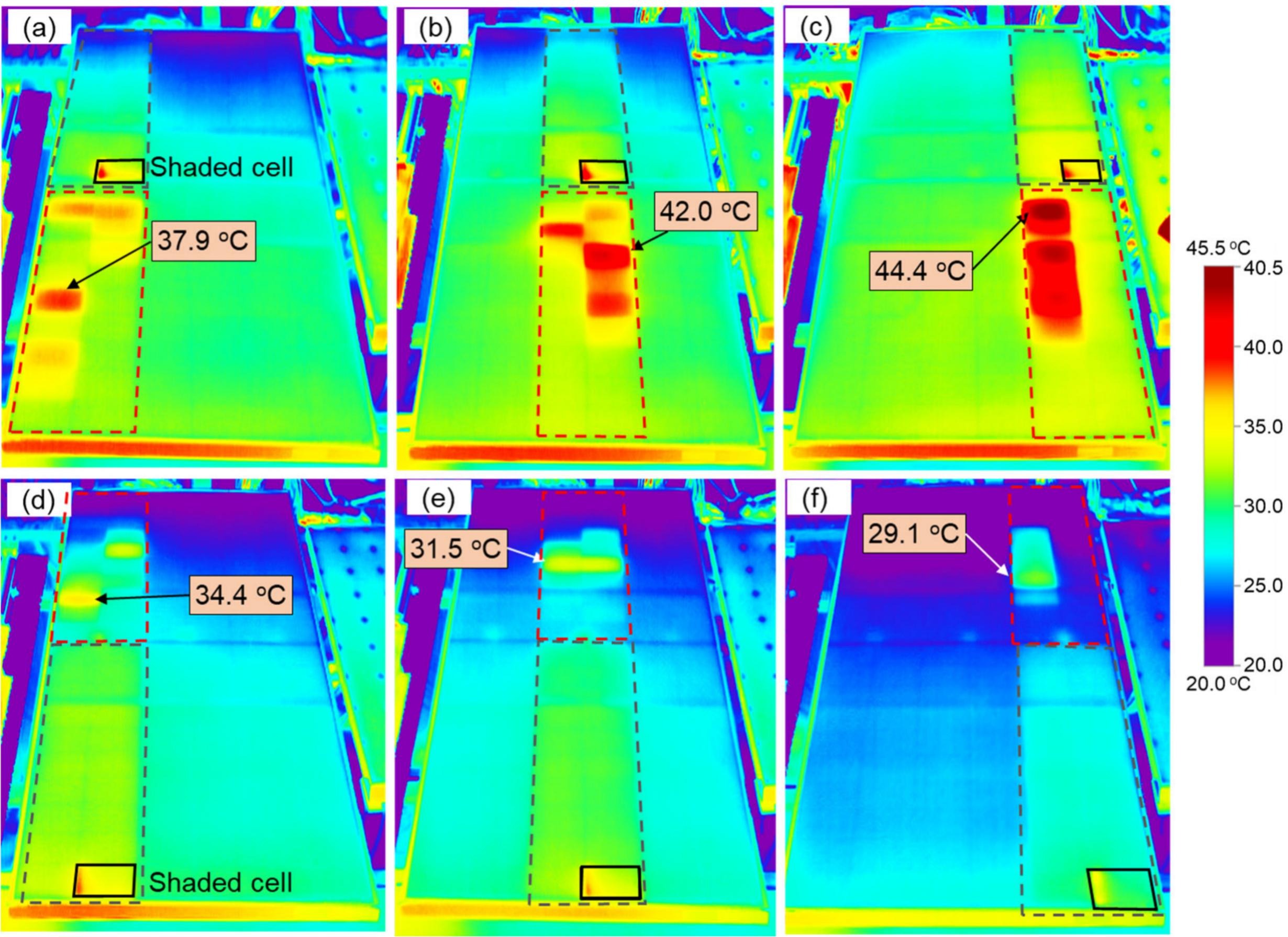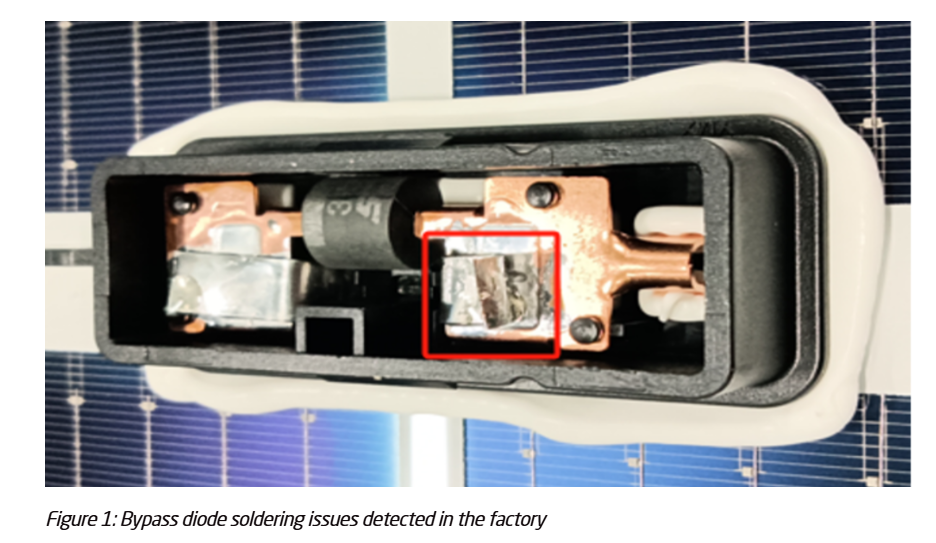
The component defect remains invisible under standard factory flash tests and unshaded field thermography, creating an unexpected safety hazard for operating assets.
Bypass diodes protect solar cells from the destructive effects of hot spotting. When a portion of a module is shaded by debris, soiling, or structures, those cells stop producing power and act as electrical resistors. A functioning diode routes the current around the obstructed string to prevent damage.
Joerg Althaus of Intertek CEA explained in a report why lost bypass diodes in PV modules are a hidden fire risk. Althaus said diode failures can pass standard factory and field inspections, yet create severe overheating when shading occurs, posing a hidden risk.
When a bypass diode is physically missing or disconnected during manufacturing, the module behaves completely normally under uniform, unshaded sunlight. Because factory flash tests use uniform artificial light, the diodes remain inactive during production sign-off.
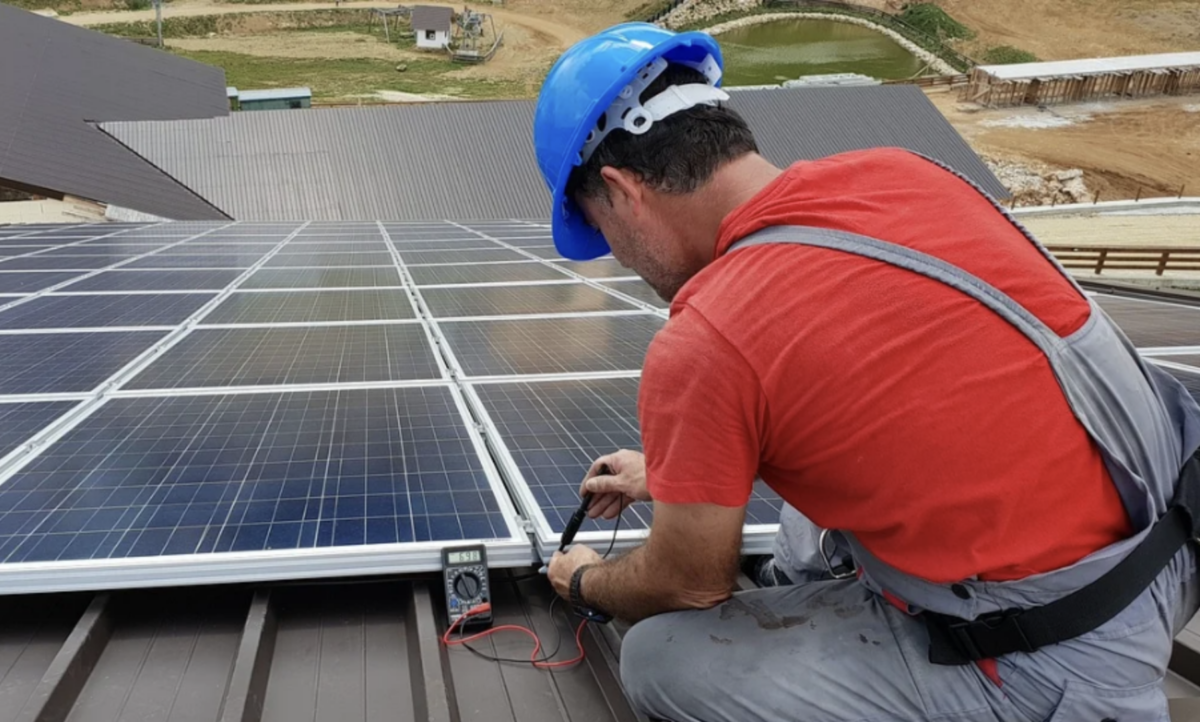
Field inspections run into the same dead end. Standard drone or handheld infrared thermography performed under clear sky conditions will show a perfectly uniform thermal profile because no active shading is triggering the bypass mechanism.