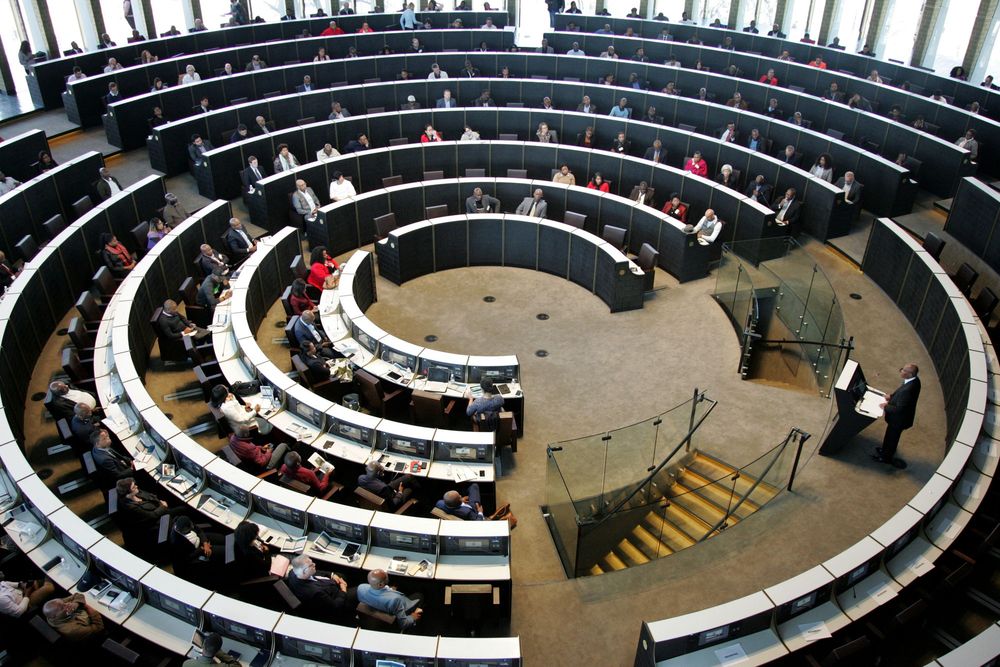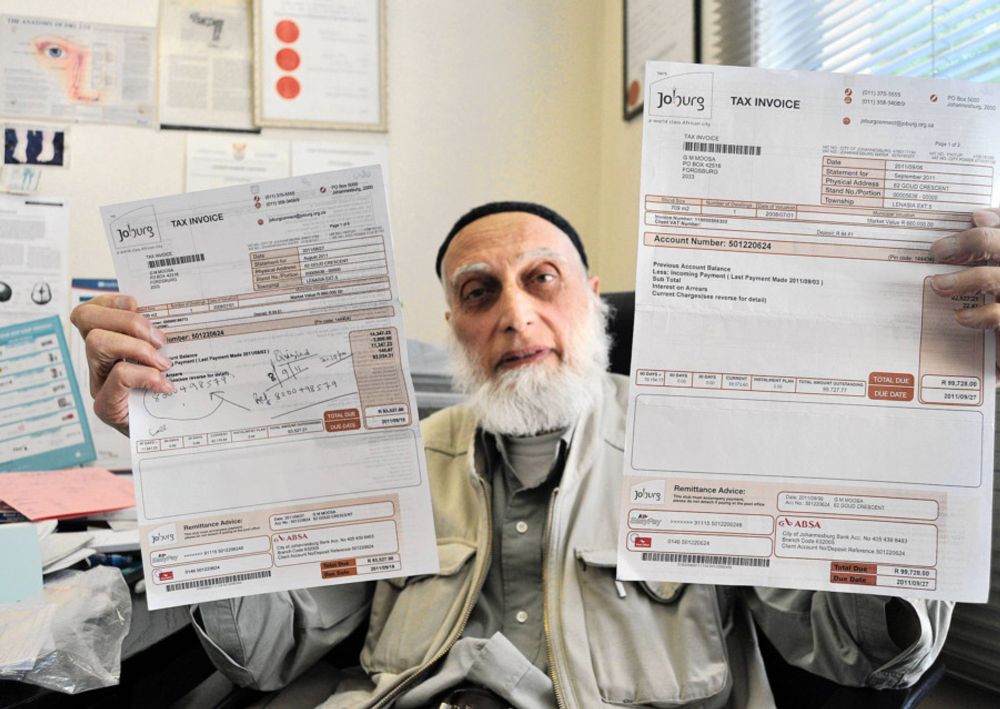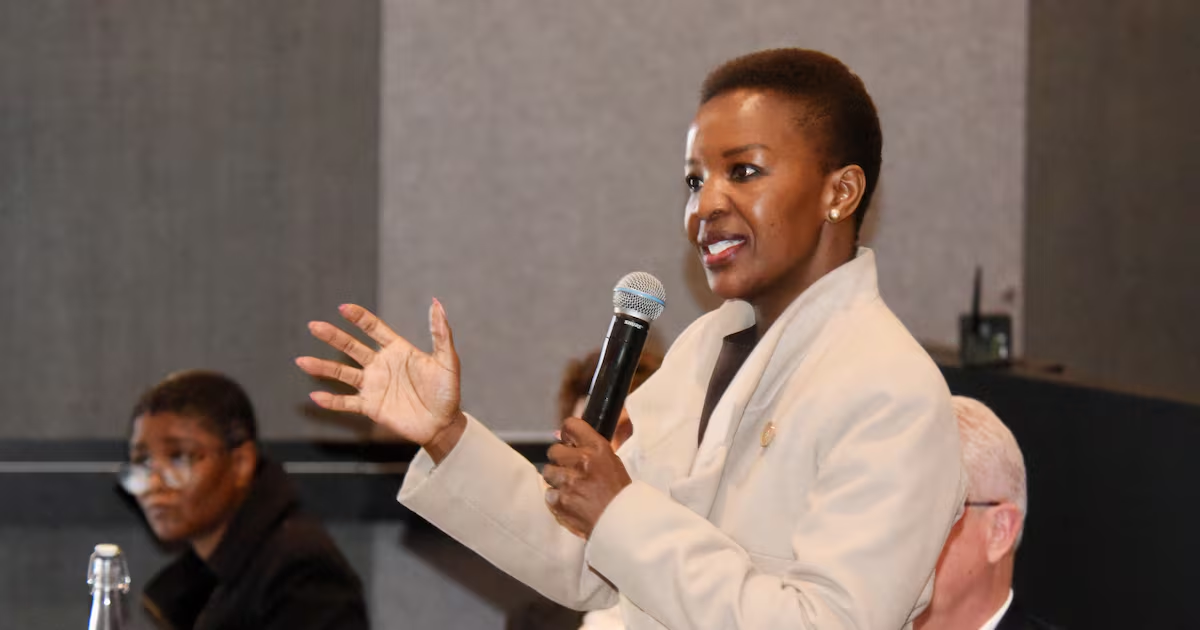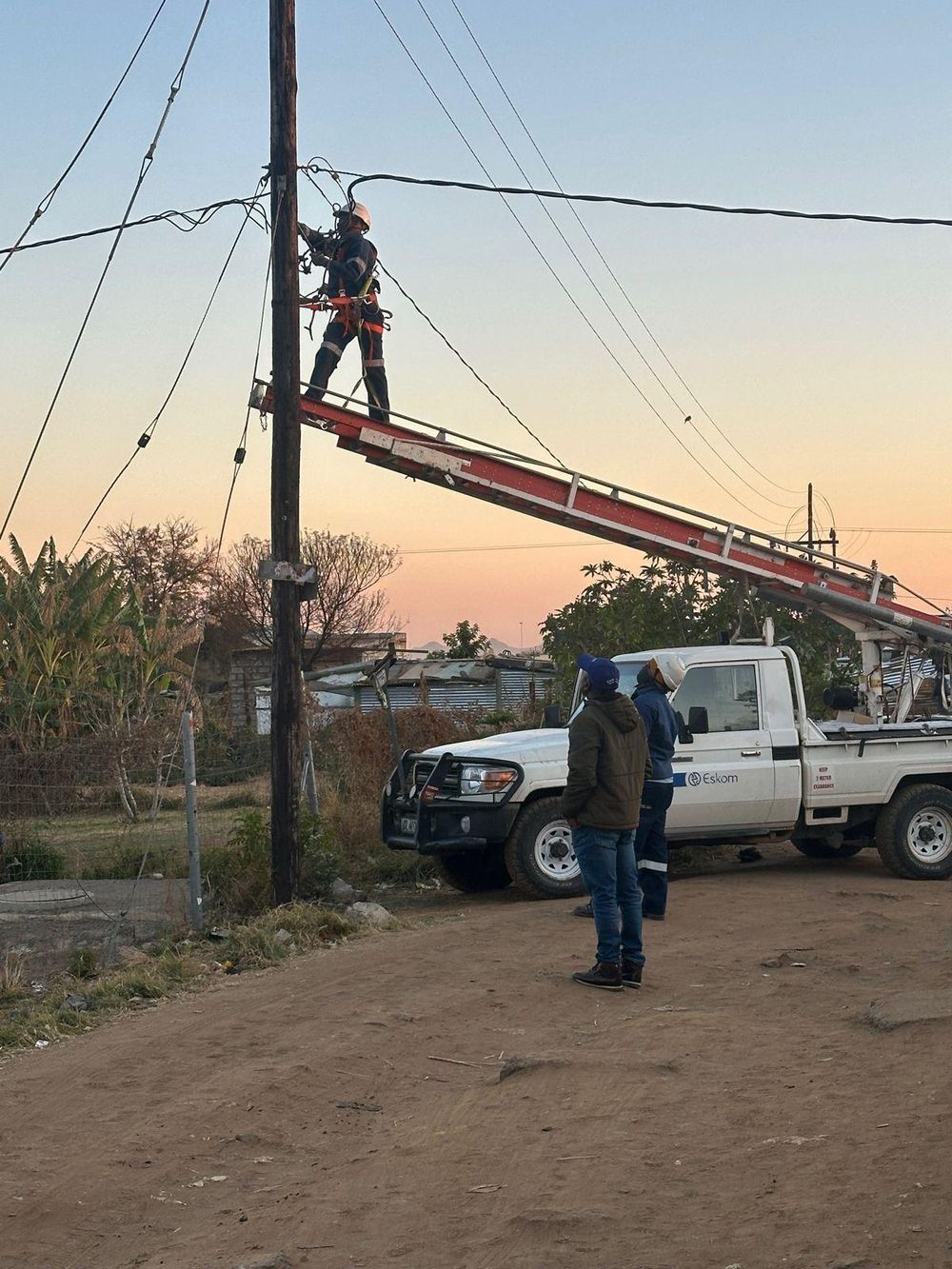
They say that bankruptcy happens very slowly and then all at once. So it is with the City of Johannesburg. For years the city has been raising its operating expenditures to unsustainable levels. Operating costs have increased by 92% in real terms over the past 15 years, driven mostly by rising staff costs. The city has steadily increased its employee count at all levels, especially in senior management, and now employs more staff per capita than any other metro. Salaries have increased well above inflation, becoming less market-related every year. Not satisfied with this, the mayor and his executive signed a “politically facilitated agreement” with the South African Municipal Workers’ Union (Samwu) to pay staff an additional R10.3bn over two years. If this had led to an increase in service delivery, it would be one thing, but it has not. While increasing its staffing, the city has also increased expenditure on external contractors to do its core work.How can the city afford this extraordinary expenditure? The answer is that it cannot, not sustainably at least. Until now the city’s lavish spending has been funded through two main channels.The first is simply by hiking its rates and tariffs every year. Rates have increased by 124% in real terms over 15 years, heavily affecting household budgets. The second source of funds has been the capital budget, which should be used to pay for pipes, roads and electricity cables but instead has been diverted to operating costs. The capital budget is now only 7% of the total, down from a peak of 20% in 2015. There are laws governing how cities are managed. These are public funds. And yet neither the province nor the national government has called time on the city’s criminal behaviour. But in recent years, even this has not been enough. The city has started to cover its monthly expenditure by failing to pay its suppliers. The required payment standard is 30 days, but it takes the city more than a year on average to pay its bills. Politicians apparently play an active role each month in deciding who should be paid, instructing officials to pay their connections.But now even that is not enough. As we speak, the city owes Eskom more than R5bn in historical debt and more than R1.5bn on its current bill. It has missed several payments promised under a special agreement with Eskom. In addition, the city owes Rand Water R3bn. The debts are piling up. There are laws governing how cities are managed. These are public funds. And yet neither the province nor the national government has called time on the city’s criminal behaviour. Until now. After showing extraordinary tolerance, finance minister Enoch Godongwana has now threatened in a letter to the city to withhold the equitable share, a grant paid to municipalities by the national government and worth R8bn a year to Johannesburg. Godongwana has pointed out that the agreement with Samwu is unfunded, relying on fictitious revenue projections to make it appear affordable. He also pointed to extraordinary levels of irregular expenditure, amounting to R13bn last year. The city has been silent about its response to Godonwgana’s letter, if, indeed, it has responded at all. Will it back down from its illegal agreement and begin to correct its trajectory? Or will it tell the minister to take a hike? In which case, will the minister make good on his promise to withhold the equitable share or will he face pressure to pay anyway, given the looming elections? Bankruptcy happens slowly and then very fast. The city management has been utterly reckless, splashing out huge sums that it does not have, funding its exorbitant monthly costs by robbing Peter to pay Paul. This is no longer a problem of slow chronic decline. The patient is in the emergency room. The question is whether it is willing to take its medicine.• Bethlehem is an economic development specialist and partner at Genesis Analytics. She has worked in the forestry, renewable energy, housing and property sectors as well as in local and national government. She writes in her personal capacity.
LAEL BETHLEHEM | Johannesburg’s financial crisis is reaching breaking point
Godongwana loses patience with Joburg's financial mess, exacerbated by unfunded wage agreement with Samwu and billions of Eskom debt
683 words~3 min read