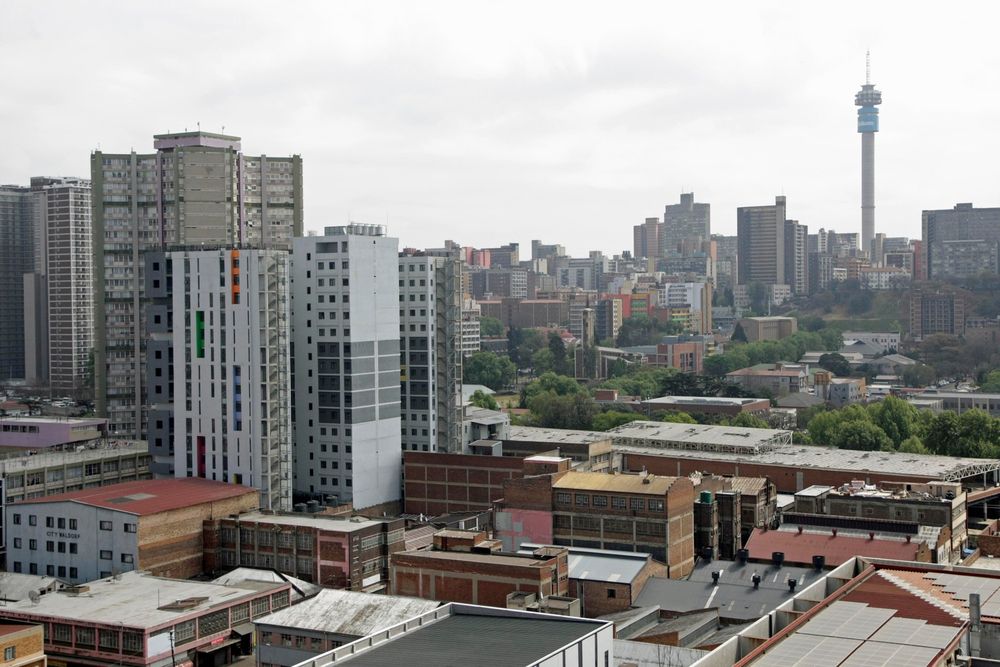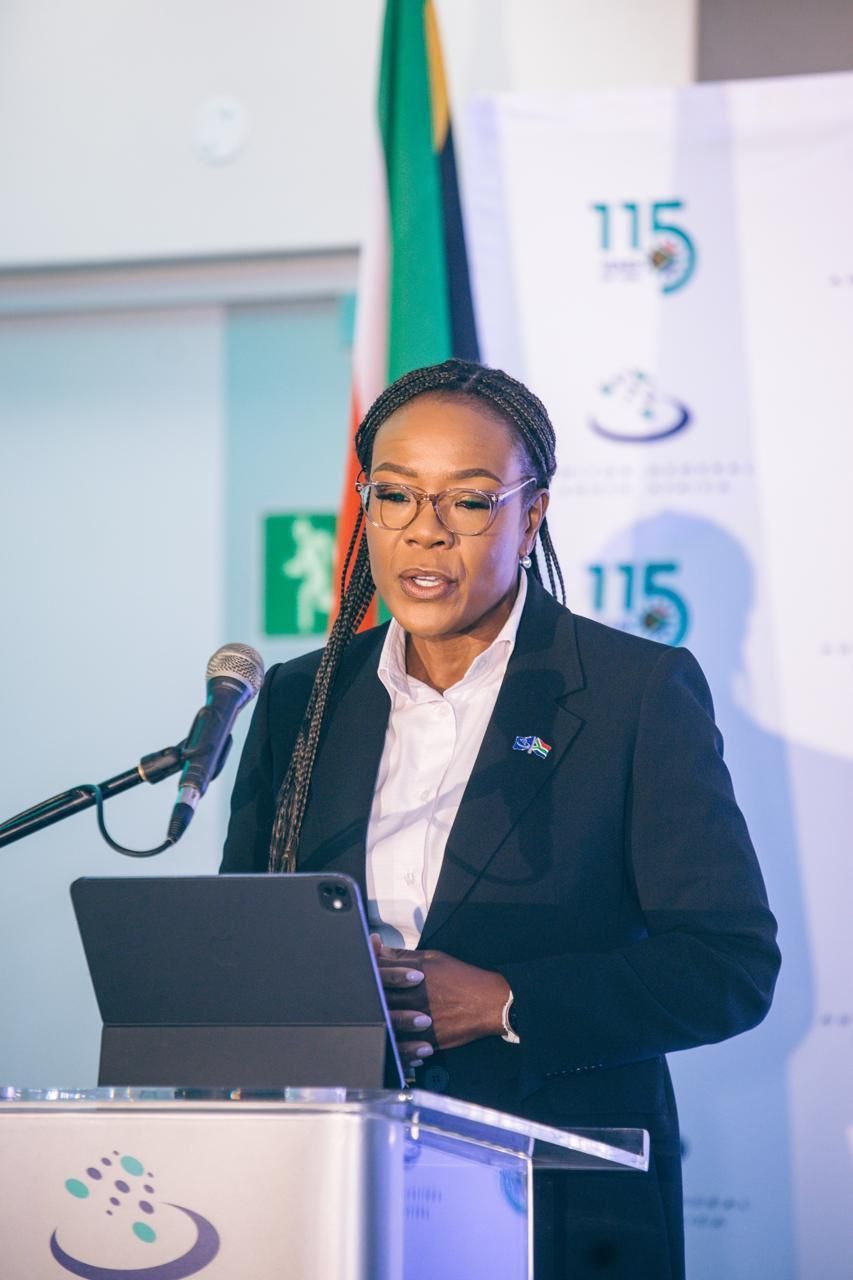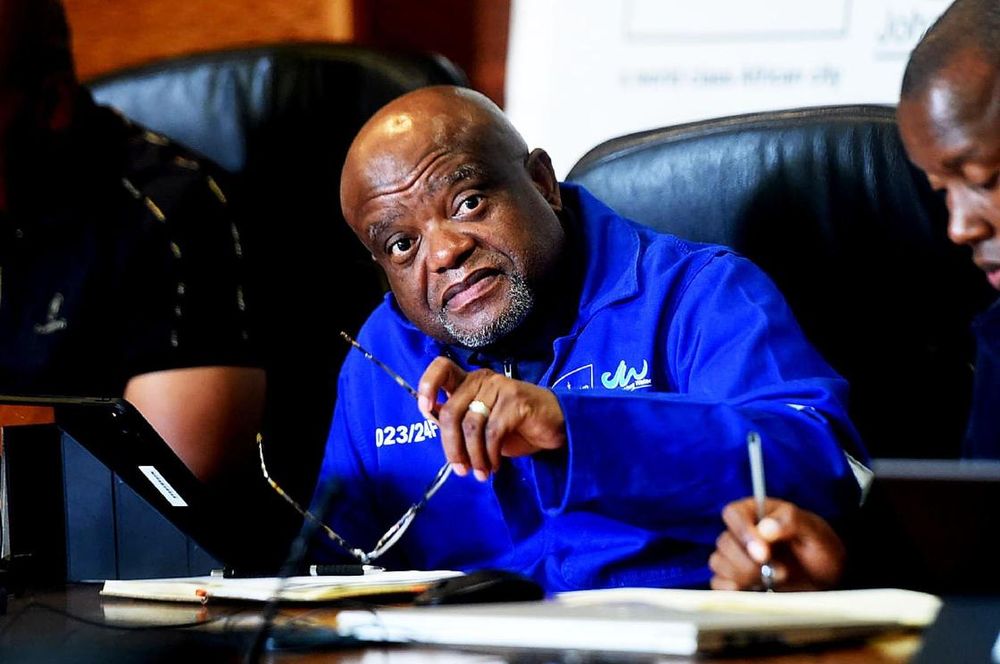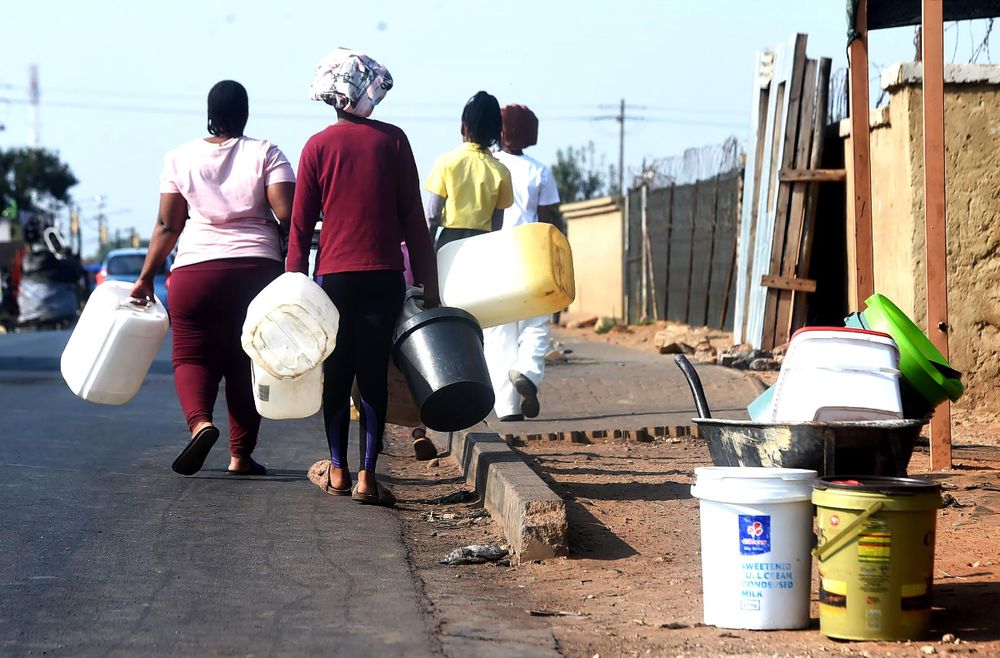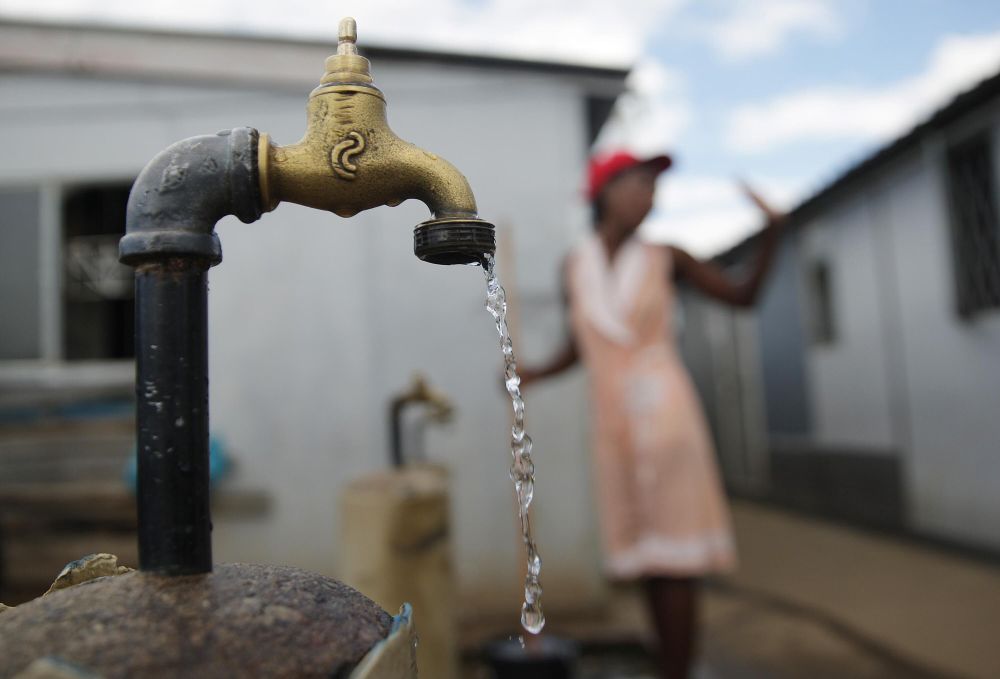
The office of the auditor-general has warned that the City of Johannesburg is grappling with audit regression rooted in weak financial controls, poor record-keeping and ineffective oversight. The warning reinforces concerns already raised by the Treasury about the metro’s deteriorating financial management. The Treasury previously warned that Joburg had overestimated revenue, underestimated expenditure and tabled an unfunded budget, raising the risk of further unauthorised spending.The metro has suffered R5.7bn in electricity losses, R2.8bn in water losses, R2.38bn in unauthorised expenditure and R3.69bn in irregular expenditure.Briefing the standing committee on public accounts on the city’s 2024/25 audit outcome on Tuesday, Auditor-General of South Africa (AGSA) Gauteng business unit leader Fhumulani Rabonda said the city’s separate municipal financial statements received a qualified audit opinion, while the consolidated group financial statements received an unqualified audit opinion with findings.Rabonda said the difference was because the city operates as a group structure, with the core municipality and several municipal entities each producing separate financial statements before these are consolidated into one set of group statements.He said the core municipality’s misstatements were material when assessed on their own but were no longer material when measured against the larger consolidated group figures. “[For] the individual municipality, what we informally refer to as the core, the audit outcome for the current year is qualified,” Rabonda told MPs.The qualified opinion is based on sundry debtors and expenditure cut-off. On sundry debtors, Rabonda said the city cannot provide sufficient evidence to support some receivables, including who owed the money and why the amounts were due.Read: Joburg metro welcomes JSE bond reinstatement as confidence boost amid financial pressuresOn expenditure cut-off, he said some expenditure was recorded in the wrong financial year, pointing to weaknesses in basic financial discipline, daily reconciliations and management controls.The presentation said the city’s core regressed to a qualified opinion, with “persistent control and reporting weaknesses” escalating into material misstatements and audit qualifications.Rabonda said the consolidated outcome should not create comfort because most of the city’s entities remain in what the AGSA described as “false assurance”.City Power and Johannesburg Water have been in the category of unqualified with findings for 13 years, while Pikitup has been there for 10 years. Rabonda said this means the entities are producing credible financial statements but still have material findings on compliance with legislation or performance reporting.“We cannot be comfortable with an environment that has good financial statements, but they are not complying with the law, or their performance report has got material misstatements,” he said.The AGSA also flagged large water and electricity losses across the group. City Power recorded material electricity losses of 30%, amounting to R5.7bn. Of this, R3.9bn relates to non-technical losses, including theft, bypassing of meters, illegal meter calibration, damaged meters, faulty transformers, billing errors and customers without meters.Johannesburg Water recorded material water losses of 45%, amounting to R2.8bn. Of this, R2bn related to leaks, while R790m was attributed mainly to illegal connections, metering inaccuracies and billing errors. Rabonda said the 45% water loss figure requires closer attention to infrastructure maintenance and controls.We cannot be comfortable with an environment that has good financial statements, but they are not complying with the law, or their performance report has got material misstatements.— Fhumulani Rabonda, AGSAThe presentation also shows that the city group recorded losses from debtors written off of R9.5bn, while the municipality alone recorded R2.3bn. Rabonda said much of this relates to consumers who used municipal services but did not pay, with the city unable to recover the money.The city group operated with an unfunded budget, while its capital expenditure budget was below the National Treasury norm. The group budgeted 9% for capital expenditure, below the 10%-20% norm, while maintenance expenditure was 4%, below the 8% norm.Rabonda said the unfunded budget means the city planned spending against unrealistic revenue targets. This contributed to unauthorised expenditure because the city incurred expenditure for which funding had not been secured.The AGSA recorded unauthorised expenditure of R2.38bn and irregular expenditure of R3.69bn. Fruitless and wasteful expenditure of R943m at group level in 2024/25 was up from R322m the previous year.Rabonda said much of the fruitless and wasteful expenditure related to penalties and interest caused by late payments to suppliers, as well as some ICT-related expenditure where the city did not receive value for money.The city owed R3.1bn in arrears to Eskom and water boards, while its Moody’s credit rating remained unchanged at Caa2.The AGSA raised concerns about the quality of the city’s performance reporting. The presentation said the city achieved only 40% of its sustainable service delivery targets and 36% of its infrastructure development and refurbishment targets.Rabonda said AGSA could not obtain reliable information to support reported performance for the average number of Rea Vaya passenger trips per working day. He said the data came from transport systems used to record passenger trips, but the information was not reliable enough to support the reported achievement.It found other material misstatements in the annual performance report submitted for auditing, which were corrected during the audit process. This means the city may have been monitoring performance during the year using unreliable information before the audit identified the errors.It also found persistent noncompliance with legislation, including failures to prevent unauthorised, irregular, fruitless and wasteful expenditure, failures to pay suppliers within 30 days, weaknesses in consequence management and procurement failures.Rabonda said deviations from normal procurement processes were approved in instances where there was no justifiable reason to deviate or where the deviation resulted from poor planning.The presentation said deviations from competitive bidding were approved without exceptional, emergency or impractical circumstances, contrary to municipal supply chain management regulations. It also found that contract performance and monitoring measures were not in place.Rabonda said consequence management remained weak despite the existence of the Municipal Public Accounts Committee and a disciplinary board. He said investigations into unauthorised, irregular and fruitless and wasteful expenditure were delayed, backlogs persisted, and disciplinary and recovery action was not consistently pursued.The AGSA also warned that the city’s ICT control environment had regressed and requires intervention. Rabonda said ICT should not be treated as a secondary issue, because it underpins billing, revenue collection, service delivery information and financial reporting.He said the AGSA found weak IT project governance, delayed or failed system implementation, ineffective contract and service-level agreement management, unsupported payments, overlapping contracts and excessive reliance on service providers.Rabonda said the city had 21 material irregularities over previous years. Of these, 14 have been resolved, five are subject to action being taken by the accounting officer, and two are still being assessed by the AGSA.The overall message is that political and administrative instability has weakened accountability and performance in the city. While council and mayoral structures remain functional, the AGSA said ineffective oversight and unstable governance arrangements resulted in inconsistent oversight over service delivery.At the administrative level, instability in the city manager position, vacancies in finance, a vacant chief audit executive post and other key vacancies affected institutional performance.“The overall control environment remains weak,” the AGSA said in its presentation.It said management failed to implement adequate preventative and detective controls, resulting in poor record-keeping, weak review processes, ineffective risk management and delayed responses to audit findings.
Joburg faces R9.5bn bad debt amid audit regression
City's qualified audit highlights governance failures and growing fiscal pressure
1,187 words~5 min read