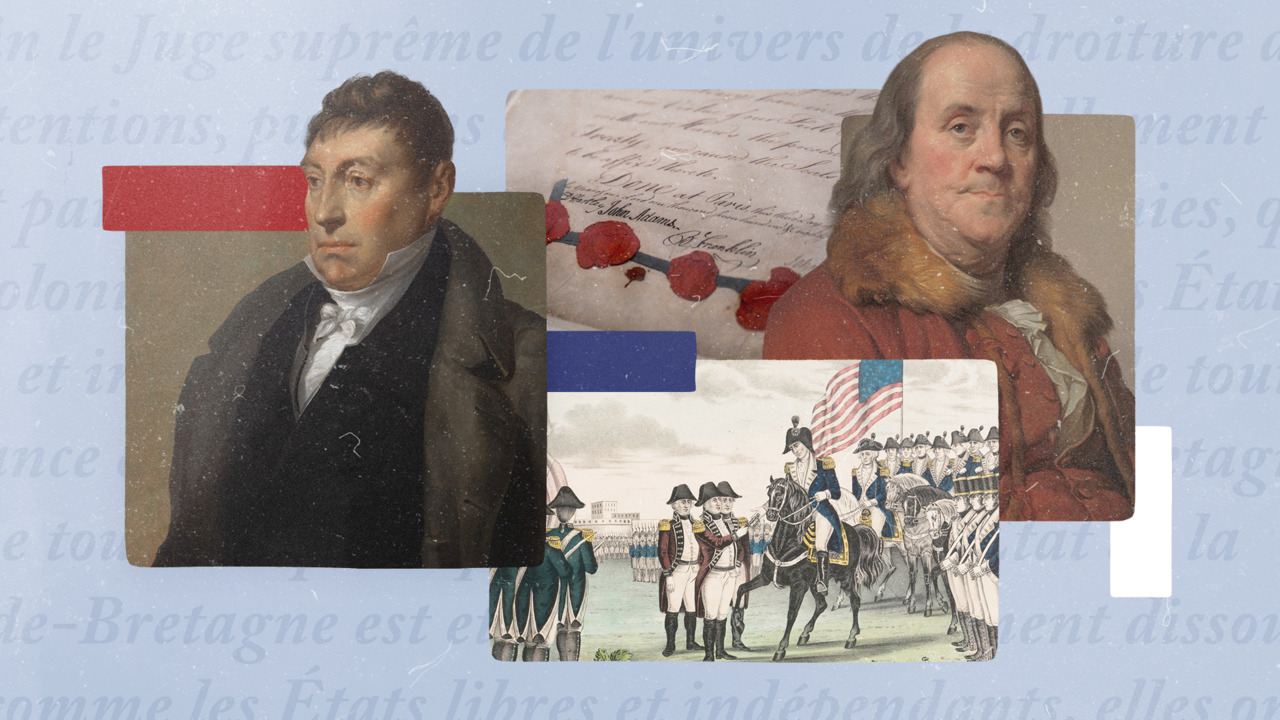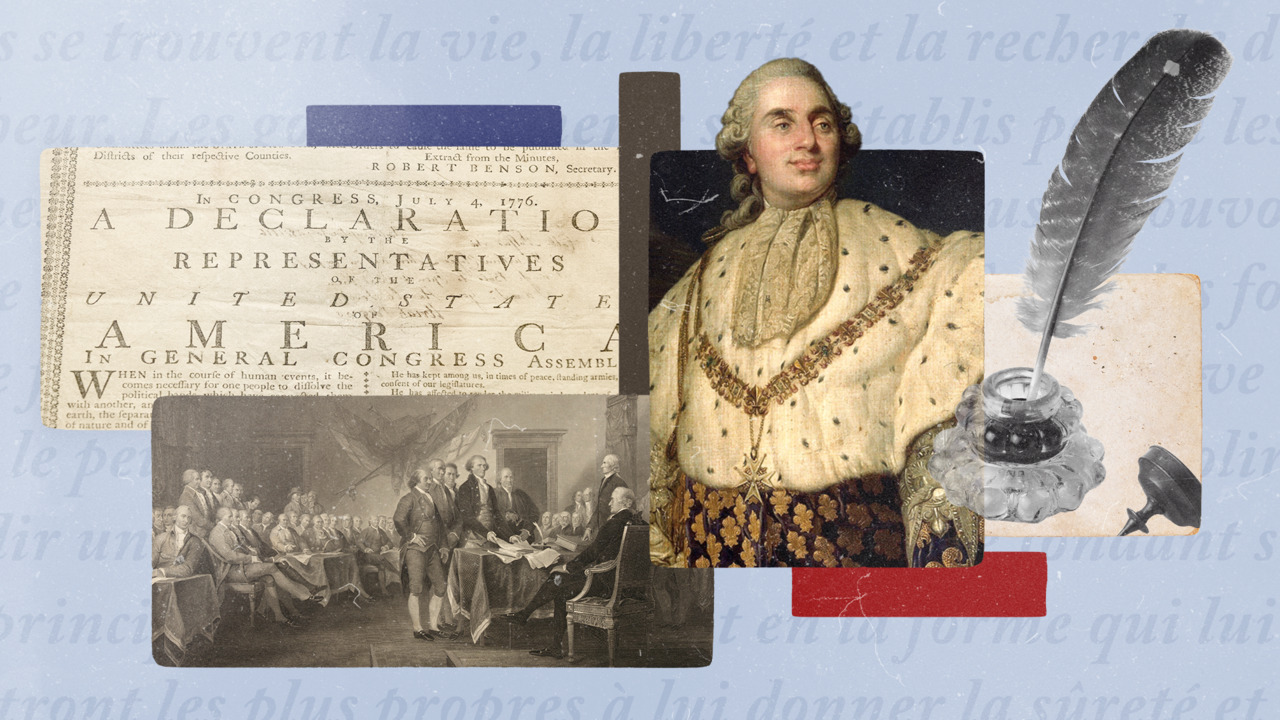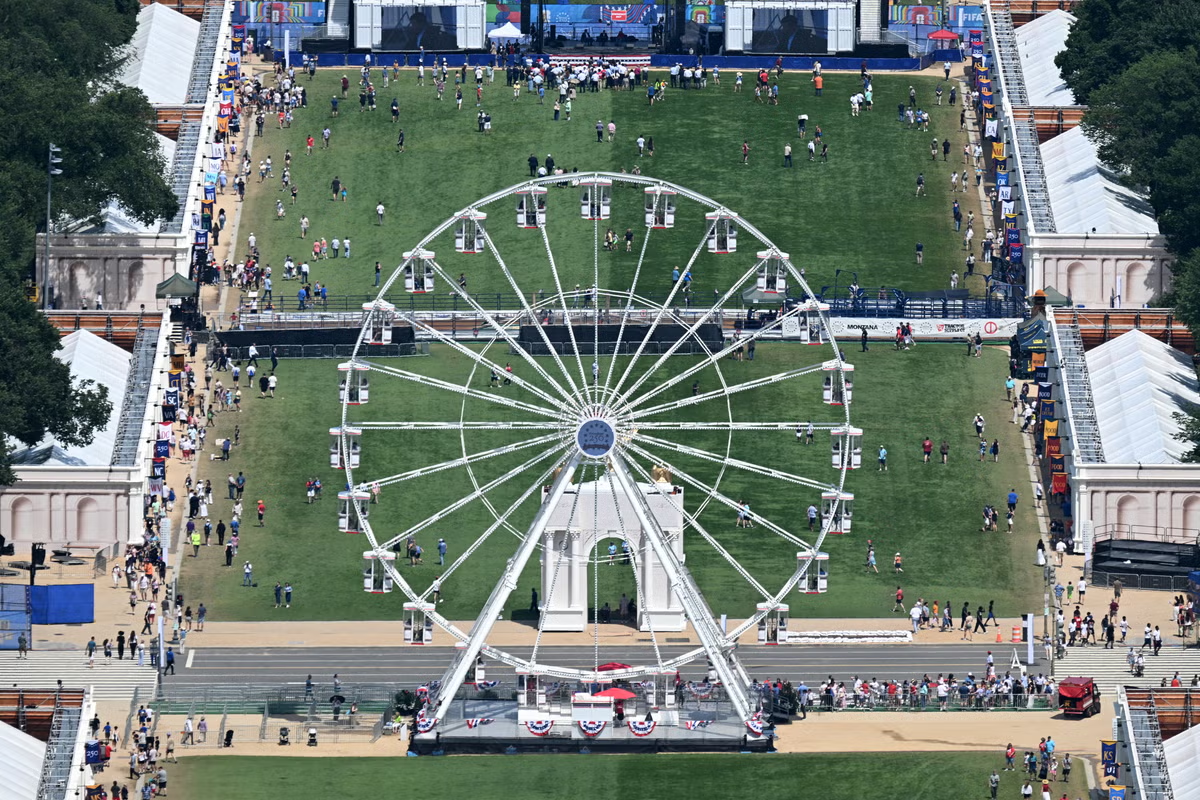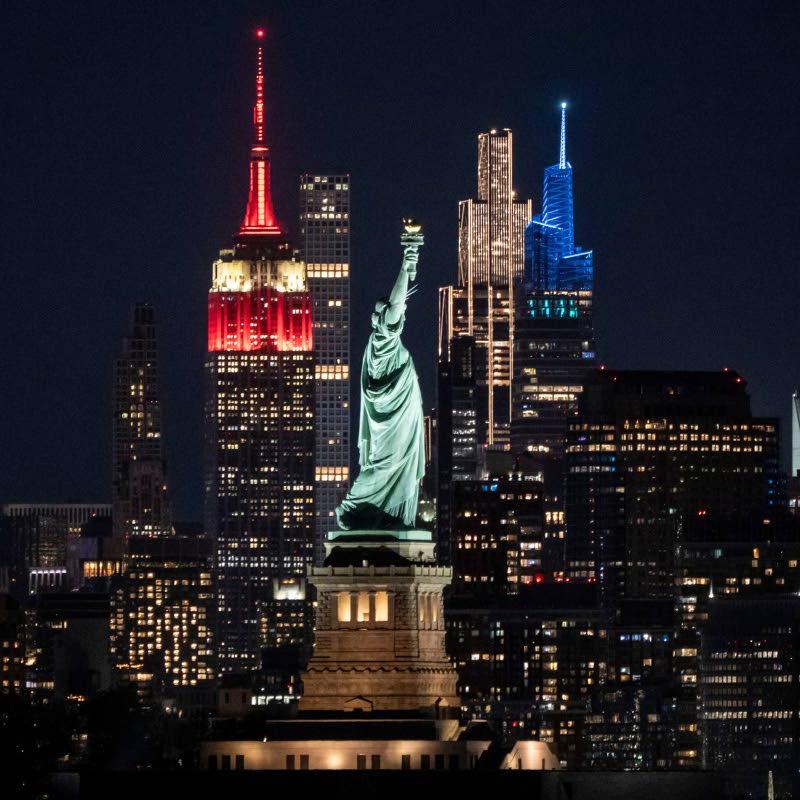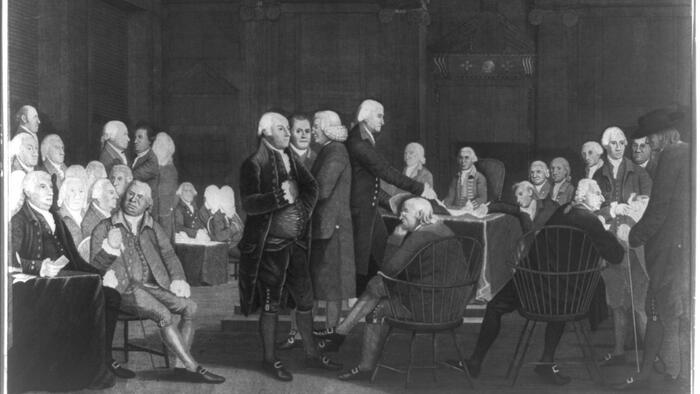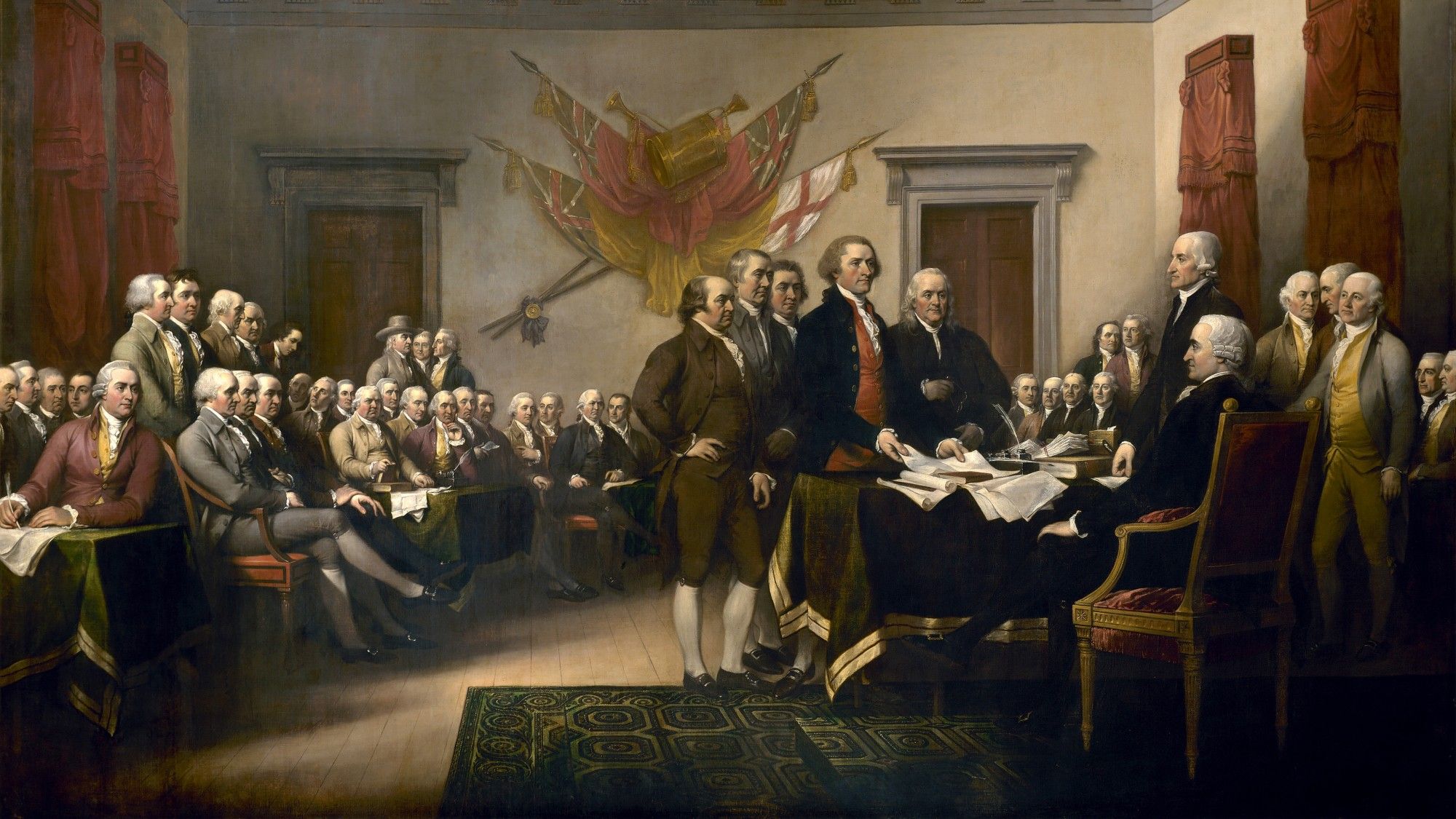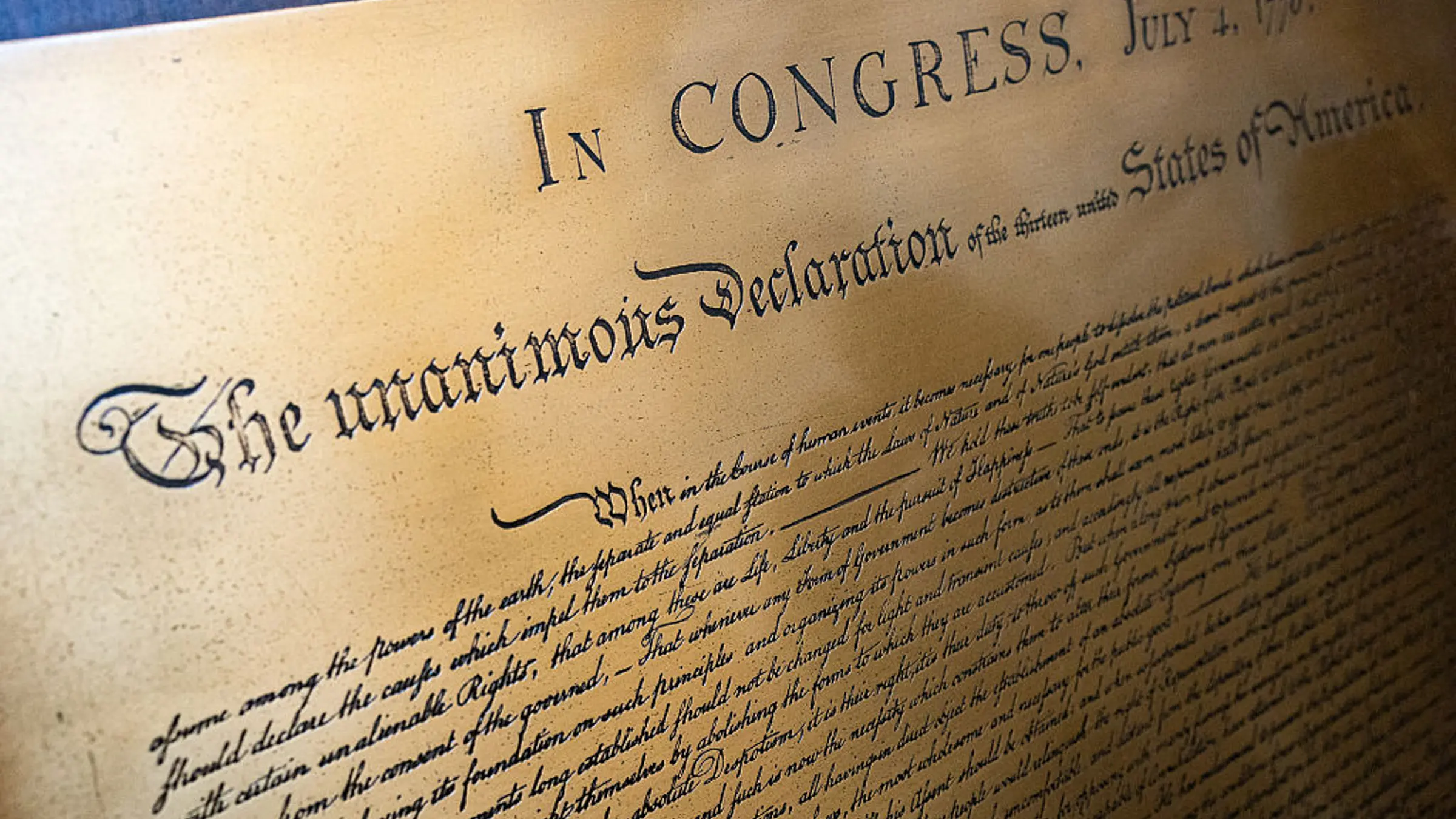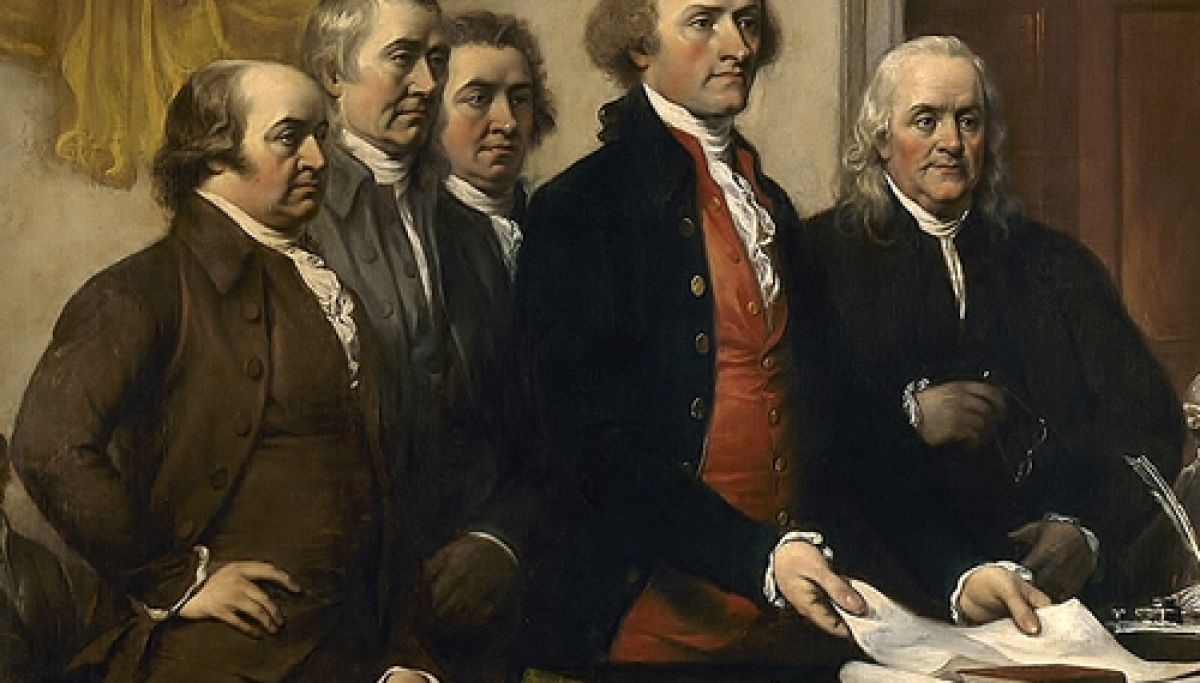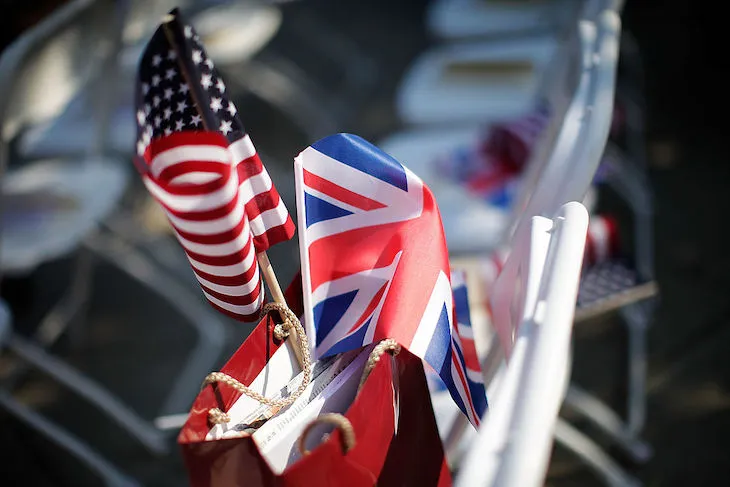
As the United States marks 250 years since the country’s unilateral declaration of independence, most of the 4 July celebrations have focused on the rebels. But Benjamin Franklin and Thomas Jefferson have hogged the limelight for too long. What about the American Loyalists, those who defied the intense social pressure and stayed loyal to the British Crown?
Loyalists were often bad writers who simply lacked the flair of radicals such as Thomas Paine
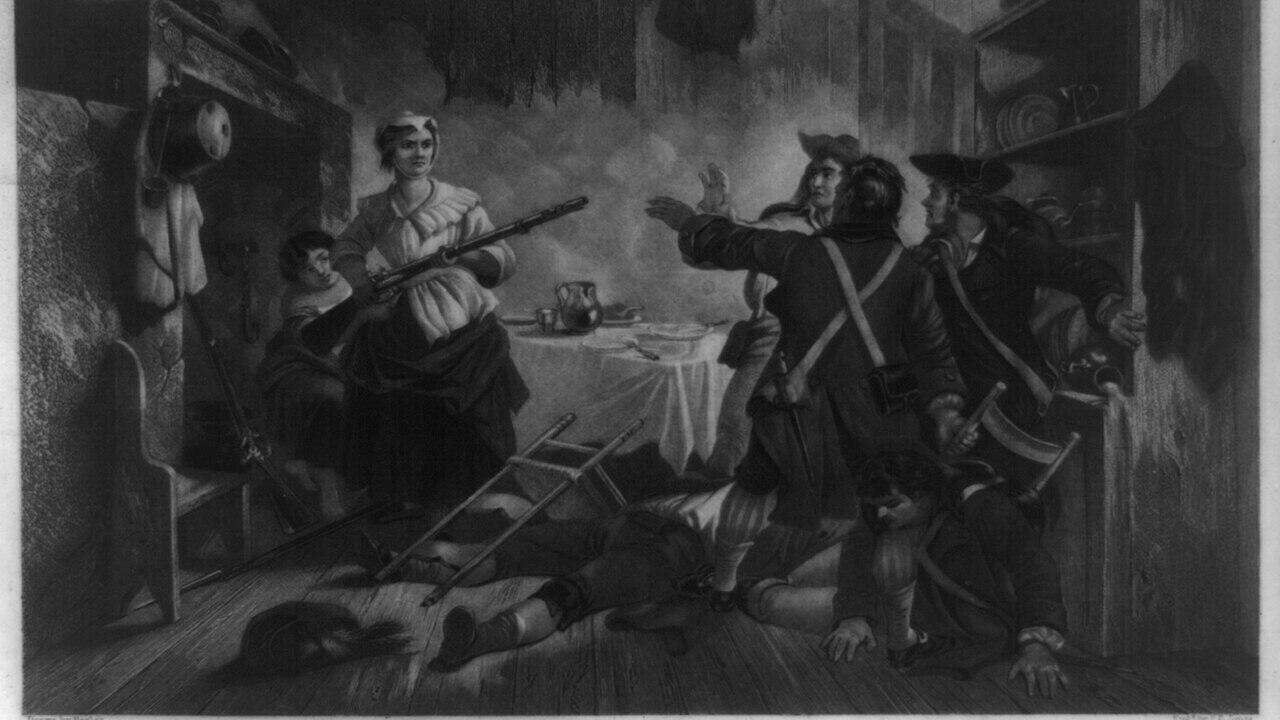
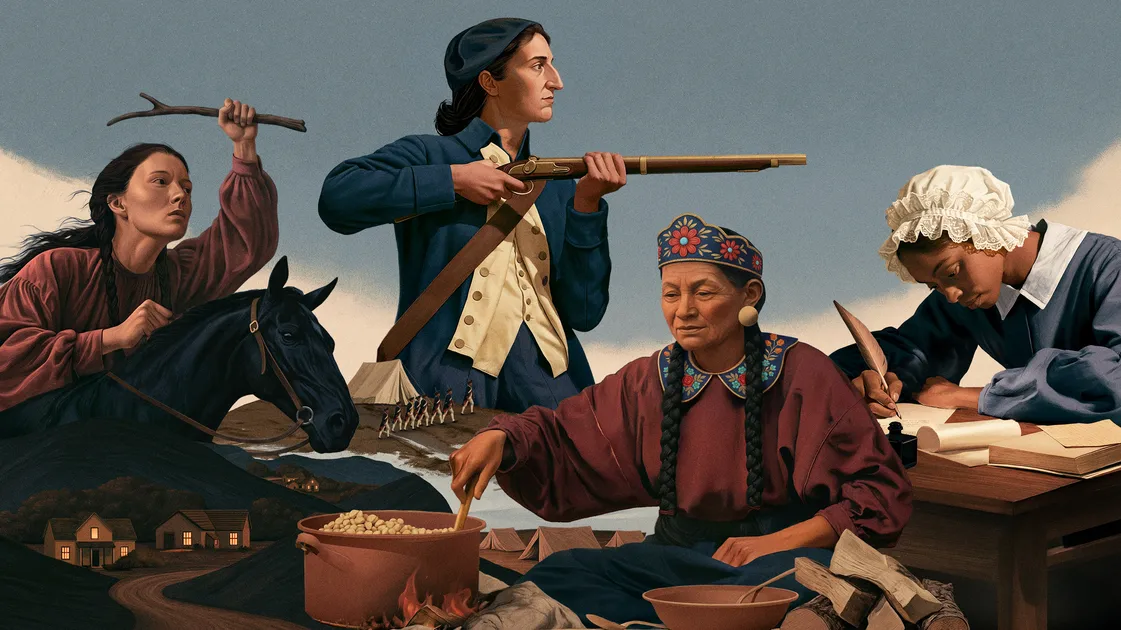
In popular imagination, the American Revolution was a contest between the Americans and the British. In reality, however, only about 40 per cent to 45 per cent of the colonial population joined the rebellion. Around a fifth stayed loyal. The rest backed neither side.
In many cases, the revolutionary divide split communities and families, with even some of the ‘Founding Fathers’ not being able to get all of their family on board with their radical politics. Benjamin Franklin’s son, William Franklin, is the most famous example. Imprisoned after refusing to support the rebellion as the Governor of New Jersey, he went on to lead the New York Loyalists after being freed as part of a prisoner exchange.
This ongoing support for Loyalism made sense, since there were good economic, constitutional, geopolitical, and religious reasons for many Americans to oppose separatism.