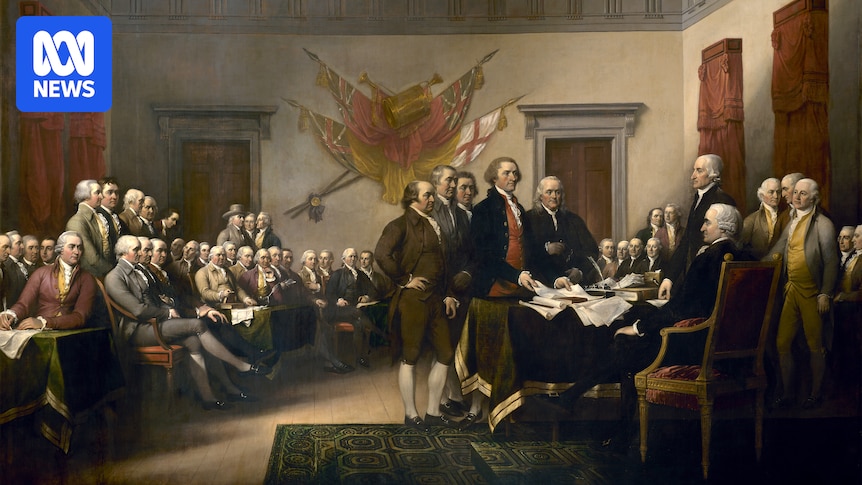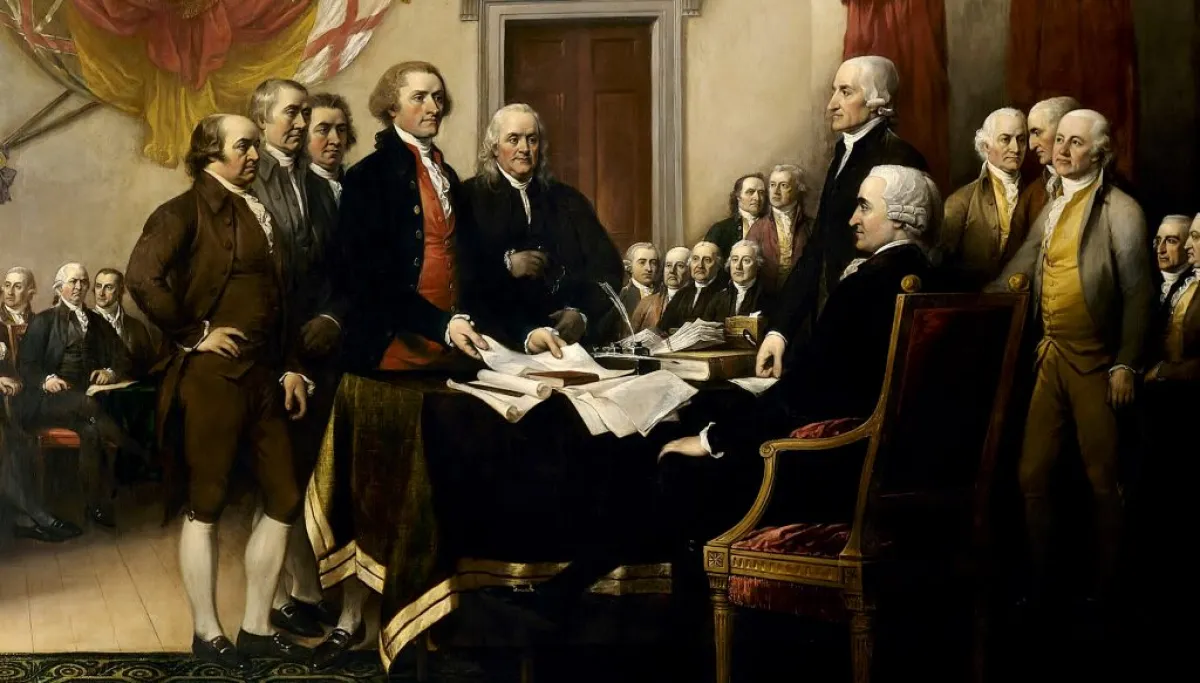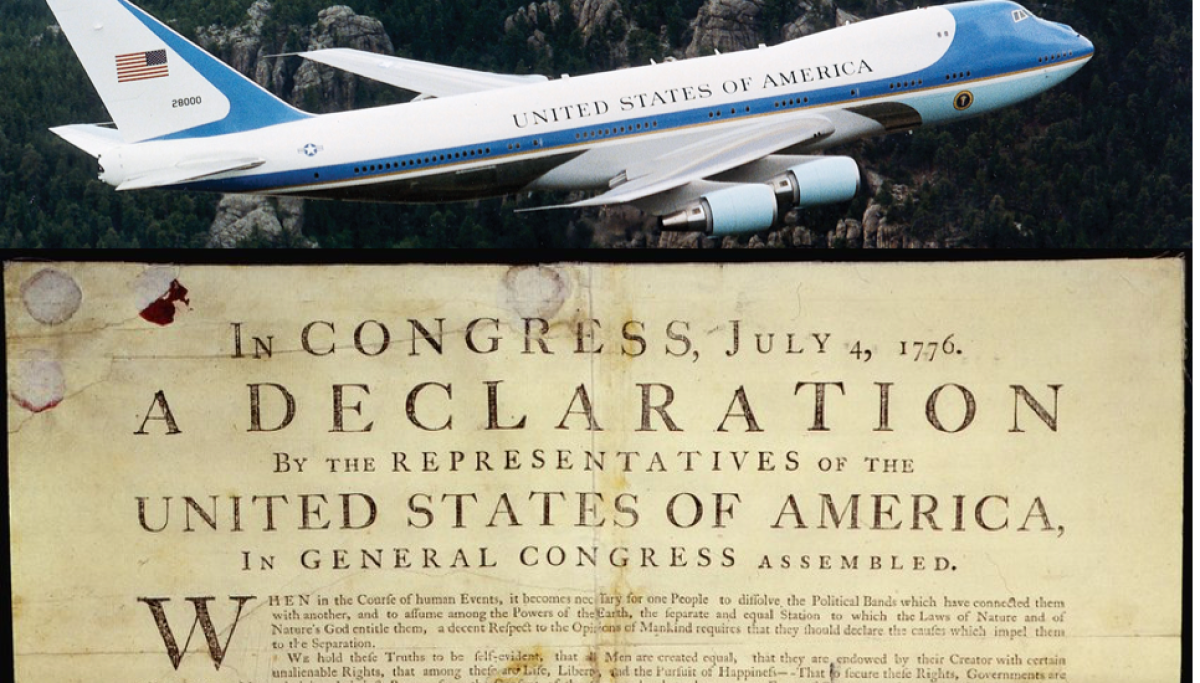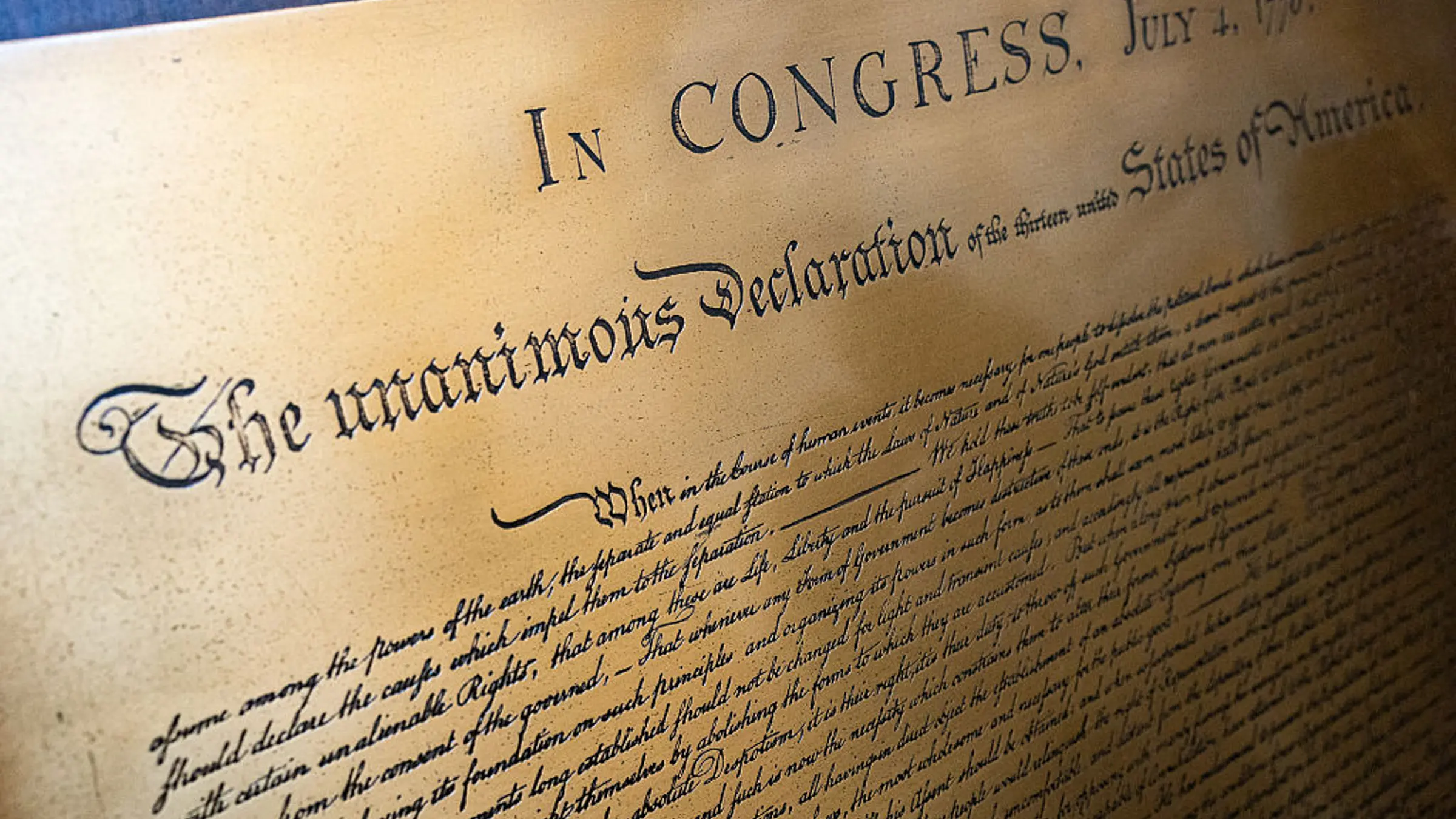
Americans will celebrate our 250th birthday this year on July 4, as we should. But such celebrations, perhaps unintentionally, have also drawn attention to our nation’s darkest failures—and raised new questions about how we can contend with the paradoxes of our painful past.
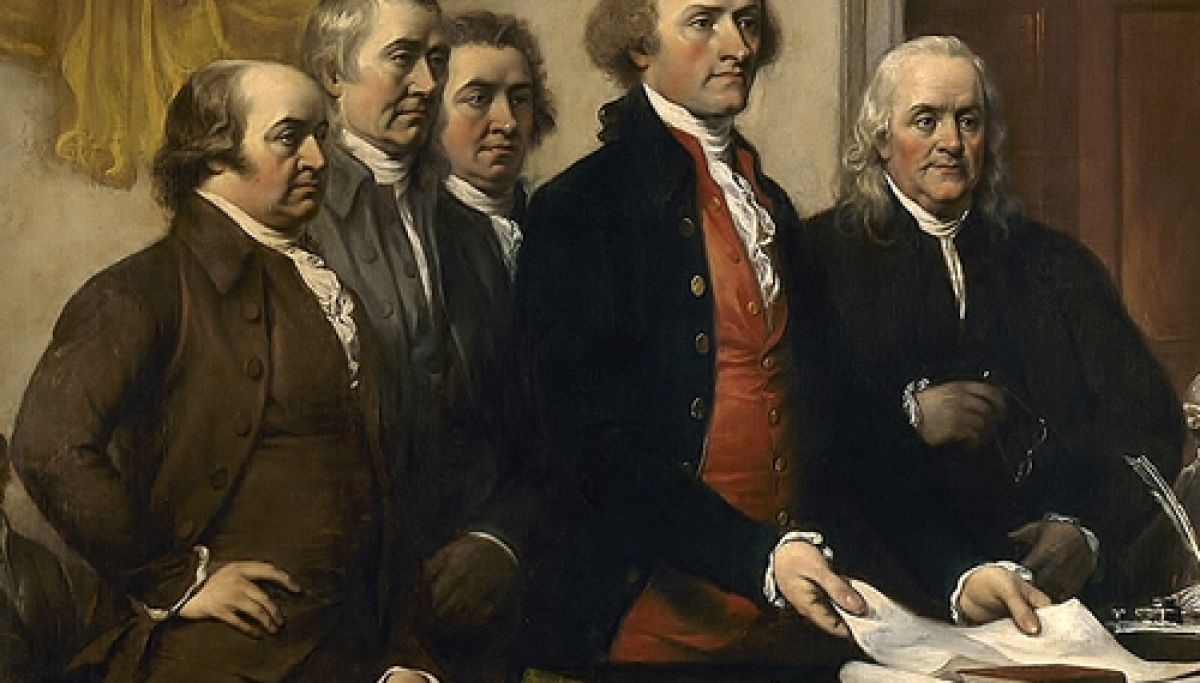
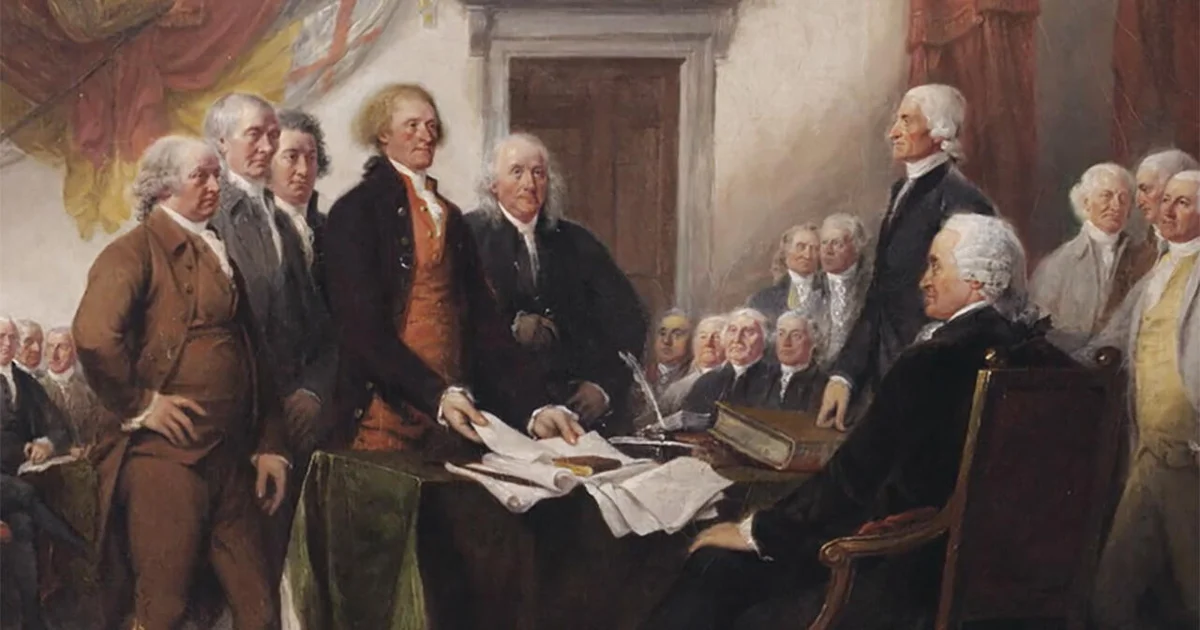
Take Thomas Jefferson. Although a slaveholder himself, he is rightly venerated for making an indelible case for the “inalienable rights to life, liberty, and the pursuit of happiness.” It is less well known that Jefferson twice unsuccessfully introduced legislation in the Virginia House of Burgesses to abolish the heinous institution of slavery that made his life comfortable. In Jefferson’s 1774 pamphlet, A Summary View of the Rights of British America, he wrote that “the abolition of slavery is the great object of desire in those colonies, where it was unhappily introduced in their infant state.” In the one book Jefferson wrote, Notes on the State of Virginia, he denounced the practice even though he never freed his own slaves. Should his hypocrisy erase the grandeur of the Declaration? No, because the principles proclaimed in the Declaration of Independence were always more important than a single man.
Jefferson always denied that he showed much creativity in writing the Declaration. He claimed merely to “place before mankind the common sense of the subject” of self-government. But what was that “common sense”? And where did it come from?