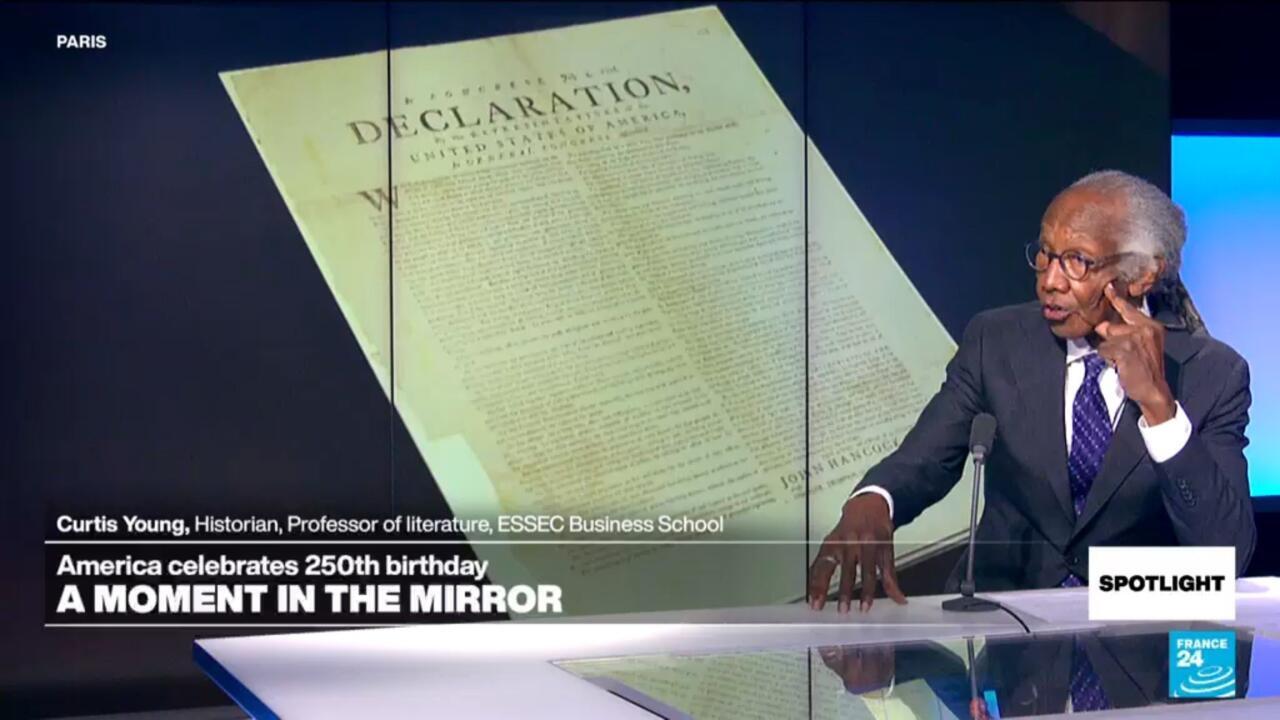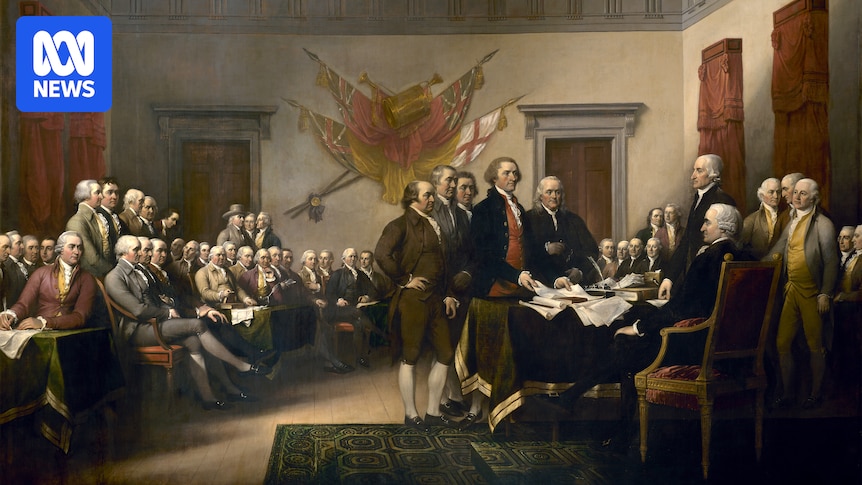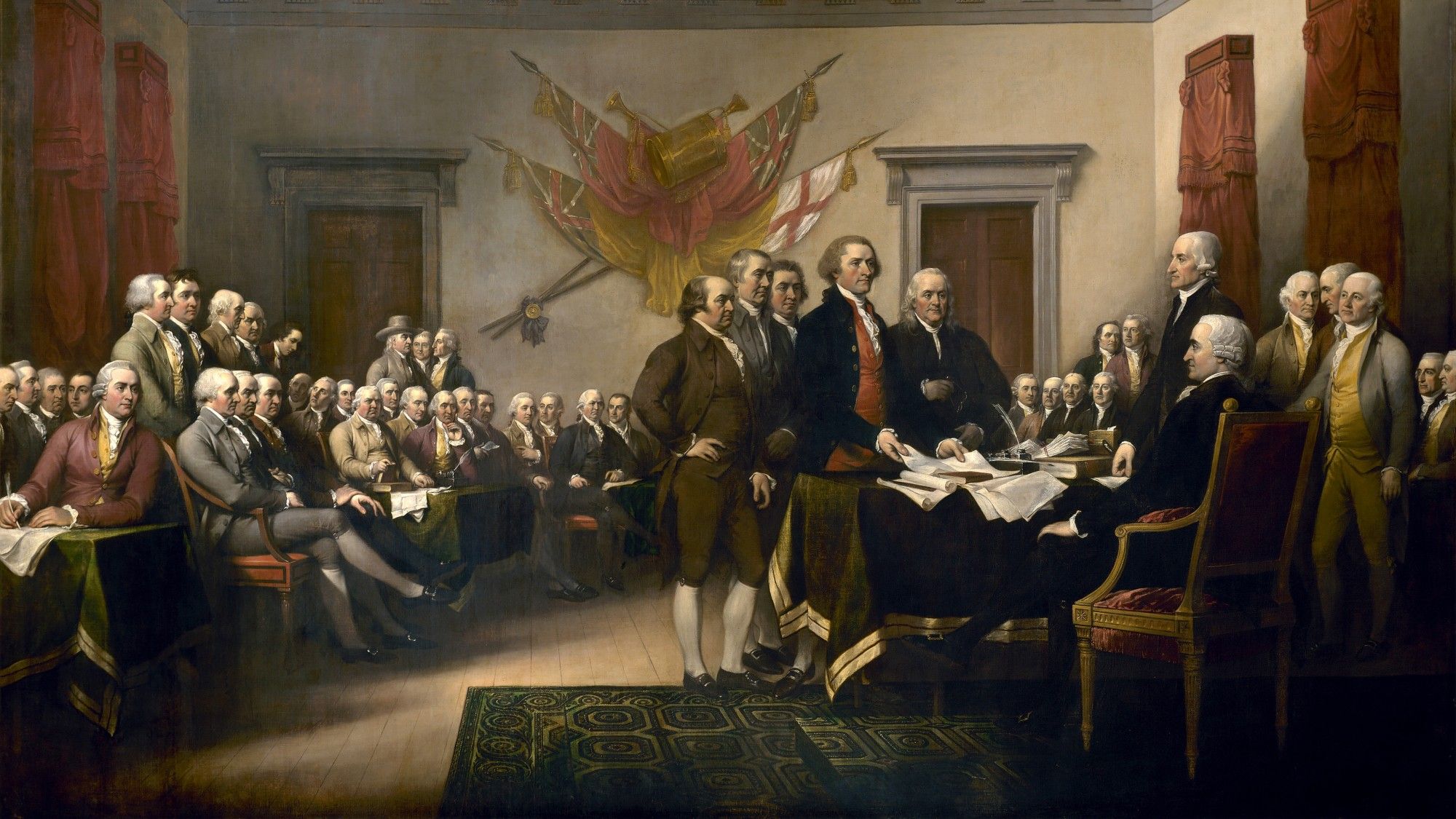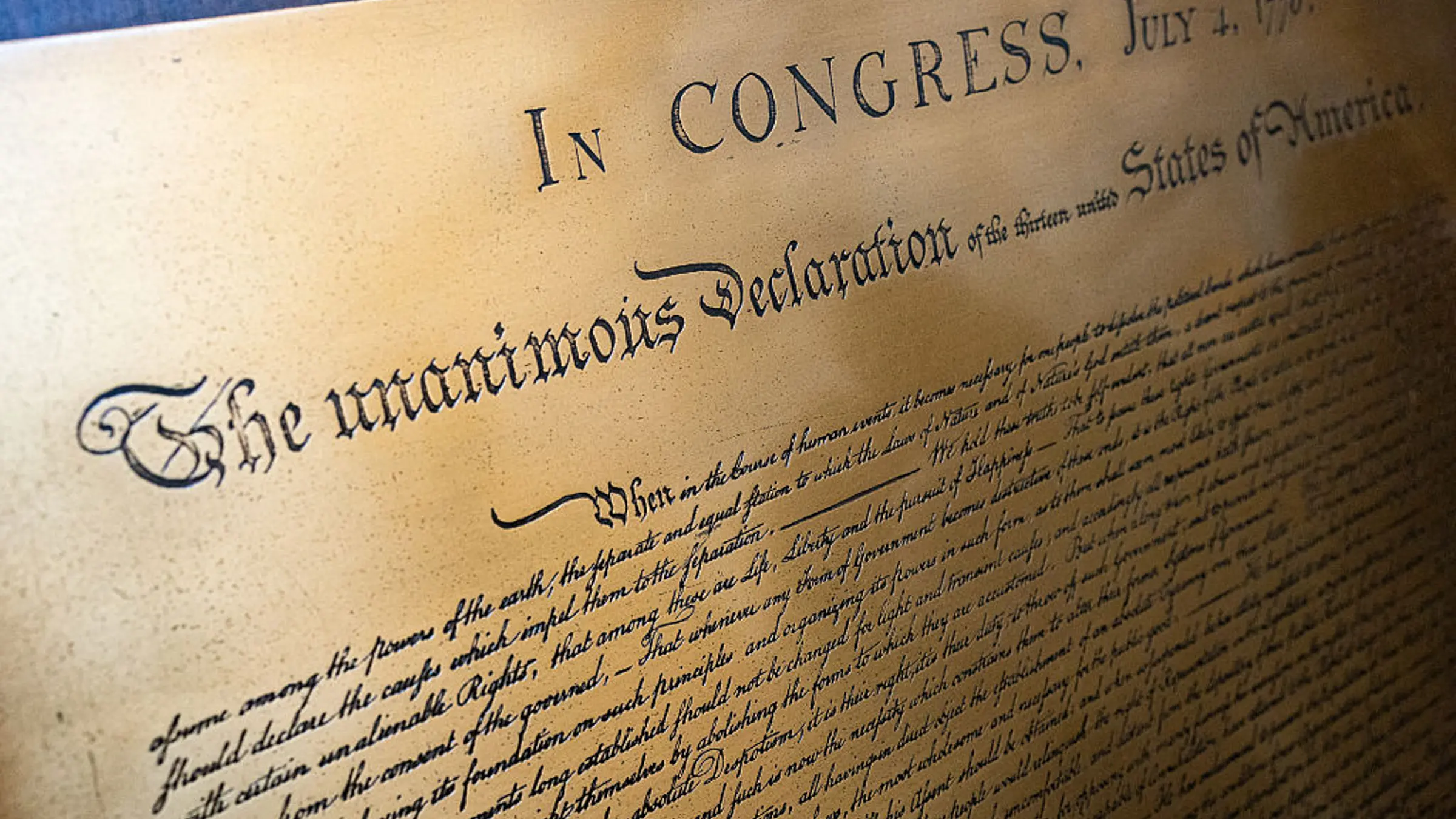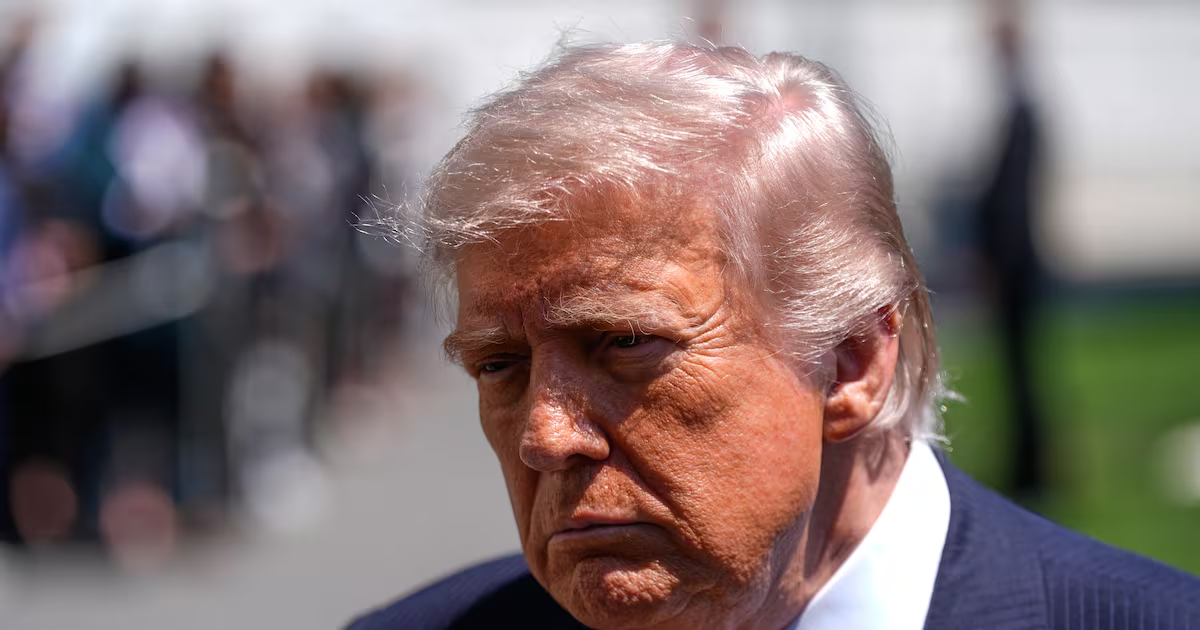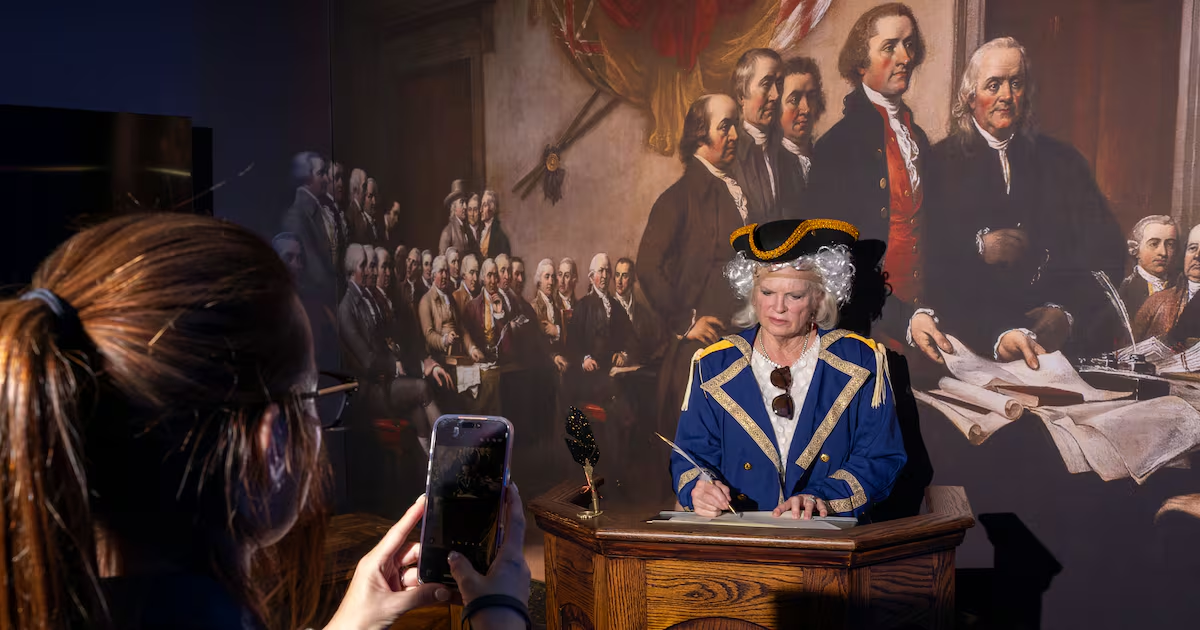
“We hold these truths to be self-evident, that all men are created equal, that they are endowed by their Creator with certain unalienable Rights, that among these are Life, Liberty and the pursuit of Happiness.” This most famous line in US history appeared in the Declaration of Independence, the 250th anniversary of which is being marked this weekend. Americans typically celebrate July 4th with hot dogs, fireworks and baseball. But today under the reign of Donald Trump – a president who rules as if he were a king – there is an opportunity to reflect on how a nation’s founding principles have often served as a source for the democratic renewal that is desperately needed now. The declaration turned what had been a rebellion against the British Empire by 13 of its North American colonies into a war for independence. It created the United States. It detailed a list of specific grievances against King George III that justified breaking from his tyrannical rule. But its core assertions were striking in their universality: that “all men are created equal”, that their governments must respect basic individual rights, and that if they did not do so then the people could “alter or abolish it”. Because of its broad principles, the declaration inspired people around the globe. It was a model for the French Declaration of the Rights of Man adopted in 1789. In Ireland, it influenced generations of leaders who sought their own break from the British Empire. Both the Proclamation of 1916 and the 1919 Irish Declaration of Independence drew on the American example. Even the communist Ho Chi Minh based his 1945 Vietnamese declaration of independence on it. Statements of principle are well and good, but the history of the US has hardly been a wholly egalitarian one. The man who drafted the declaration, Thomas Jefferson, enslaved more than 600 people over the course of his lifetime. Jefferson wrote one of the first scientific racist tracts, seeking to justify this enslavement with dubious theories about the biological inferiority of people of African descent. In his practice if not in his principles, Jefferson bequeathed a legacy that restricted political freedoms to wealthy white men.But the declaration nevertheless proved a wellspring for Americans with egalitarian aims. In 1852, the great African American abolitionist Frederick Douglass gave an Independence Day address, “What to the slave is the Fourth of July?” He demanded that the declaration’s “great principles of political freedom and natural justice” be extended to African Americans. Until they were, Douglass told his white audience, on July 4th “you must rejoice, I must mourn”. Feminists broadened the declaration’s principles to include full citizenship for women. The 1848 Seneca Falls declaration, adopted at the first feminist convention held in the US, rewrote Jefferson’s words to read “All men and all women are created equal”, followed by a list of grievances against the tyrannical rule of men over women.Franklin Roosevelt drew on the declaration throughout his presidency. He updated its principles to include economic egalitarianism, asserting that the government needed to provide its citizens with a basic standard of living if they were to truly enjoy the “pursuit of happiness”. He campaigned against the “economic royalists” who sought to hoard wealth and power for themselves. And in his famous “I have a dream” speech at the 1963 March on Washington, Martin Luther King appealed to the declaration. Its “magnificent words”, King claimed, amounted to a “promissory note” that African Americans would enjoy equal civil and political rights. King refused to “believe that the bank of justice is bankrupt”.You won’t find any mention of this history of struggle for greater democracy in the official July 4th celebrations by the Trump administration. Trump, who remains wilfully ignorant of American history, bizarrely kicked off the commemorations with a cage fighting match on the White House lawn on his 80th birthday on June 14th – conflating his own birth with that of his nation. Yet the more intellectually inclined members of Trump’s Maga movement recognise the declaration’s egalitarian potential and reject it. In a speech last month, vice-president JD Vance argued against “identifying America” with the “principles” outlined in the declaration. Doing so, he said, might include as Americans “maybe billions of foreign citizens” who agree with these ideas. Instead, Vance advances an ethnoracial understanding of American nationalism that would limit full American freedoms to a group sharing a common heritage. Implicitly, Vance seems to argue that the US should remain a nation ruled by white Christian men – as indeed it has been for most of its history. [ The US at 250 is an edgy, doom-stalked place, not much in the mood to celebrateOpens in new window ]While Maga seeks to turn back the clock on the extension of rights to people of colour, women, LGBTQ+ people and migrants, there are millions of Americans today who seek to fulfil the Declaration of Independence’s revolutionary potential. This July 4th will see another round of protests in locations across the country by the No Kings group, a decentralised organisation that in its name effectively capitalises on memory of the American Revolution. Its website declares: “This is America, and power belongs to the people – not to wannabe kings or their billionaire cronies.” Previous No Kings protests have been among the biggest in American history. Trump, meanwhile, has proclaimed that those who protest on July 4th are “people that hate our country” and that their demonstrations “will be met with big force”.Like seemingly everything in American politics these days, the legacy of the Declaration of Independence remains hotly contested. But the best thing that can be said for the document 250 years on is that its principles remain worth fighting for.
Daniel Geary: Legacy of the Declaration of Independence is the latest flashpoint in a divided America
You won’t find any mention of the struggle for democracy in the official July 4th celebrations by the Trump administration
952 words~4 min read