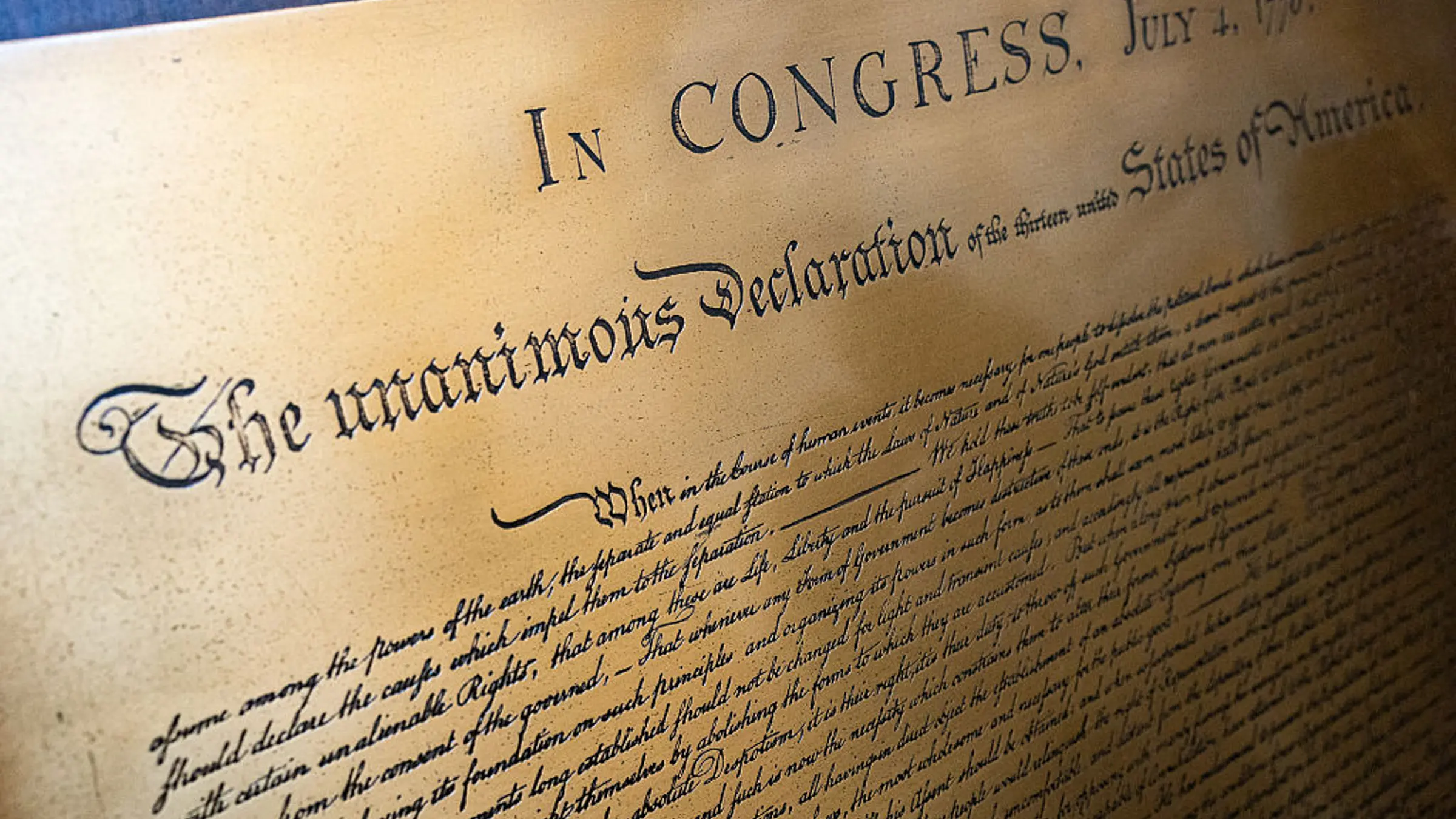
As we mark the 250th anniversary of the Declaration of Independence, our historical memory naturally favors the loudest, most immediate demonstrations of 1776. We celebrate the public readings in city squares, the ringing of bells, and the toppling of King George III’s statue in New York. Yet the most enduring lesson for a country once again debating the role of institutions comes from a colony that chose restraint over spectacle.The Revolution’s most instructive narrative regarding the preservation of ordered liberty belongs to a colony that backed independence early and unequivocally but chose to remain officially silent until October 1776: Connecticut.This brief delay was a profound reflection of Connecticut’s deep commitment to lawful process. It offers a timeless reminder that the legitimacy of self-government depends not just on the principles a people espouse, but on the institutional channels through which they act.
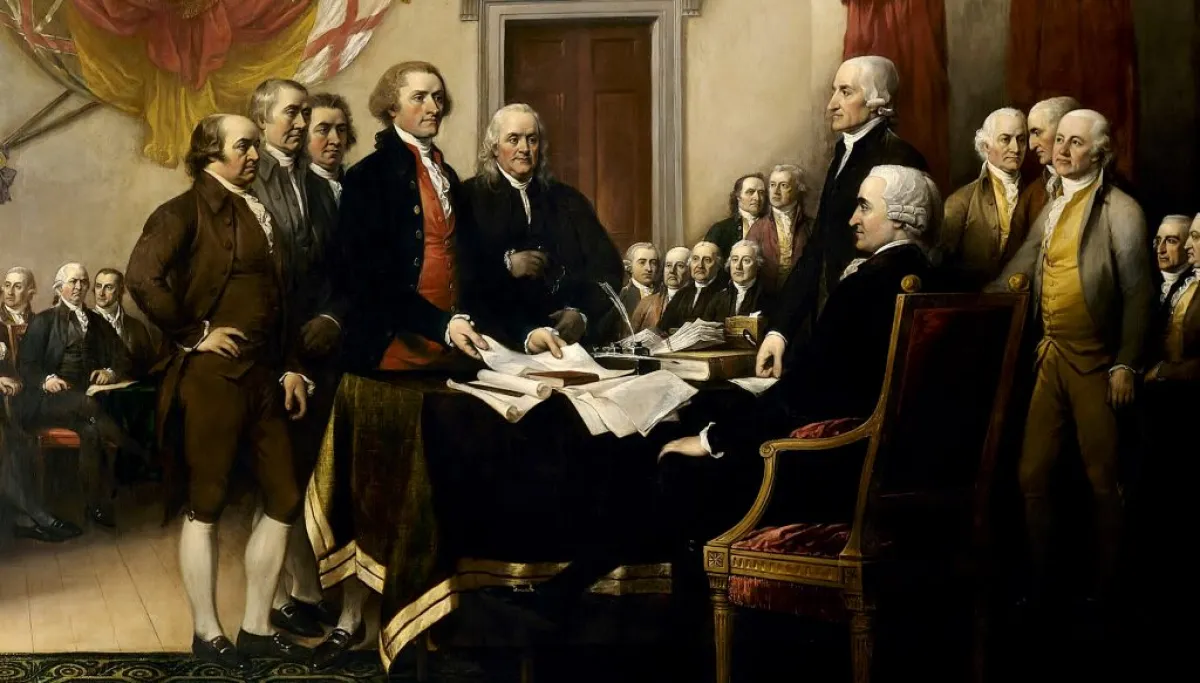
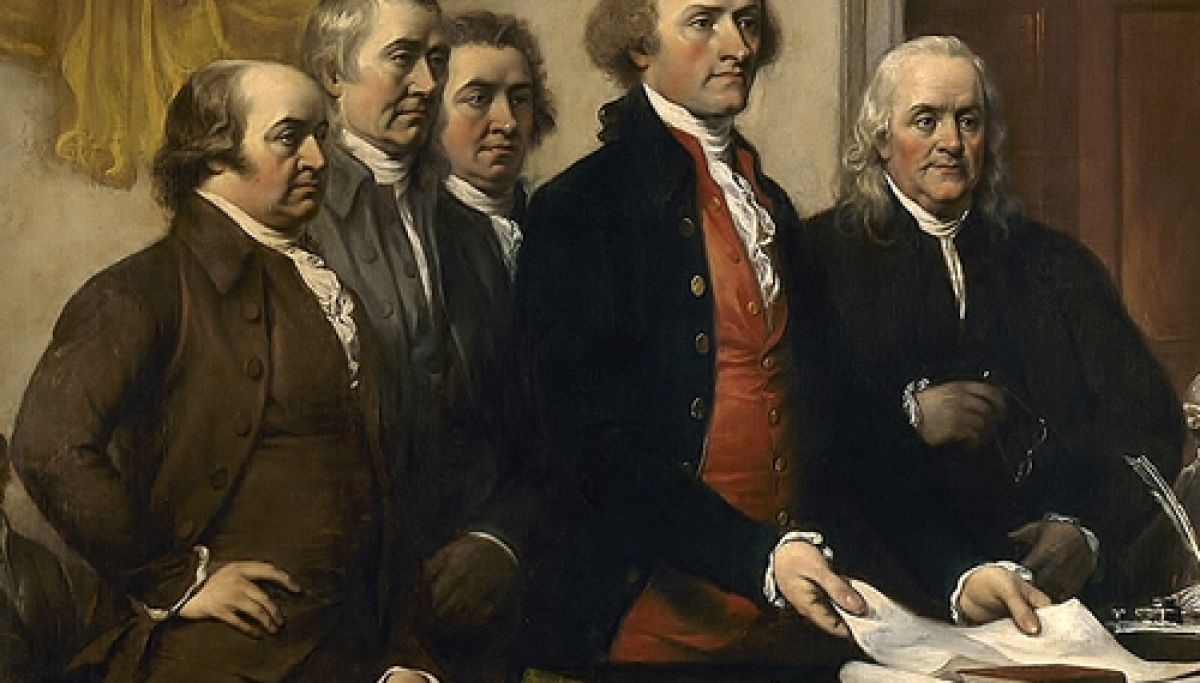
In June 1776, the Connecticut General Assembly unanimously instructed its representatives to the Second Continental Congress to declare independence from Great Britain. The instructions explained that because the British king and Parliament were “endeavouring to reduce us to an abject surrender of our natural and stipulated rights,” separation was essential for the “security and preservation of [our] just rights and liberties.” Connecticut’s representatives, Samuel Huntington, Roger Sherman, William Williams, and Oliver Wolcott, complied and signed the declaration on the colony’s behalf.Connecticut was the only colony where the declaration was not immediately proclaimed by the government or celebrated with official fanfare. Elsewhere, the document was read from courthouses and printed by executive order. Connecticut’s official response, by contrast, was remarkably restrained.John Trumbull’s 1818 painting of the Committee of Five presenting their draft of the Declaration of Independence to the Second Continental Congress in Philadelphia: John Adams, Roger Sherman, Robert Livingston, Thomas Jefferson, Benjamin Franklin (photo public domain).