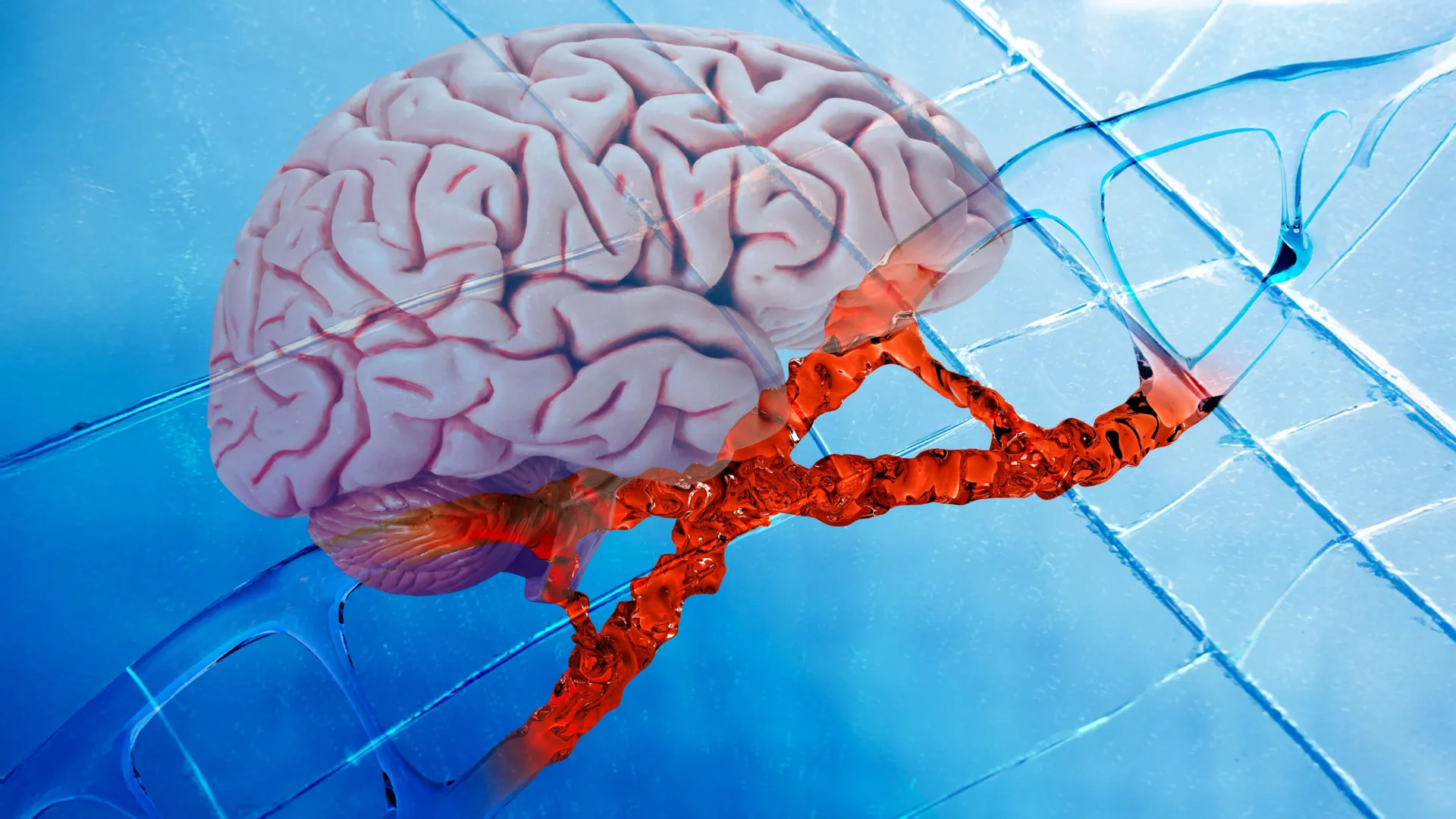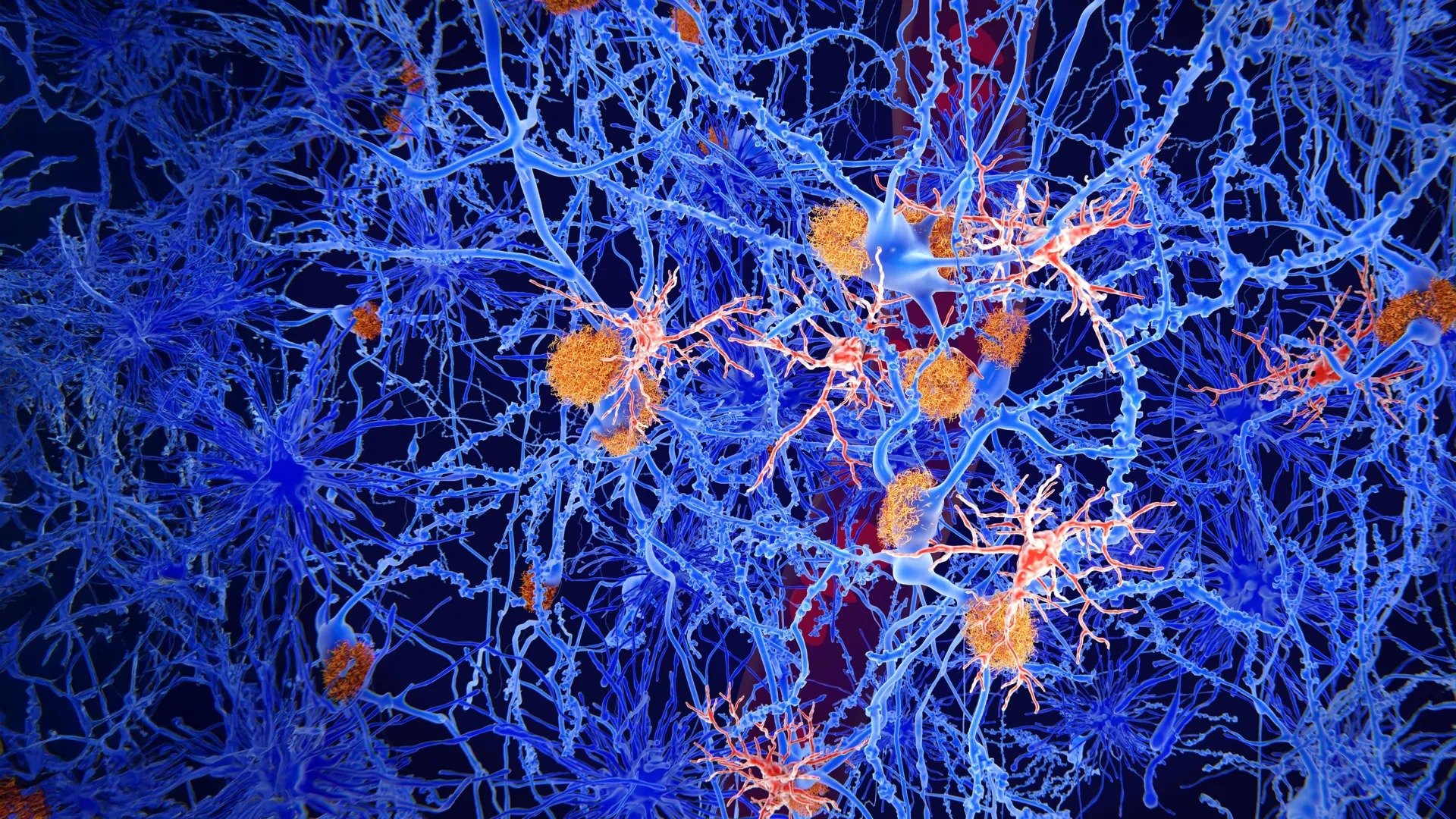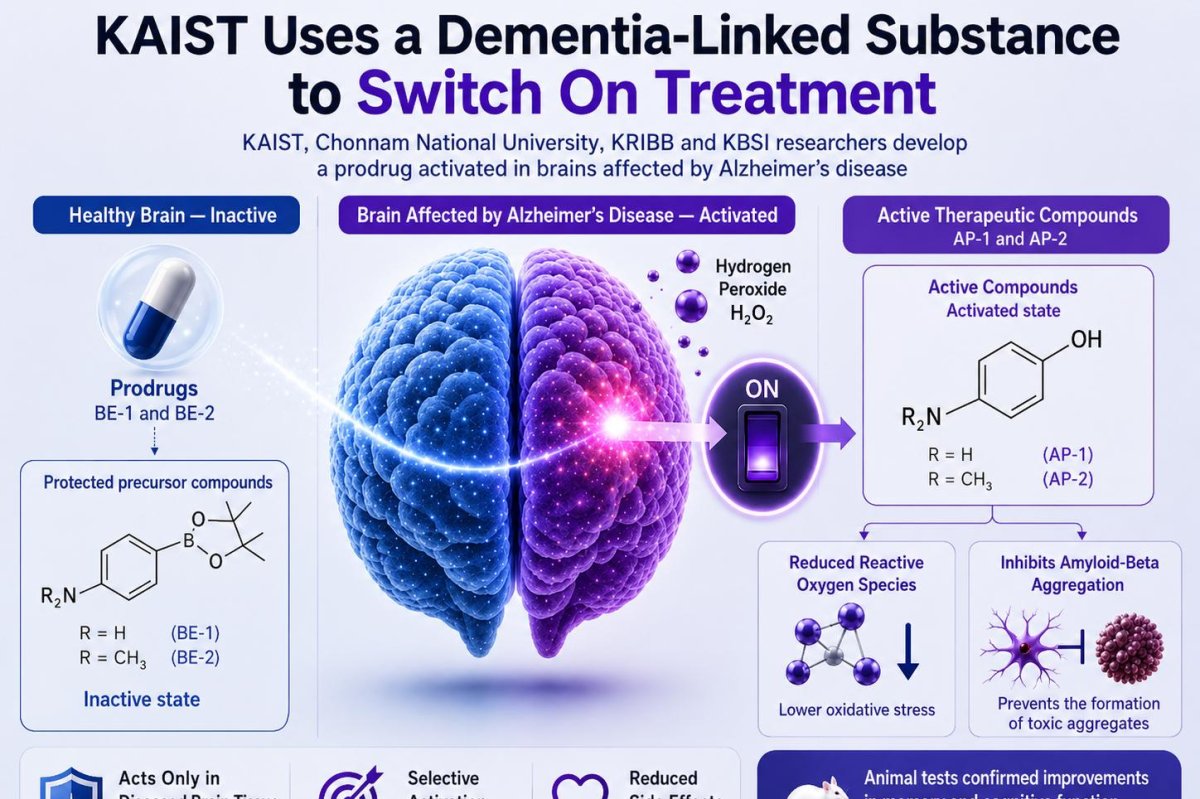
An AI-generated illustration depicts research into a disease-activated prodrug for Alzheimer’s disease. Data from KAIST. Graphic by Asia Today and translated by UPI
July 2 (Asia Today) -- South Korean researchers have developed an experimental prodrug that uses elevated hydrogen peroxide in brains affected by Alzheimer's disease as a signal to activate treatment, KAIST said Thursday.
The compounds remained largely inactive under healthy brain conditions but became active therapeutic agents after encountering hydrogen peroxide associated with Alzheimer's pathology. The researchers confirmed their effects in animal experiments.
The research was led by Mi Hee Lim, a professor in KAIST's Department of Chemistry. The university worked with research teams led by Min Geun Kim of Chonnam National University, Chul Ho Lee and Kyung Sim Kim of the Korea Research Institute of Bioscience and Biotechnology and Young Ho Lee of the Korea Basic Science Institute.
A prodrug is an initially inactive compound that converts into an active treatment only under specific conditions in the body.