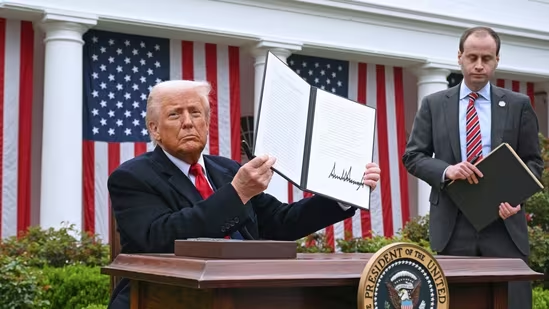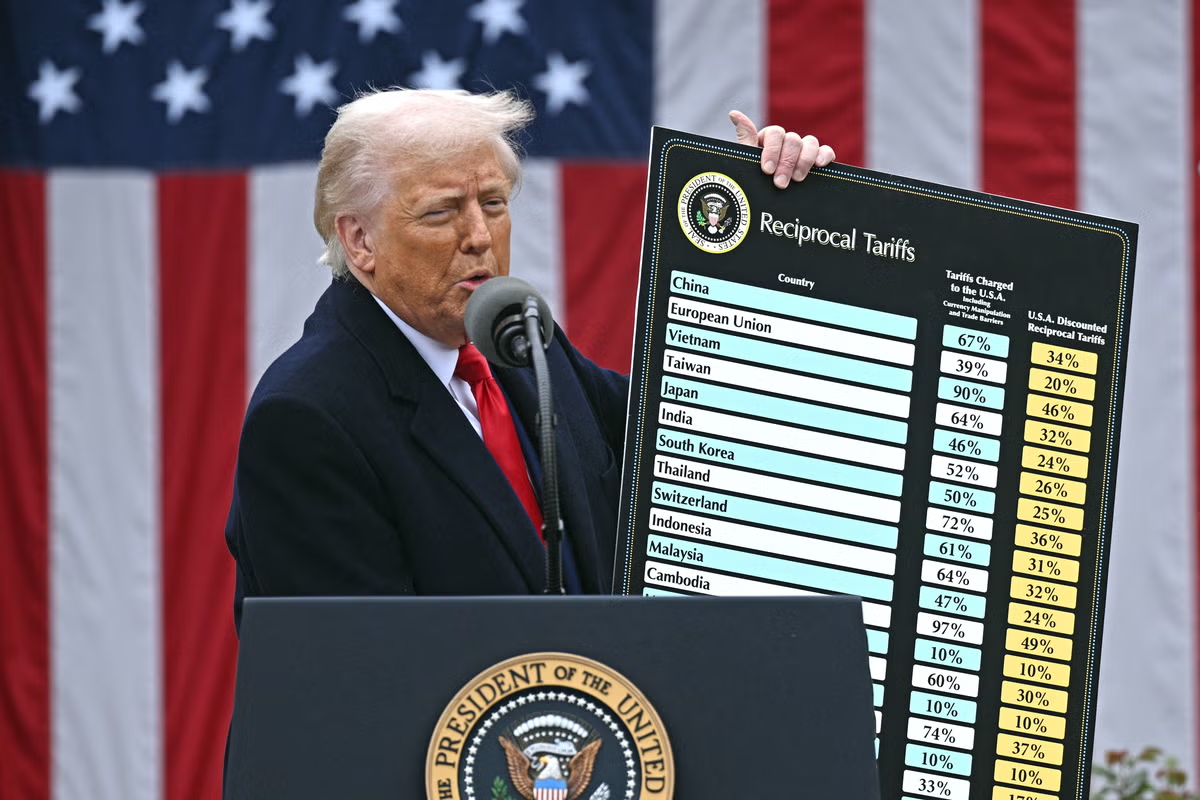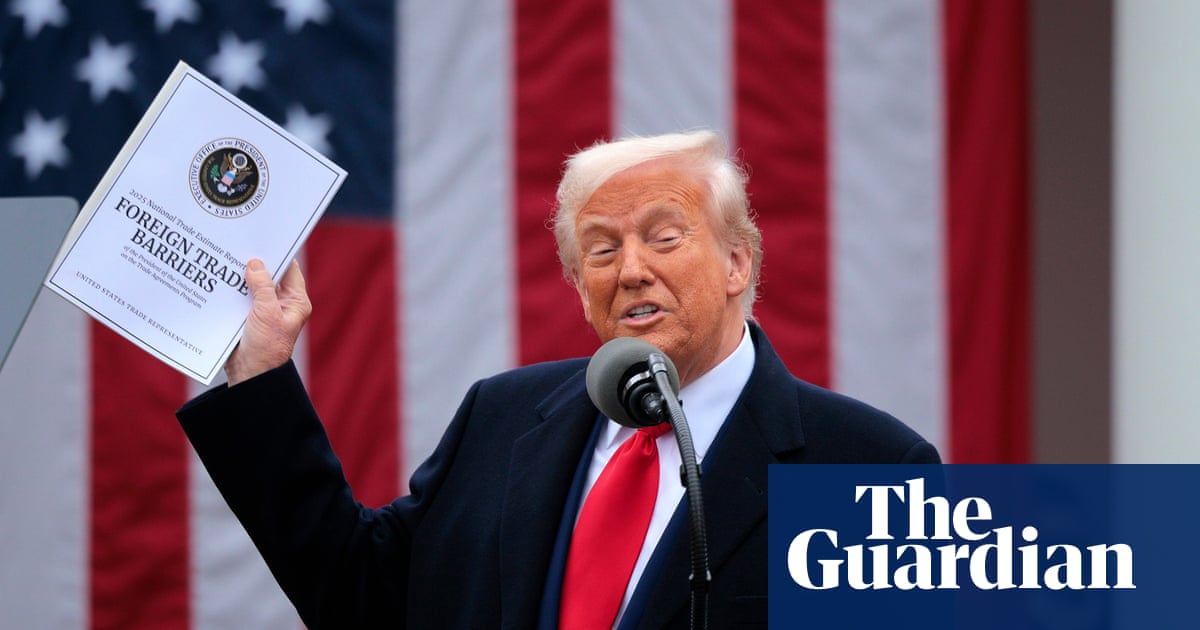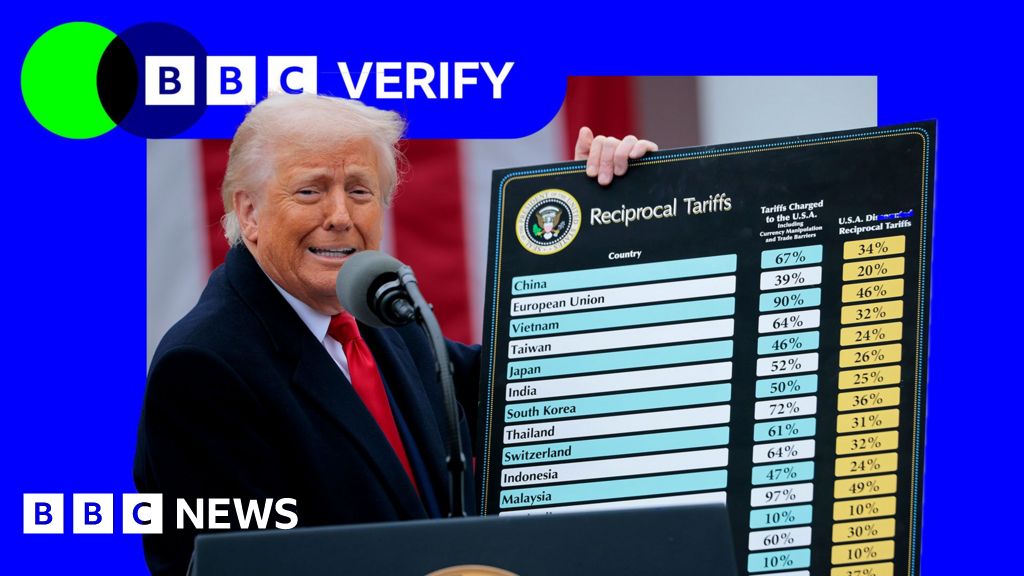
On April 2, 2025, President Trump walked up to a podium and effectively lit a match under global markets. The “Liberation Day” tariffs slapped a blanket 10% levy on most imports entering the US, with reciprocal penalties climbing as high as 145% on certain Chinese goods. By the time Wall Street closed the next day, roughly $2.5 trillion in global equity value had evaporated.
The S&P 500 cratered between 4% and 12% depending on the session, while the Dow Jones shed nearly 1,700 points on April 3, its worst single-day loss since mid-2020. The VIX, Wall Street’s so-called fear gauge, spiked into the mid-40s.
Crypto caught in the blast radius
Bitcoin didn’t escape the carnage. The world’s largest cryptocurrency slid from nearly $88,000 to just over $82,000 during the initial sell-off. Investors weren’t discriminating. They were selling everything that wasn’t nailed down, rotating into what they perceived as safer ground. Treasury yields told that story clearly, with the 10-year briefly surging toward 4.6% as capital rushed into government bonds.
On April 9, Trump announced a 90-day pause on additional tariff escalations. Risk assets responded like a coiled spring. Bitcoin and the broader crypto market snapped back sharply, recovering lost ground faster than most traditional indices.