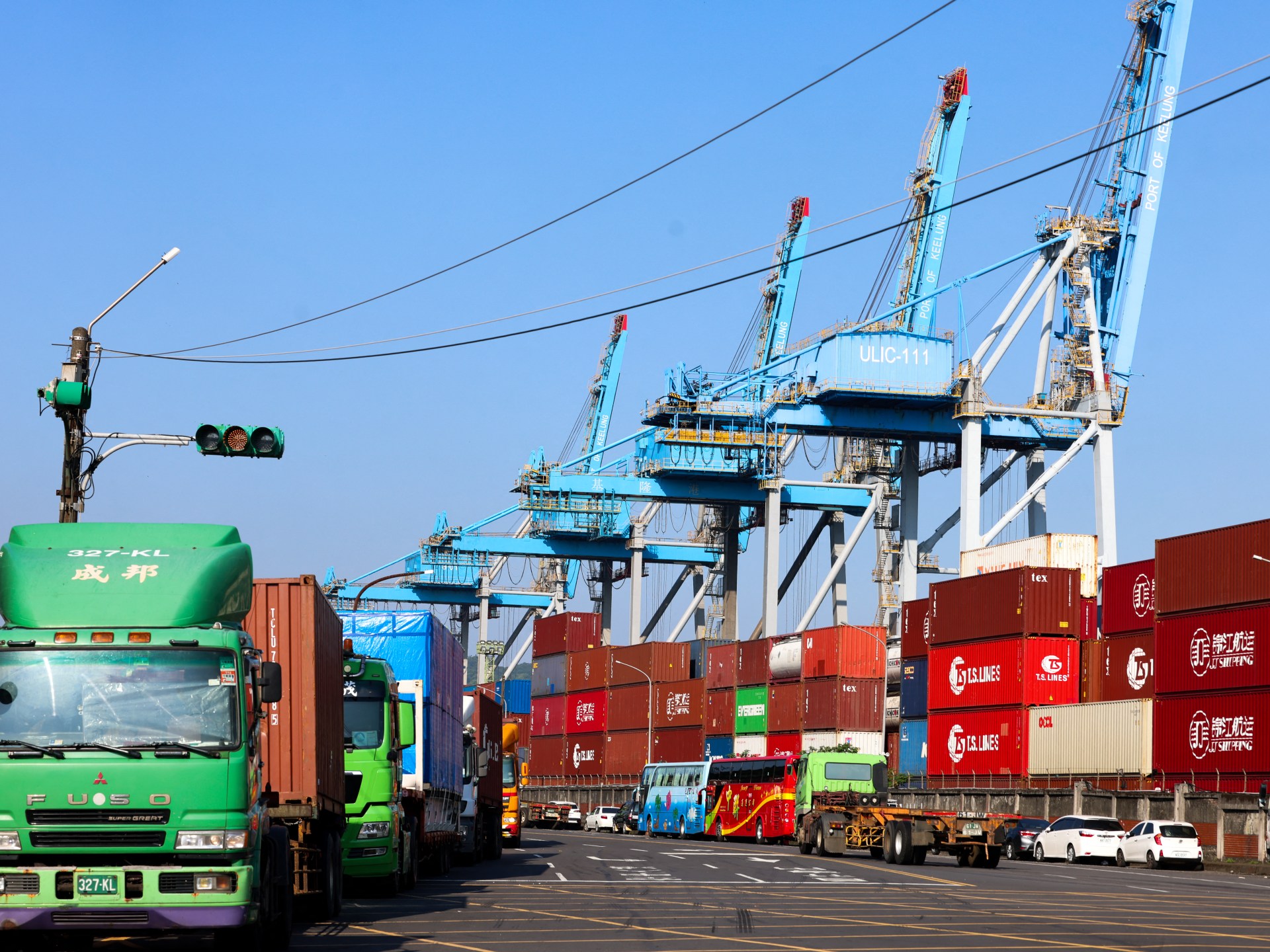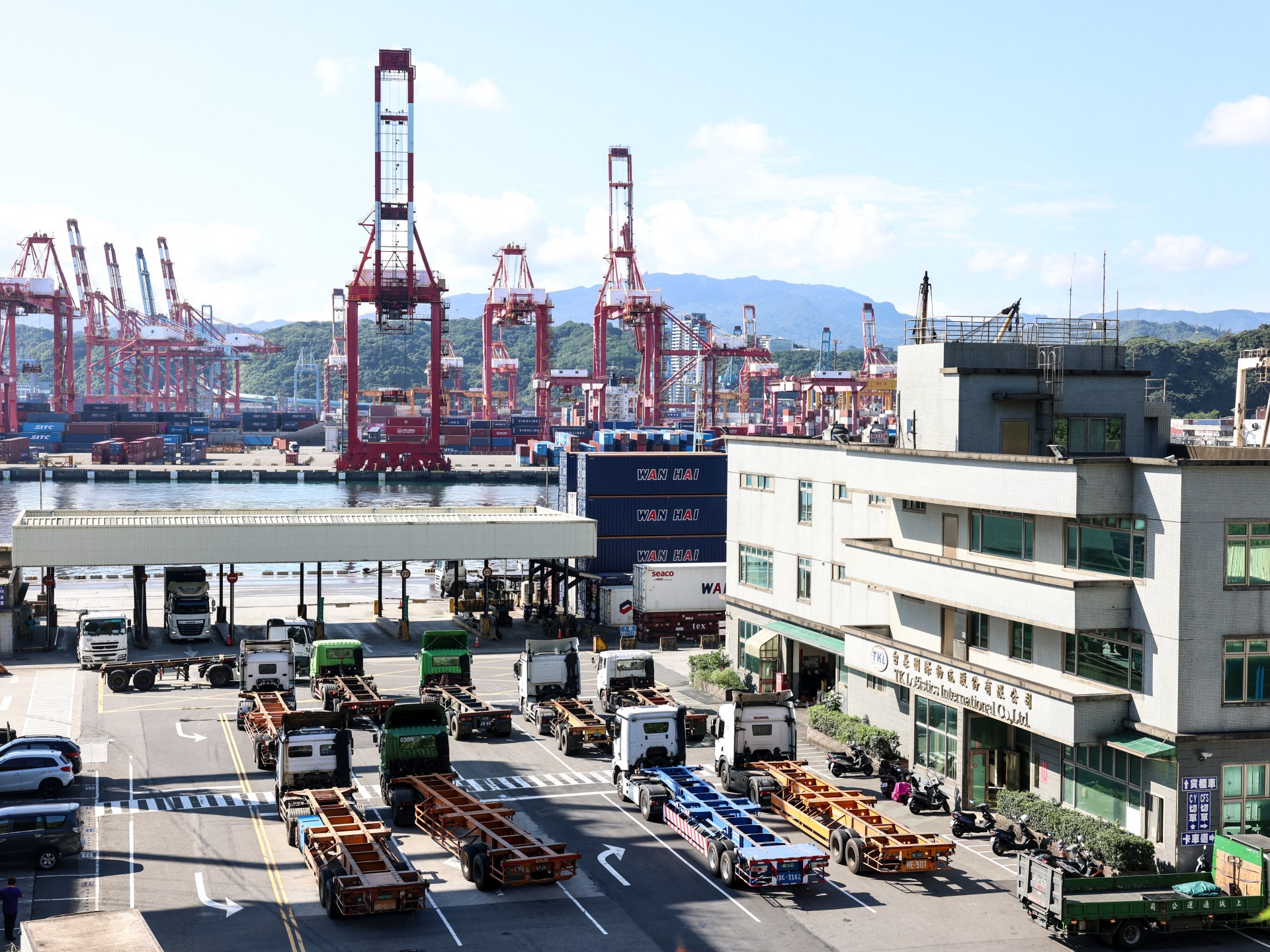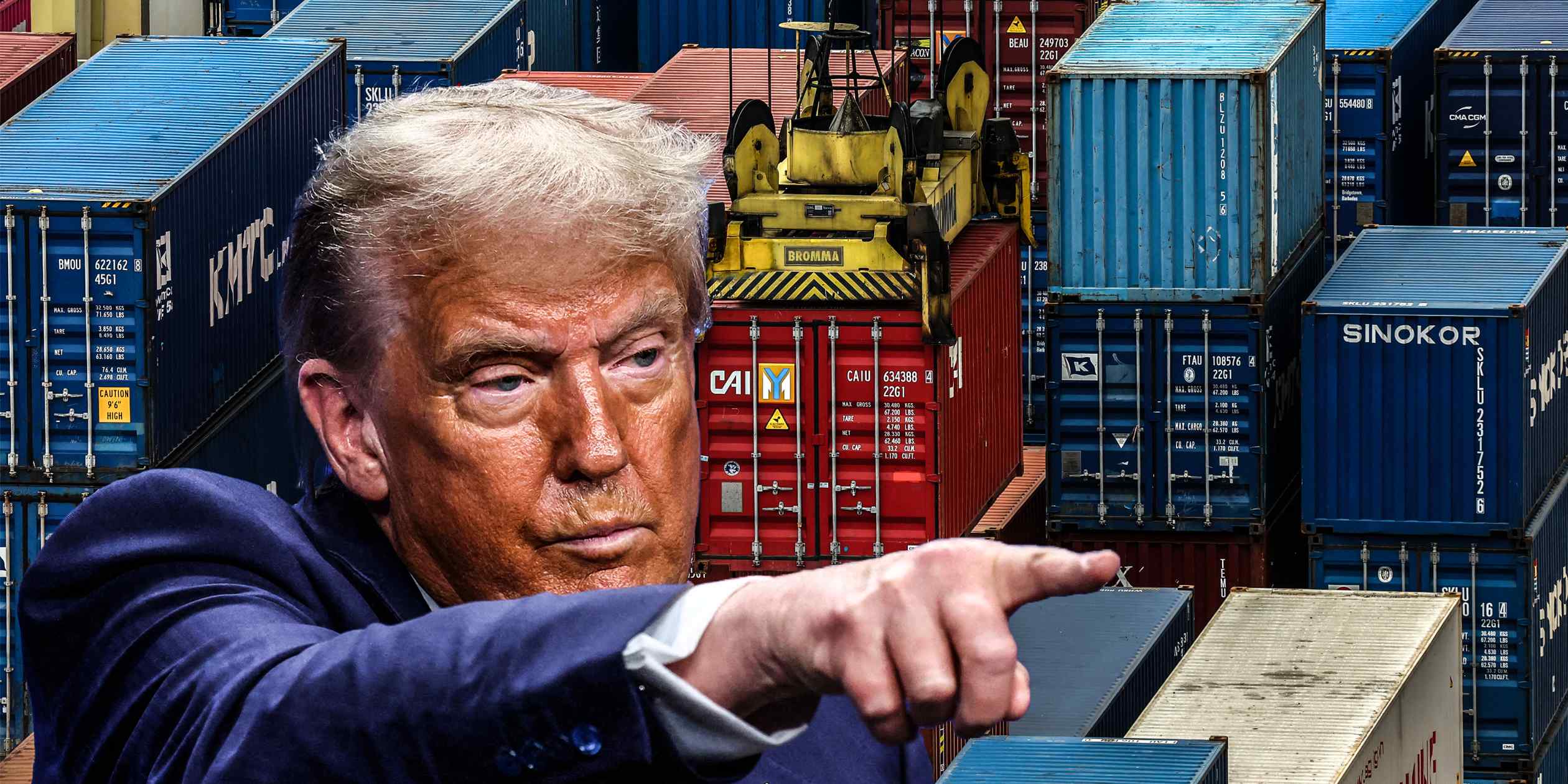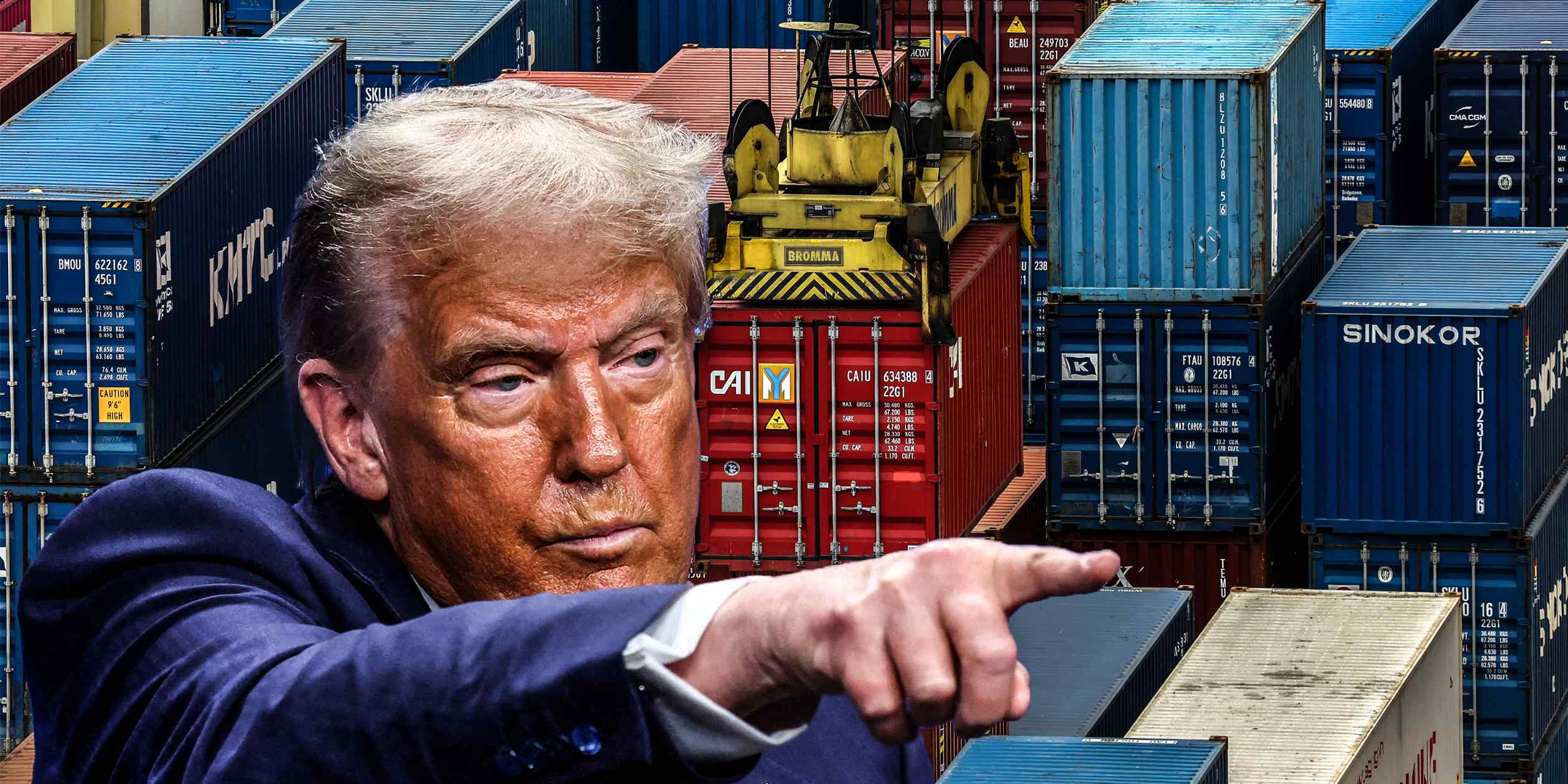
Donald Trump has delivered a profound shock to the global trading system since returning to the White House.
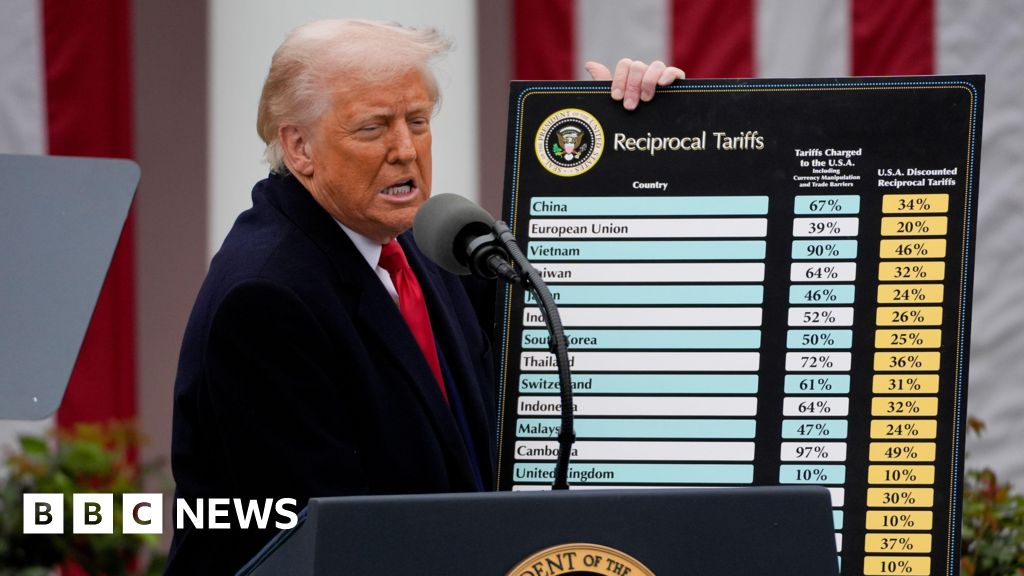
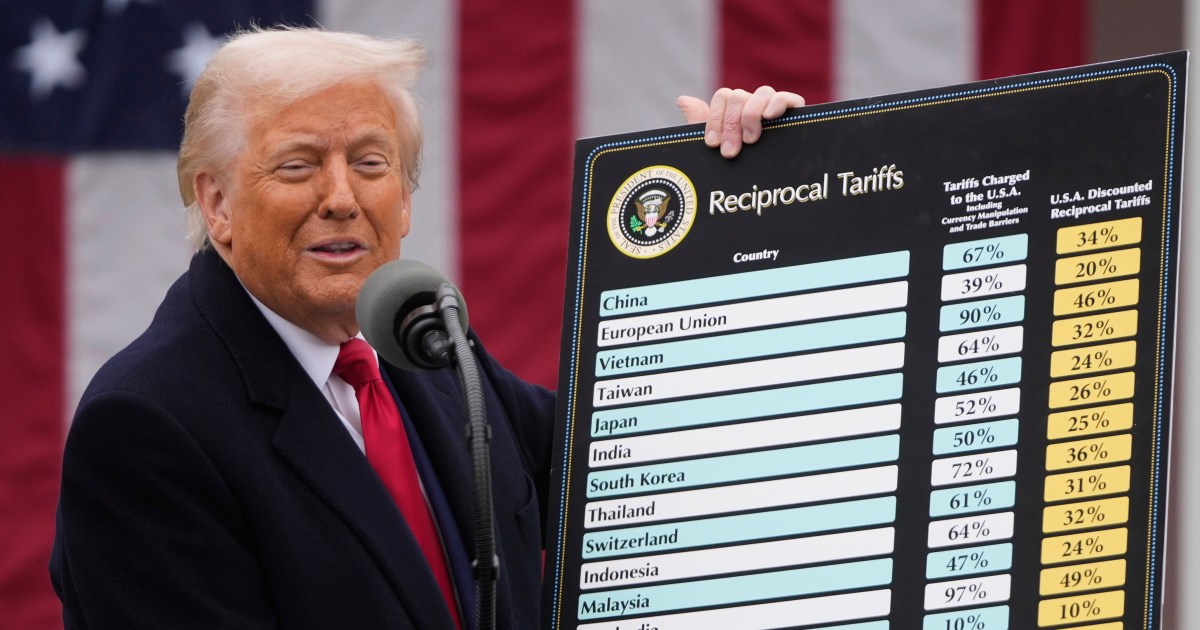
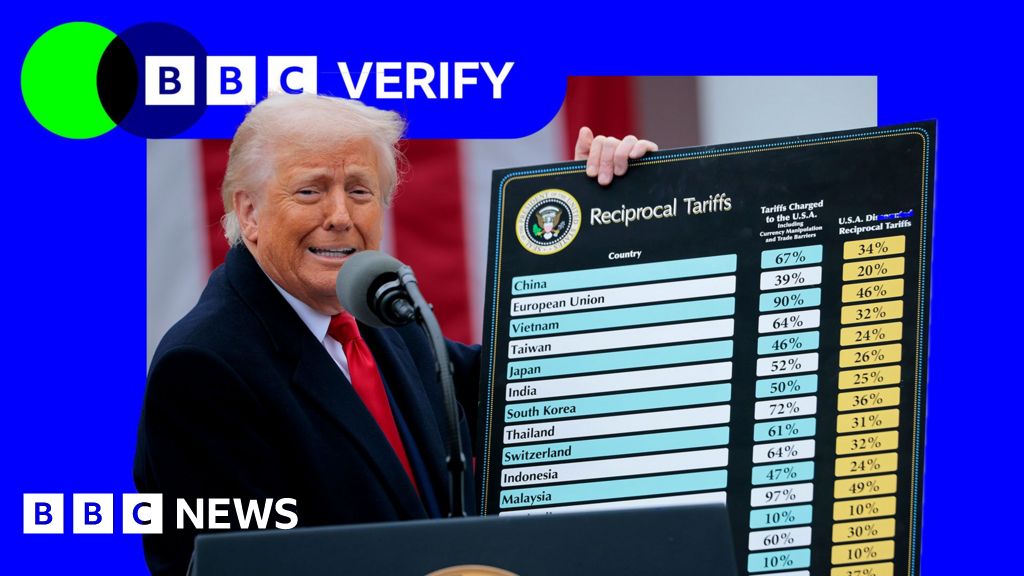
The US president announced on 2 April, so-called Liberation Day, a slew of swingeing so-called "reciprocal" tariffs, or import taxes, hitting dozens of countries around the world.
Many of these have been paused. And since then, Trump has also announced agreements with several partners - including the UK, Vietnam, Japan, and the European Union - which reduce some tariff levels.
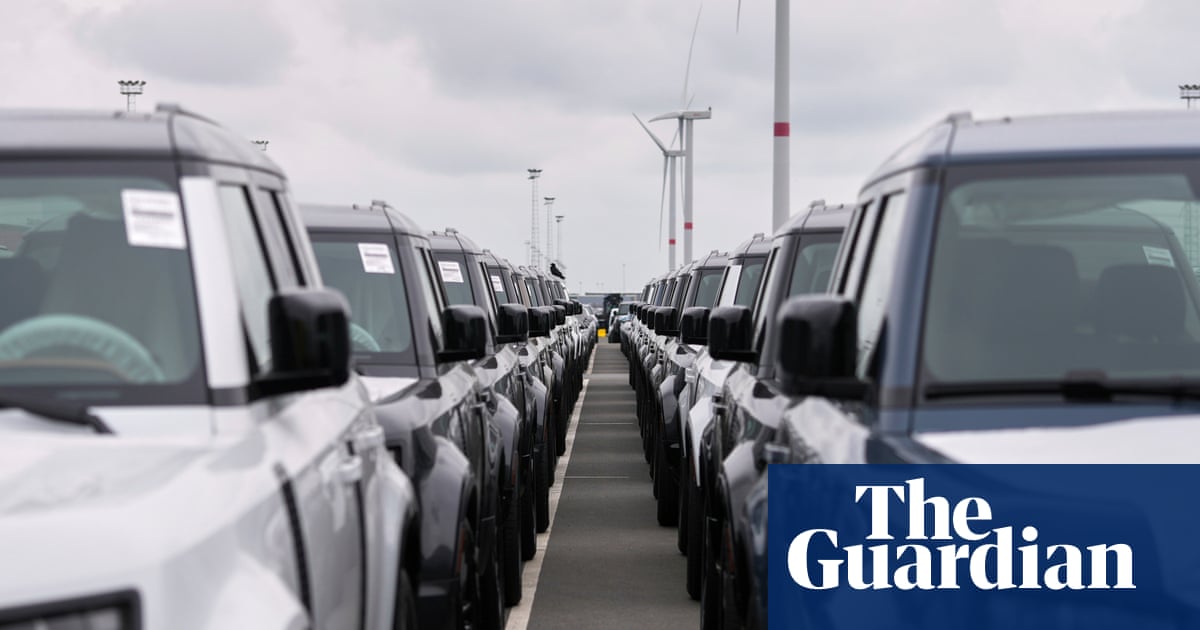
But particular commodities and goods such as automobiles and steel have also been targeted with significant industry-specific tariffs by Washington - and the overall average US tariff rate is at its highest in almost a century.
The tariffs themselves are ultimately paid by the US companies that bring goods into the country from abroad.