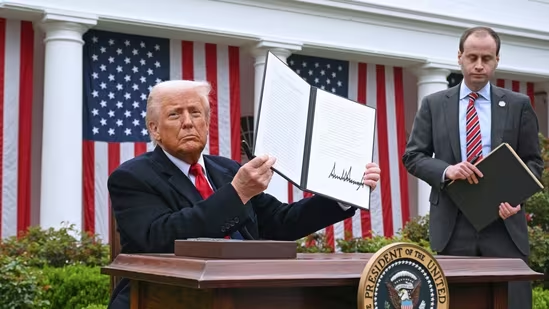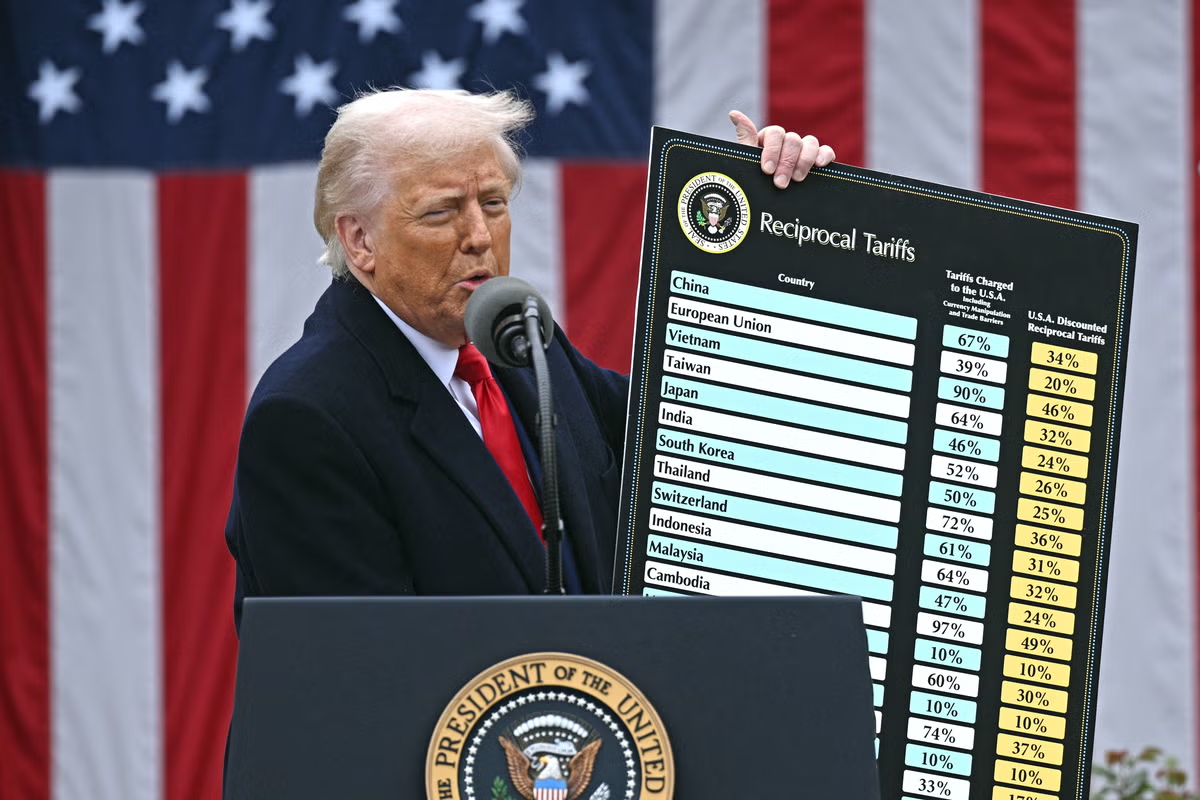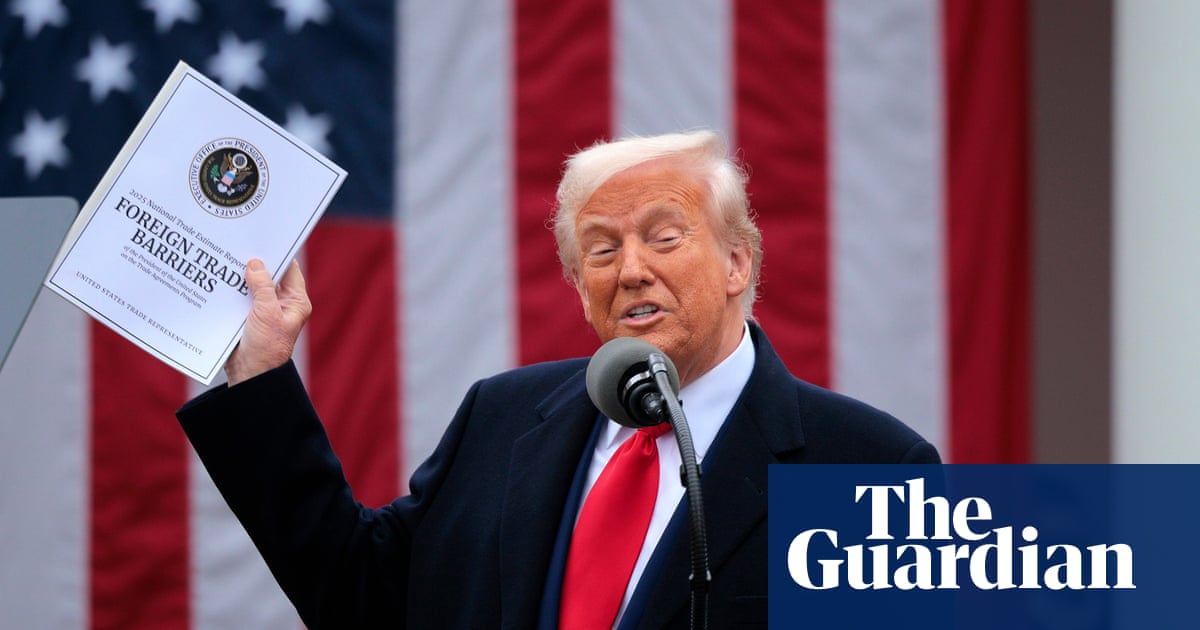
On April 2, 2025, President Donald Trump stepped up to a podium and declared it “Liberation Day” for American trade. A sweeping 10% baseline tariff on nearly all imports, paired with elevated reciprocal duties on dozens of countries, sent global markets into a tailspin that erased trillions in shareholder value within days.
Major stock indices plunged more than 10% in the immediate aftermath. Bitcoin, the asset that crypto evangelists have long pitched as a hedge against exactly this kind of chaos, dropped below $82,000.
The tariff shock and its fallout
The 10% universal tariff was just the baseline. China got hit hardest, with tariffs eventually ratcheted up to 125%.
Bitcoin’s slide below $82,000 was particularly notable. Instead of decoupling from equities, crypto assets demonstrated strong correlation with traditional risk assets. Investors fleeing uncertainty weren’t rotating into Bitcoin. They were rotating into cash, Treasuries, and anything that didn’t have the word “volatile” in its description.