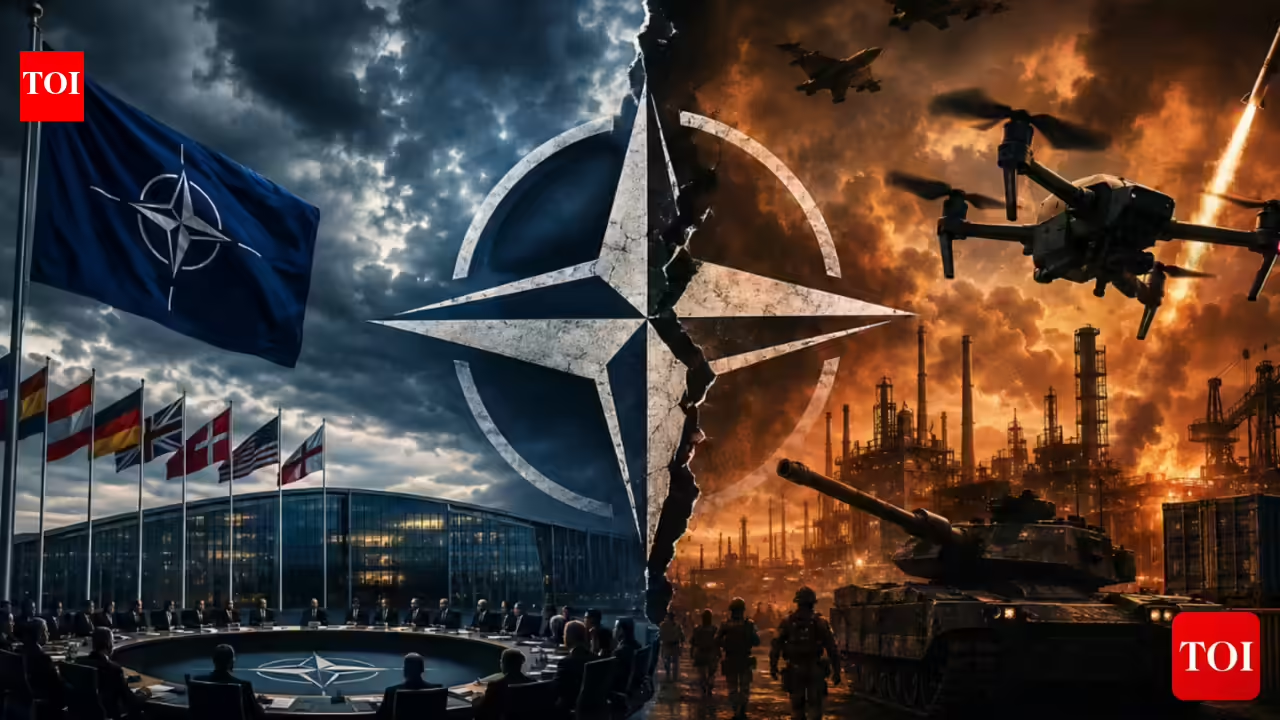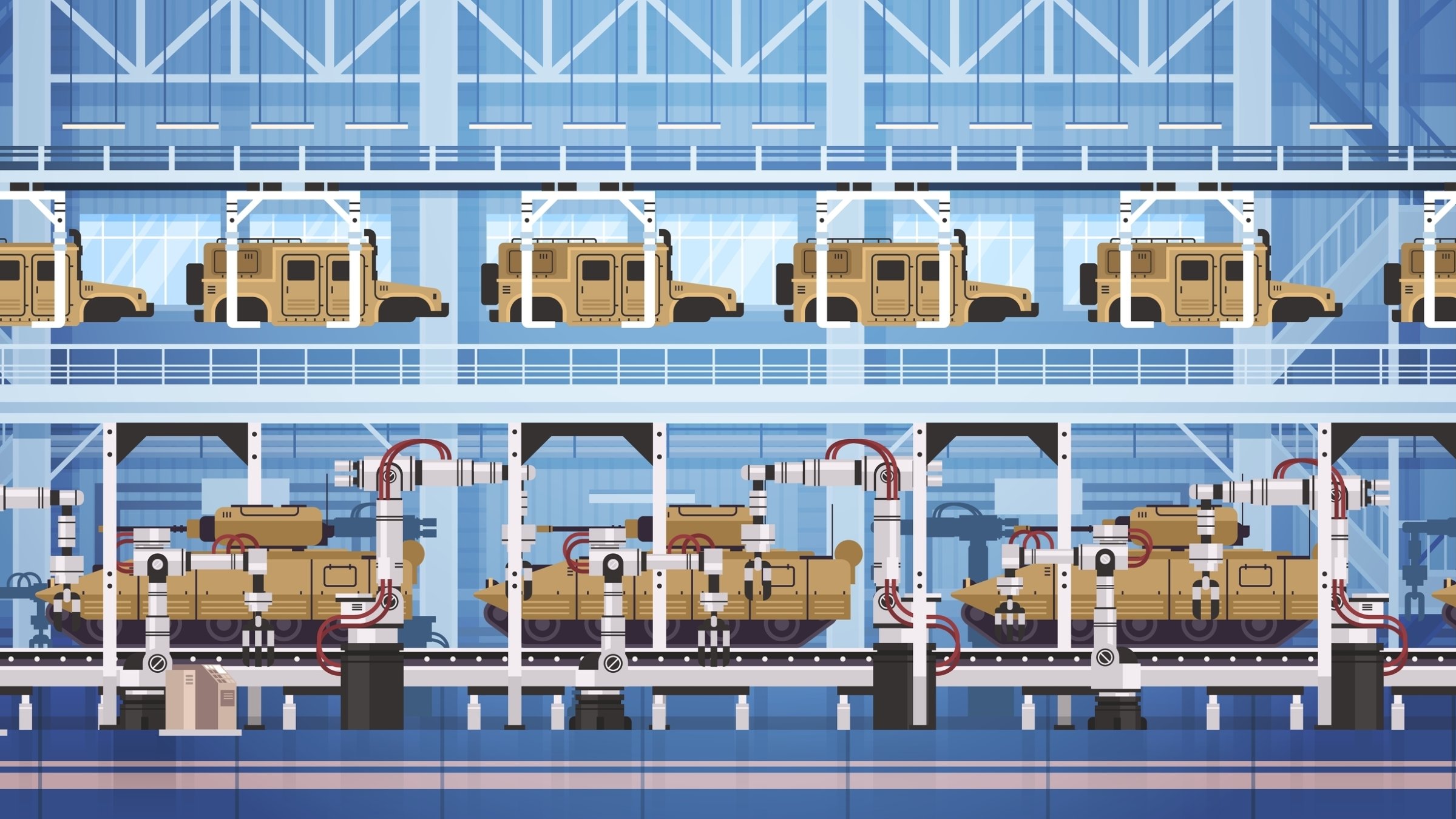
NATO is once again redefining itself. This time, however, the issue is not a conventional strategic update. The war in Ukraine is not only compelling the alliance to strengthen its deterrence posture against Russia; it is also bringing to the forefront a far more fundamental question: Does NATO genuinely possess the industrial and manufacturing capacity necessary to sustain a prolonged war economy?
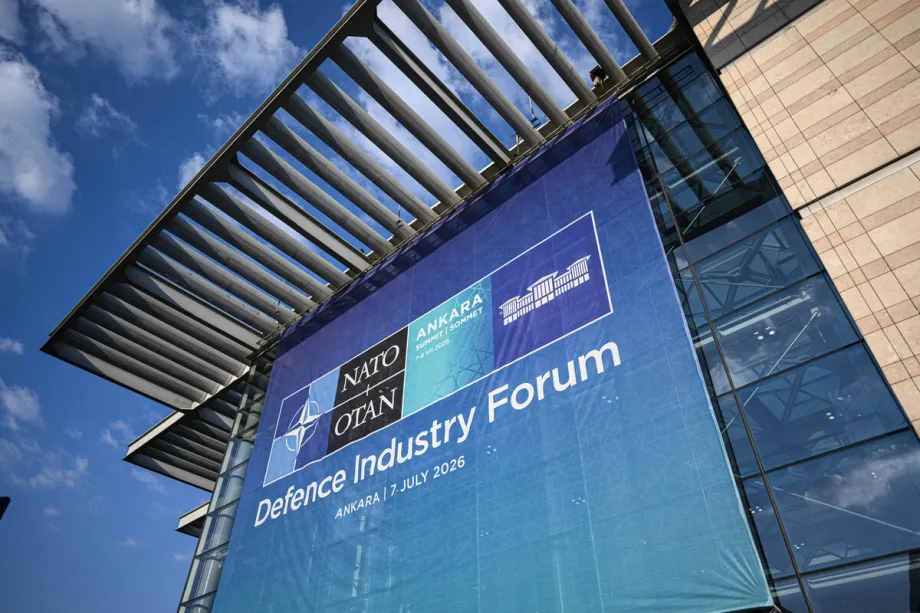
For this reason, the upcoming summit in Ankara cannot be regarded as an ordinary diplomatic gathering. Rather, it represents a critical juncture at which NATO's emerging identity will be put to the test. The alliance is no longer merely an organization engaged in military planning; it is increasingly evolving into a security organization defined by production chains, supply networks, and industrial capacity. This transformation is now being described with growing clarity: NATO 3.0.
During the Cold War, NATO was fundamentally built upon deterrence against the Soviet Union. NATO 1.0 represented a period characterized by military build-up and the development of operational concepts designed to counter the threat of Soviet invasion. The post-1990 era was defined by crisis management and out-of-area operations, and described as NATO 2.0. Extending from the Balkans to Afghanistan, this phase expanded the alliance's geographical reach while making it operationally more flexible. Moreover, NATO moved beyond its original founding philosophy by broadening its understanding of defense capacity to encompass issues such as climate change and the environment, sustainable supply and logistics chains, technological innovation, and international partnerships.