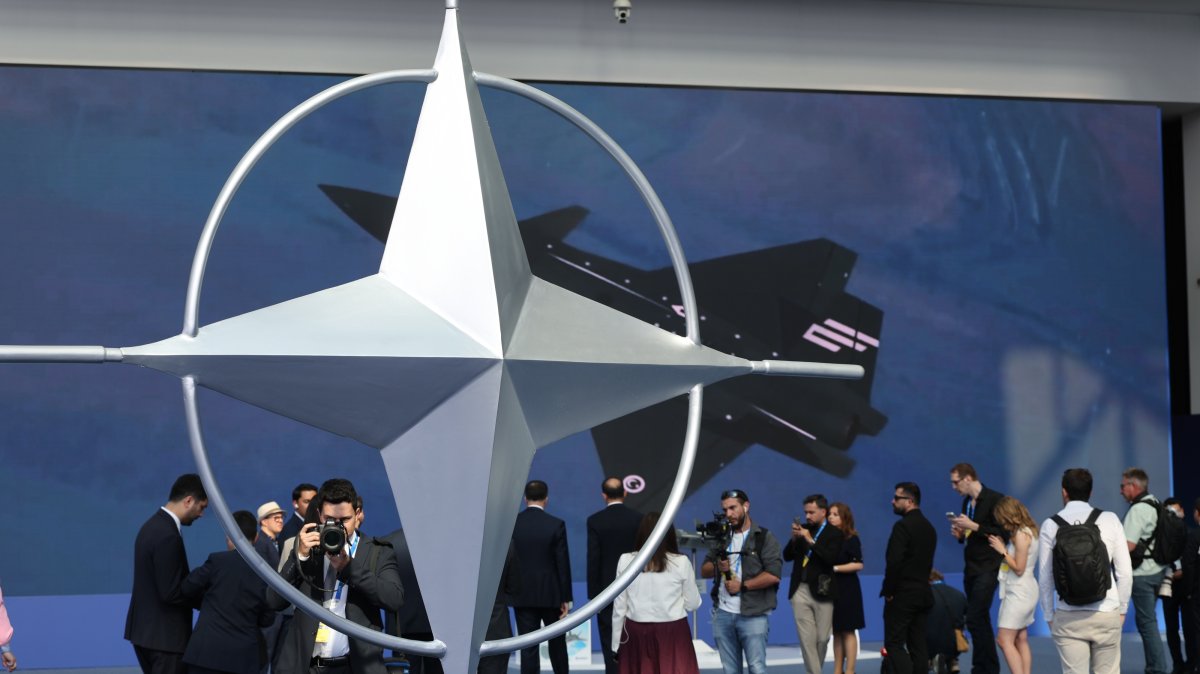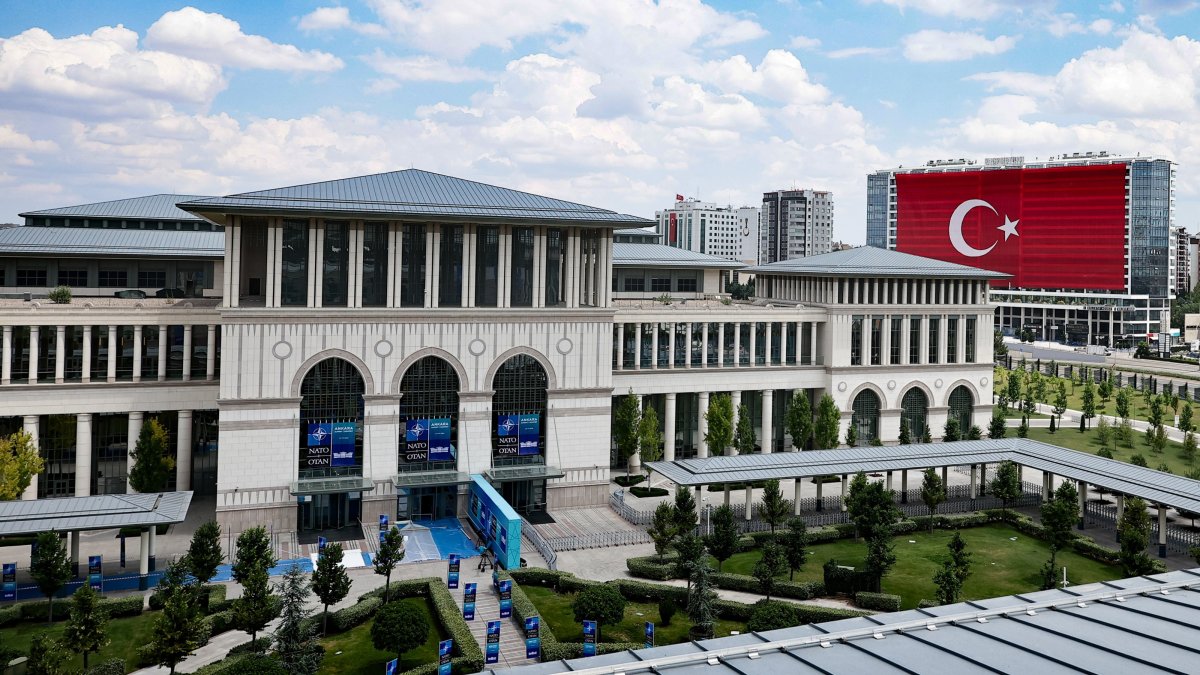
NATO has undergone two major modifications since its founding in 1949. The first occurred after the Cold War had ended. The second is currently unfolding. If the first transition was about finding a new purpose after the collapse of the Soviet Union, the second is about laying the groundwork for the alliance's economic future. In this context, the NATO Summit in Ankara on June 6-7 may be viewed as a watershed moment not only for NATO but also for Türkiye.
Throughout the Cold War, NATO's identity was unambiguous. The Soviet Union was the enemy, collective defense was the purpose, and the alliance was built around a well-defined geopolitical danger. For more than four decades, NATO's existence was rarely questioned because its purpose was obvious. The end of the Cold War altered everything.
With the disintegration of the Soviet Union, NATO lost the strategic environment that had supported its existence. The alliance experienced what many observers referred to as an identity crisis. What use did NATO serve if there was no Soviet threat? Who was the enemy? What role should the alliance play in a rapidly evolving global order? These questions helped create NATO's first significant shift.
Throughout the 1990s and early 2000s, NATO expanded both geographically and politically. Former Warsaw Pact countries have joined the alliance. NATO became involved in crisis management, peacekeeping missions and military actions outside of its usual domain of duty. At the same time, many NATO countries sought to strengthen political and economic ties with Russia. European countries diversified their foreign policies, seeing Russia as a viable partner rather than an existential danger. During this time, NATO existed, but its importance was often based on military interoperability, training, technology sharing, and institutional cooperation rather than collective defense against a shared enemy.