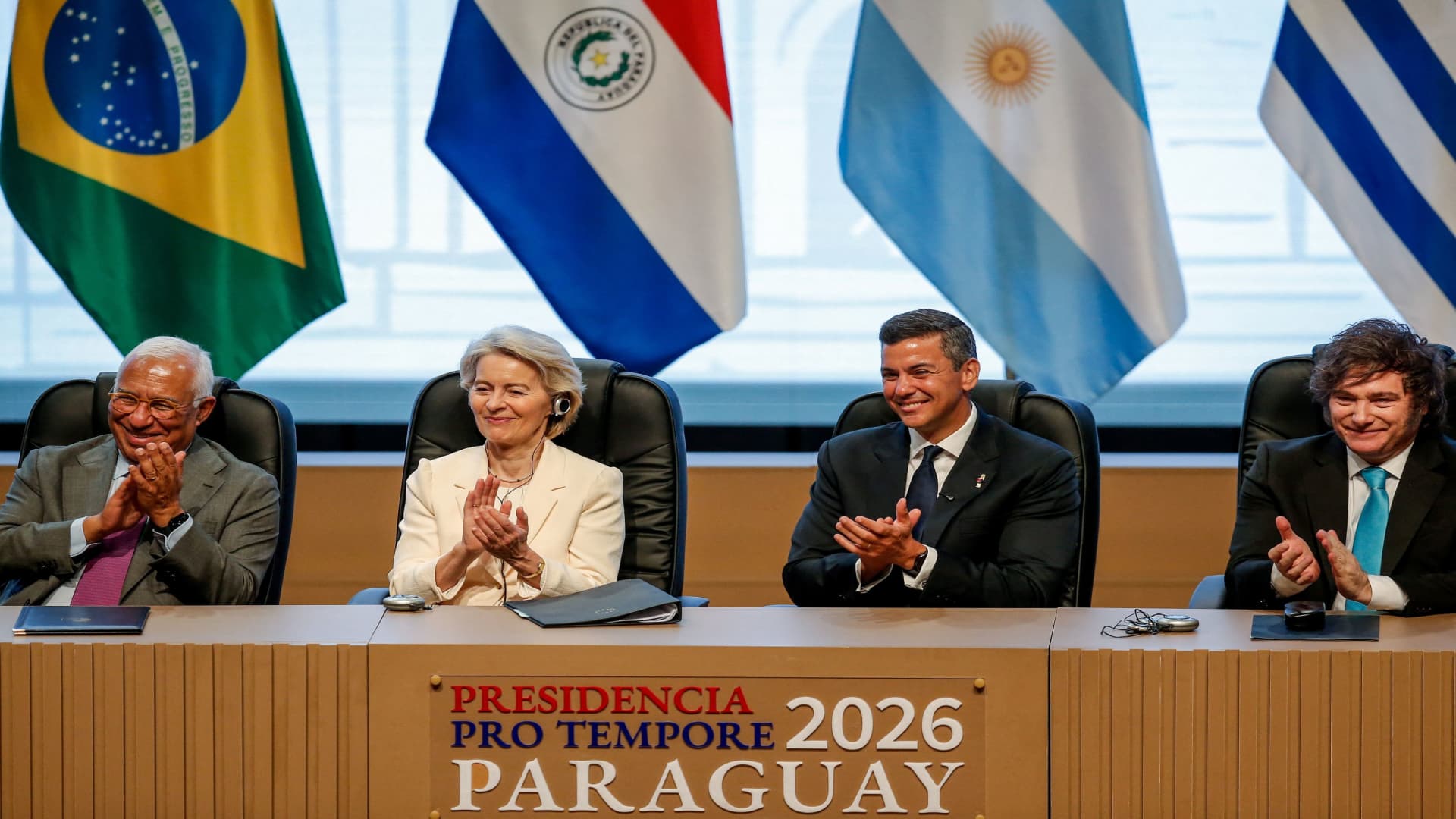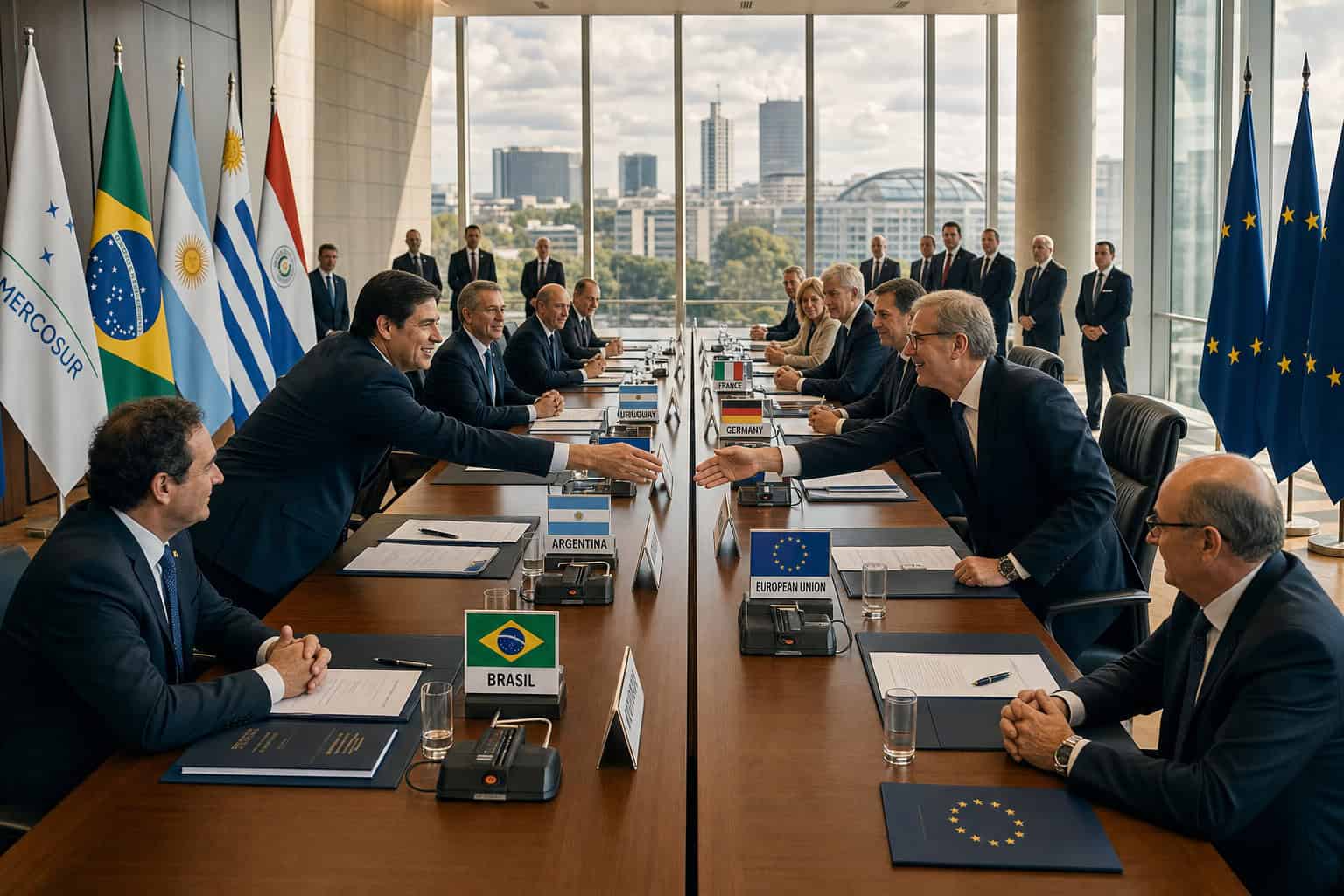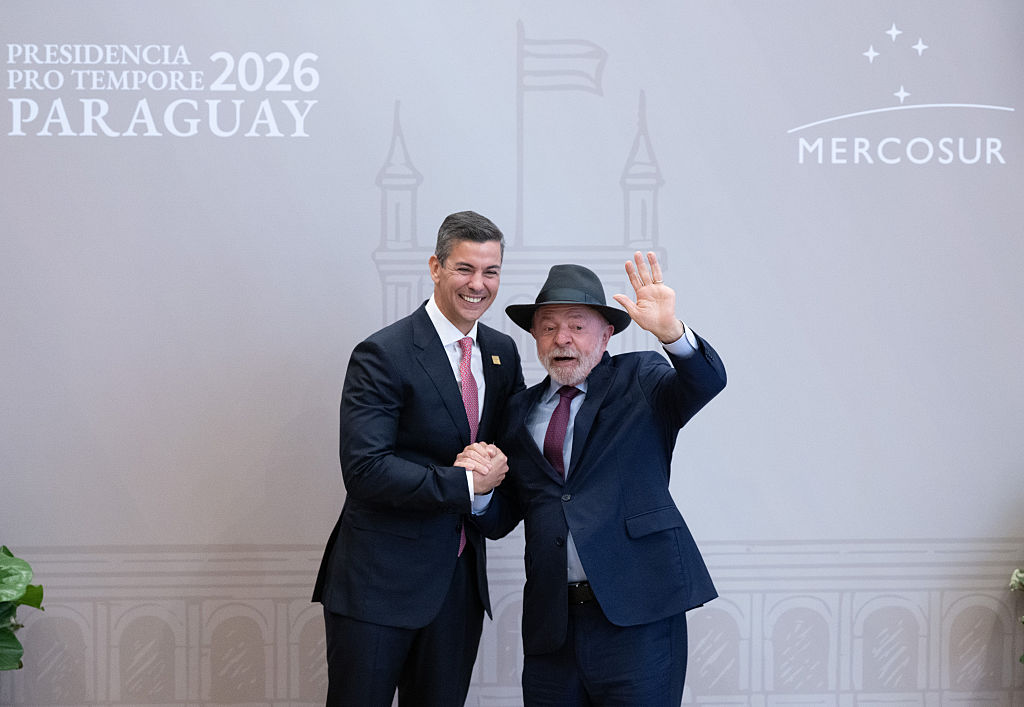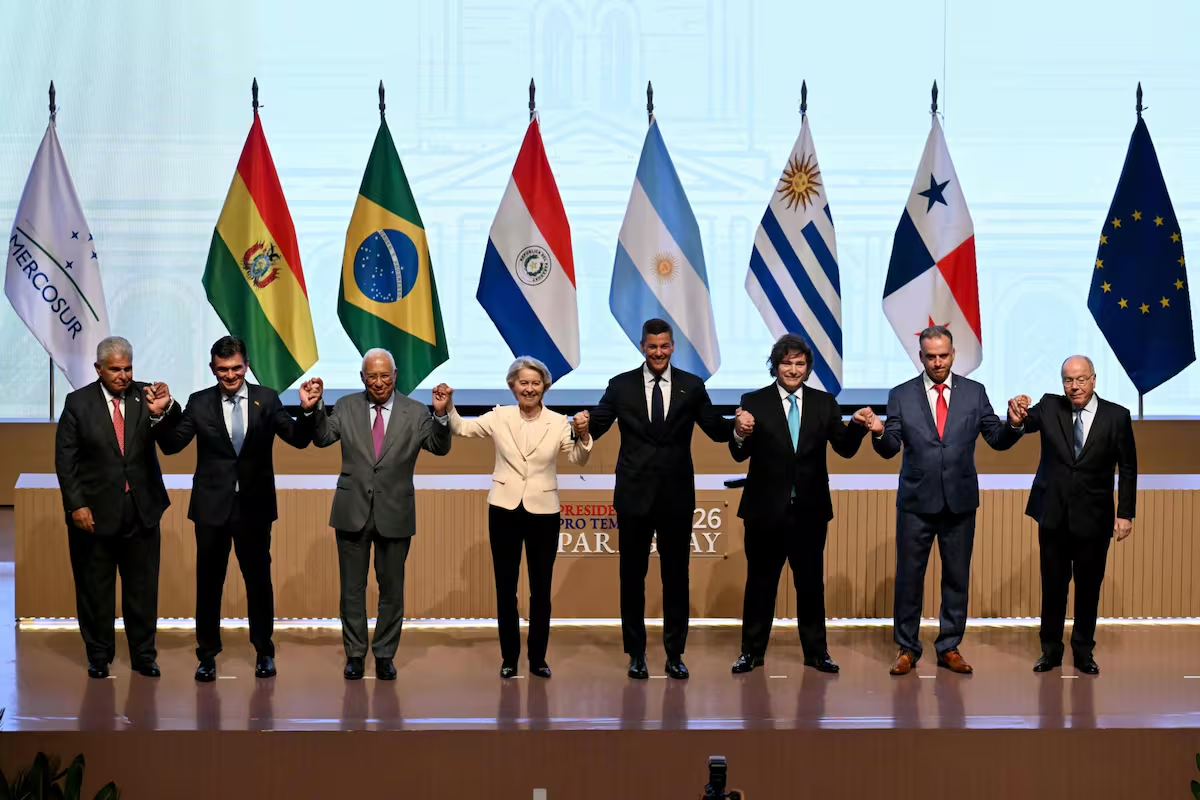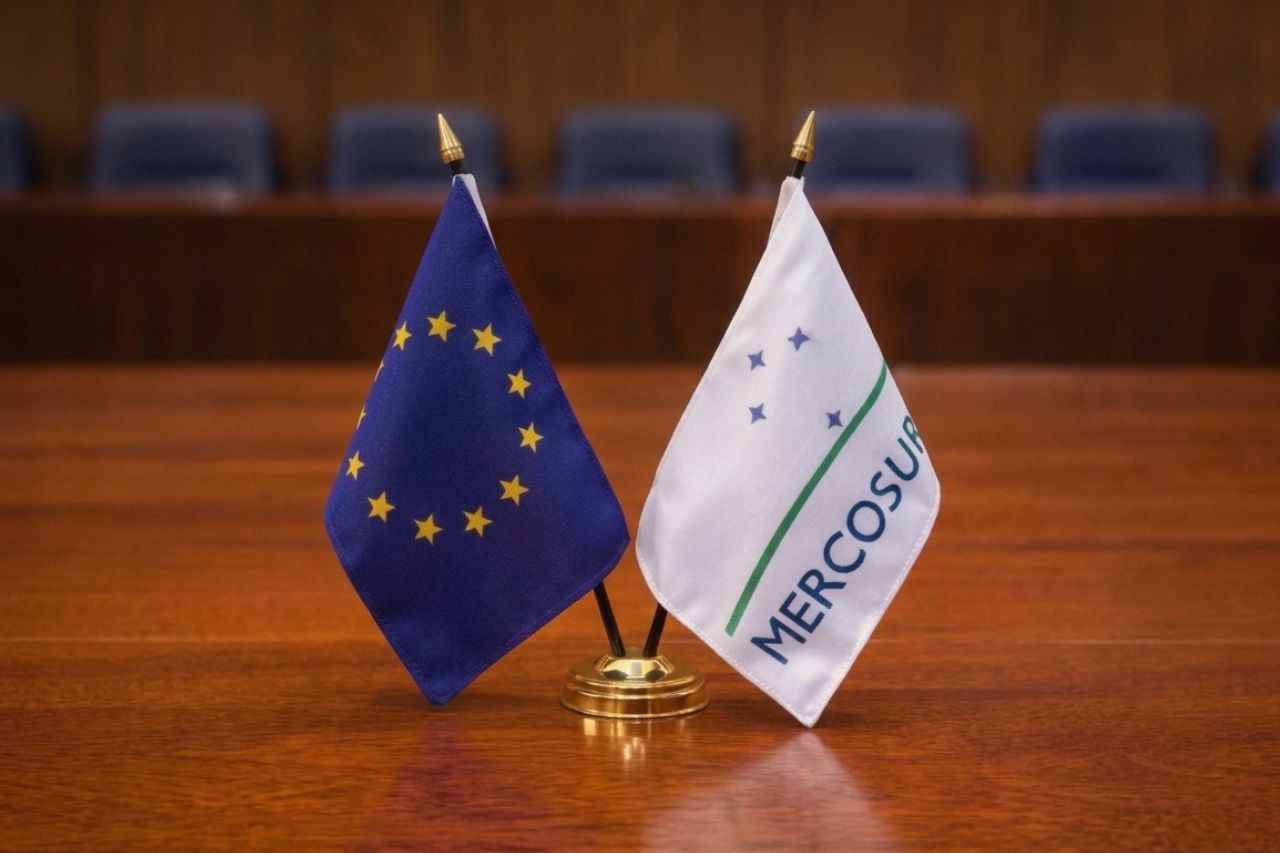
The free trade agreement between the European Union (EU) and Mercosur is one of the largest and most ambitious in the world, according to diplomats from the EU, Spain and Catalonia. But for it to be fully implemented, the economies of both blocs will have to adapt to competition and new trade rules.
Although its signing — after more than 20 years of negotiations — marks a historic milestone and promises a sharp rise in Argentine exports and investment over the coming decades, that outcome can’t be reached without some “sacrifices.”
The warning came from Spain’s ambassador to Argentina, Joaquín María de Arístegui Laborde, at the Catalonia-Southern Cone Economic Forum held at the Argentine Chamber of Commerce.
Arístegui warned that “nothing is magic or free — it’s going to demand sacrifice.” He stressed that the free trade agreement “is a bet on shared prosperity” between the two blocs, but that it will inevitably require “legal and commercial changes,” among other adjustments.
“Do you really think that when Spain joined the EU it didn’t sacrifice anything?”, the Spanish diplomat said, noting that since joining the European bloc, the Spanish economy is now the one that “has contributed the most growth and the most jobs” to the EU in recent years.