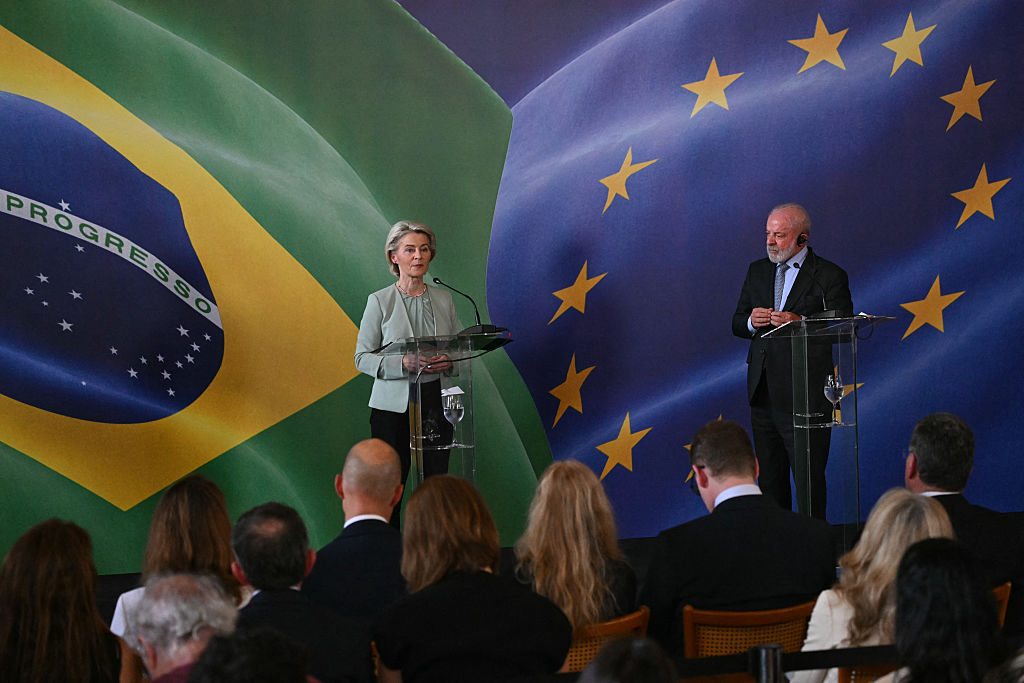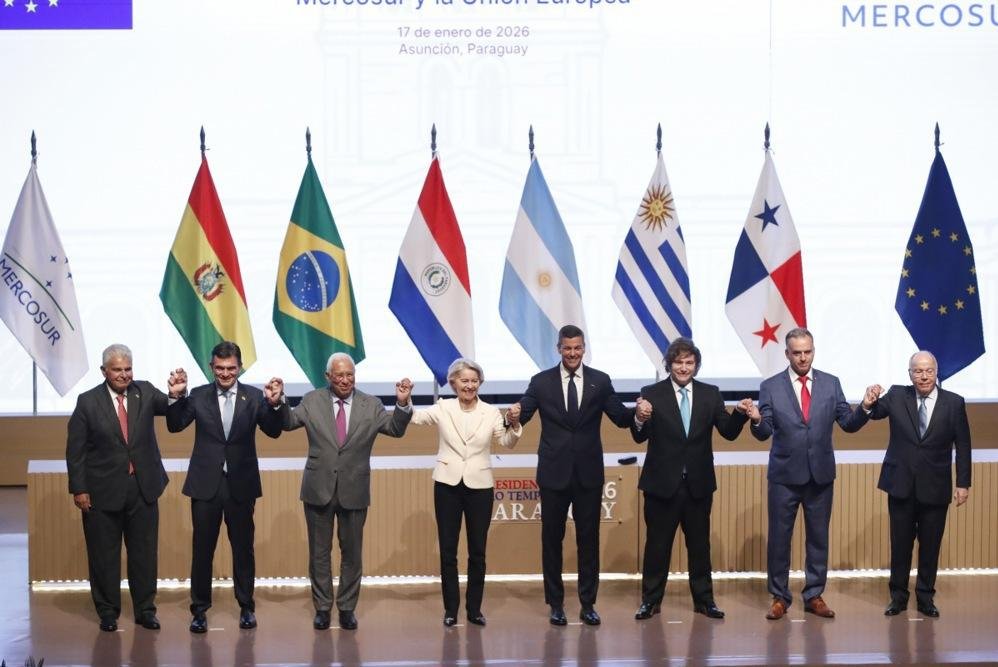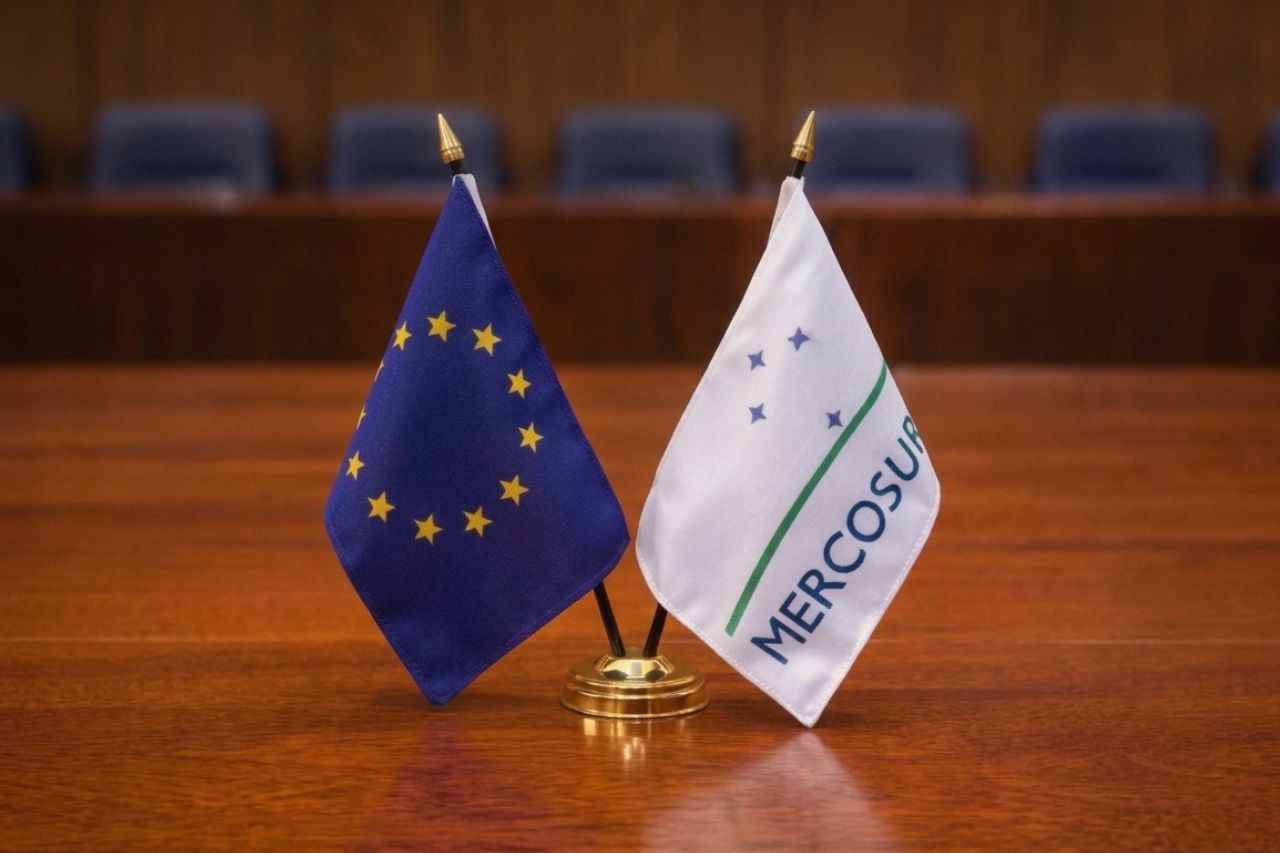
Feb. 20 (UPI) -- The Association Agreement between the European Union and Mercosur -- Argentina, Brazil, Paraguay and Uruguay -- may prove to be one of the most consequential interregional accords of this decade. Or it may not survive its own ratification process. Both possibilities are now alive simultaneously.
Signed in Asunción on Jan. 17, after 25 years of negotiations, the agreement binds two blocs representing more than 700 million people and bilateral trade that reached €111 billion ($130.57 billion) in 2024. Its trade provisions eliminate or reduce tariffs on more than 90% of bilateral commerce, a package the European Commission estimates will save EU firms more than €4 billion ($4.71 billion) annually in duties alone. But just four days after the signing ceremony, the European Parliament voted 334 to 324 to refer the deal to the EU Court of Justice for a legality review, a process that could take two years and potentially derail the agreement altogether.
The geopolitical stakes make the political drama all the more significant.
A strategic hedge in a fragmented world
The EU-Mercosur deal was not designed primarily as a tariff instrument. It was designed as a response to a world fracturing along the fault lines of U.S.-China rivalry. For South American governments, the agreement offers geopolitical diversification: room to maneuver between Washington's security architecture and Beijing's commercial reach rather than being absorbed into either orbit.