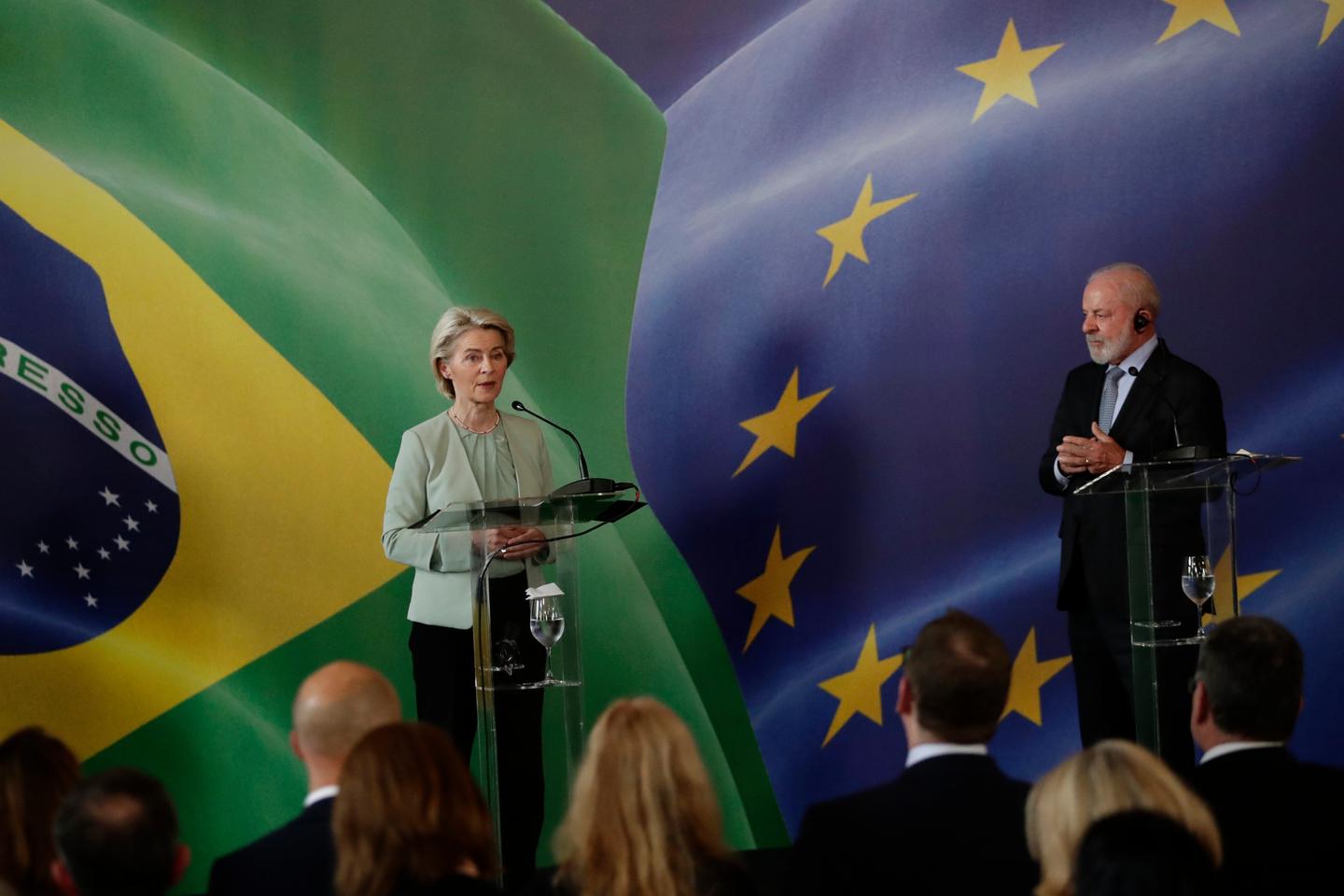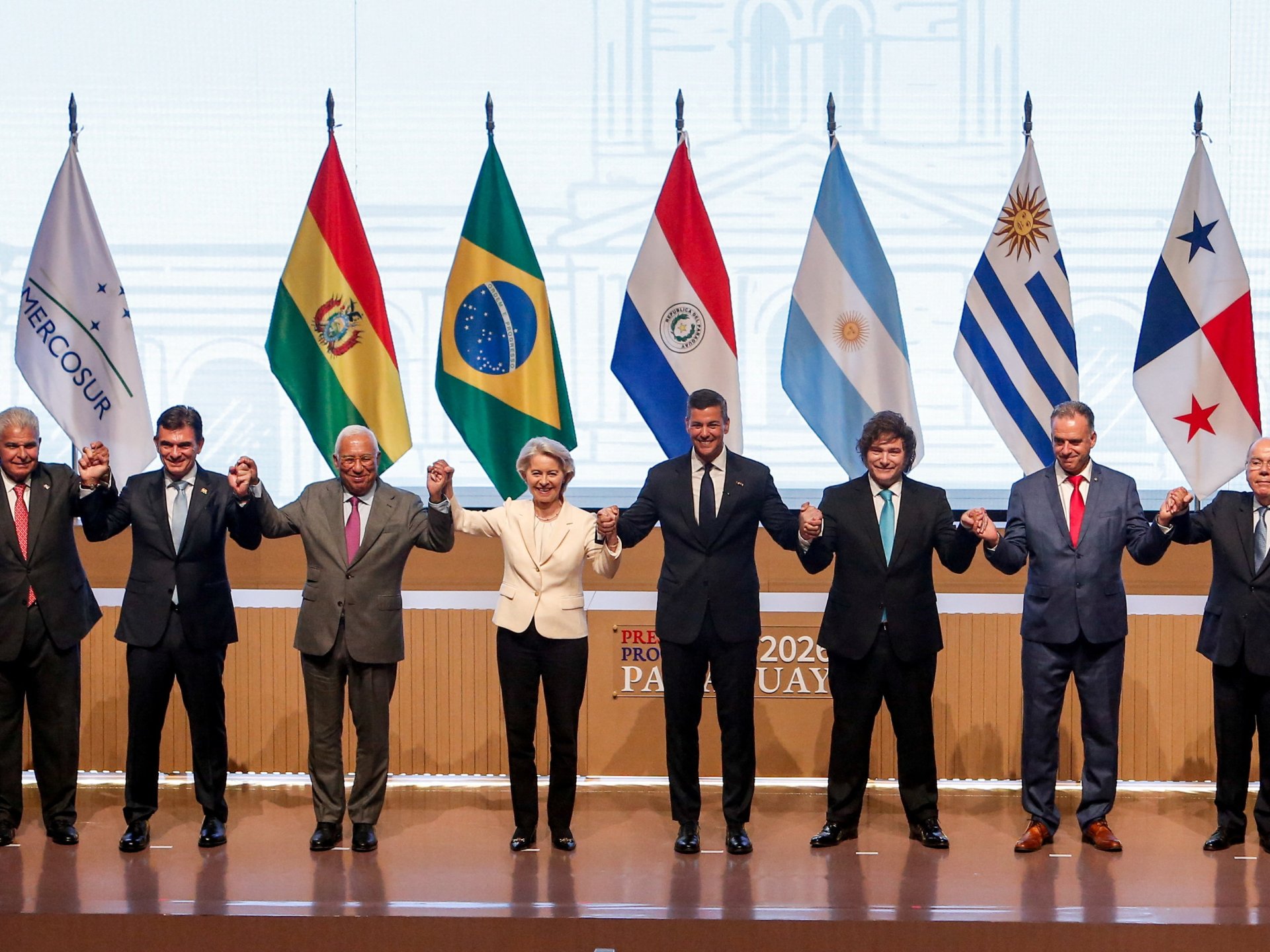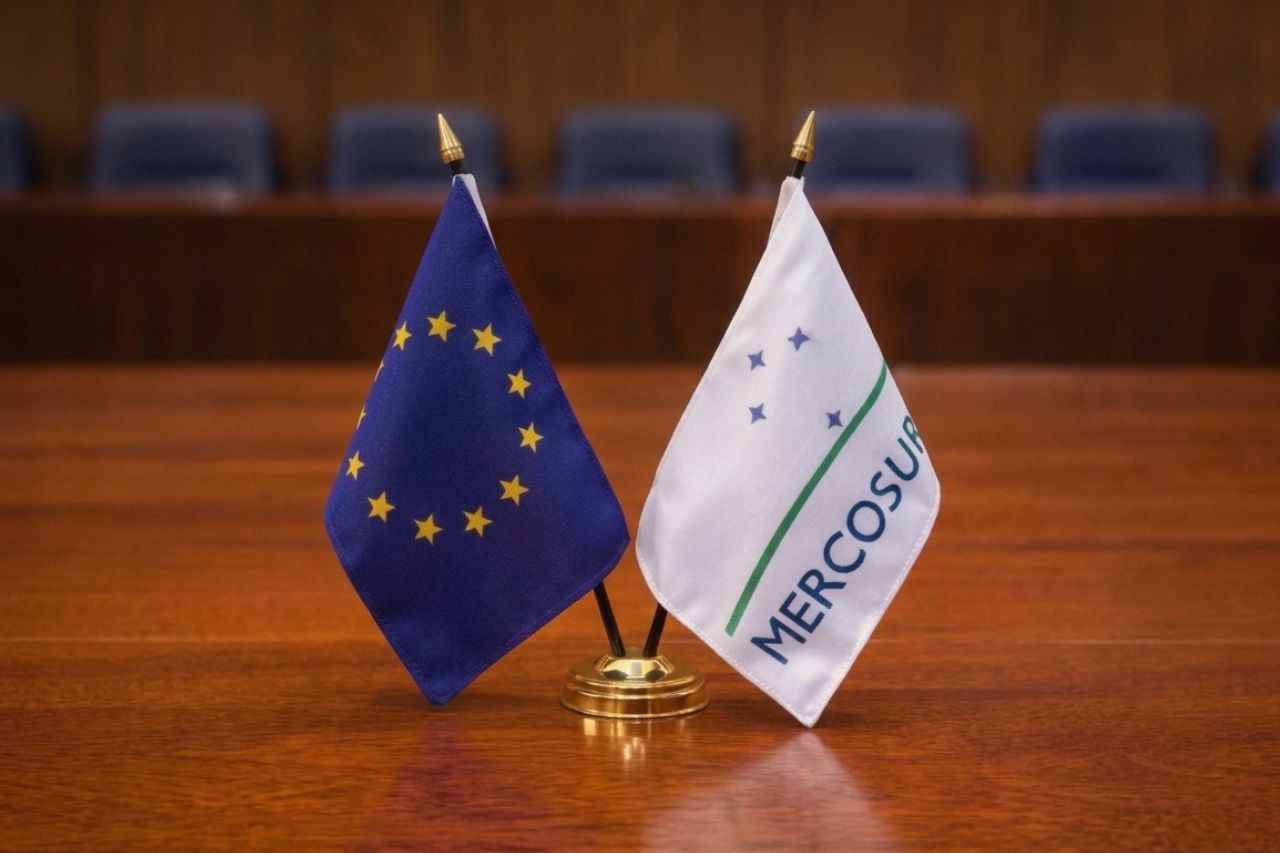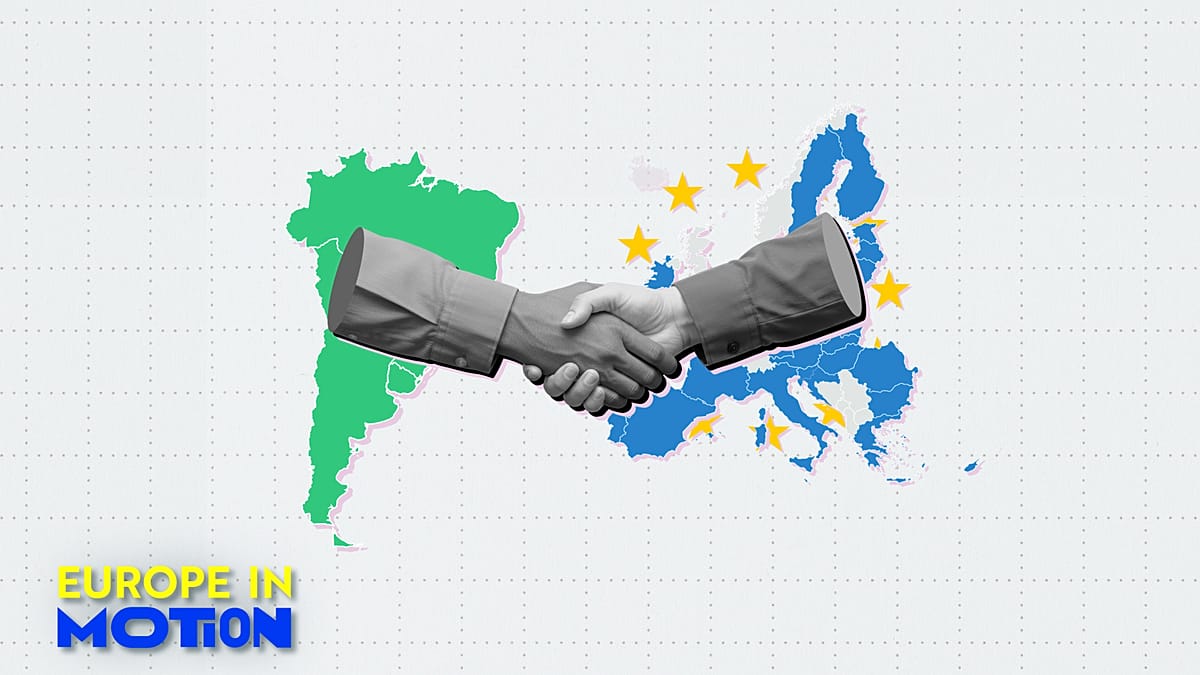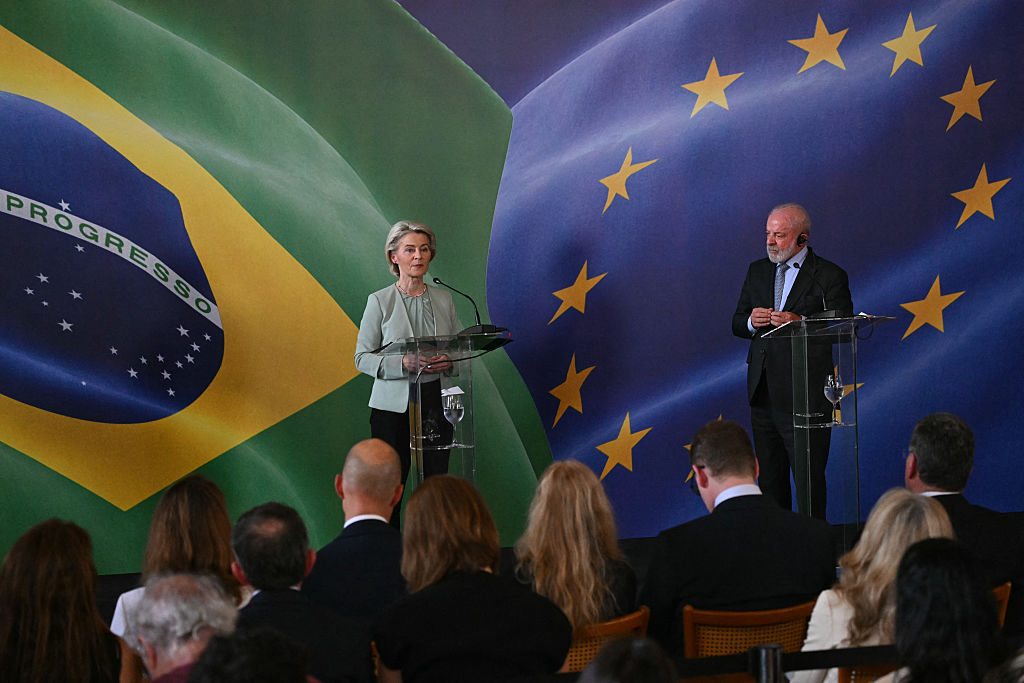
Reading Time: 4 minutesSÃO PAULO — After more than two decades of negotiations, the EU–Mercosur trade agreement is set to enter provisional application on May 1. Its arrival is not a triumph of free trade, but rather as something more consequential: a test of whether Latin America and Europe can still anchor their economic relationship in rules and institutions at a time when the global economy is moving in the opposite direction.
The timing is instructive. When talks began in 1999, the goal was straightforward trade liberalization. By 2019, when an agreement in principle was announced, the context had already shifted. Environmental concerns—especially over deforestation in the Amazon—derailed ratification in Europe, while political tensions and domestic opposition on both sides slowed progress.
What followed was not just a delay, but a period of political erosion, compounded by European farm lobbies, divergent regulatory priorities, and deep skepticism about Brazil’s environmental governance under Jair Bolsonaro. The renegotiation—particularly with Brazil, aimed at increasing binding environmental commitments in exchange for forgoing some of the market access gains achieved in the 2019 arrangement—reflected a new reality: trade agreements are no longer judged on tariffs alone but on climate, governance, and political legitimacy.