A
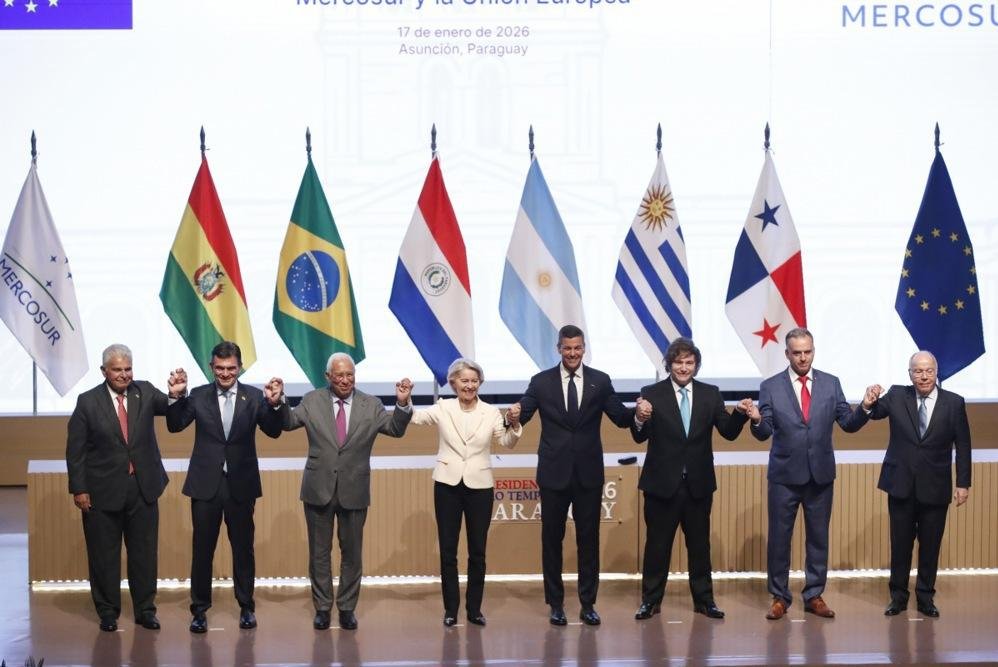
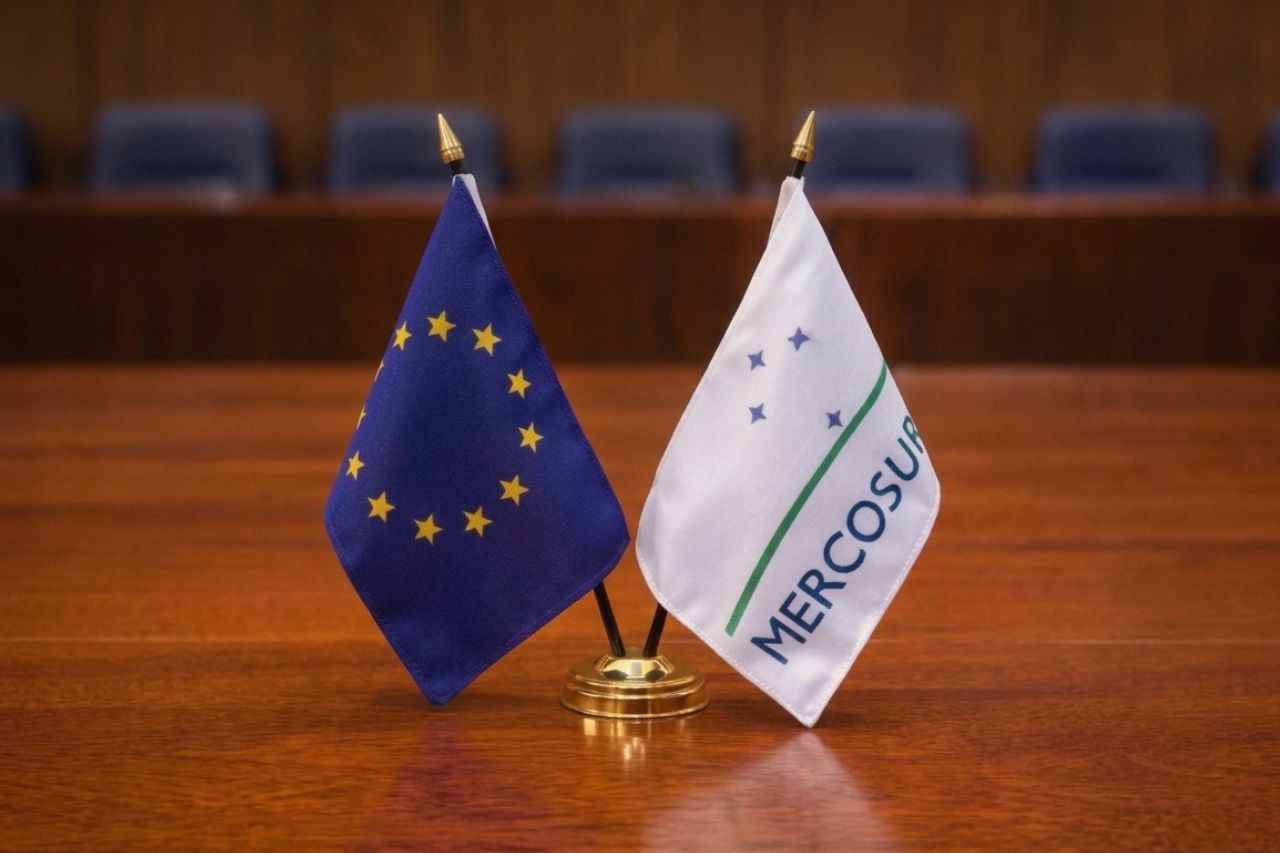
quarter of a century: That is how long it took for Mercosur, the South American common market, and the European Union (EU) to reach a trade agreement. The final bill, unveiled on Wednesday, September 3, by the European Commission, must now be approved by the European Parliament and by a qualified majority of the member states. However, the context has changed radically over these 25 years, forcing negotiators to balance their initial hopes with the new constraints that have emerged since then.
The largest trade agreement ever negotiated by the EU has been reshaped by a series of upheavals, including shifting balances of power between blocs, changes in geopolitical alliances, the decline of free trade, the weakening of the World Trade Organization, the acceleration of climate change, and mounting tensions within the agricultural sector.
Subscribers only
EU-Mercosur deal: Brussels moves forward, makes a gesture toward France