T
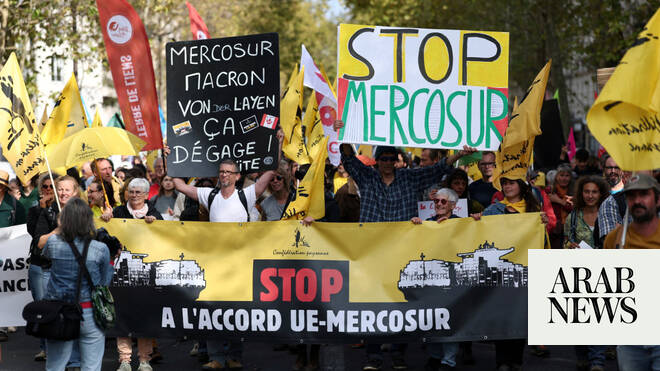
he long-running Mercosur deal saga is nearing its conclusion and, for France, it threatens to turn into a political drama. A trade agreement between the European Union and four countries in the Mercosur trade bloc (Brazil, Argentina, Paraguay and Uruguay), the result of nearly 25 years of painstaking negotiations, is expected to be finalized on Friday, January 9, after a meeting of EU ambassadors, ahead of a formal signing ceremony, which has been scheduled for January 12. A united front formed by the free trade agreement's opponents lasted only as long as the holiday season. France's hopes of putting together a blocking minority quickly faded, as Italy ultimately decided to support the deal.
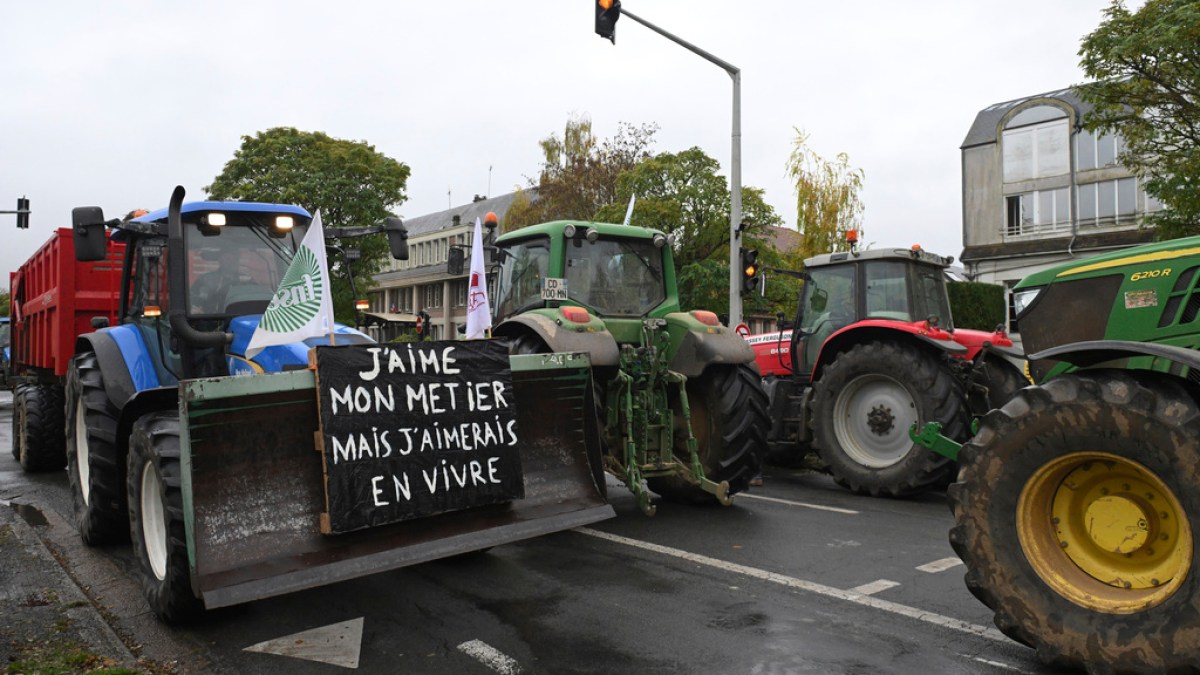
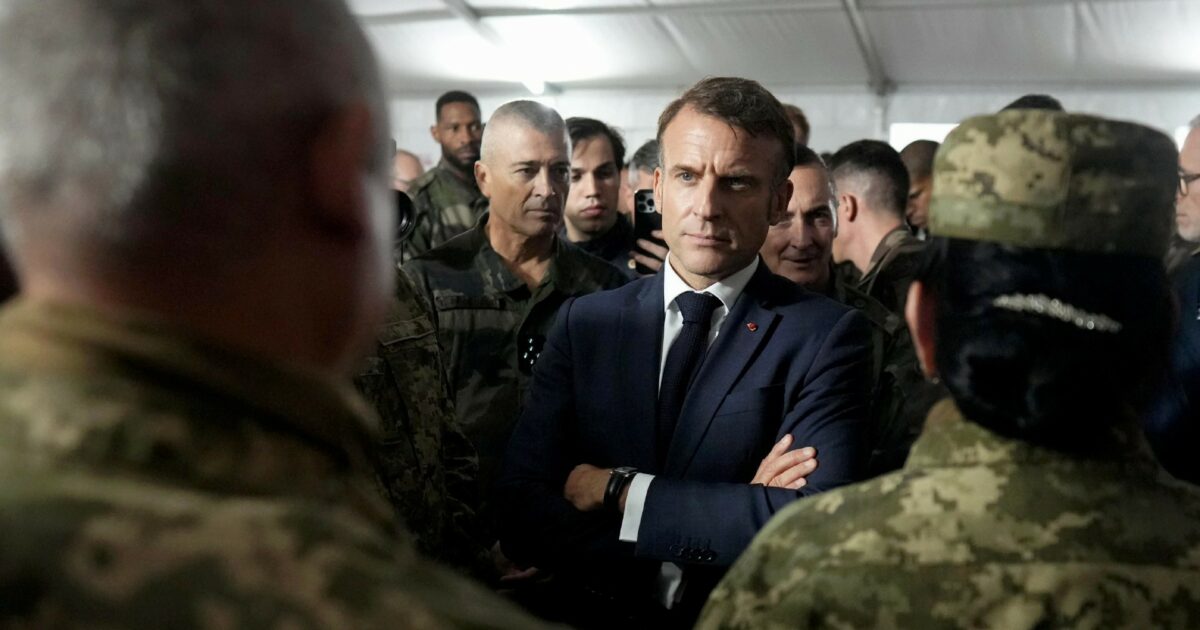
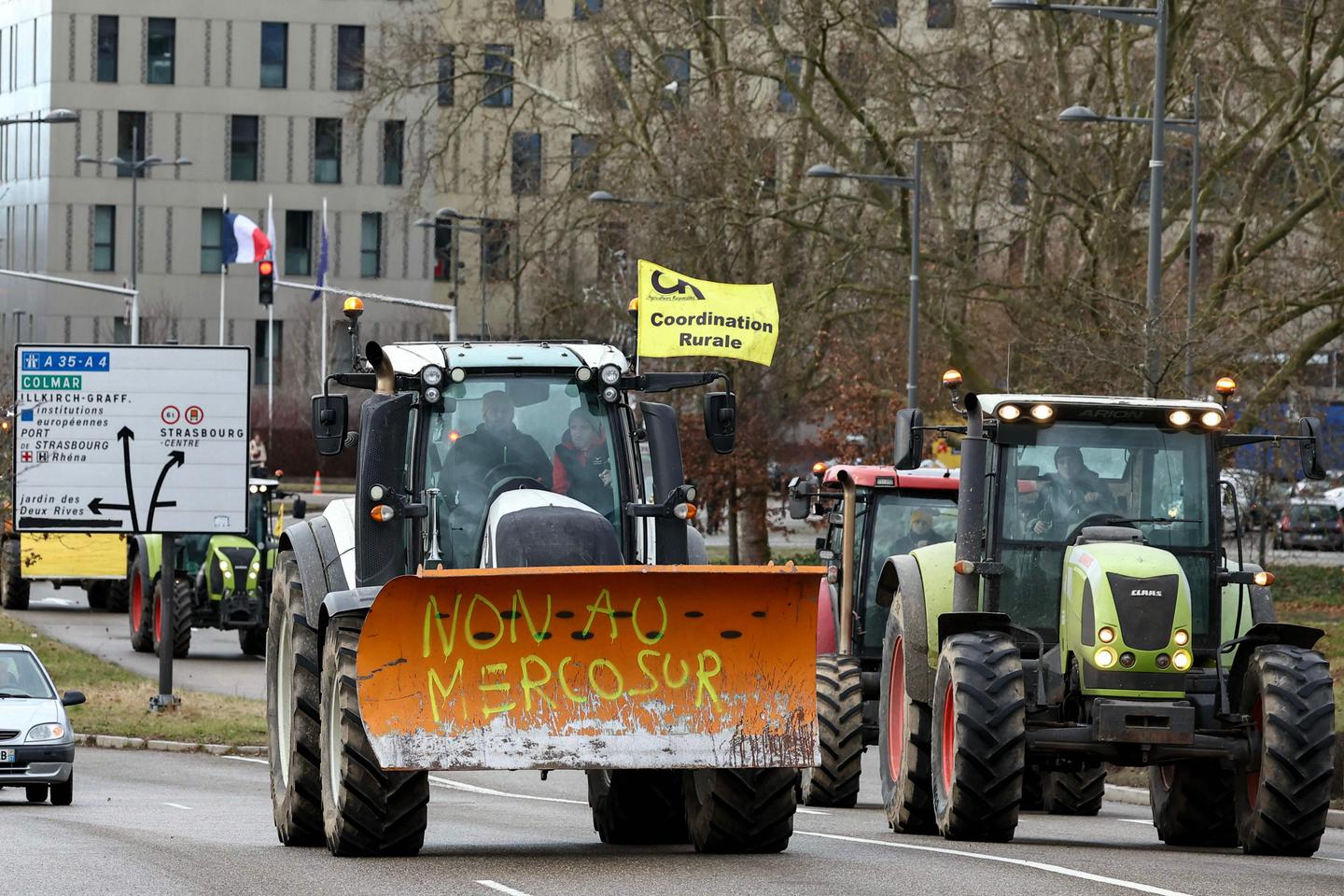
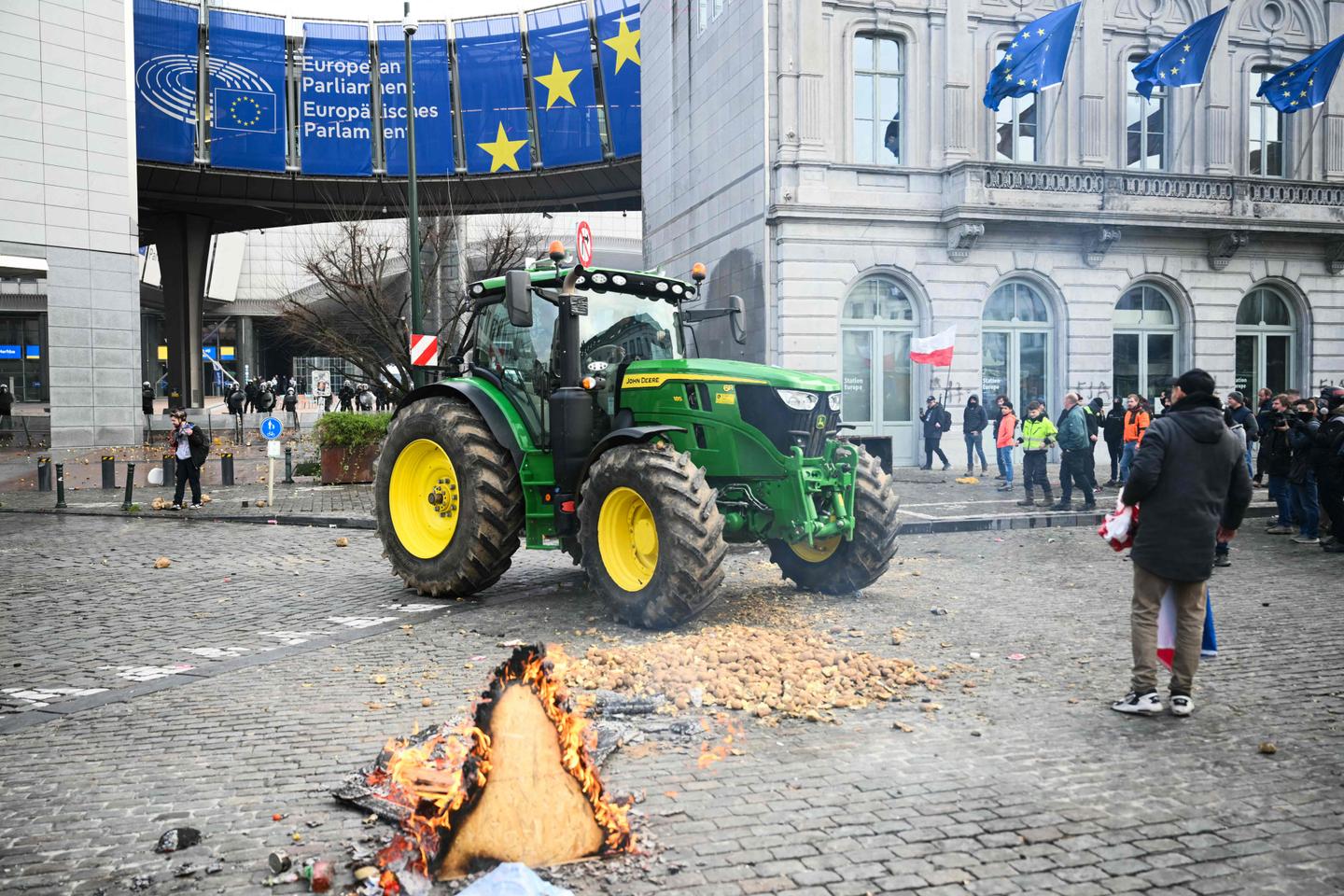
In December, Paris secured a grace period to try to obtain some final concessions aimed at calming the anger of some French farmers, who have been concerned about the agreement's consequences for certain sectors. Yet this new delay only maintained the false pretenses around what looks to be a diplomatic setback and a defeat for Macron, who had promised not to sign the agreement. Above all, the episode risks leaving French public opinion with a sense of political powerlessness – with potentially harmful effects.