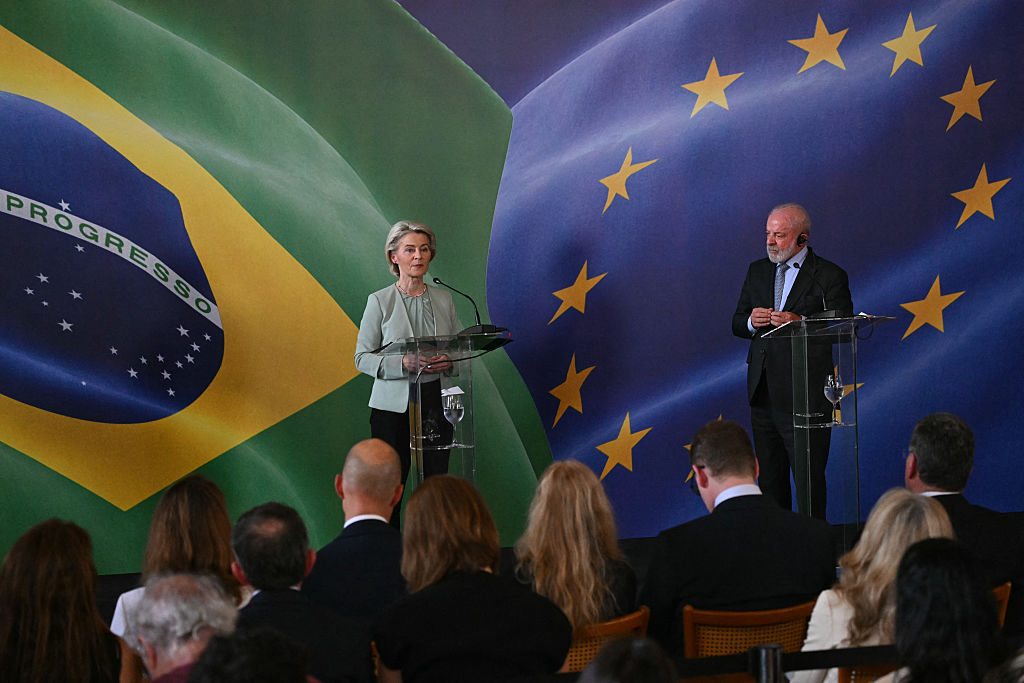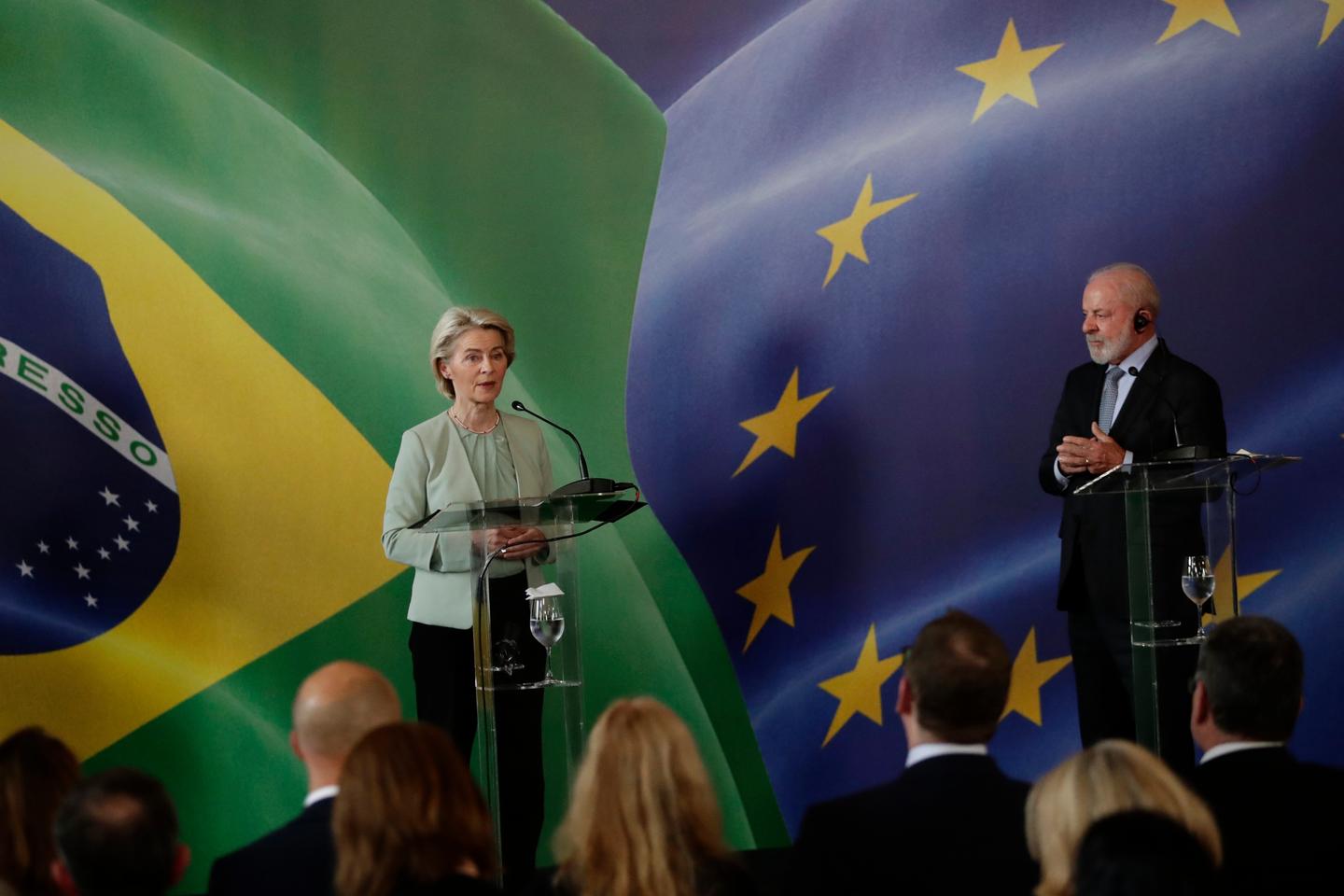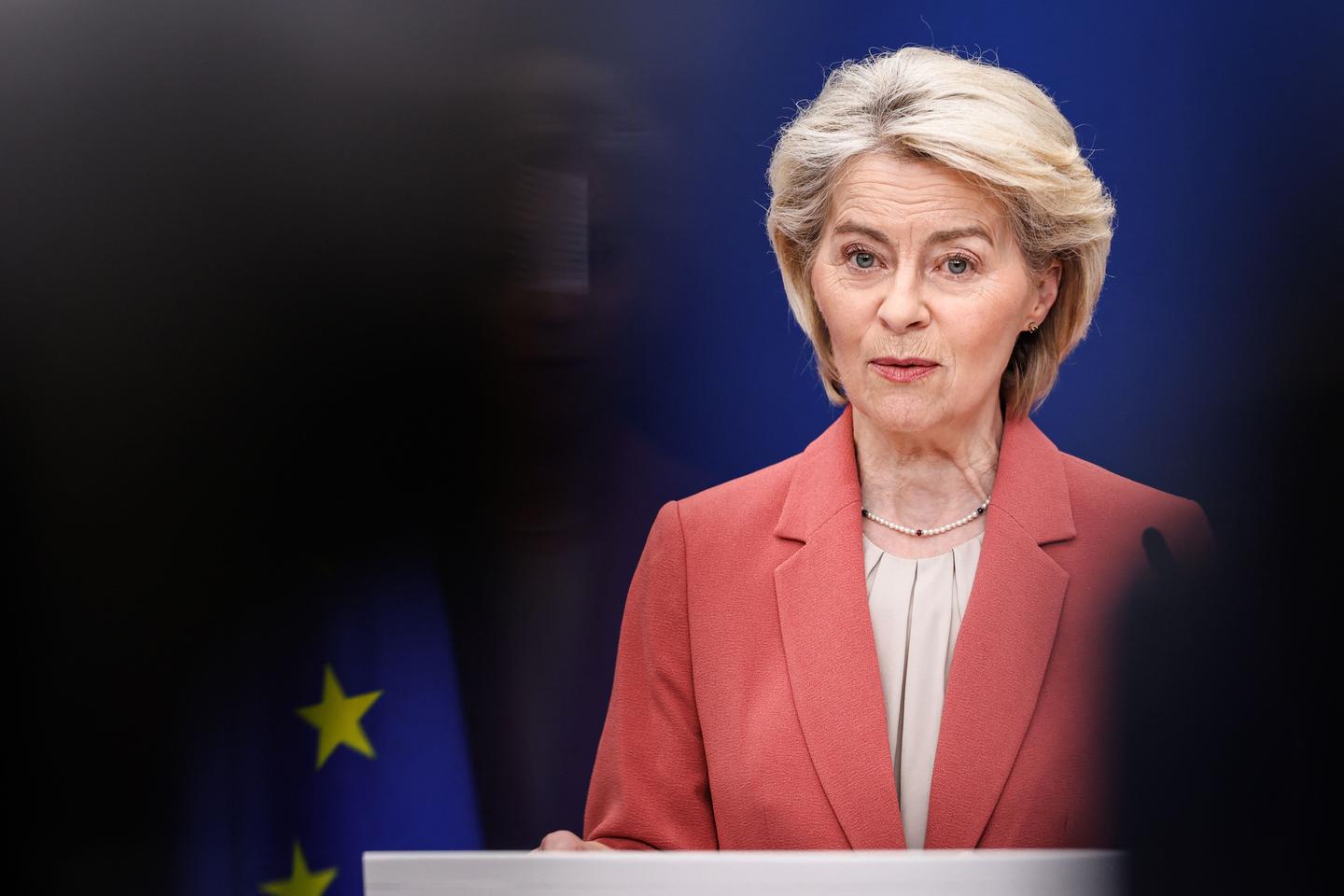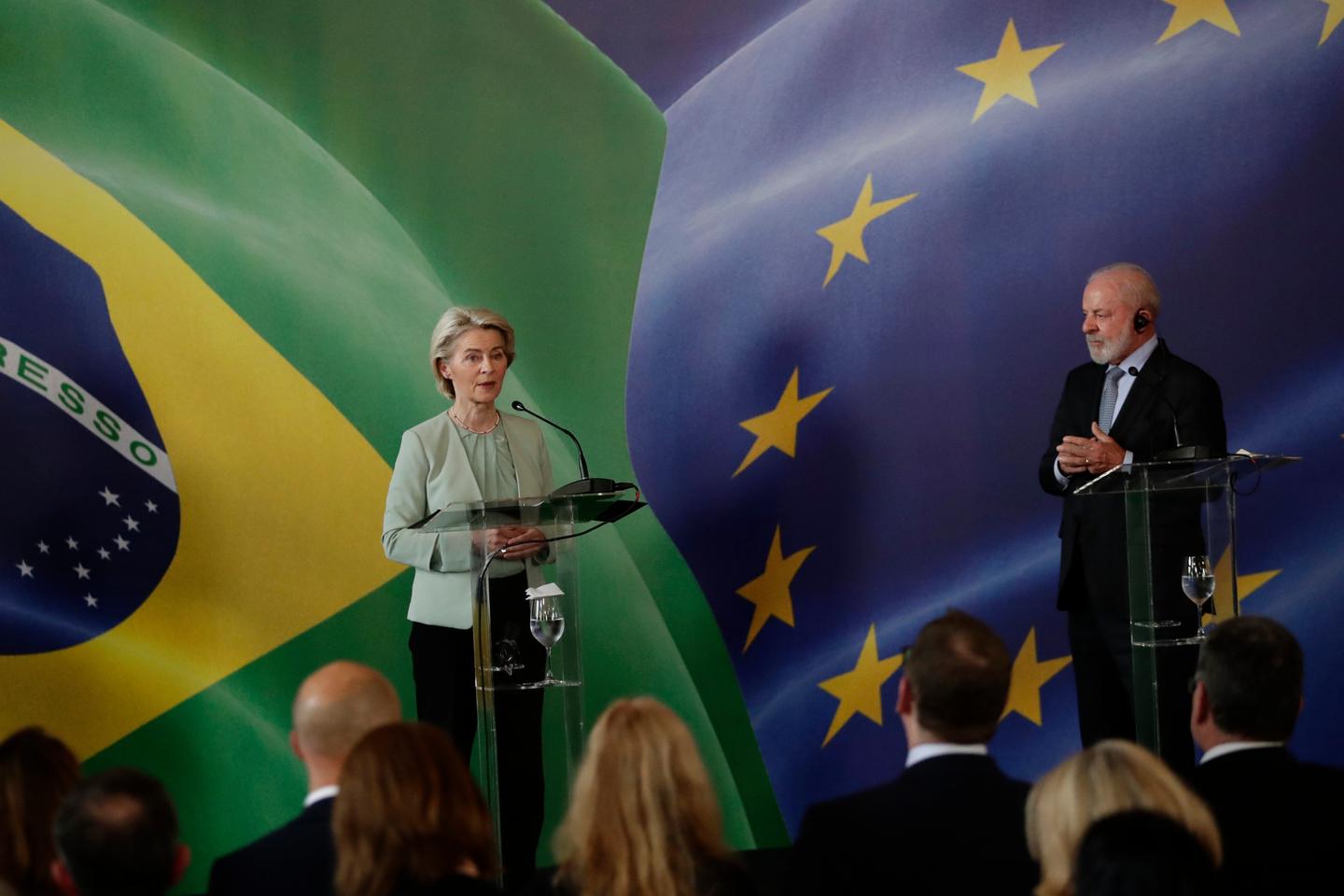
European Commission President Ursula von der Leyen, left, speaks next to Brazilian President Luiz Inacio Lula da Silva during a joint statement after their meeting about the EU-Mercosur trade agreement in Rio de Janeiro, Brazil, Friday, January 16, 2026. BRUNA PRADO/AP
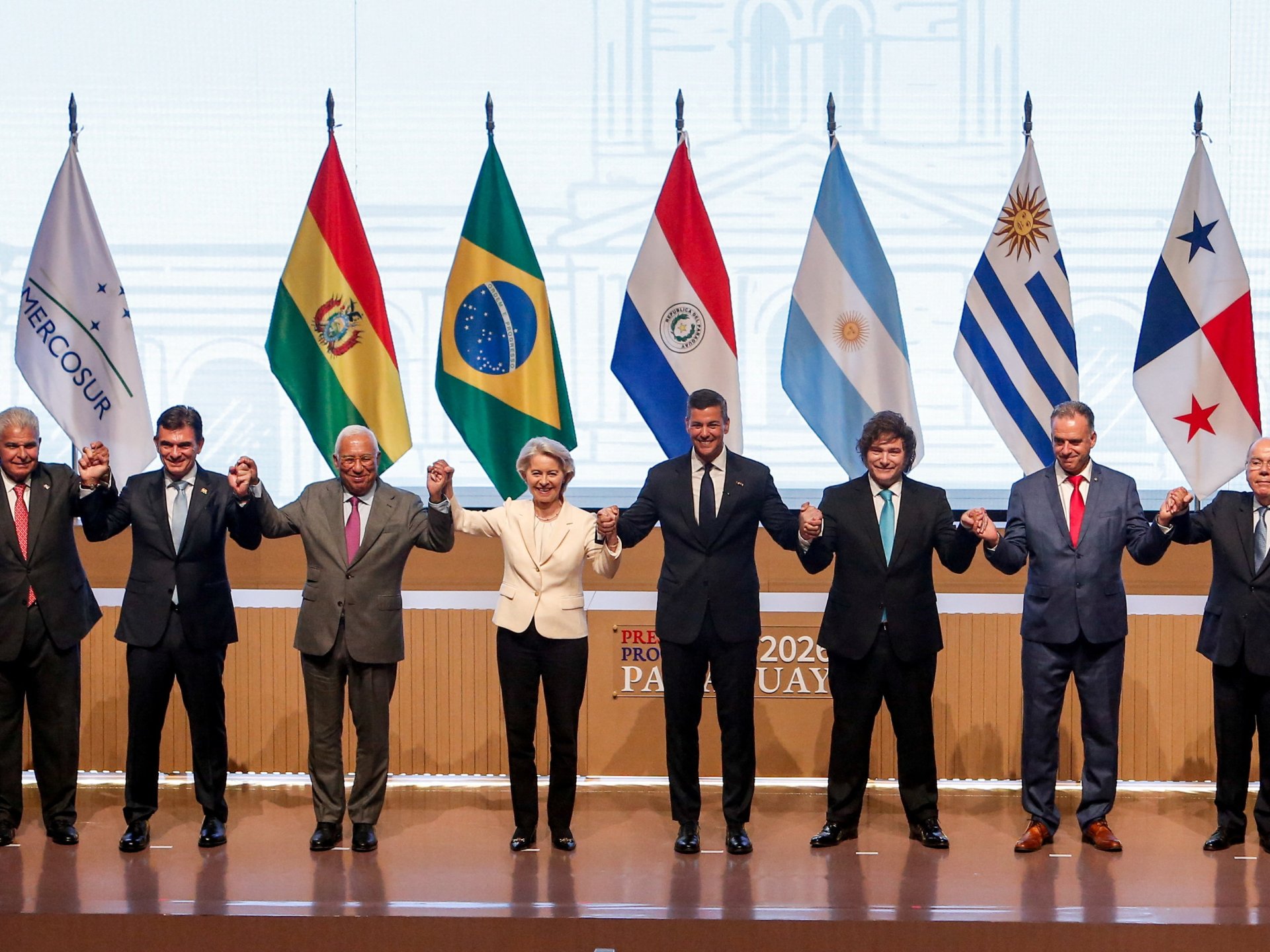
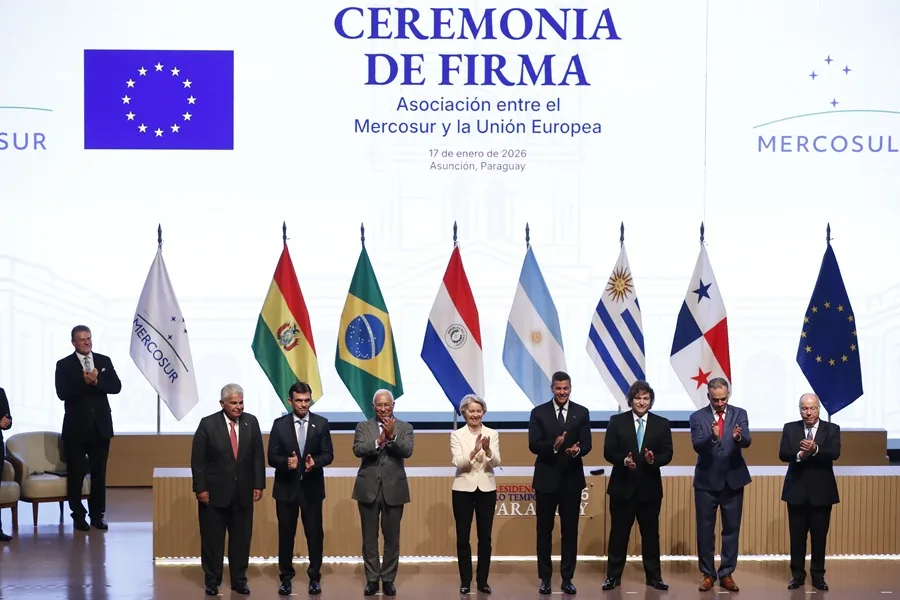
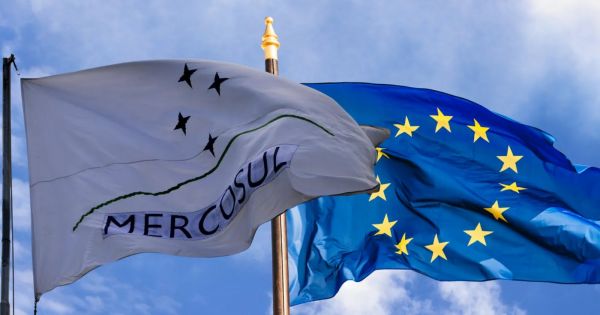
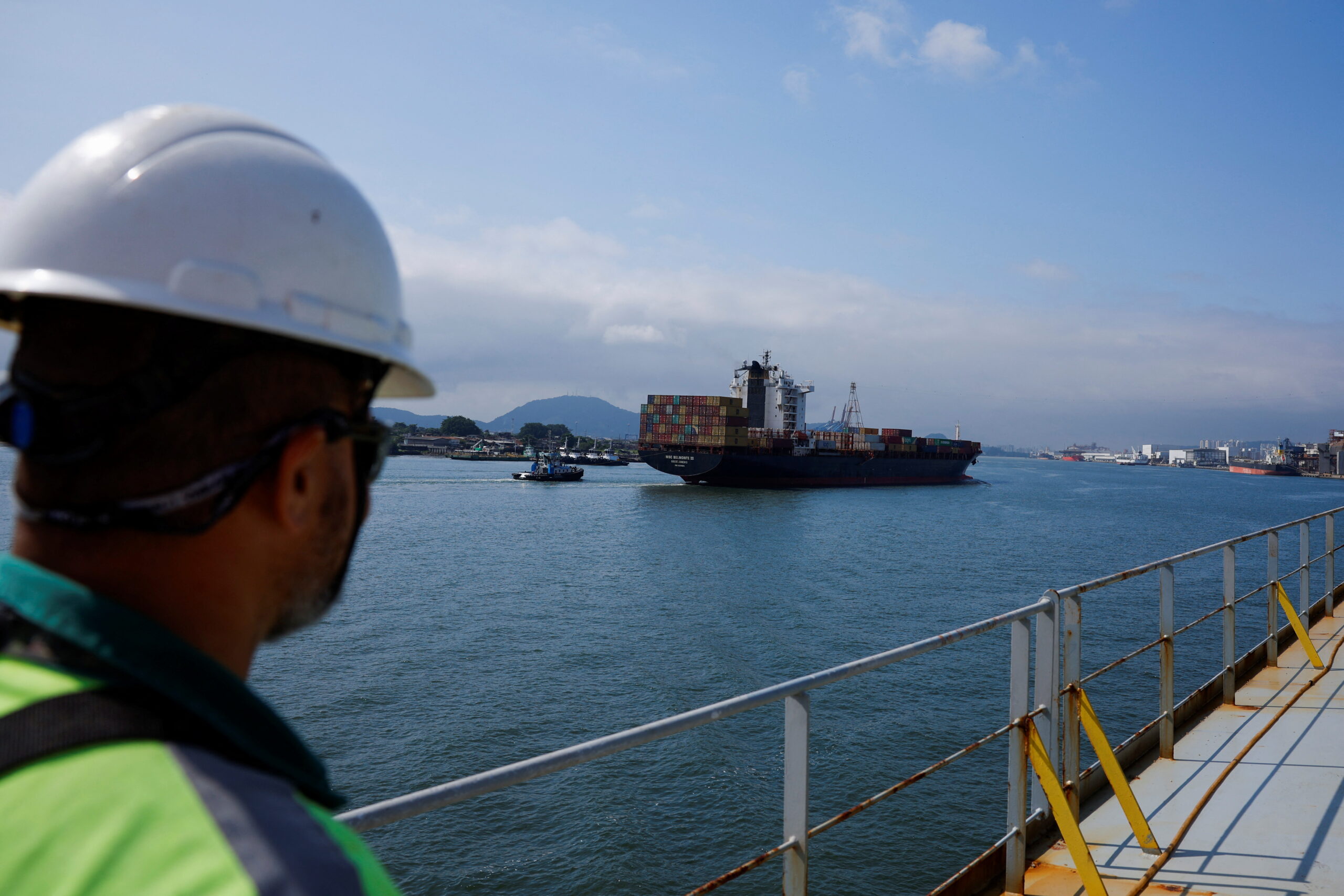
After more than 25 years of negotiations and an official signing in January, the free trade agreement between the European Union and four countries from the Mercosur bloc in South America came into effect on Friday, May 1, on a "provisional" basis. The procedure announced in February by European Commission President Ursula von der Leyen means that the trade treaty will enter its operational phase even before full ratification, and despite the intense controversy surrounding it.
The agreement with Brazil, Argentina, Paraguay and Uruguay is being presented by Brussels as a major economic and geopolitical tool for the EU. Nevertheless, it faces particularly broad opposition in France, where it has crystallized concerns among the agricultural sector, environmentalists and the entire political class.
French President Emmanuel Macron had denounced von der Leyen's announcement in Februrary as a "bad surprise," while French Agriculture Minister Annie Genevard had expressed disappointment over a "very damaging" decision taken "in disregard of the respect owed to the European Parliament's position."