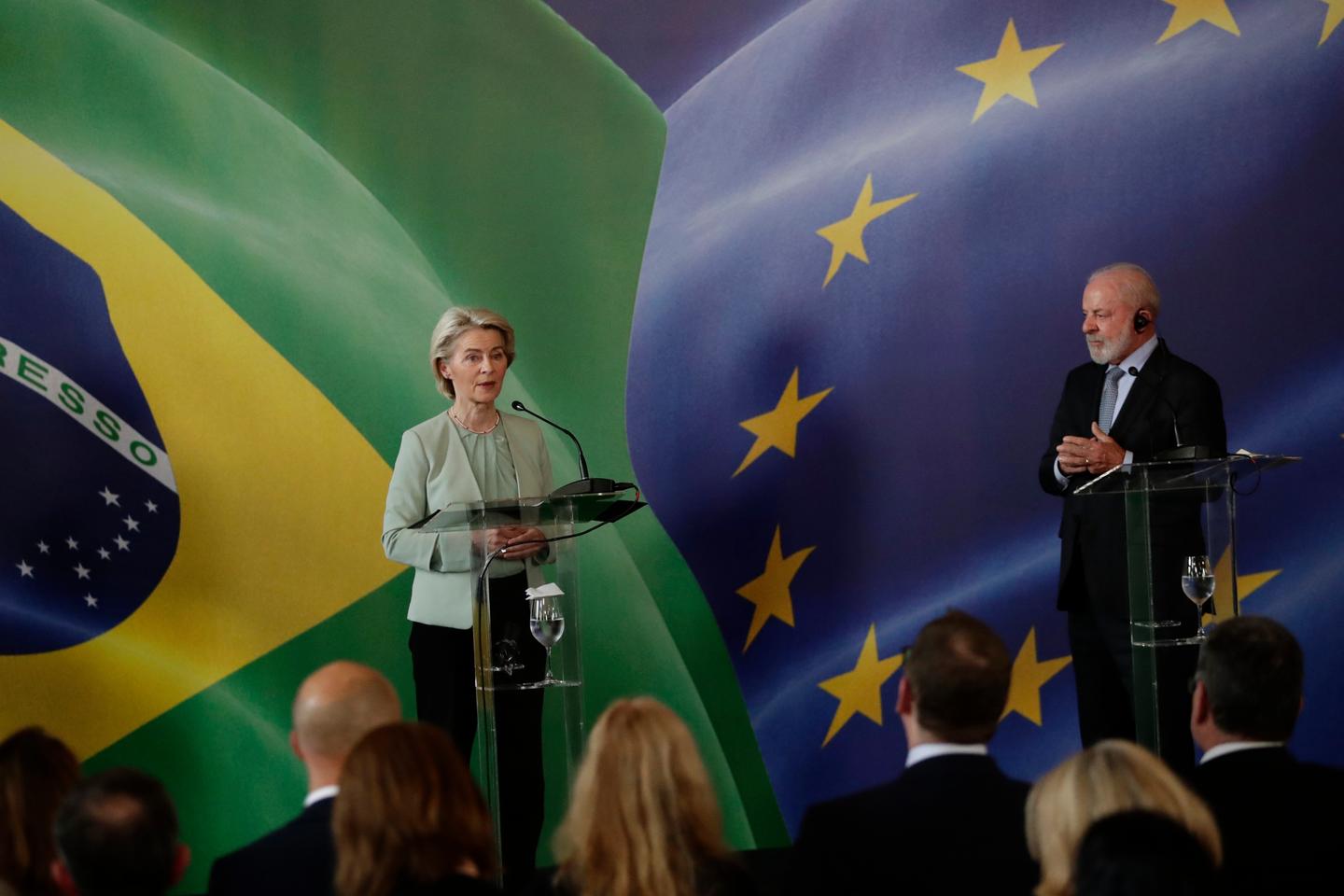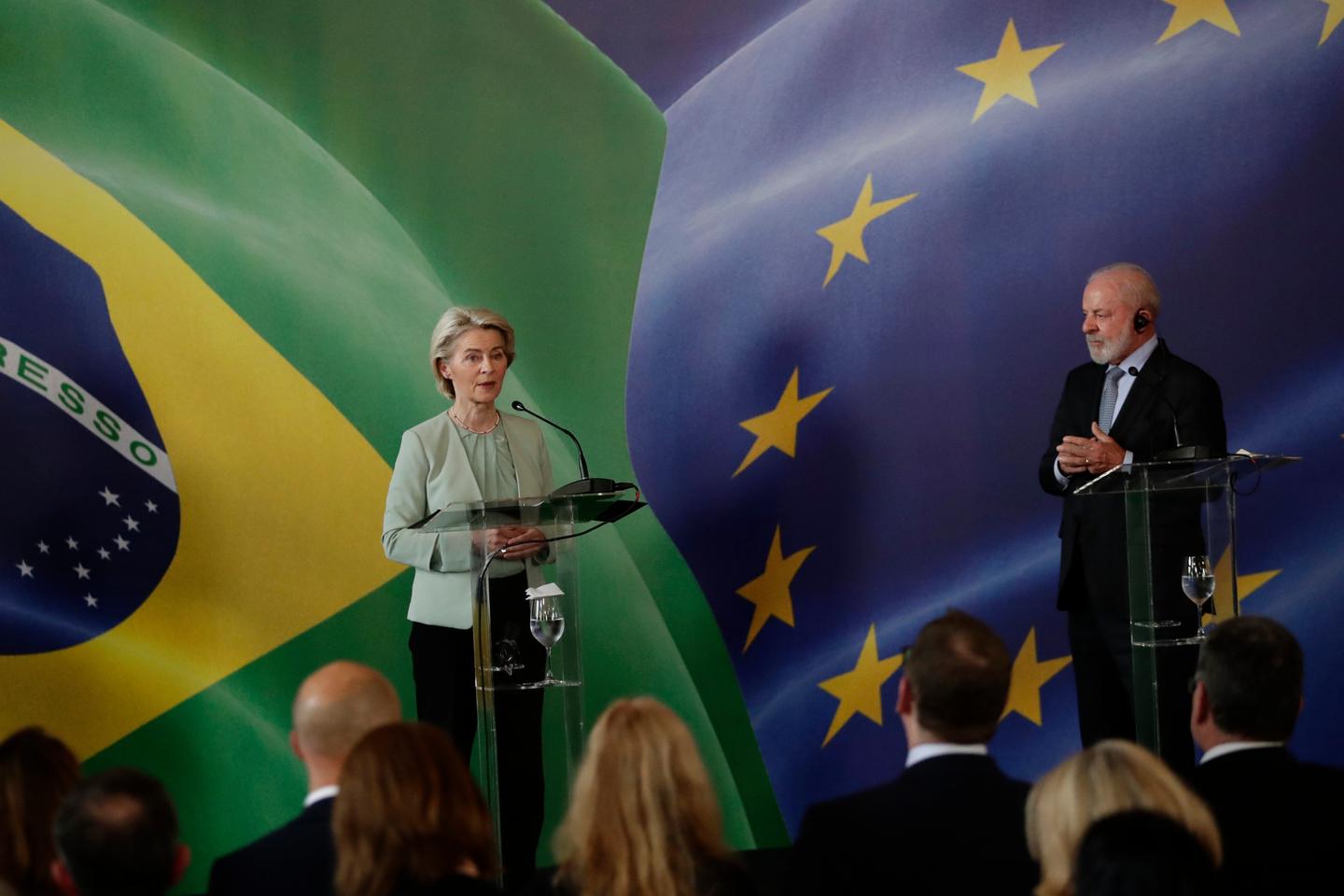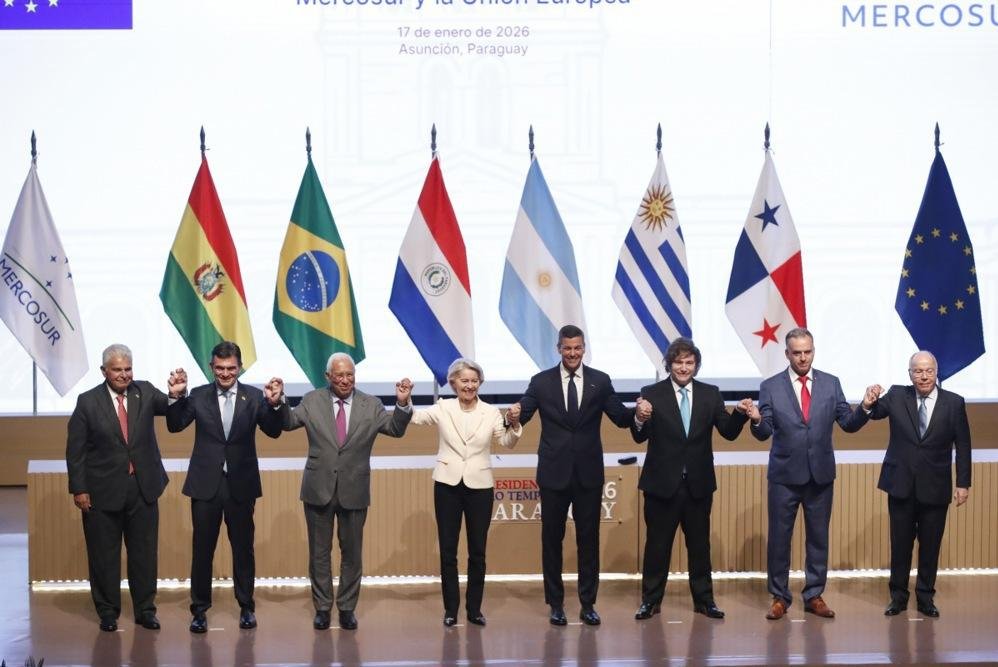
WASHINGTON—As of May 1, the European Commission has provisionally implemented the long-negotiated free trade agreement between the European Union (EU) and the Mercosur bloc of South American countries, which includes Argentina, Brazil, Paraguay, and Uruguay. While there is an ongoing legal challenge to the agreement in the EU, its provisional entry into force is a major milestone for the international economic and strategic agendas of Europe and South America. And it’s even more impressive given the current trend toward tariffs and other forms of protectionism more broadly in international trade.
Decades in the making
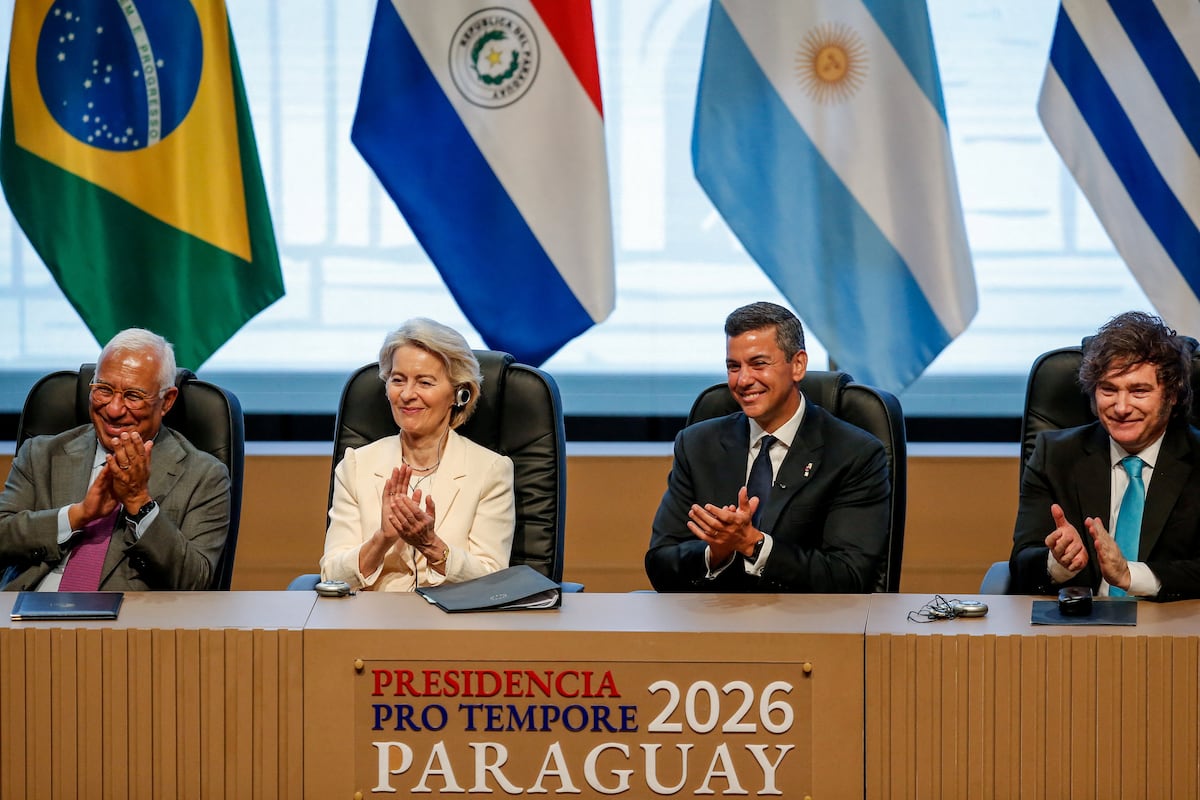
Negotiations for the EU-Mercosur deal began in 2000, but despite interest from both sides—and highly complementary economies—a political agreement between EU and Mercosur leaders was not reached until 2024. The deal itself was not signed until January of 2026. Shortly after its final signature, however, the European Parliament, in response to opposition to the agreement, particularly in countries with strong agricultural sectors such as France and Poland, voted to request an official legal opinion from the Court of Justice of the European Union (CJEU) on the deal’s compatibility with EU law. This is, in essence, a last-ditch attempt to block the agreement, in response to protests by farmers across Europe and to criticism by far-left and far-right European politicians alike.