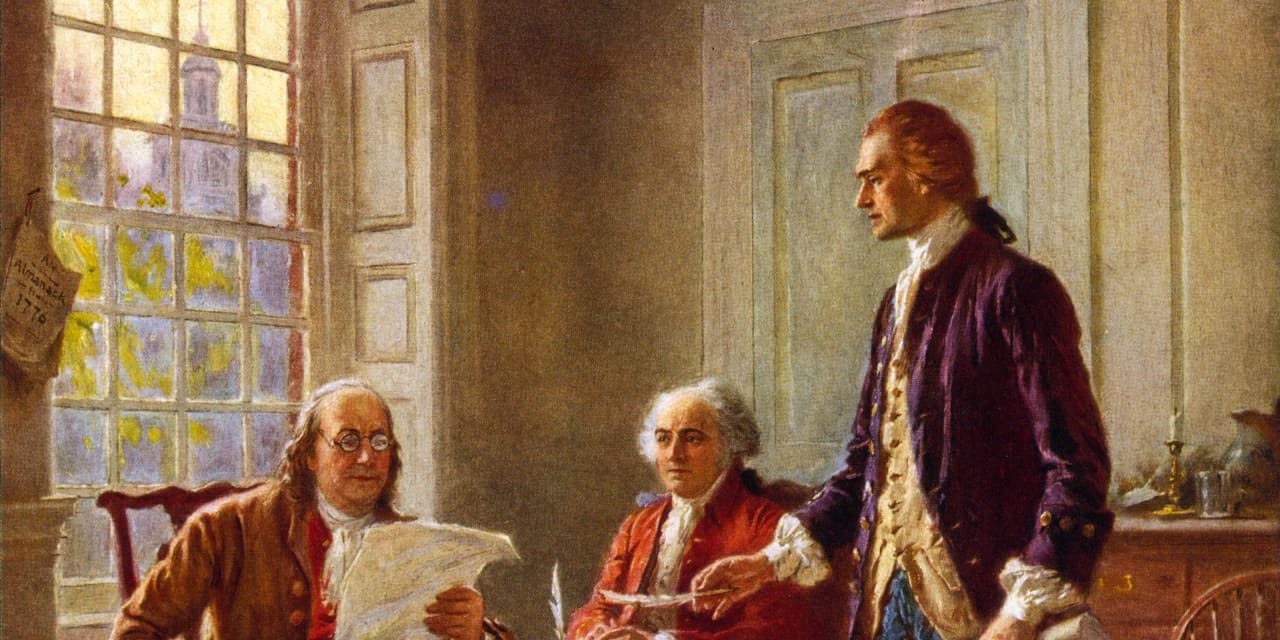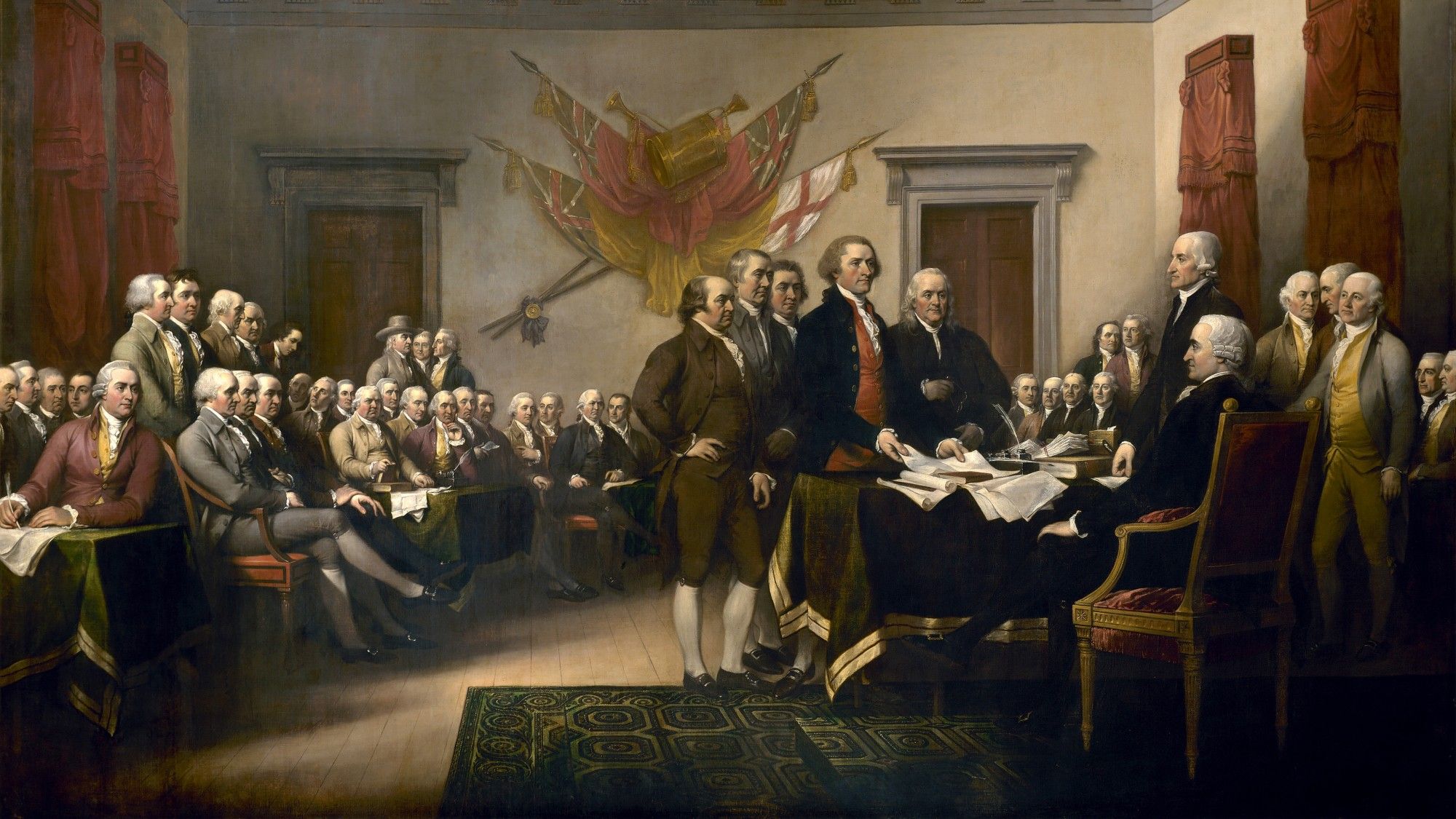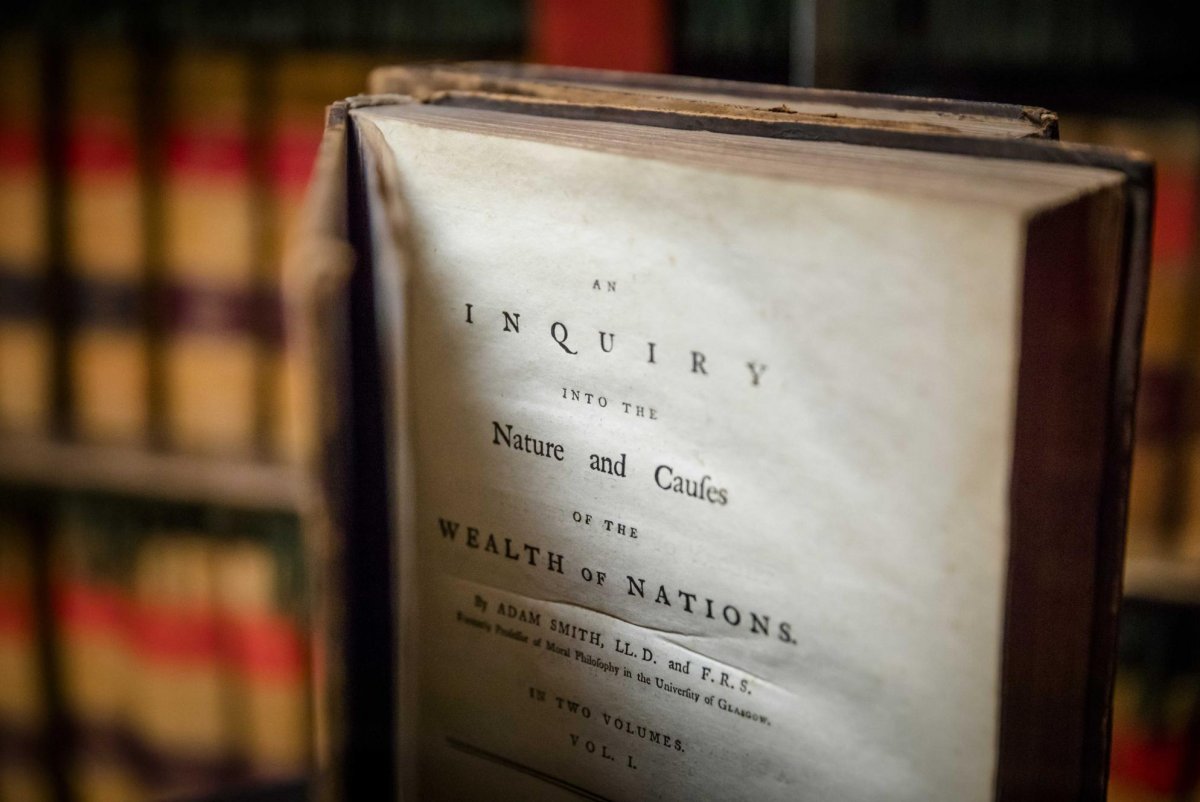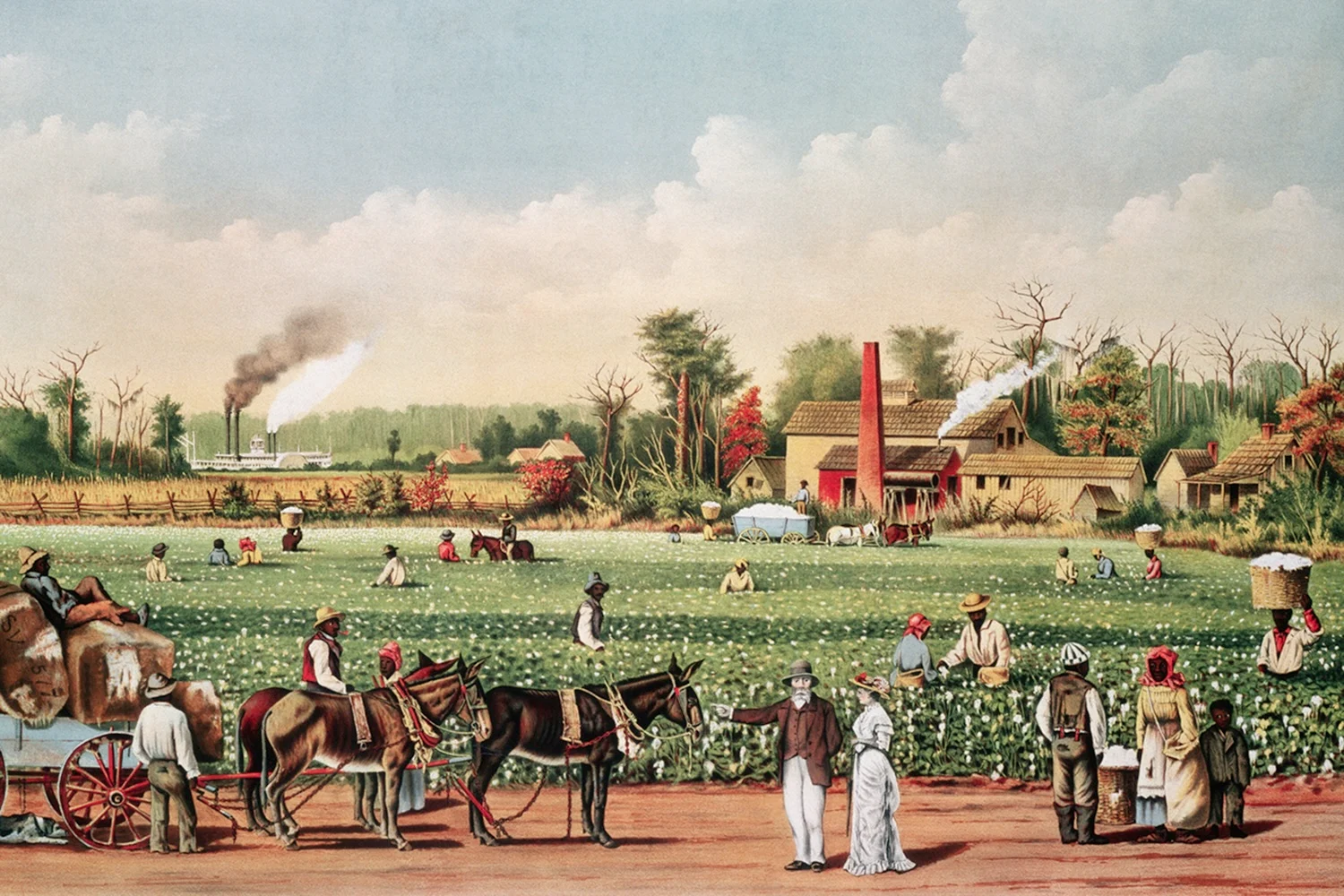
The Declaration of Independence, which founded the United States as an independent nation, was written in 1776—the same year that Adam Smith published The Wealth of Nations, the most prominent early treatise on international capitalism. Whether that represents a coincidence remains an ongoing debate. What’s clear, however, is that over the past two and a half centuries, the United States emerged as a slave economy, a free labor economy, a debtor nation, a creditor nation, and ultimately a powerful empire.
How central was slavery to U.S. economic history? Why has the United States lacked a strong tradition of socialism? Is there something distinct about the role of immigration in U.S. economic history?
Those are just a few of the questions that came up in my recent conversation with FP economics columnist Adam Tooze on the podcast we co-host, Ones and Tooze. What follows is an excerpt, edited for length and clarity. For the full conversation, look for Ones and Tooze wherever you get your podcasts. And check out Adam’s Substack newsletter.
Cameron Abadi: Was slavery peripheral or central to American economic life at the beginning of the country’s history—and is that traceable today as well?