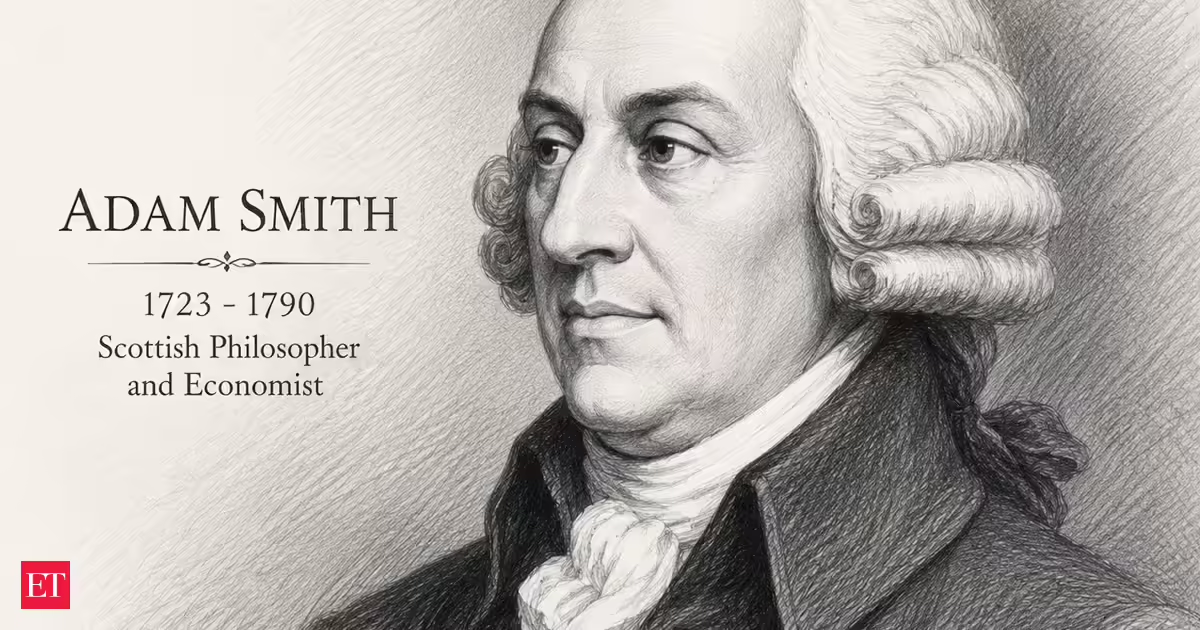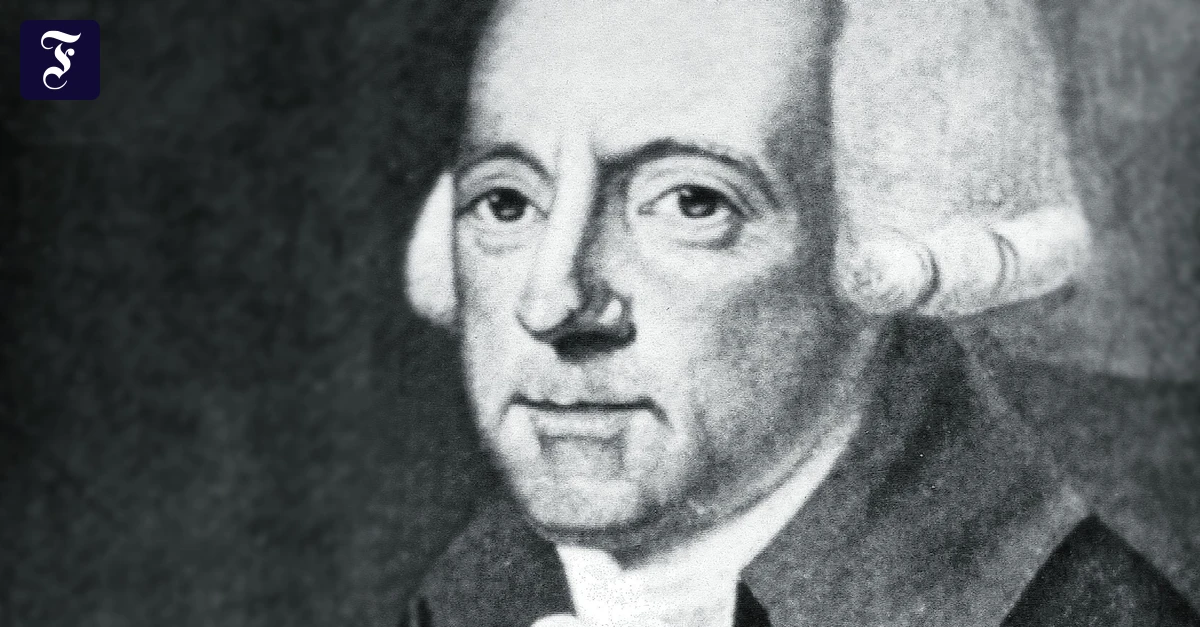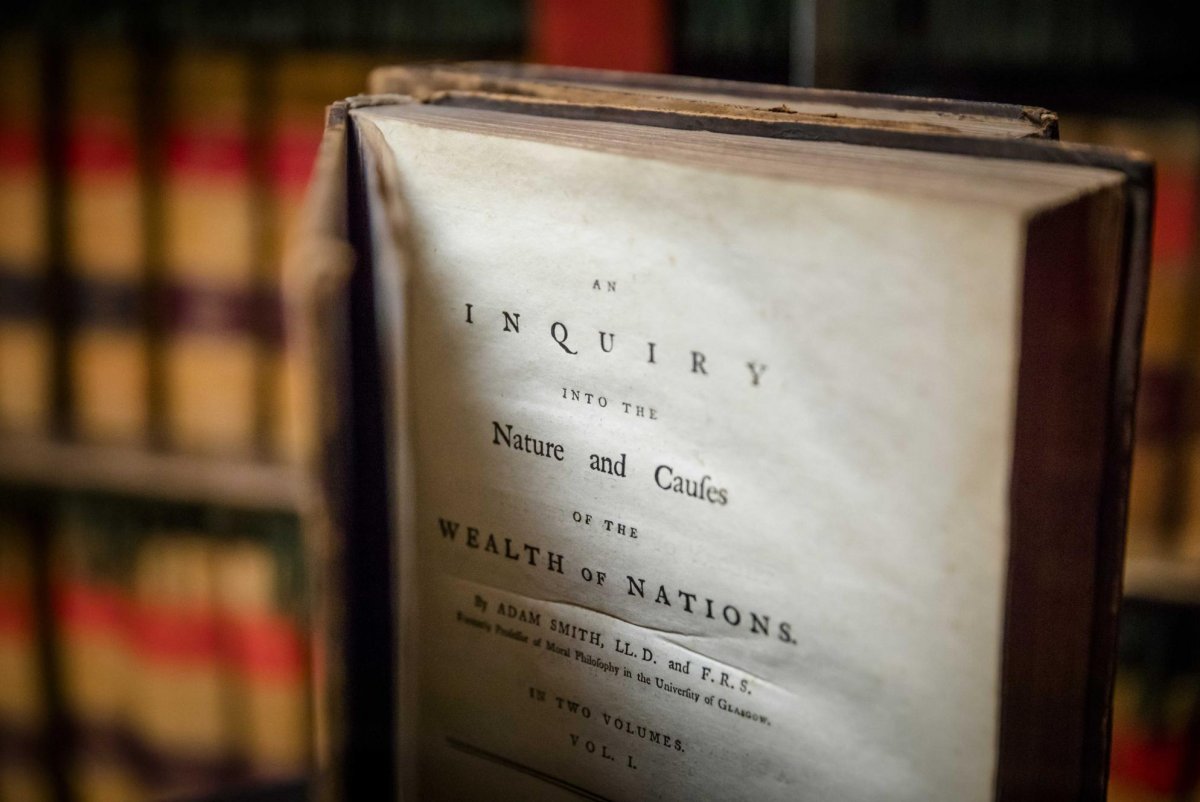
A first edition of the book "The Wealth Of Nations," by Scottish economist and philosopher Adam Smith, on display at the library of the Dutch House of Representatives (Tweede Kamer) in the Hague, the Netherlands, in 2018. File Photo by Bart Maat/EPA
Aug. 11 (UPI) -- Adam Smith is universally recognized as one of the founders of modern political economy. This year marks the 250th anniversary of the publication of his masterpiece, An Inquiry into the Nature and Causes of the Wealth of Nations, better known simply as The Wealth of Nations.
But Smith was not, in the modern sense, primarily an economist. The origins of his thought lie in logic and moral philosophy, which he taught at the University of Glasgow. For Smith, economics emerged from within moral philosophy, not outside it.
That is worth remembering because Smith is too often reduced to a caricature: the philosopher who supposedly taught that self-interest alone is sufficient to organize society. His actual vision of human beings was considerably richer. Seventeen years before The Wealth of Nations, Smith published The Theory of Moral Sentiments, examining sympathy, conscience and self-command. Economic freedom, in Smith's thought, existed within a moral universe.