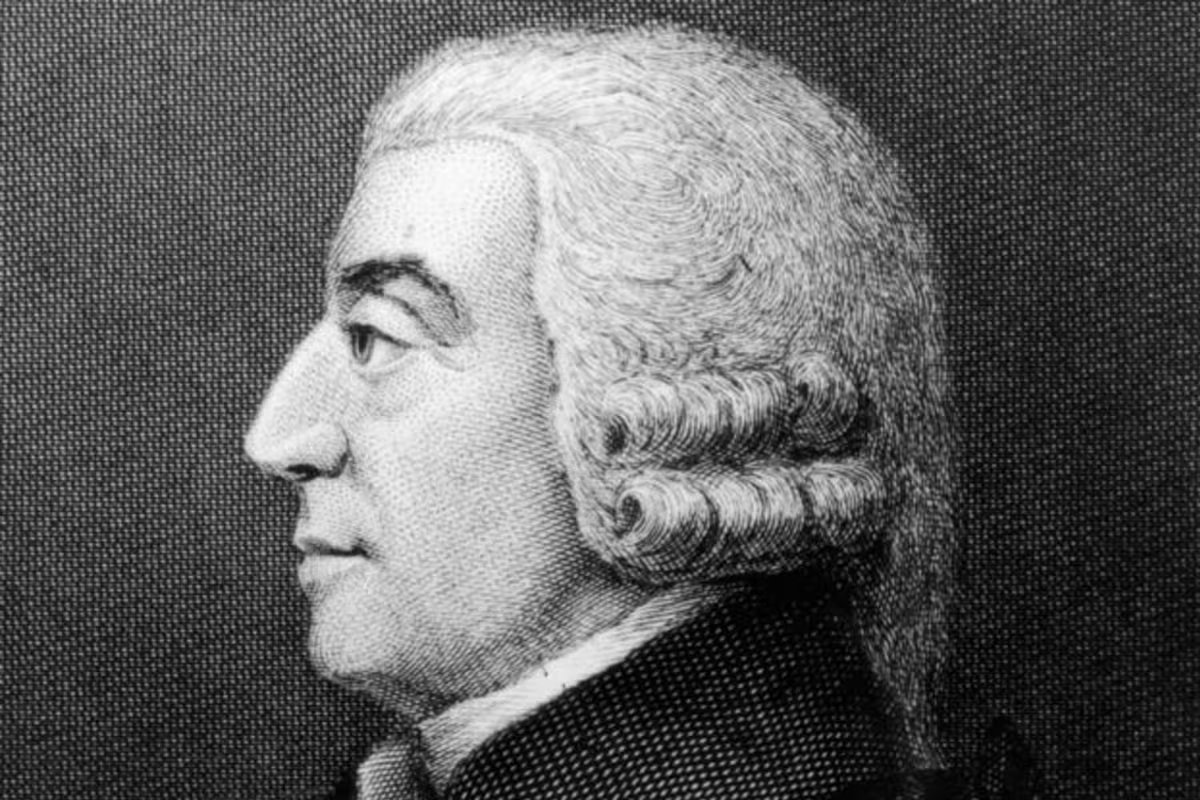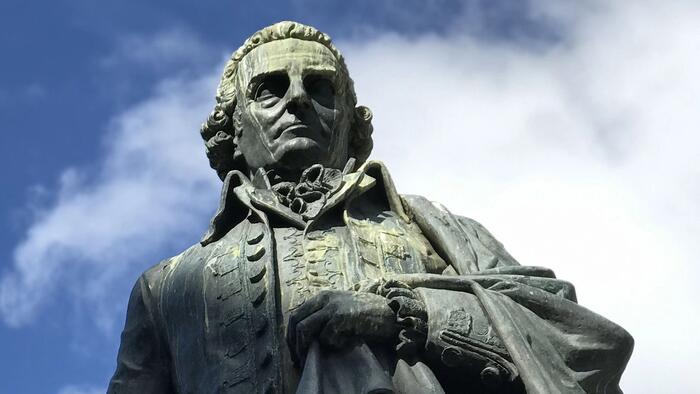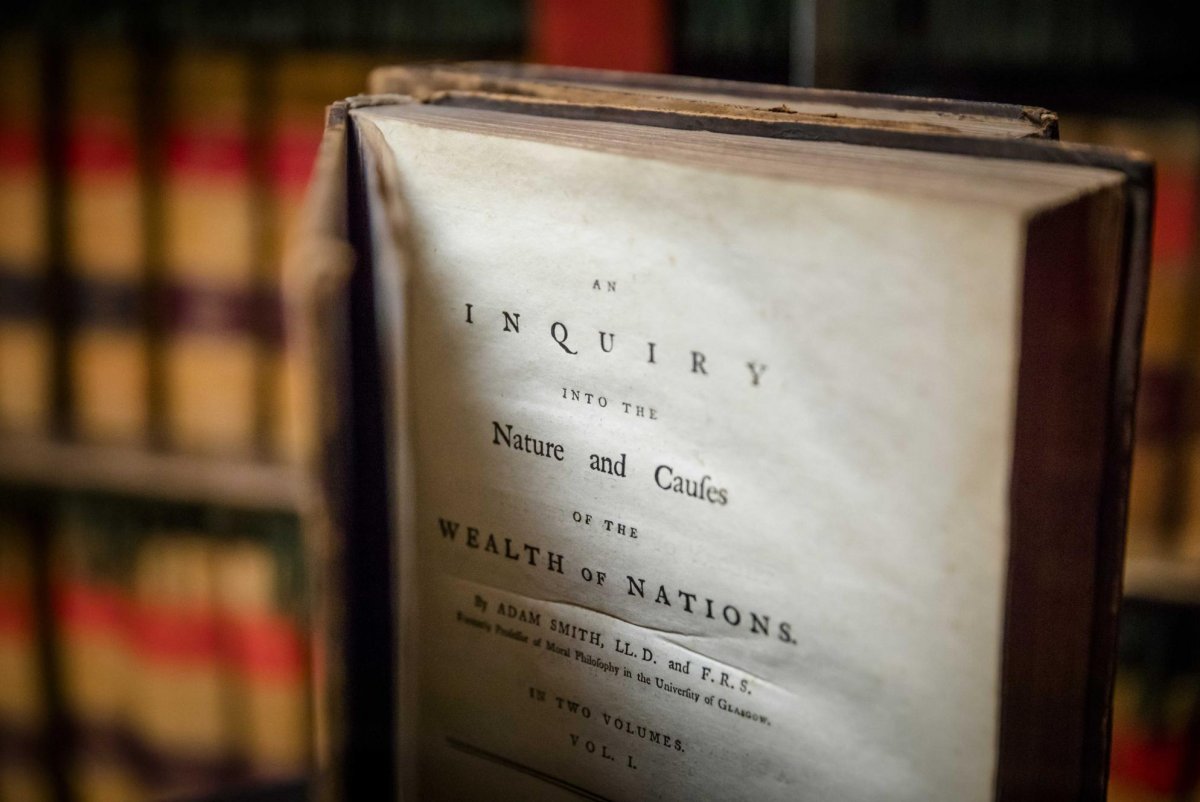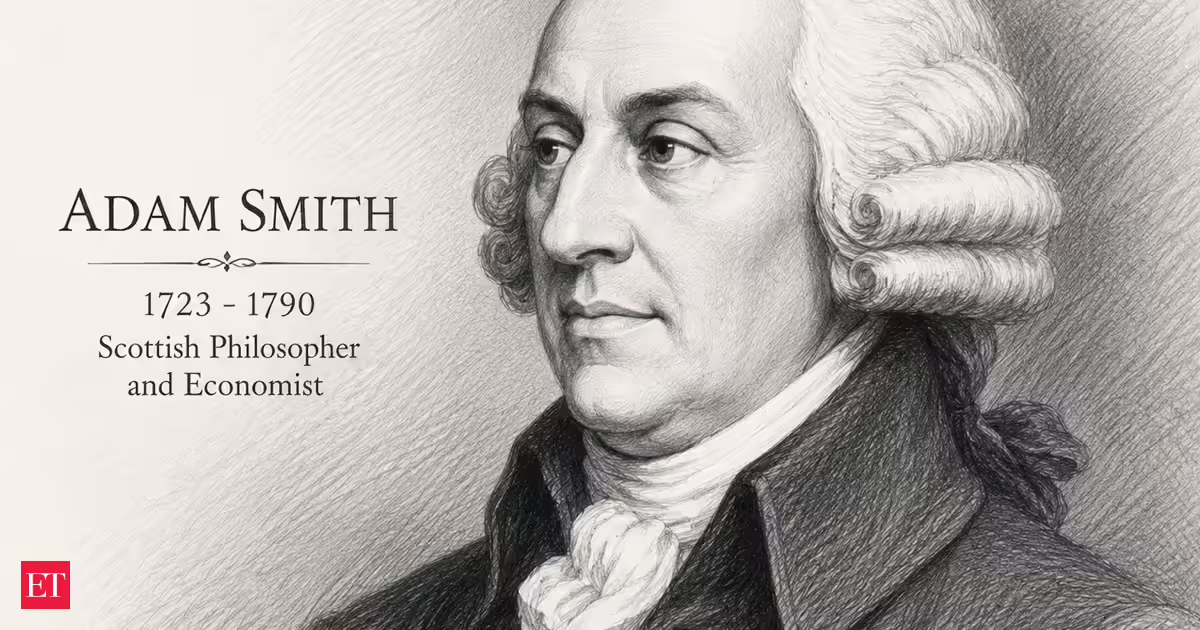
Adam Smith is widely known as the 'Father of Modern Economics', but his influence went far beyond money and markets. Through his ideas and writings, Smith changed the way people thought about economics, trade, society, and human behavior. Even centuries after his work was published, many of his ideas continue to shape discussions around business and economic systems around the world. Smith was born on June 16, 1723, in Kirkcaldy, Scotland. From an early age, he showed a strong interest in learning and later studied philosophy and social sciences. He attended the University of Glasgow and later continued his studies at Oxford University. His curiosity about how societies functioned eventually led him toward economics and political thought.He gained worldwide recognition through his famous book 'The Wealth of Nations', published in 1776. The book examined how economies operate and introduced ideas that later became the foundation of modern economics. One of Smith’s most discussed concepts was the 'invisible hand', which suggested that individuals pursuing their own interests can unintentionally benefit society as a whole.Quote of the dayQuote of the day - "Science is the great antidote to the poison of enthusiasm and superstition," is widely attributed to Scottish philosopher Adam Smith.Meaning of the quoteThe quote of the day by Adam Smith highlights the importance of knowledge, facts, and rational thinking. It suggests that science helps people separate truth from beliefs that may be driven by emotions, assumptions, or misinformation. Throughout history, people have often feared or misunderstood things they could not explain. Superstitions and blind beliefs sometimes influenced decisions because there was little understanding of how things actually worked. Science changed that by encouraging observation, evidence, and questioning. Adam Smith’s words remind people that curiosity and learning can help remove confusion and fear. Instead of accepting something simply because others believe it, science encourages people to ask questions and seek proof.While many people know Smith for his economic ideas, he was also deeply interested in morality and human behavior. Before 'The Wealth of Nations', he wrote another important work, 'The Theory of Moral Sentiments'. In that book, he explored emotions, ethics, sympathy, and how people make moral decisions.Smith believed that knowledge and reason played an important role in improving society. Many of his quotes continue to be shared because they encourage people to think critically and question assumptions.Although Adam Smith lived in the 18th century, his influence remains visible today. His work continues to be remembered not only for changing economics but also for offering insights into human nature and society.
Quote of the day by 'Father of modern economics' Adam Smith: 'Science is the great antidote to the poison of...' - Scottish philosopher's powerful life lesson on the importance of reason and knowledge
Adam Smith, the 'Father of Modern Economics', profoundly shaped our understanding of trade, society, and human behavior. His seminal work, 'The Wealth of Nations', introduced groundbreaking concepts like the 'invisible hand'. Beyond economics, Smith explored morality and the power of reason, advocating for critical thinking. His enduring insights continue to influence global discussions on business and human nature, urging us to seek knowledge and question assumptions.
420 words~2 min read