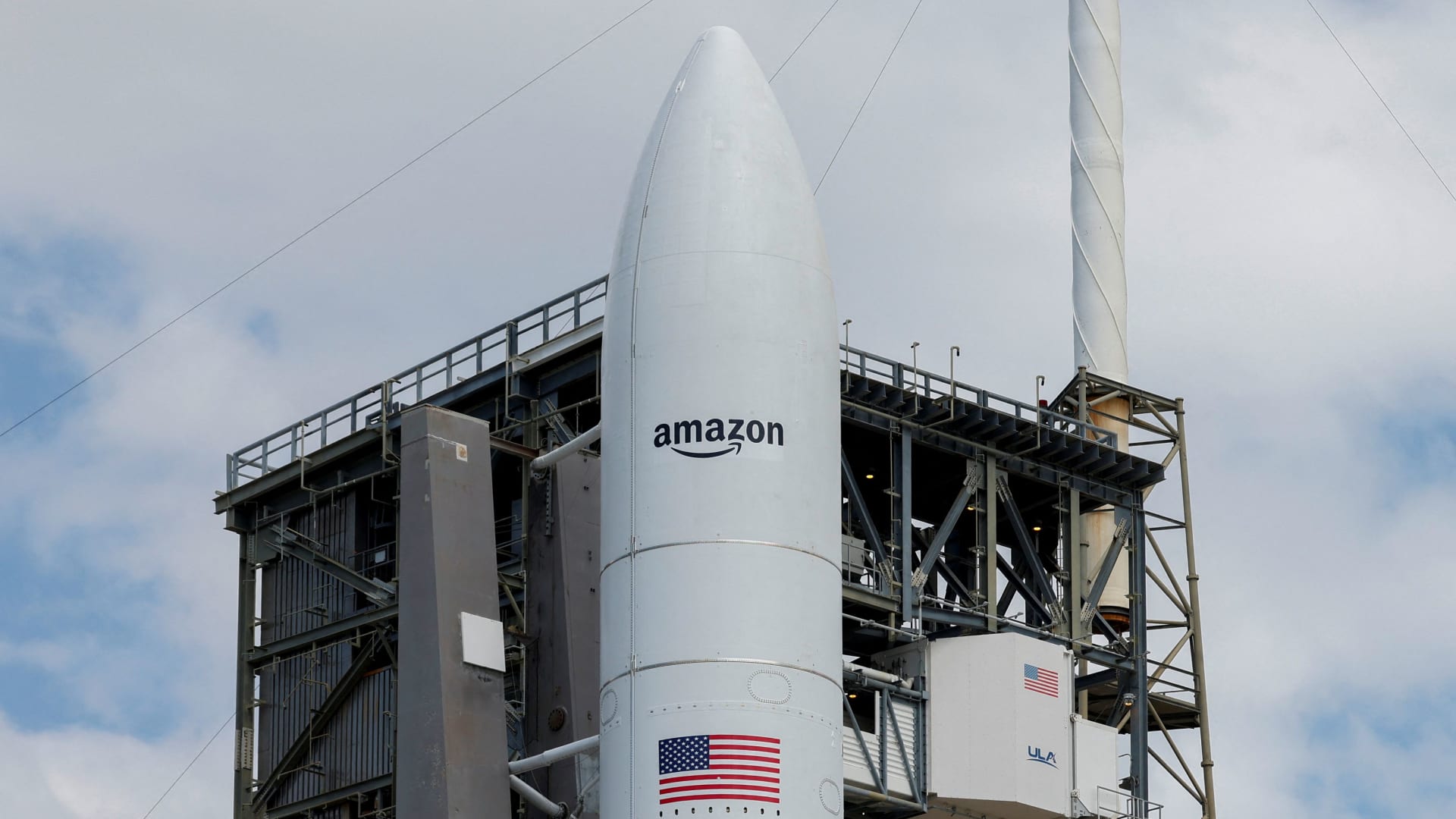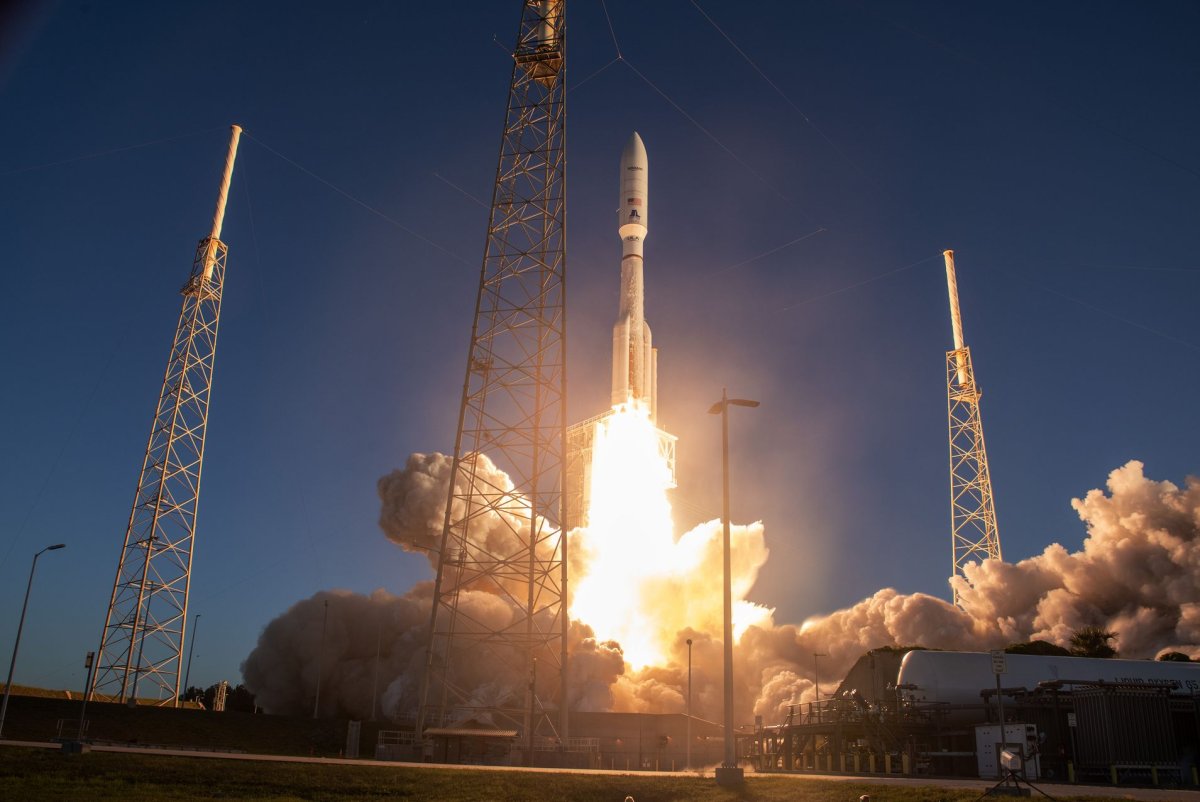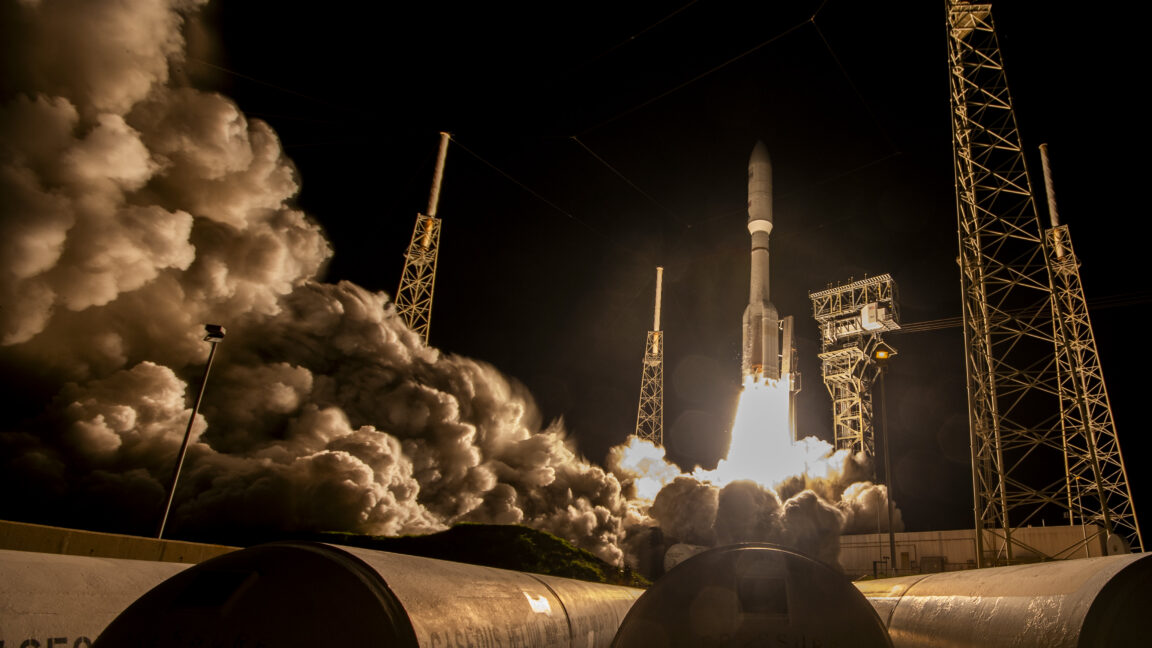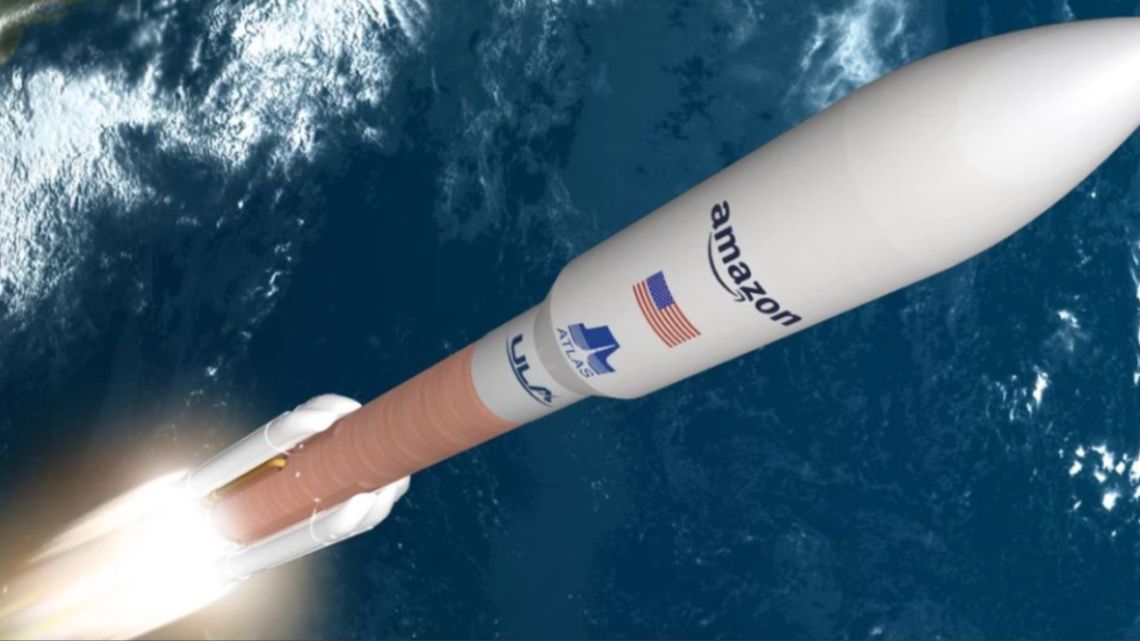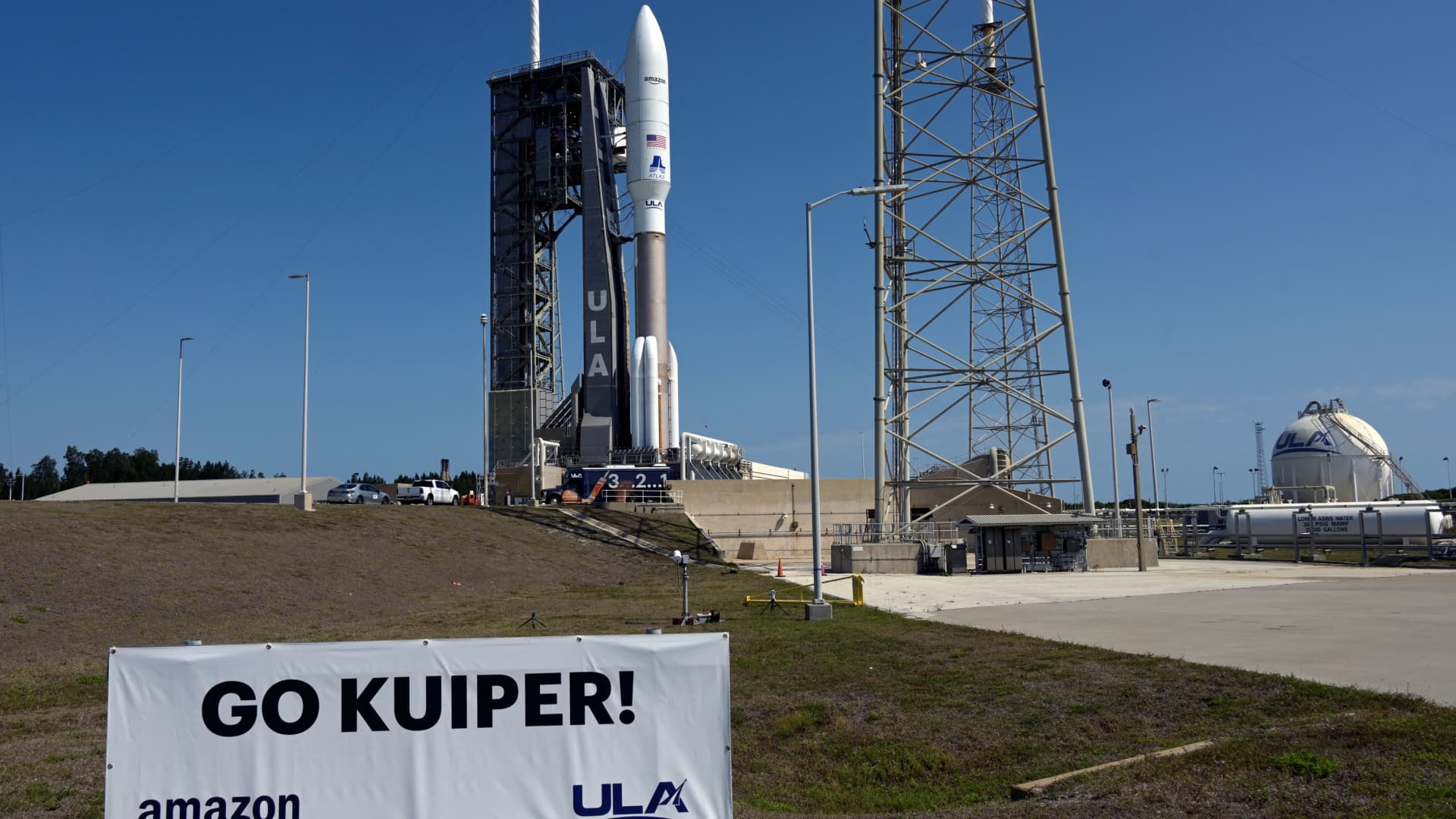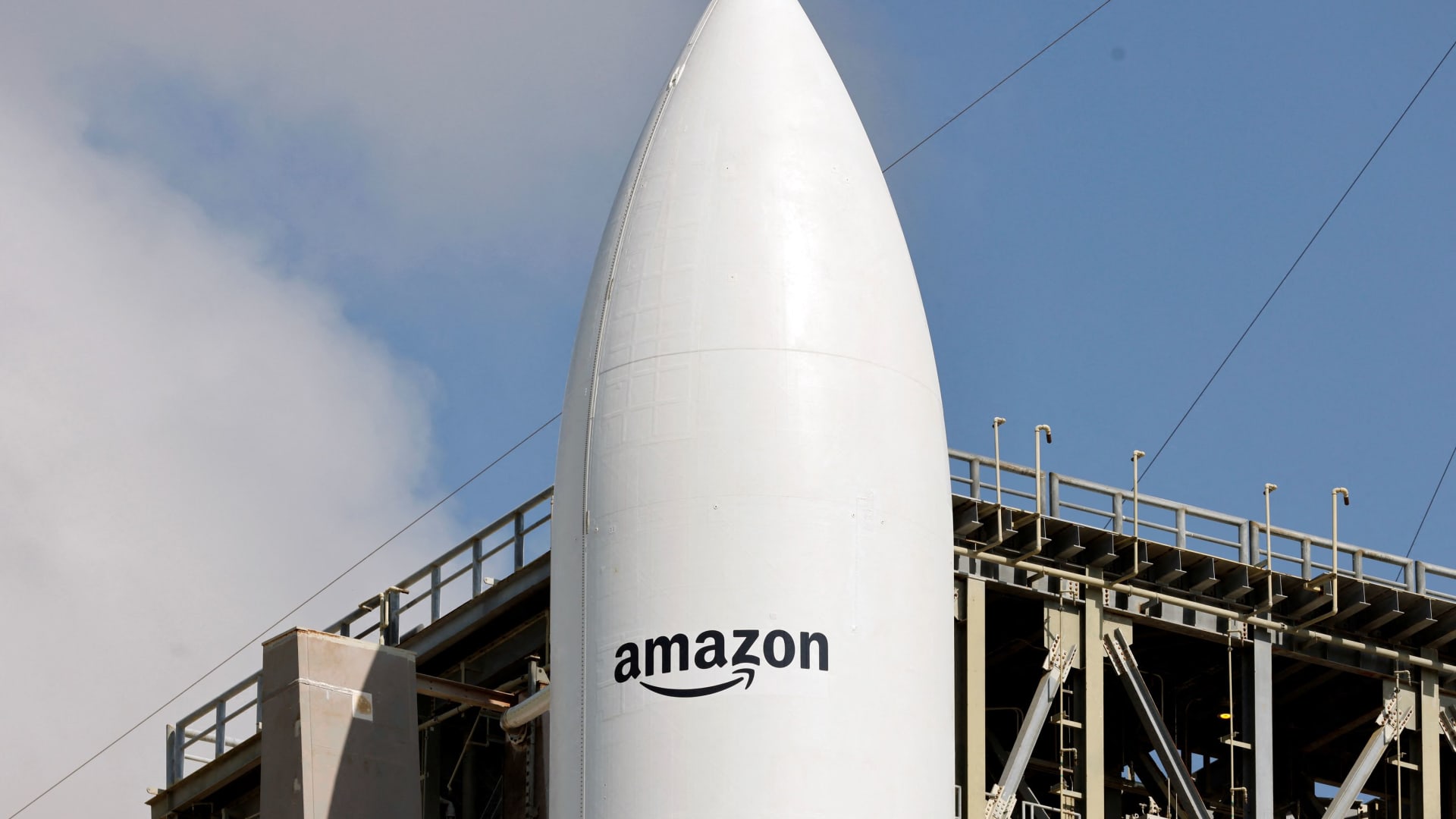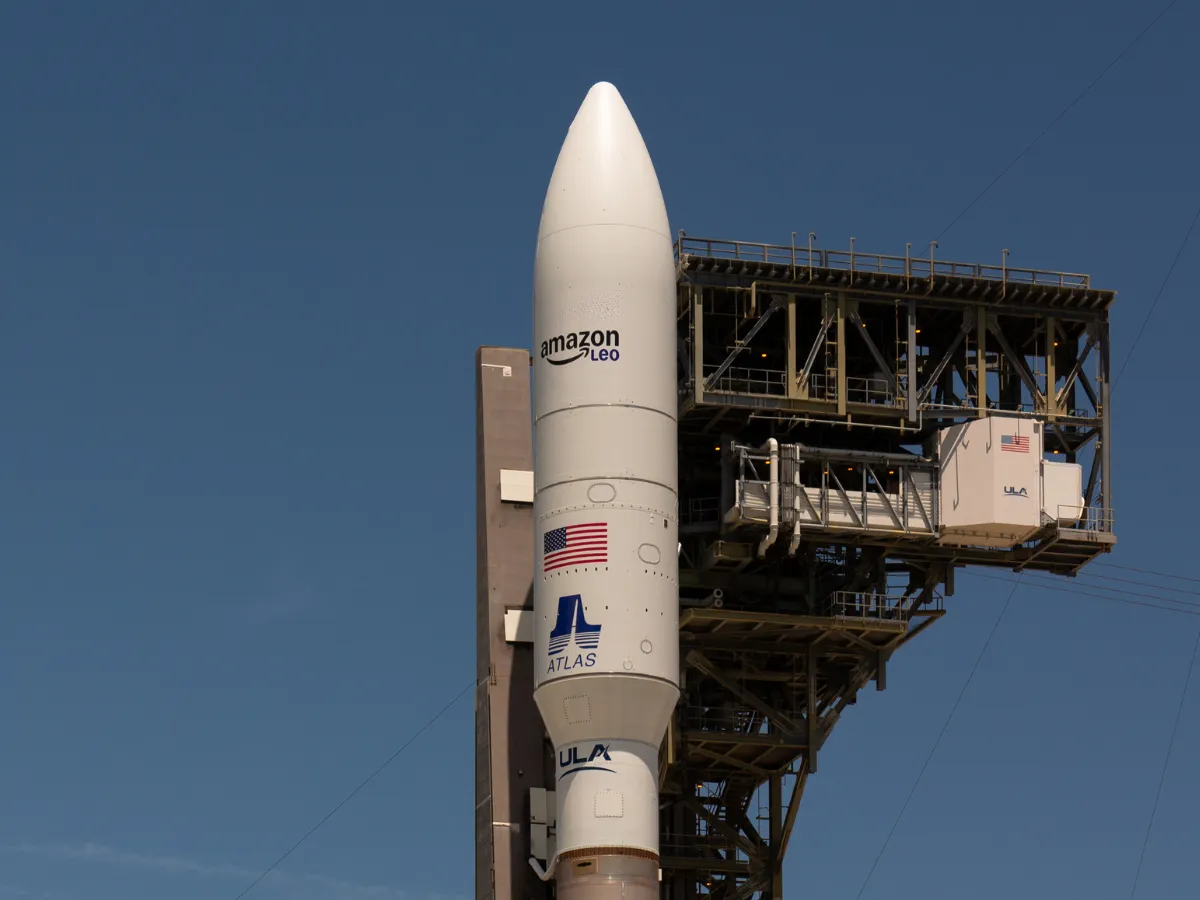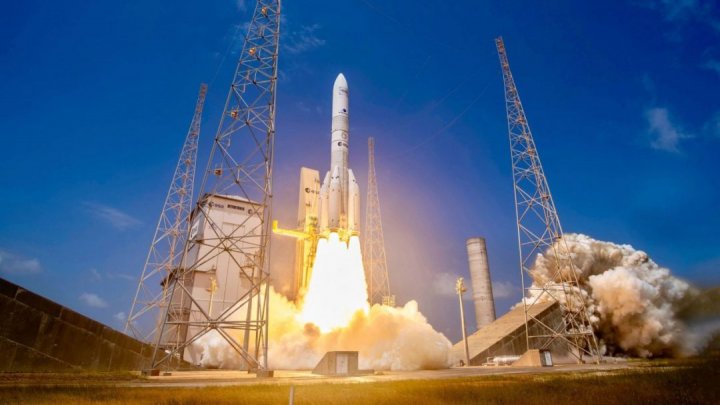
Amazon just put 29 more satellites into orbit, bringing its broadband constellation to 396 units circling Earth at roughly 289 miles up. The launch, carried out by a United Launch Alliance Atlas V 551 rocket from Cape Canaveral Space Force Station on July 2, marks the 14th mission for Amazon’s satellite broadband program, formerly known as Project Kuiper.
Here’s the thing: Amazon has less than a month to get roughly half of its planned constellation of over 3,200 satellites operational. The FCC set a July 30, 2026 deadline, and missing it isn’t really an option when you’ve spent billions building a space-based internet service from scratch.
The details behind Amazon’s orbital push
This particular launch was a farewell of sorts. It was the final Atlas V flight dedicated to the Amazon Leo program, closing out a chapter with ULA before the company transitions to other launch vehicles.
Once the satellites reached their target altitude of approximately 465 kilometers, operational control shifted to Amazon’s mission control team in Redmond, Washington. From there, the satellites will undergo checkout procedures before joining the active constellation.