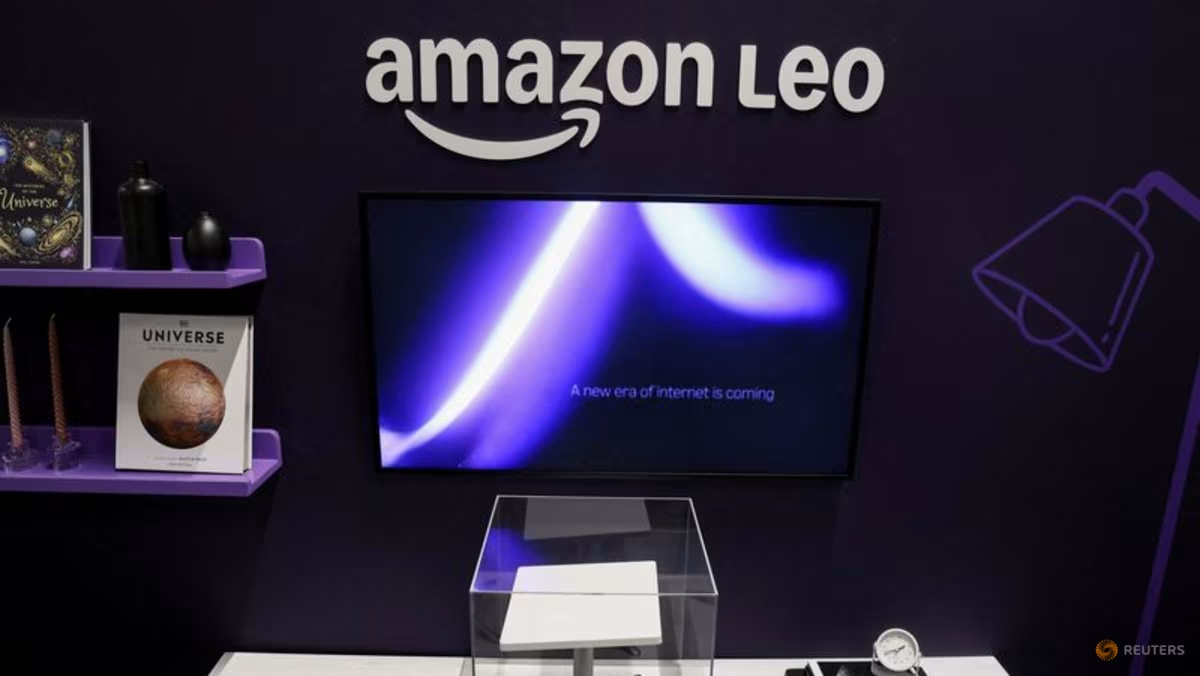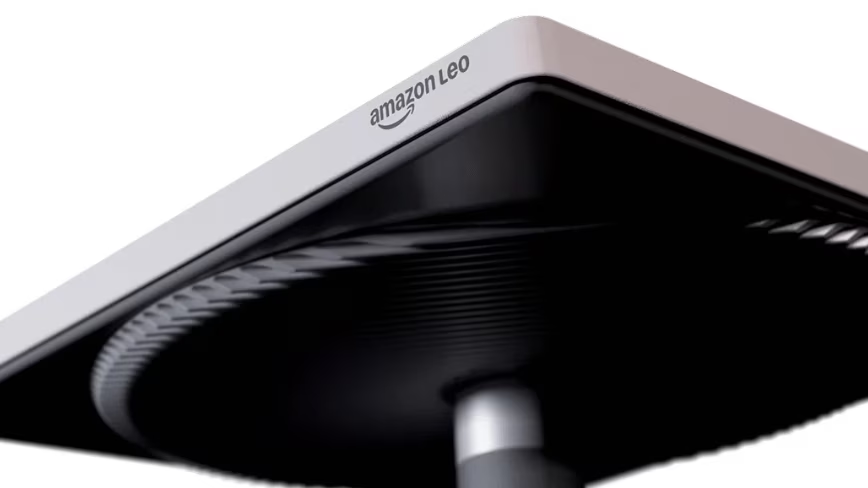
Amazon has finally reached the starting line in the satellite-internet race. It says it now has enough spacecraft in orbit to switch on its Leo broadband network later this year. The target is clear: Elon Musk’s Starlink.
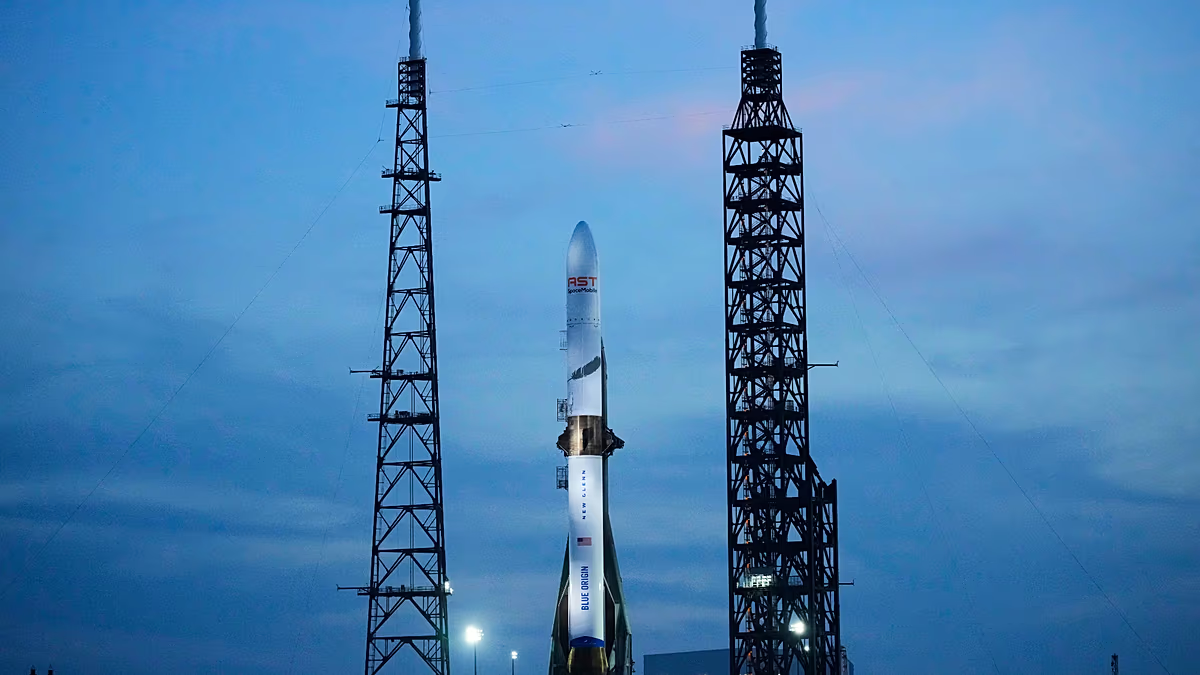
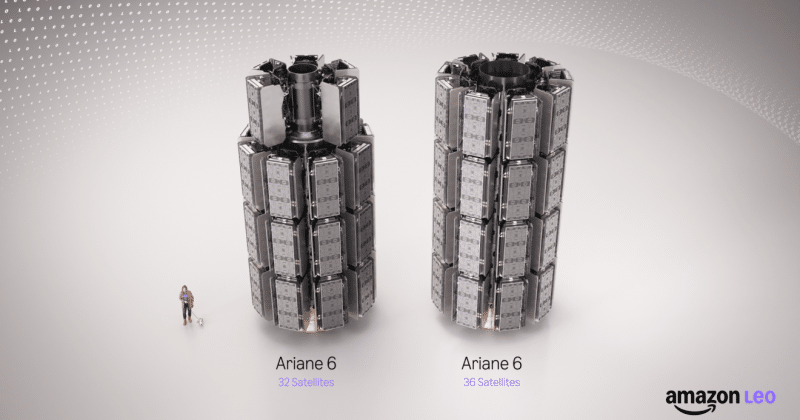
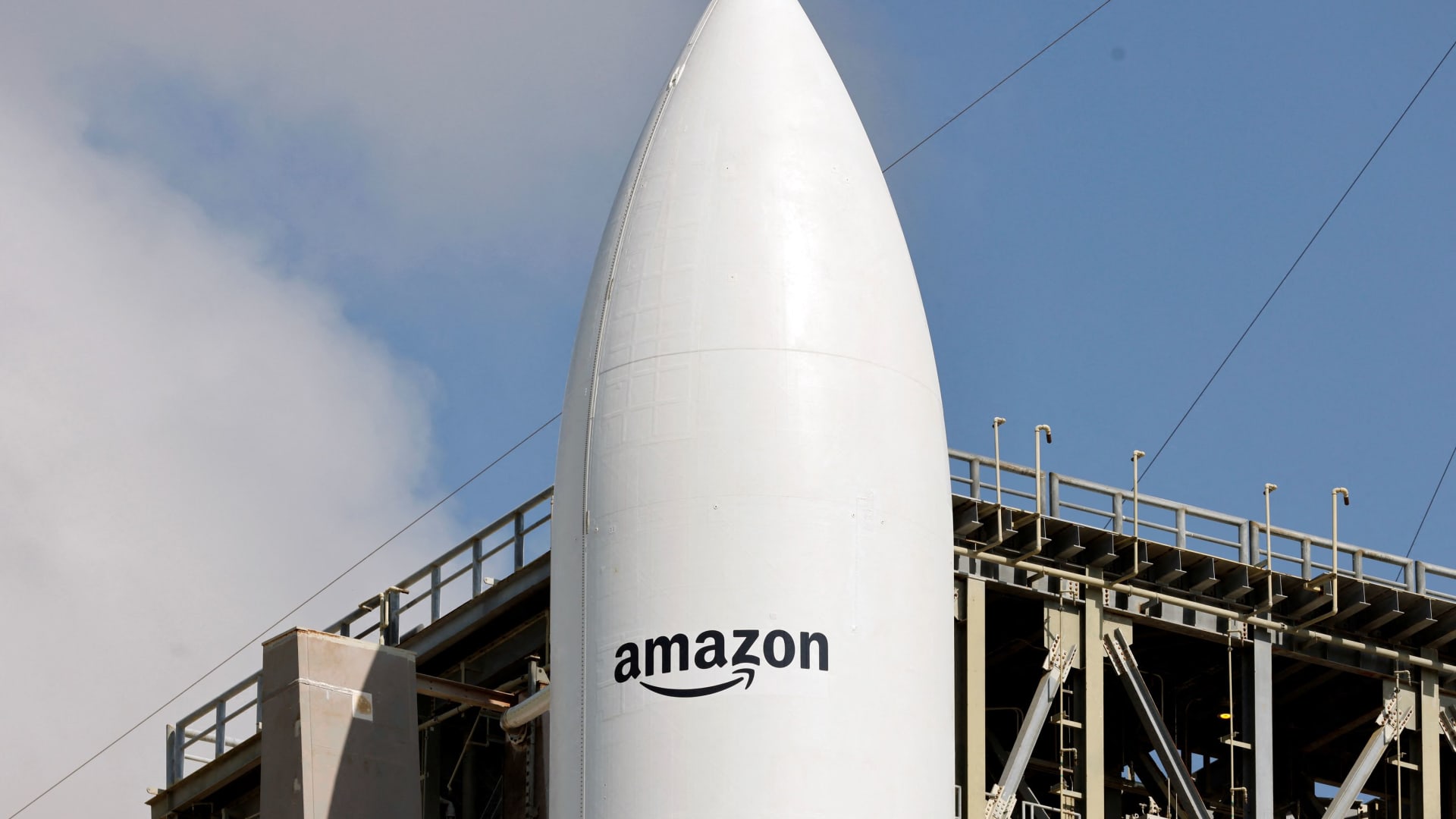
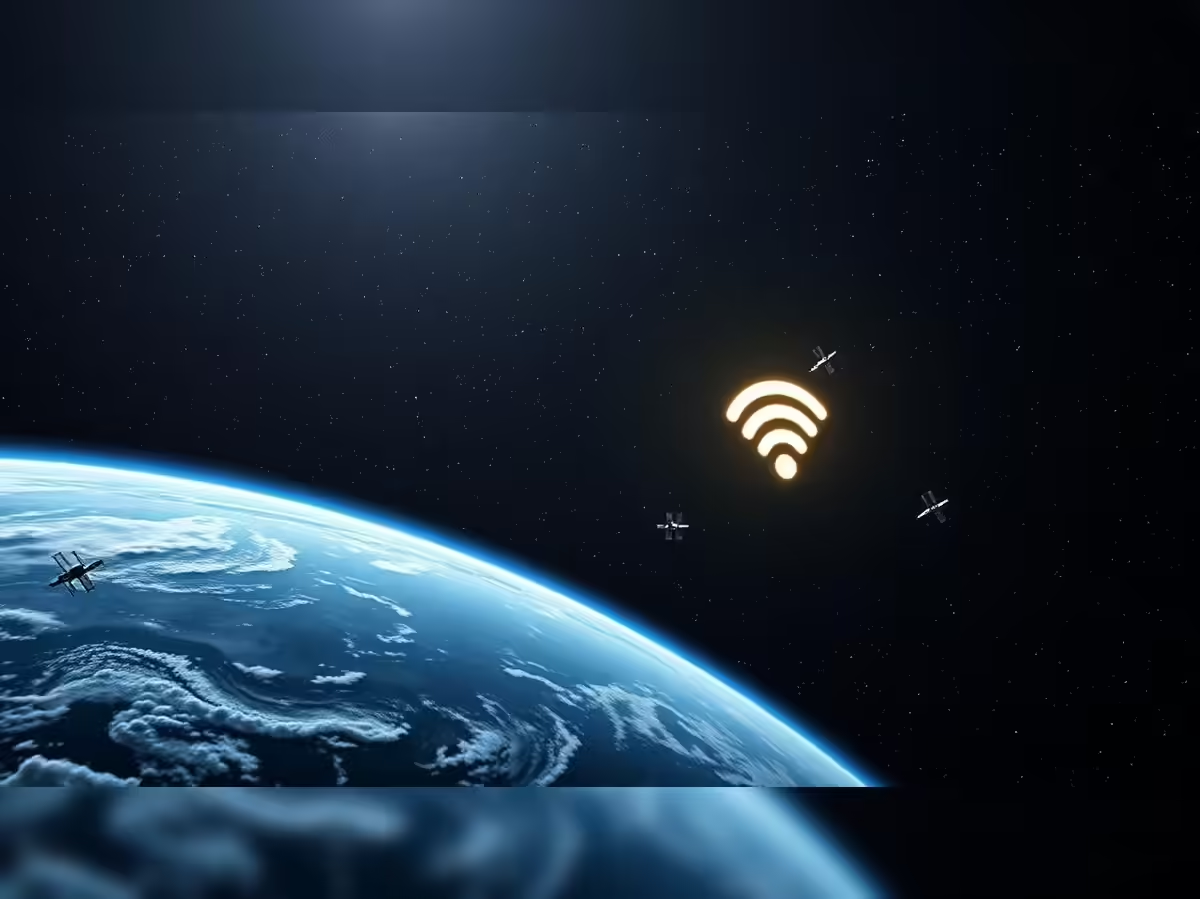
An overnight launch on 2 July tipped the balance. A United Launch Alliance Atlas V rocket carried 29 more satellites into orbit from Cape Canaveral. That brought Amazon Leo’s constellation to about 396 operational satellites.
“Enough to support continuous service across initial latitudes,” the network’s vice-president of business and product, Chris Weber, said in a post. Amazon confirmed that initial commercial service will begin this year, hitting a mid-2026 target it set earlier.
There is a catch, and Amazon is upfront about it. Coverage will be patchy at first. Service starts in a narrow band at mid-latitudes, then creeps toward the equator as more satellites go up. Early users should temper their expectations.
A distant second