Online emporium's Starlink rival says it will start service later this year as another 29 birds reach orbit
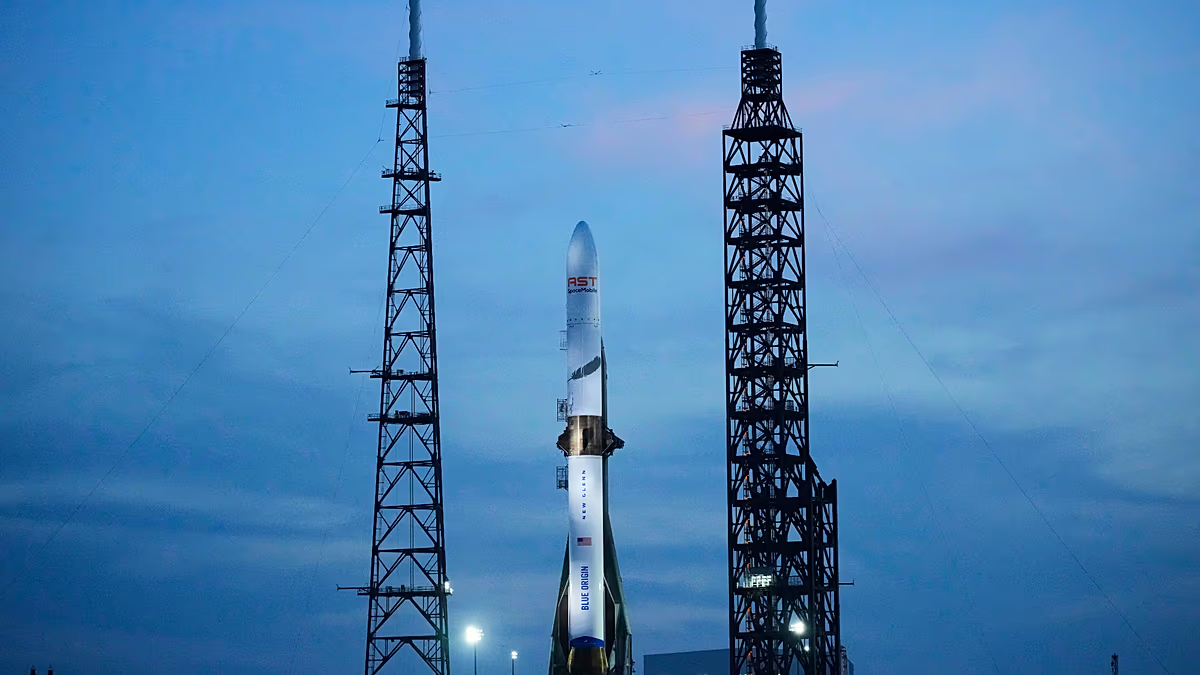
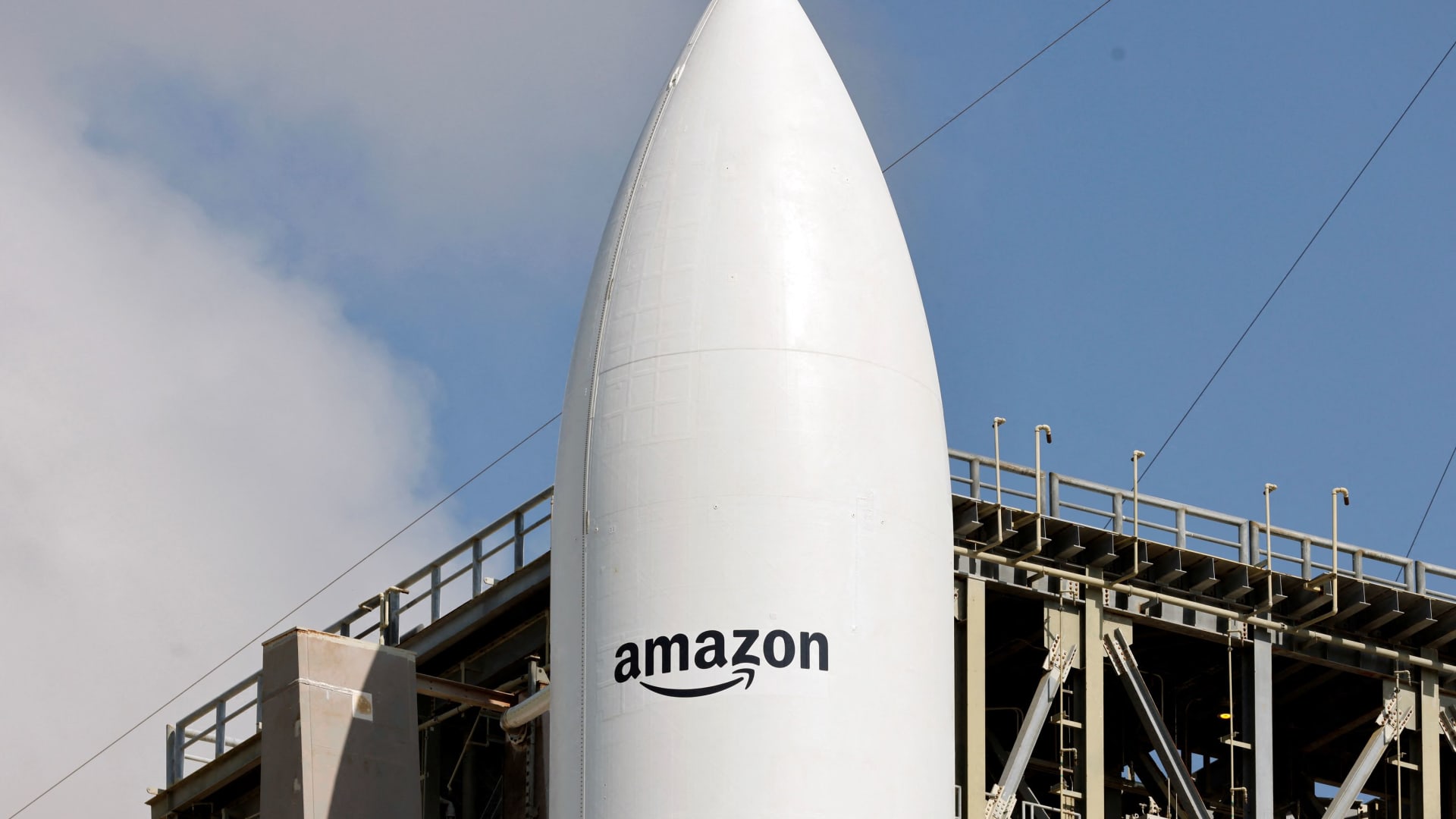
Amazon says it is preparing to roll out satellite broadband this year after the latest rocket launch brought its Leo constellation up to 396 units.The digital bazaar and cloud computing giant reports that an Atlas V rocket launch on July 2 successfully propelled 29 satellites into low Earth orbit for the Amazon Leo network, formerly known as Project Kuiper until November last.Amazon hasn't finished flinging its hardware into orbit just yet, but said it is planning to begin providing an actual service through the network sometime this year.
“With hundreds of flight-ready satellites standing by at the Cape and a new, dedicated vertical integration facility ready to support Leo Vulcan 1 and subsequent missions, we have a clear path to increase launch and deployment cadence, helping us quickly expand network coverage following an initial service rollout later this year," said director of Launch Systems Melissa Wuerl.
Amazon Leo was originally conceived as a broadband-from-space setup, just like its main rival, Starlink. According to the Bezos-founded biz, it will offer download speeds ranging from 100 Mbps to 1 Gbps, depending on which of three antenna options customers choose.But in April this year, Amazon agreed to pay more than $11.5 billion to acquire Globalstar and its constellation of 24 satellites. Globalstar provides the satellite network used for Apple's satellite services, introduced with the iPhone 14 in 2022, which would give Amazon a foothold in direct-to-device satellite communications as well.