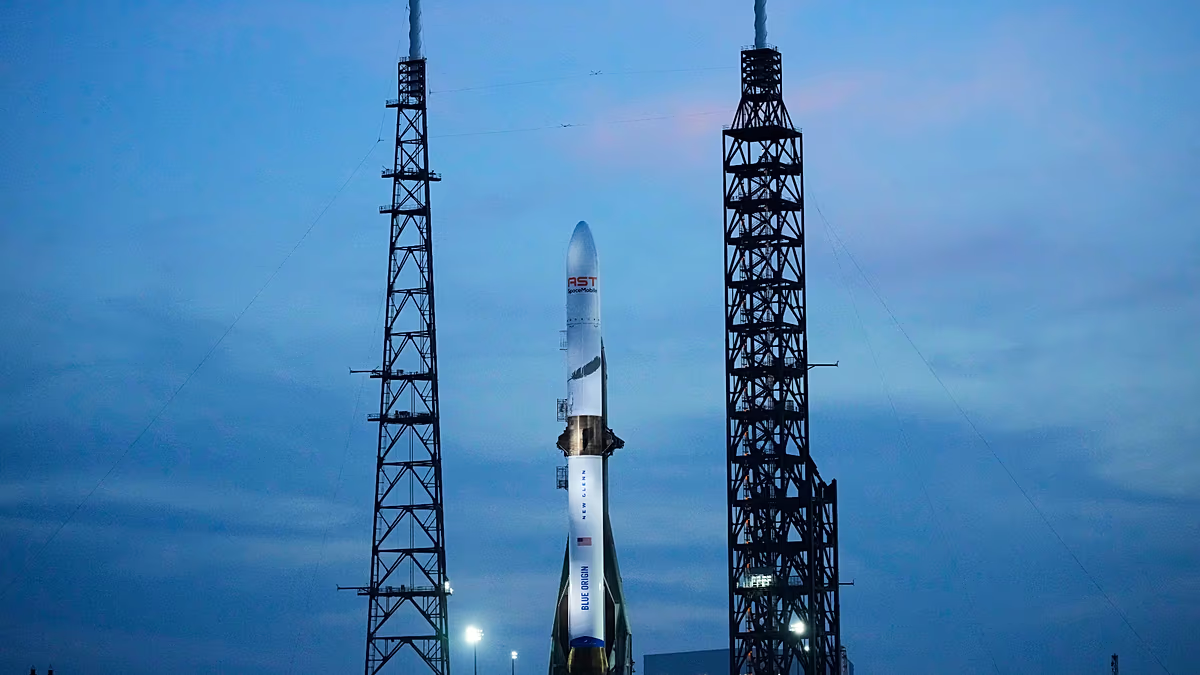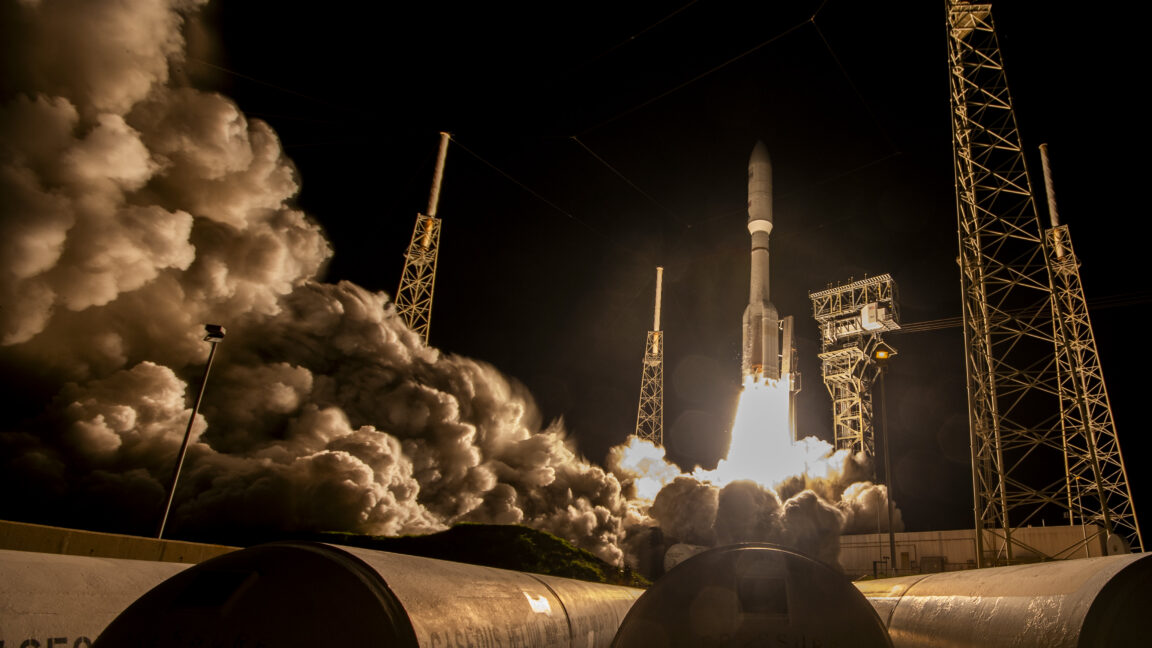
In 2022, Amazon secured contracts to launch most of the remaining Amazon Leo megaconstellation on ULA’s Vulcan, Europe’s Ariane 6, and Blue Origin’s New Glenn rockets. Amazon has since booked 13 rides on the Falcon 9 rockets from SpaceX, whose Starlink broadband network is a competitor of Amazon Leo.
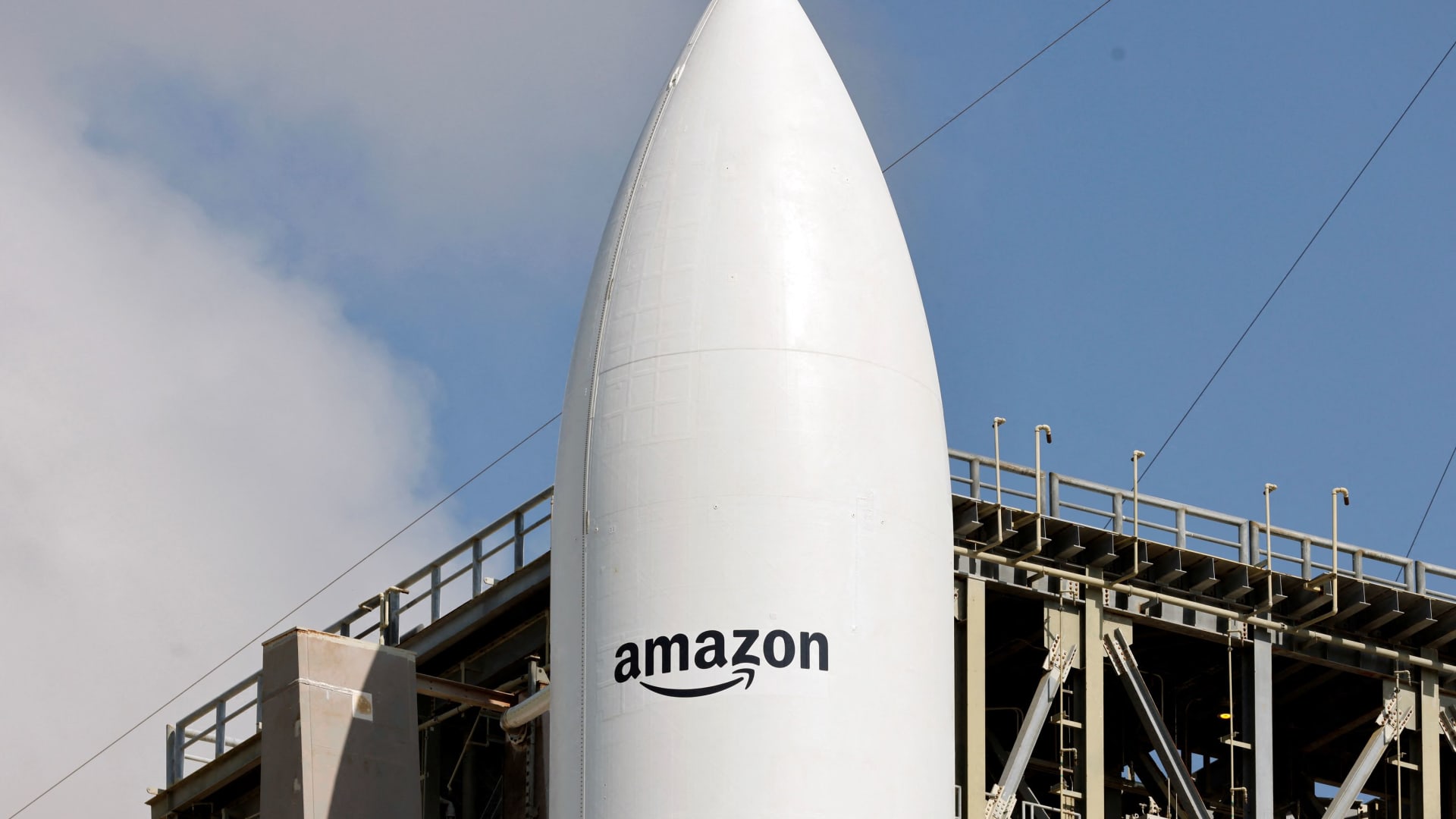
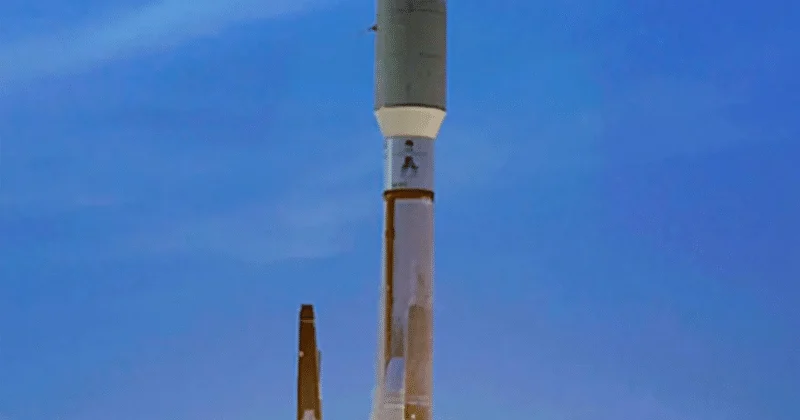
The Vulcan rocket is supposed to be the workhorse for Amazon Leo. The tech and retail giant has reserved 38 launches on Vulcan rockets and funded the construction of a dedicated new rocket assembly hangar at Cape Canaveral to support the ramp-up of Vulcan’s launch cadence.
“Atlas V has played a critical role in the early deployment phase for Amazon Leo, launching 224 satellites with a 100 percent success rate across all eight [operational] missions, and we’re excited to build on that foundation with ULA as we transition to Vulcan,” said Melissa Wuerl, Amazon Leo director of launch systems.
Service soon
It’s anyone’s guess when Amazon will launch satellites on Vulcan after the rocket’s recent solid rocket booster woes. Blue Origin’s New Glenn rocket—also owned by Amazon founder Jeff Bezos—is out of service after a catastrophic explosion on the launch pad at Cape Canaveral in late May. Europe’s Ariane 6 is the only one in Amazon’s stable of big, new rockets that has successfully delivered Amazon Leo satellites to orbit. Until Vulcan or New Glenn return to flight, the Ariane 6 and SpaceX’s Falcon 9 will be the only rockets available for Amazon to launch a growing backlog of satellites produced at the company’s factory near Seattle and shipped to Cape Canaveral for launch processing.