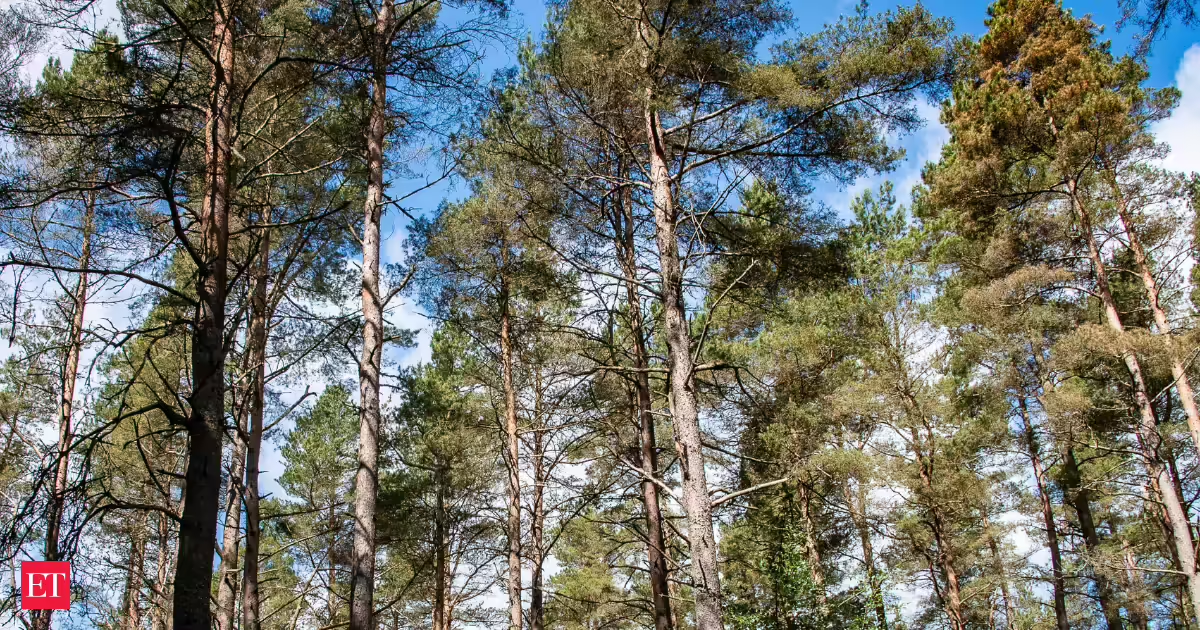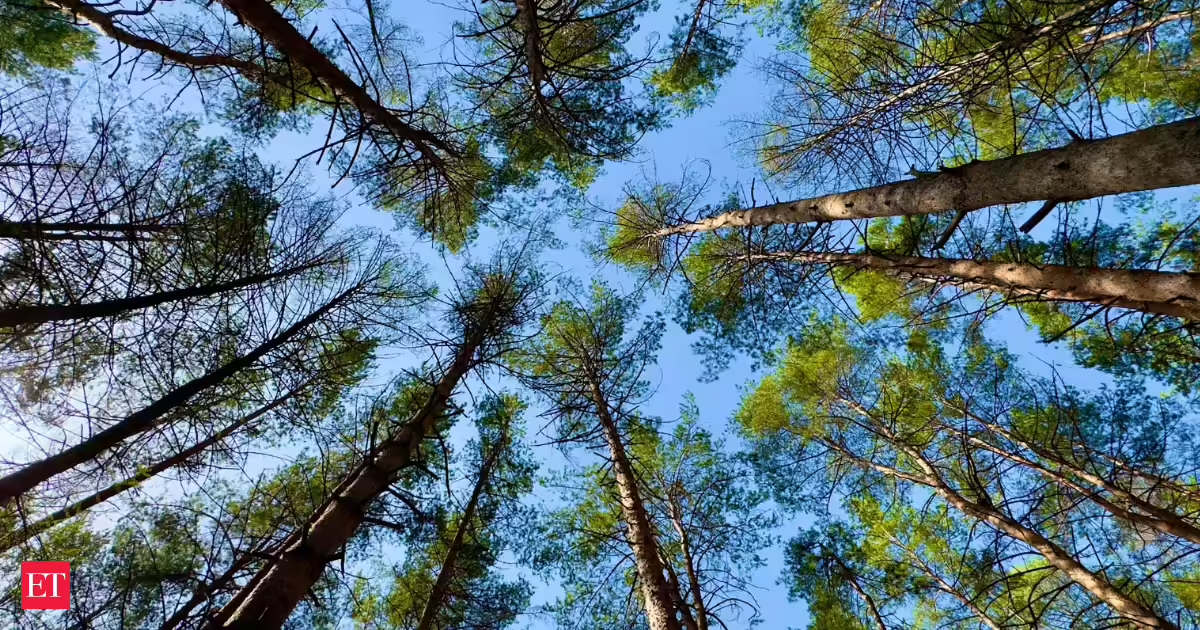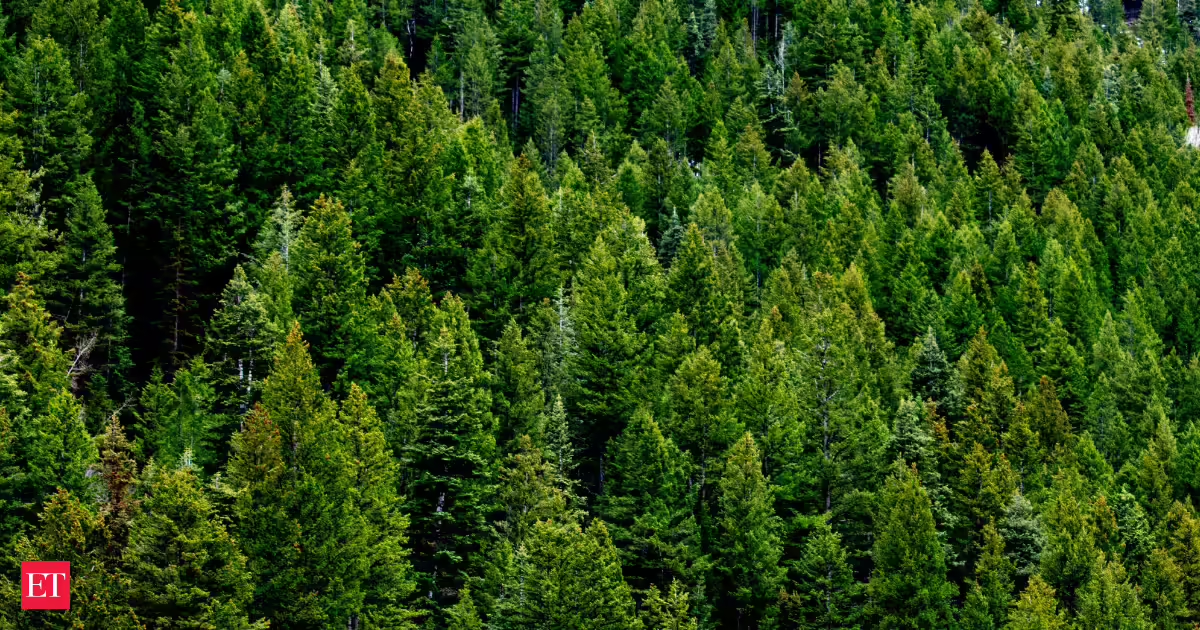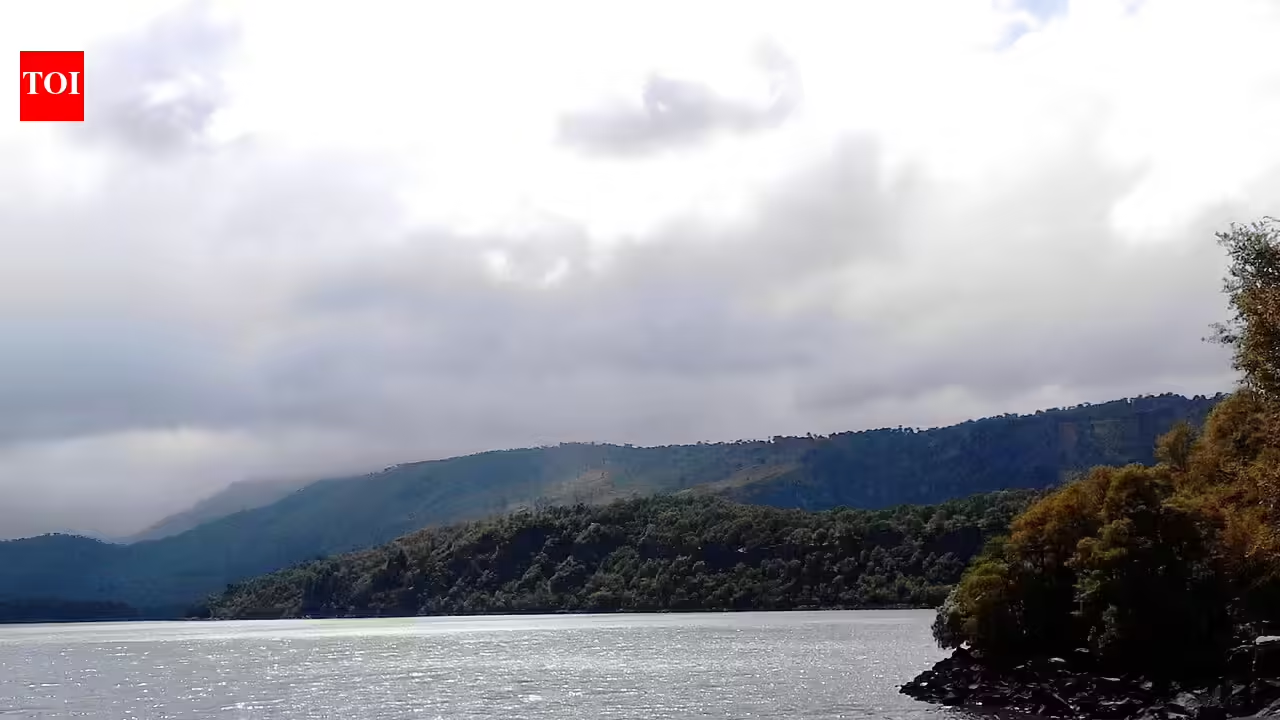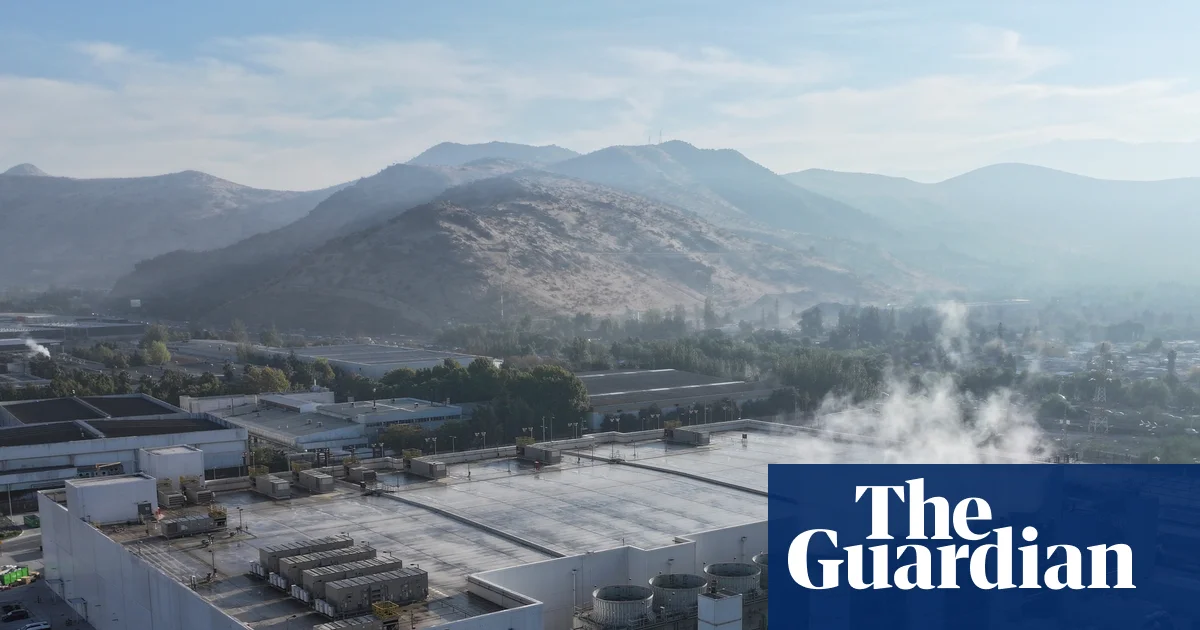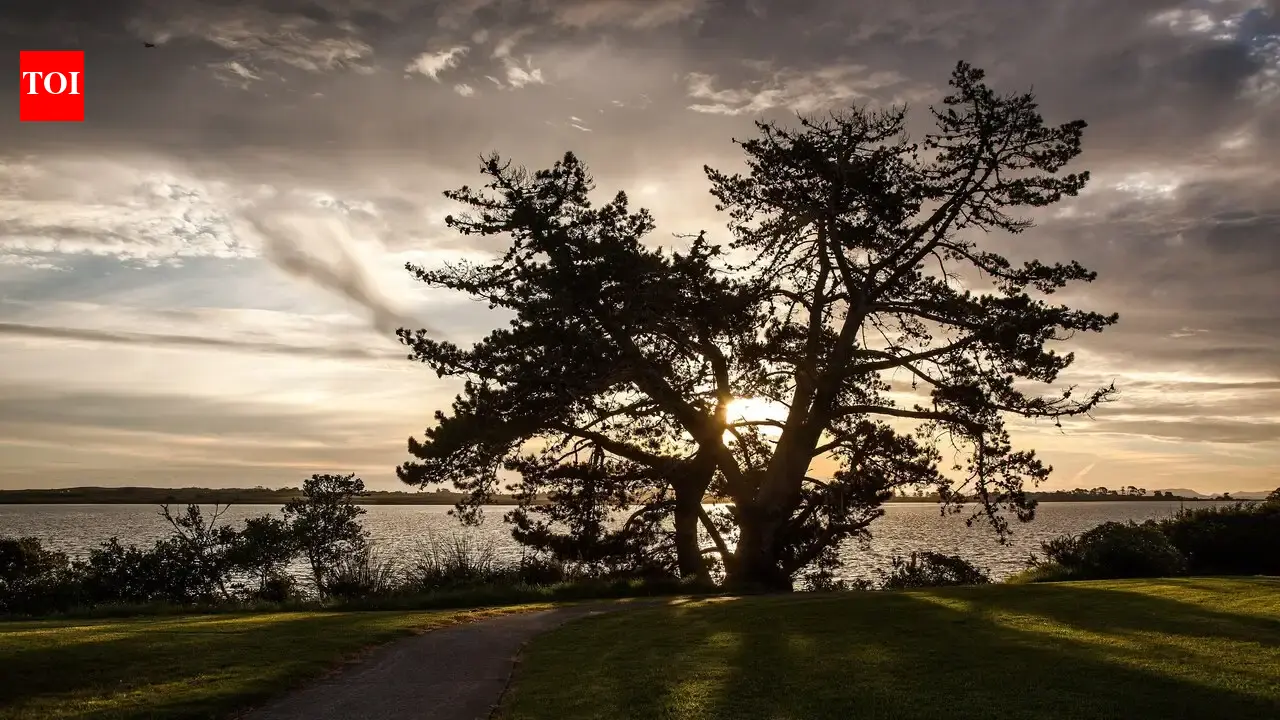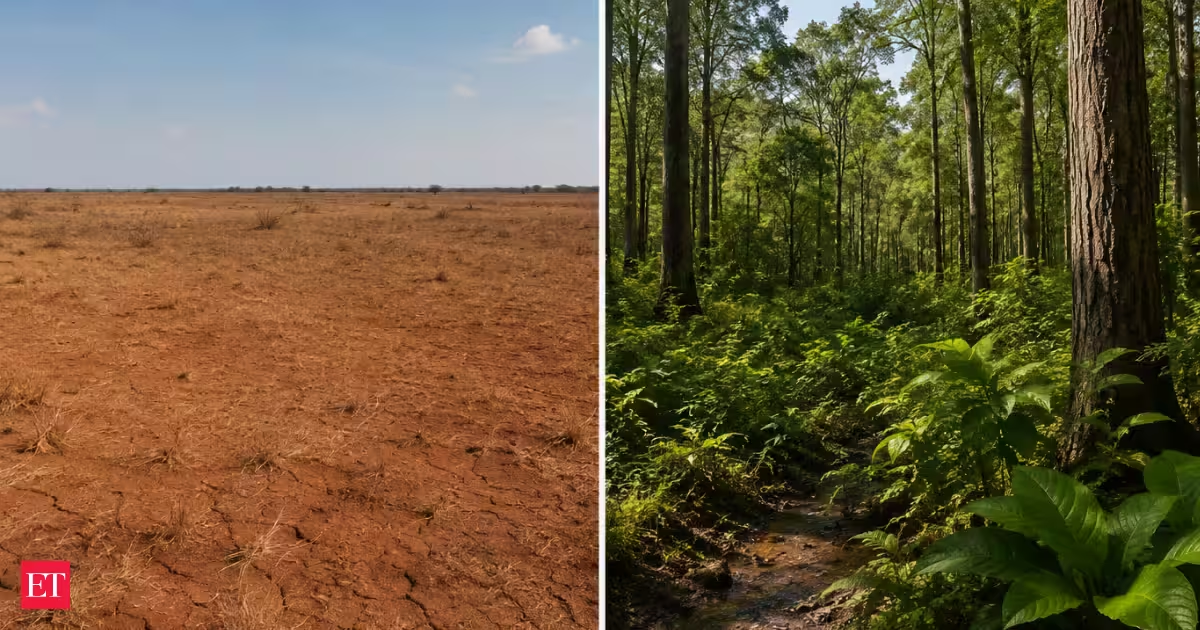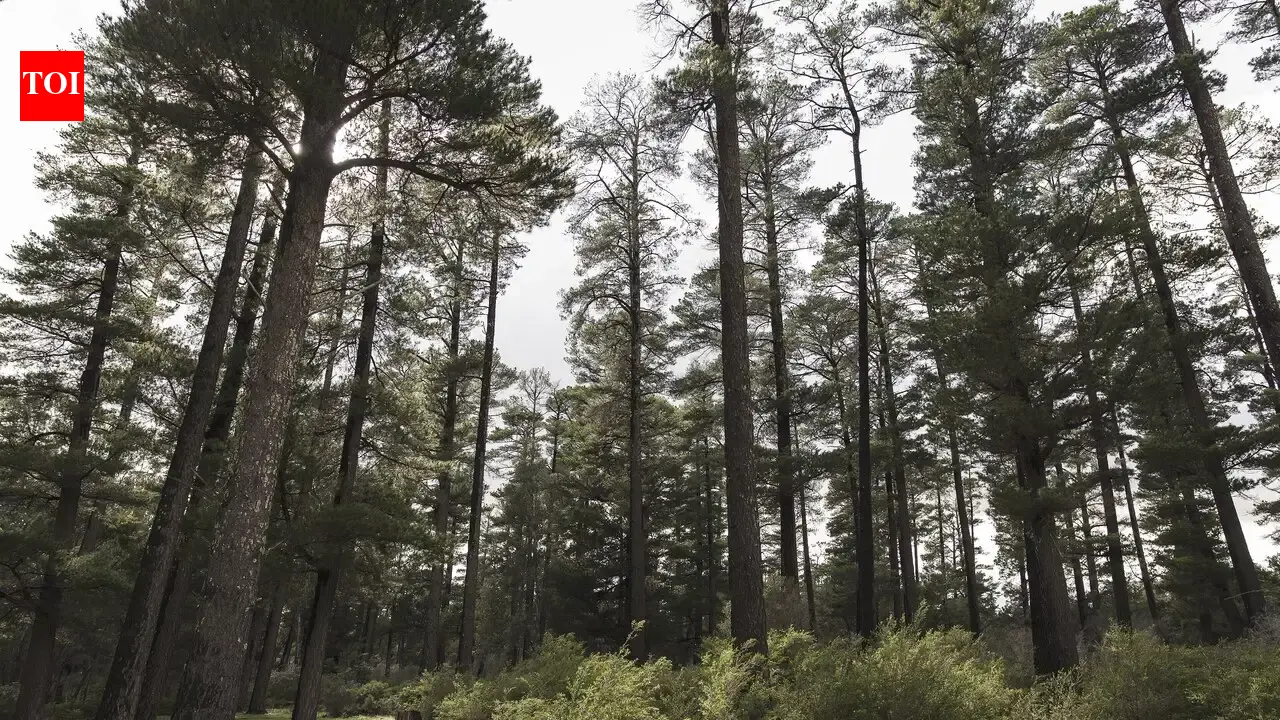
Chile's push for commercial timber plantations has inadvertently impacted its water systems. Replacing diverse native forests with fast-growing monocultures, like pines and eucalyptus, alters soil moisture and reduces local water availability. Image Credits: Wikimedia CommonsIf you think of a flourishing, lush green forest, what do you generally visualise? Perhaps you see endless lines of thick green trees covering whole mountain chains. For long, commercial foresters have defined any large area of trees as a forest. It has been a common assumption that creating extensive areas of fast-growing trees is one of the best ways of protecting soil and managing nature.But a closer look at the relationship between trees and water systems tells a different story about forest management. Replacing diverse, native woodlands with uniform industrial timber fields can trigger unintended changes deep within the soil. Instead of behaving like a natural ecosystem, these single-species crop fields alter how moisture moves through the earth. What looks like a lush green plantation from above can alter the natural water balance and affect local water availability.This environmental pattern is discussed in a review titled Forest hydrology in Chile: Past, present, and future. The review synthesises 75 studies published since 1975 and covers Chilean temperate forests from 29°S to 56°S, where rainfall, geology and land use create what the authors call a unique natural laboratory. It finds, among other patterns, that streamflow typically rises after timber harvesting, native forests generally use less water than plantations, and native-forest streams carry less sediment than those draining plantations or grassland.In addition to this, the paper lists 20 essential gaps in knowledge about forest groundwater systems, interactions between soils, plants, and atmosphere and native forests hydrology. It is worth noting that, according to the paper, 56% of the Chilean forest hydrology research was conducted in the southern Los Ríos region, around 39-40°S, which means that the northern forest areas have not received enough attention.Following the hidden water footprint of the forestry revolutionTo get a better idea about the influence on the water system, it is useful to consider the changes that took place in the country in the past. Namely, in the late twentieth century, due to national policies, forestry development became an important part of the life of Chile, which led to deforestation of native temperate forests. Instead, commercial enterprises planted huge areas of exotic tree species, mostly Monterey pines and eucalyptus.The analysis says native broadleaf forests have adapted to the local climate, with a layered canopy and forest floor that help regulate water. When heavy rains fall, these natural woodlands help water seep into underground aquifers that feed local streams. Commercial pine and eucalyptus plantations behave differently, drawing more water through deep root systems to support rapid growth.As a consequence, there may be a case where water yield during the summer season will be less in areas under commercial timber plantations compared to those under native vegetation. In line with the scientific data, as the trees get bigger and become denser, they tend to intercept more of the rainfall before it gets to the surface, resulting in the evaporation of some water back to the air. Research highlights that native forests are more efficient at regulating water, seeping it into aquifers. This shift underscores the need for careful land planning to balance commercial interests with hydrological health and prevent artificial ecological imbalances. Image Credits: Wikimedia CommonsRestoring our water balance using forest scienceBased on the scientific information provided, a question arises as to what is a healthy forest. In addition, scientists are increasingly becoming doubtful regarding the concept that the extent of tree cover is adequate to define the environmental value of the landscape. For the purpose of having resilient rural landscapes, land use planners should take into consideration how plant community diversity affects soils and water.According to the study, managing these drying watersheds requires a better understanding of how different vegetation types influence hydrology. Scientists suggest that balancing commercial demands with hydrological health requires careful spatial planning and data-driven policies. By placing these monocultures more carefully, land managers can help reduce pressure on regional water supplies.These findings show the insufficiency of managing a forest in the manner of a monocrop plantation. This is proved by the fact that this research demonstrates the relation between local water losses and the fast development of homogeneous timber plantation lands. Thus, it proves the impossibility of creating an ecological equilibrium artificially.
Chile in the 1970s replaced vast native forests with pine plantations, but scientists later found streams shrinking while wildlife quietly disappeared
If you think of a flourishing, lush green forest, what do you generally visualise? Perhaps you see endless lines of thick green trees covering whole mountain chains.
731 words~3 min read