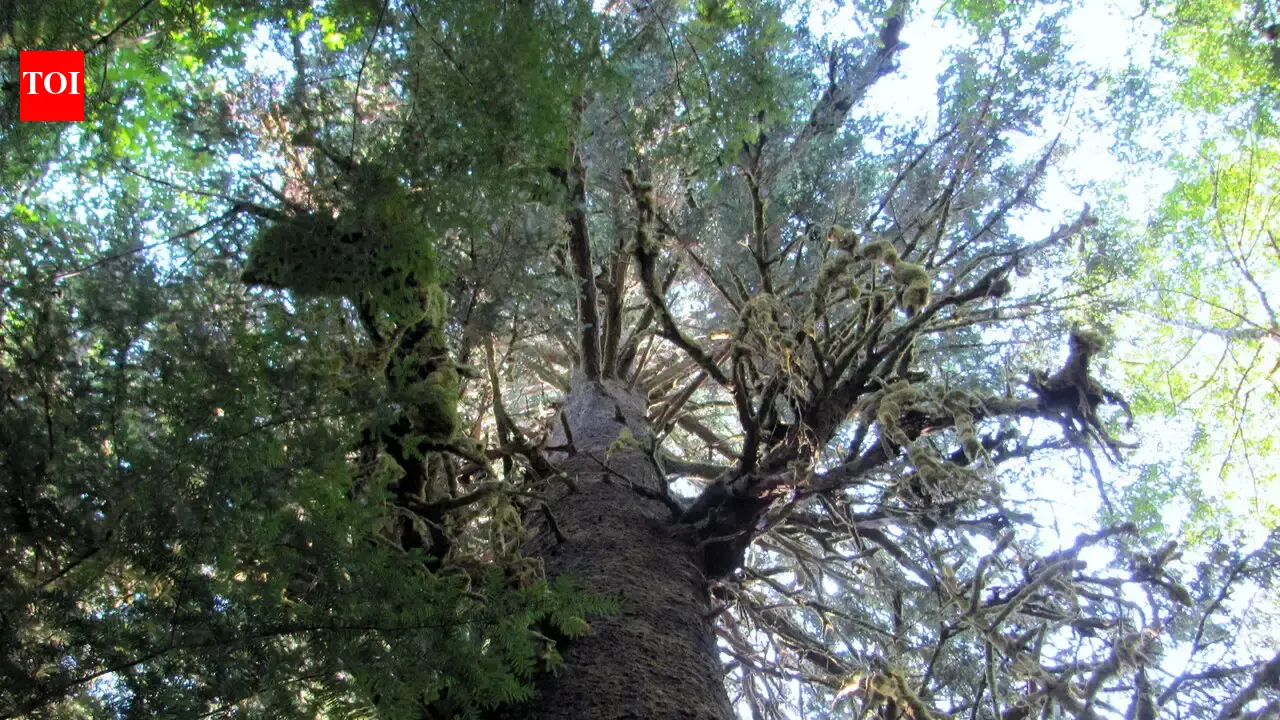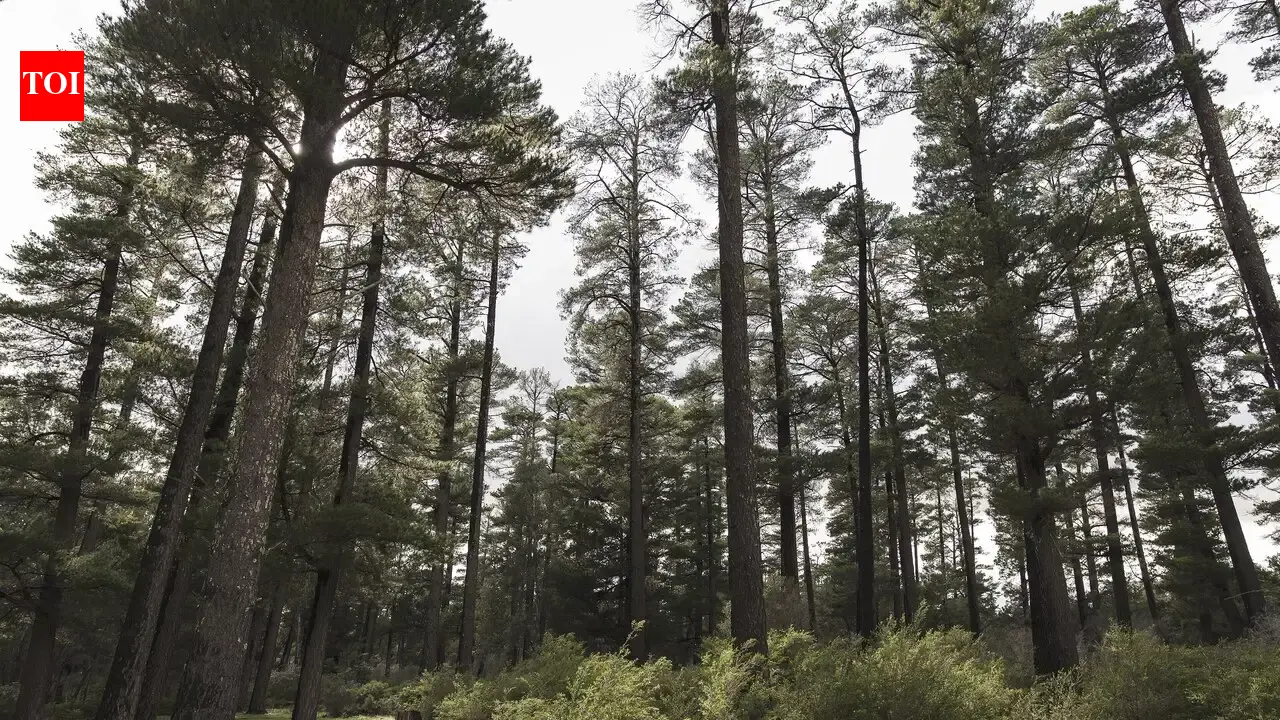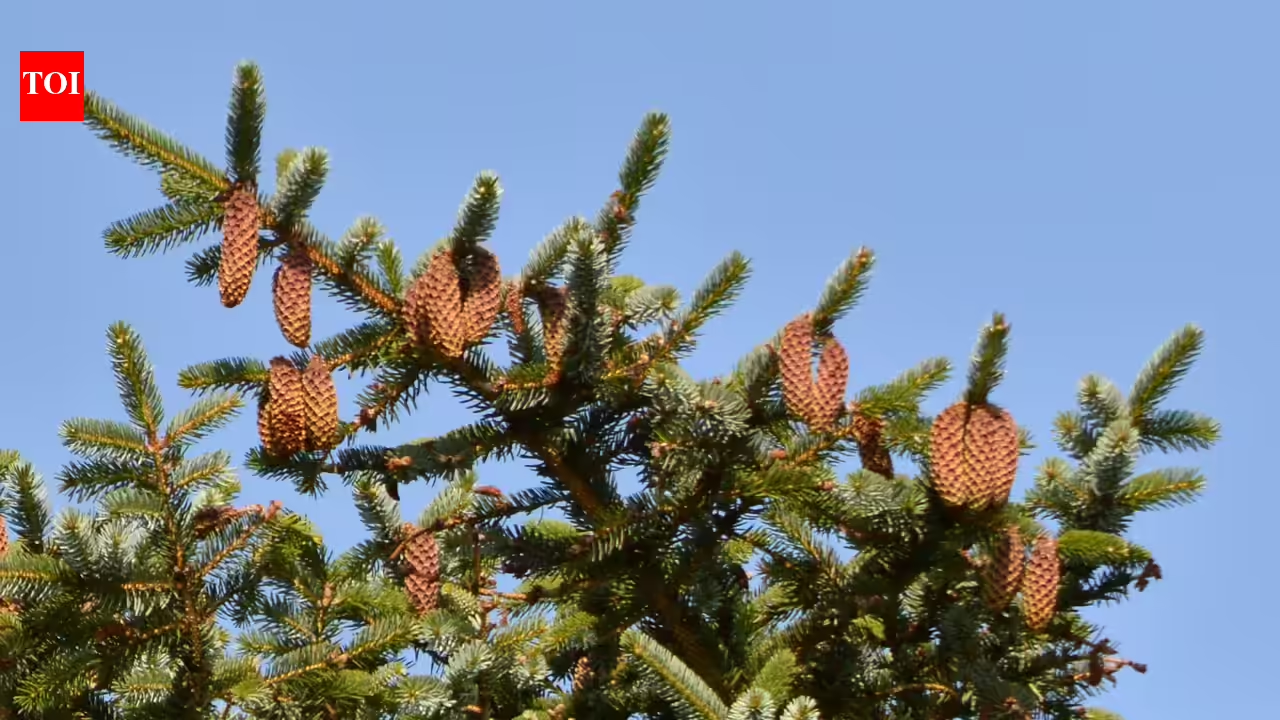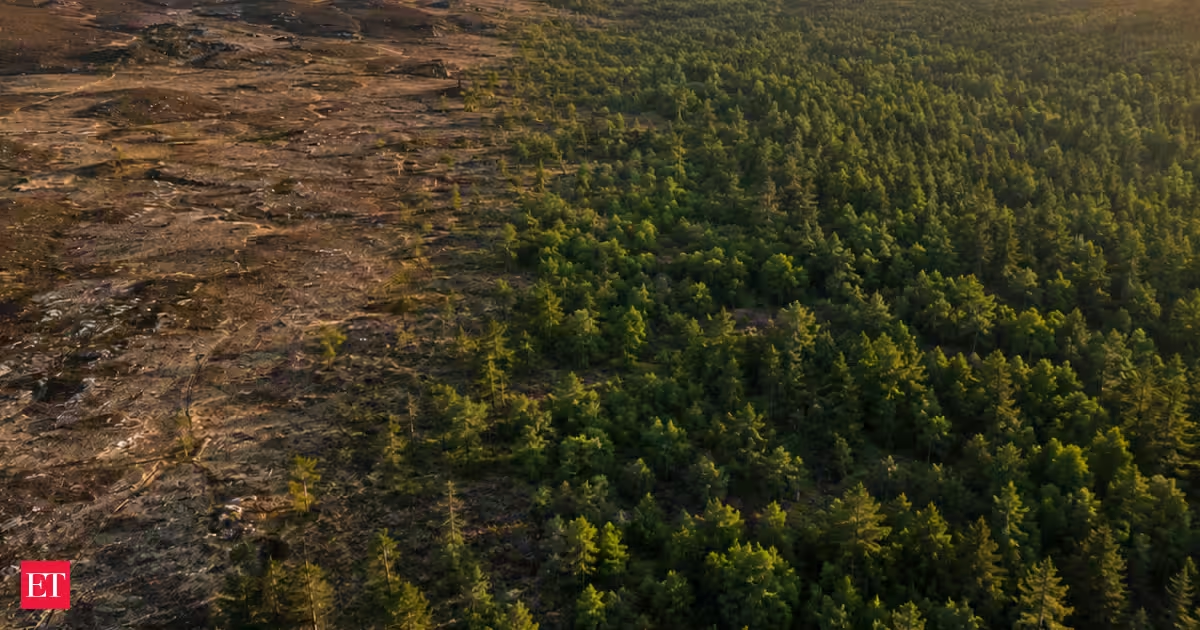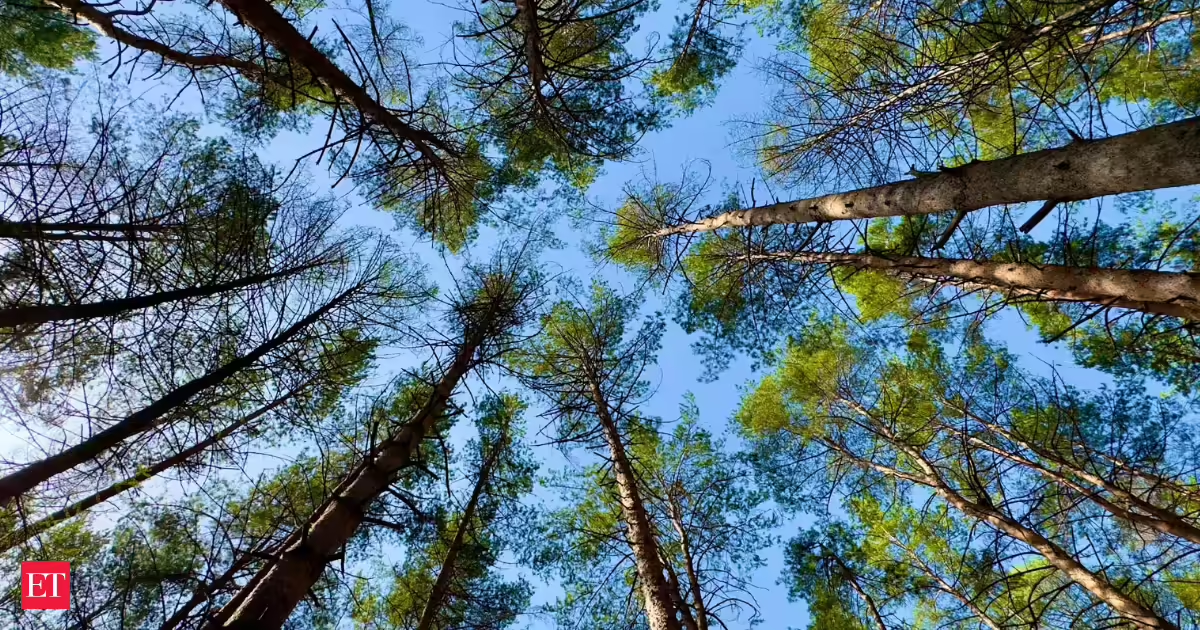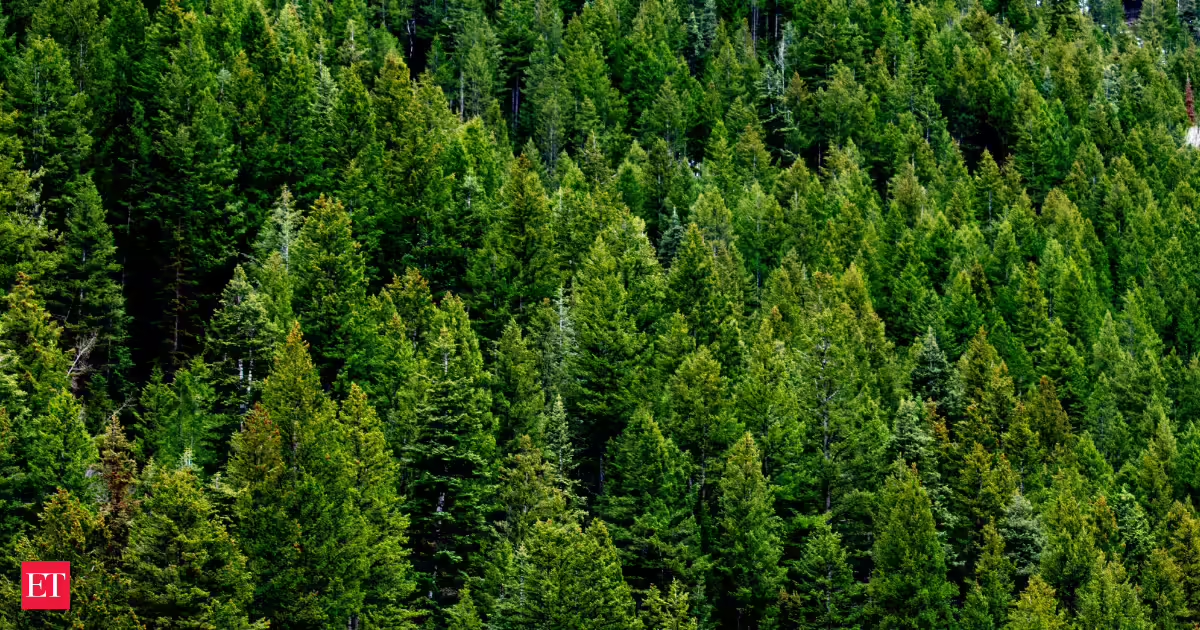
Picture a single species of tree planted in rows across hundreds of thousands of acres in an entire country. That’s the story of Sitka spruce in the UK, and it seems an enormous number of creatures have quietly made it their home. According to the study ‘Sprucing up the UK’s Sitka spruce (Picea sitchensis) forests: can tree species diversification benefit biodiversity?’ published in Forestry, researchers from the James Hutton Institute and partner institutions spent months reviewing published research and biological records to identify what lives on this tree species and how wildlife might respond to mixed-species planting.The paper says the researchers first compiled records from across the UK and identified 564 species using Sitka spruce for feeding or shelter, then compared how diversification with 34 other tree species would affect biodiversity and ecosystem function.This research provides some useful answers for anyone in the US who has driven mile after mile of identical evergreen plantations and wondered if that is actually good for the environment.Why one imported tree became such a big dealSitka spruce is not a native tree of Britain. It was imported from overseas and is now the UK’s most economically important tree species, valued for its fast growth and ability to produce strong timber, the study noted. But leaning on one species that heavily comes with real risk. Sitka spruce was found to be vulnerable to an invasive bark beetle called Ips typographs, recently found in southern England, and to drought conditions that are expected to get worse. If that species suffers a setback, a forest of almost entirely one species has no choice.The forest floor is where a majority of a woodland’s biodiversity starts. Sitka spruce trees have a great impact on the forest floor, something which is often overlooked. The needles of this tree take much longer to decompose compared to the leaves of several native trees with broad leaves. When these fallen needles take longer to decompose, they create an acidic layer on the ground, thereby limiting the growth of many understory plants such as wildflowers and grasses. This leads to a decline in the number of insects that usually depend on those understory plants for their food. The ripple effect also encompasses small birds and mammals next in the food chain. They also remain scarce of enough food or shelter. On the other hand, native woodlands offer several vegetation layers that have the potential to offer a natural and wider range of habitats for small animals lower in the food chain. Native woodlands, hands down, support the thriving of complex ecological interactions in an area.According to the James Hutton Institute's official release on the findings, lead researcher Dr Ruth Mitchell said that as forestry adapts to a changing climate and new pests it is essential to understand how those changes ripple through wildlife. That tension between fast timber and healthy ecosystems isn’t unique to Britain, either; it’s the same balancing act facing forestry across the US.The tiny beetle threatening Britain's timber industry. Image Credits: Wikimedia CommonsThe paper also notes that the team did not simply speculate about the benefits: they reviewed literature and tree traits, then assessed how 34 candidate species differed in decomposition, soil chemistry, and their ability to support Sitka-associated wildlife. Mitchell said the key challenge is to understand how climate change and new pests and pathogens will ripple through forest biodiversity, and the authors argue the answer is spatially smarter planting rather than abandoning Sitka altogether.The headcount: 564 species and countingThe study found Sitka spruce to be critical for the food and shelter of 564 species, including 12 birds, 147 bryophytes (mosses and liverworts), 28 fungi, 123 invertebrates, 243 lichens, and 11 mammals. That sounds like a lot, until you compare it to native trees. Native oak trees support some 2,300 associated species, and native ash trees support 953, so Sitka spruce is not nearly as valuable a habitat as the trees it has replaced.Most of the species found on Sitka spruce were generalists that can easily live on other trees as well. The research found just six species that were specifically dependent on Sitka spruce, mainly some fungi and one insect, indicating the tree is not a make-or-break species for the majority of UK wildlife conservation.Mixing it up, without giving up on timberInstead of proposing the removal of Sitka spruce, researchers tested the impact of introducing 34 tree species into these forests on wildlife and soil health. According to the study, native trees such as oak, Scots pine, birch, alder, and beech, along with non-native Norway spruce and sycamore, provided the biggest boost to biodiversity.Here’s the complication: most of those biodiversity winners, the study found, don’t do well in tight, close-planted mixtures with Sitka spruce because the fast-growing spruce overshadows them over time. The only exception that could stand alone in a tight long-term mix was Sycamore.Sycamore: the surprise biodiversity booster. Image Credits: Wikimedia CommonsSo researchers came up with a practical middle ground called “blocky mixes.” This means planting trees of different species in defined blocks, potentially as small as about half an acre each, rather than scattering them randomly so that each species has enough light and space to survive while still existing in the same wider forest. According to reporting on the study by the Scotsman, this patchwork approach aims to boost biodiversity without seriously disrupting timber production, a real concern for an industry that depends economically on these forests.The paper’s “blocky mixes” proposal is meant as a compromise: separate patches of species could be arranged within one management unit so wildlife gains are spread across the forest, but timber yields are not thrown off course. The researchers say the exact size and layout still need more study, because the optimal arrangement of those blocks remains unresolved.Why the soil matters just as much as the treesThere is also a less obvious payoff worth knowing. The study finds that mixing in broadleaf trees such as birch, alder, or sycamore increases the rate at which fallen leaves are broken down and nutrients are cycled back into the soil. But that’s a true tradeoff, not just a win. Faster decomposition usually means less carbon is stored in the forest floor in the long term, even while it increases short-term soil fertility.This is a welcome change from over-simplified headlines for young adults in the US who are taking a closer look at climate solutions. Planting more trees sounds like a good idea in itself, but it’s the right mix, in the right pattern, that makes the real difference to wildlife benefit. But the larger lesson here is not about one tree species in one country. A forest is a living community, not just rows of timber, and a bit of intentional variety goes a long way towards keeping that community intact.
Britain in the 1920s planted millions of Sitka spruce trees for timber, but scientists now say the country's forests support far fewer birds, plants, and insects than native woodlands
Explore how the extensive planting of Sitka spruce trees in the UK affects biodiversity, with fewer species supported compared to native woodlands. Learn about the study advocating for mixed-species planting to enhance ecosystem health.
1,129 words~5 min read