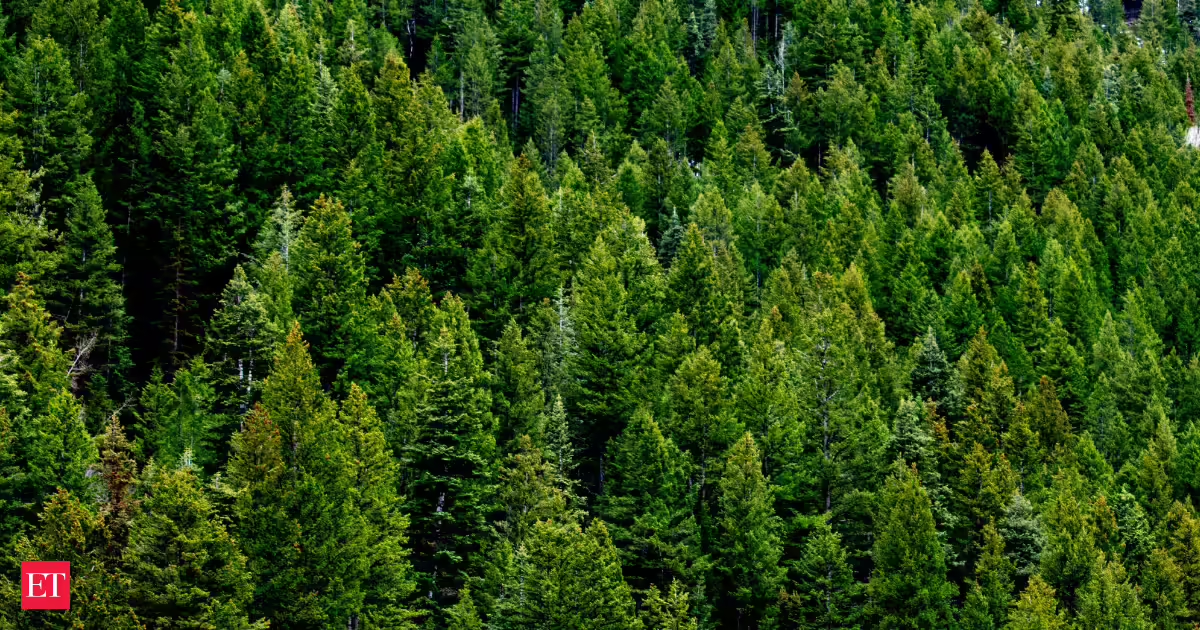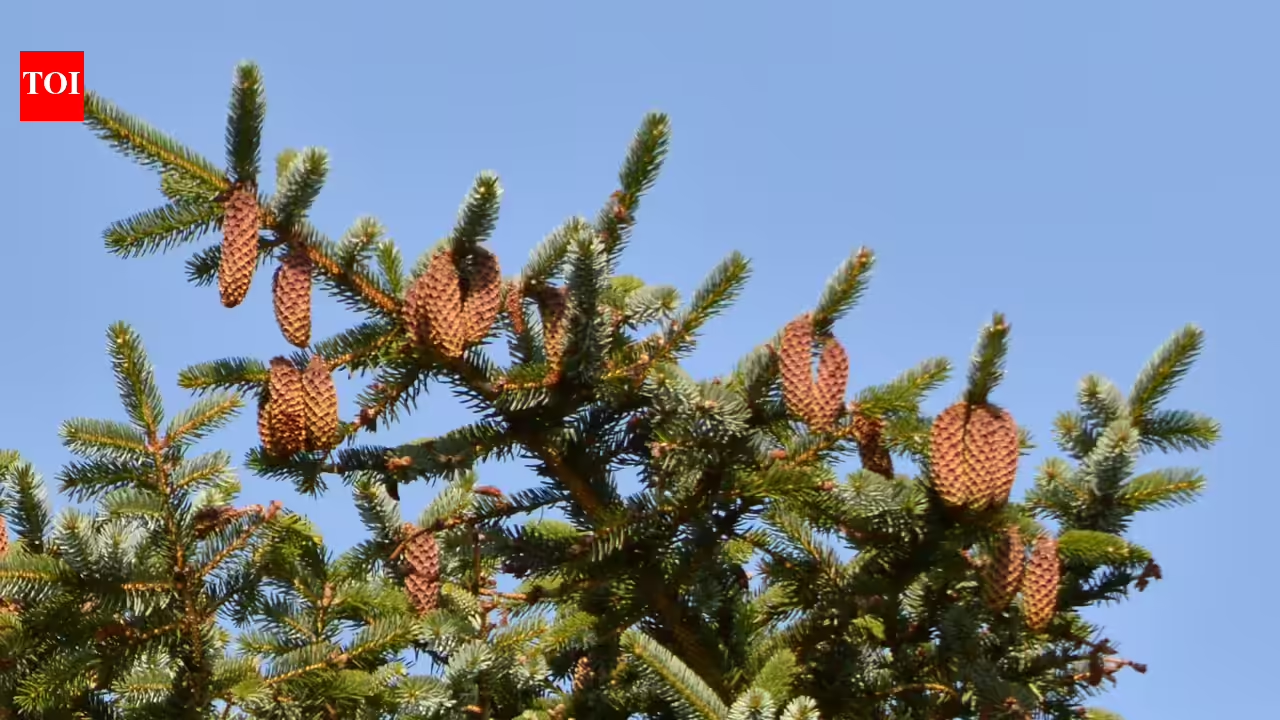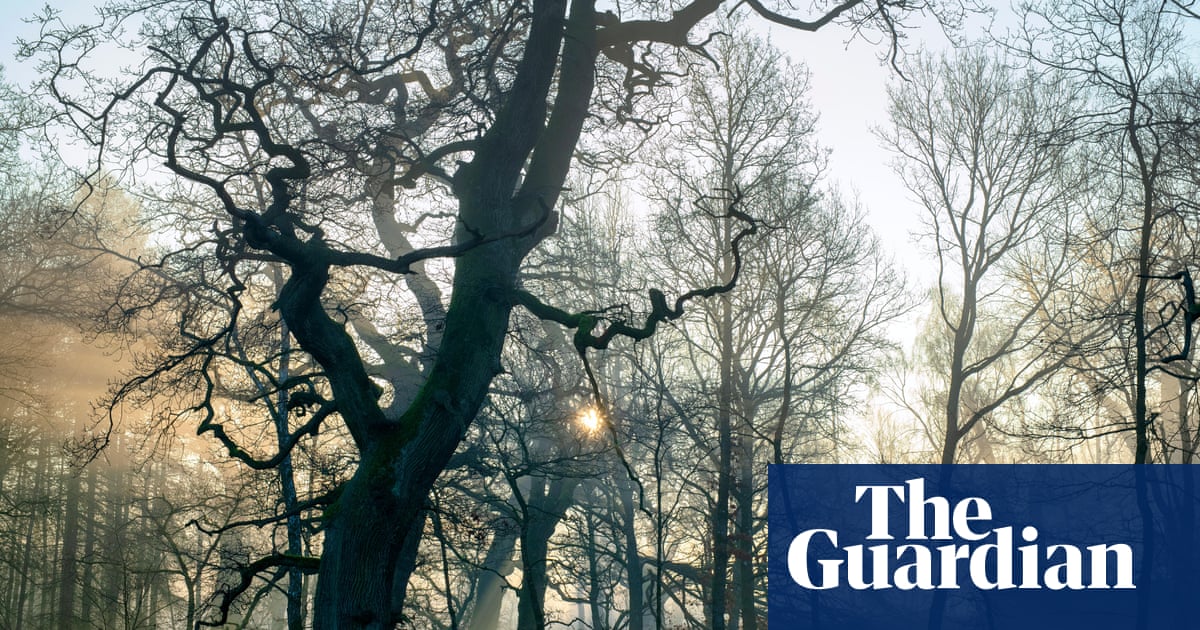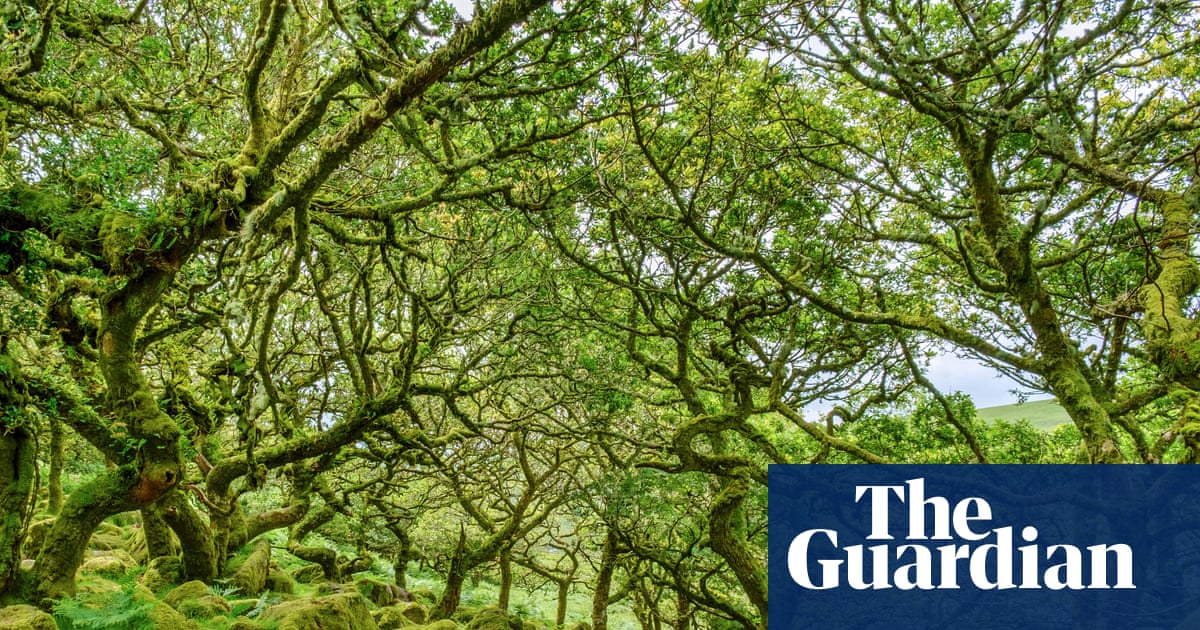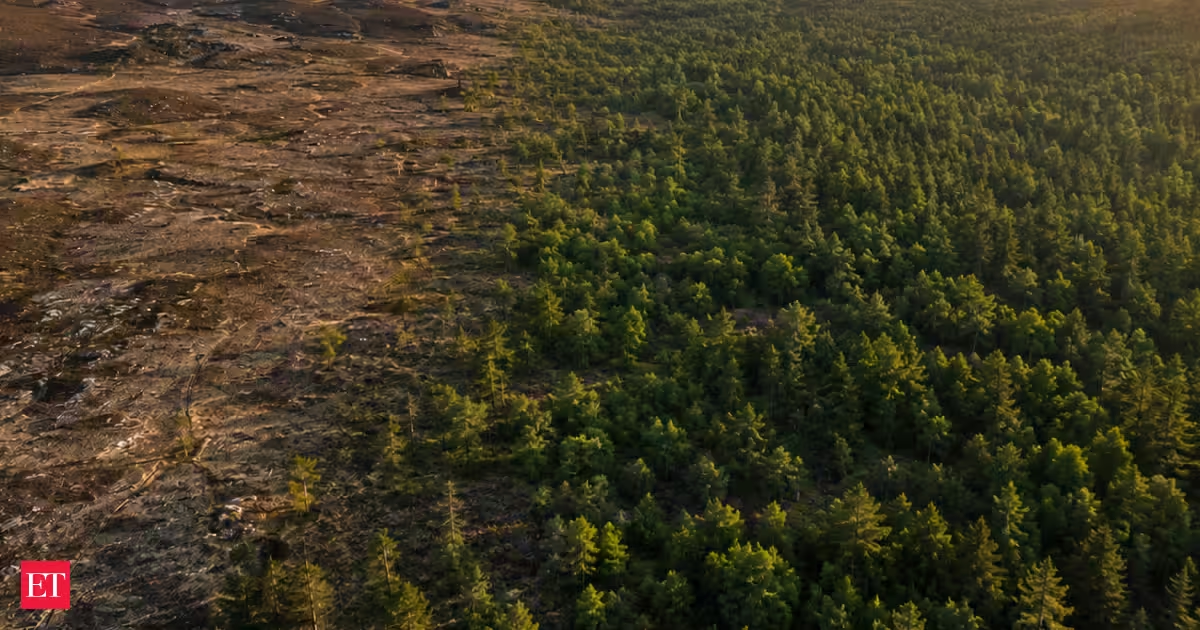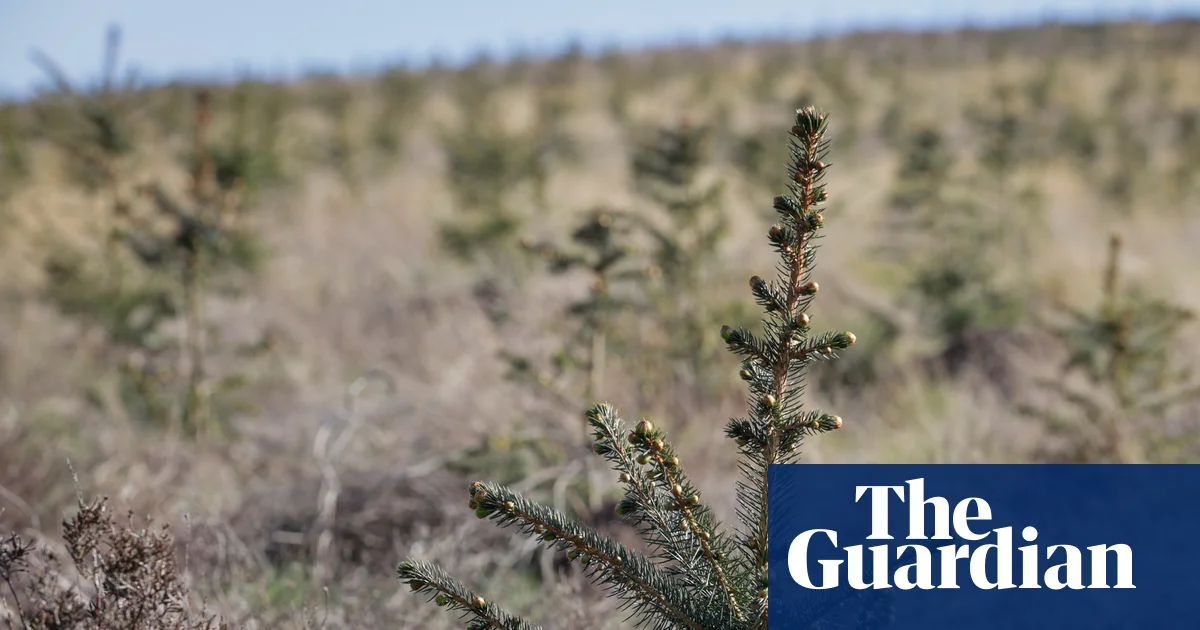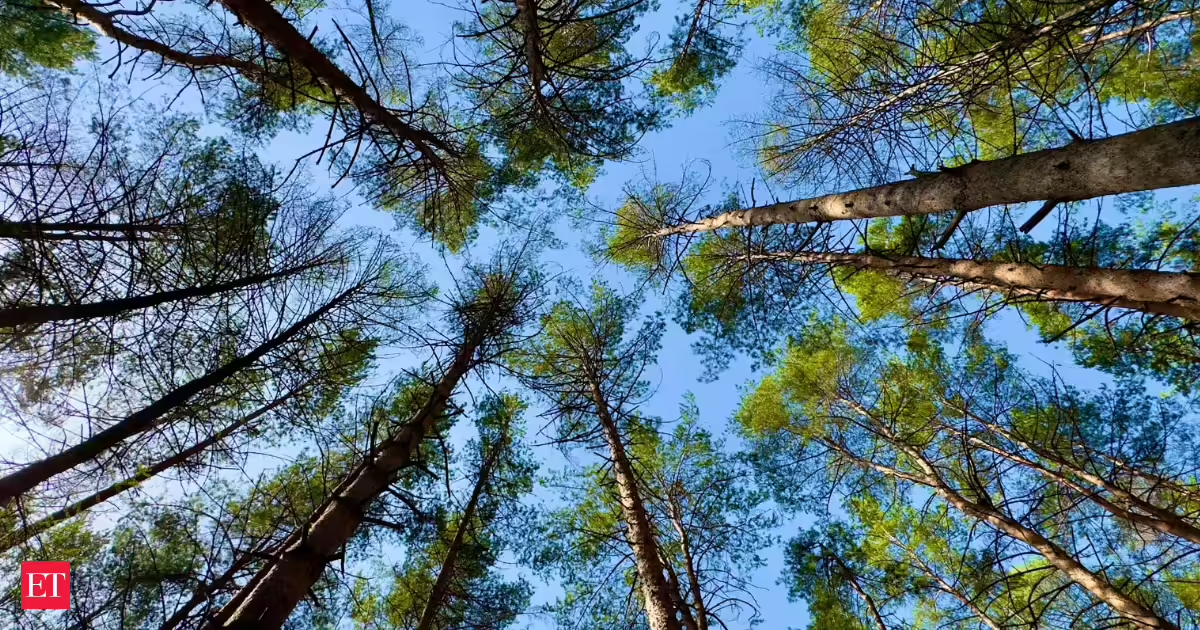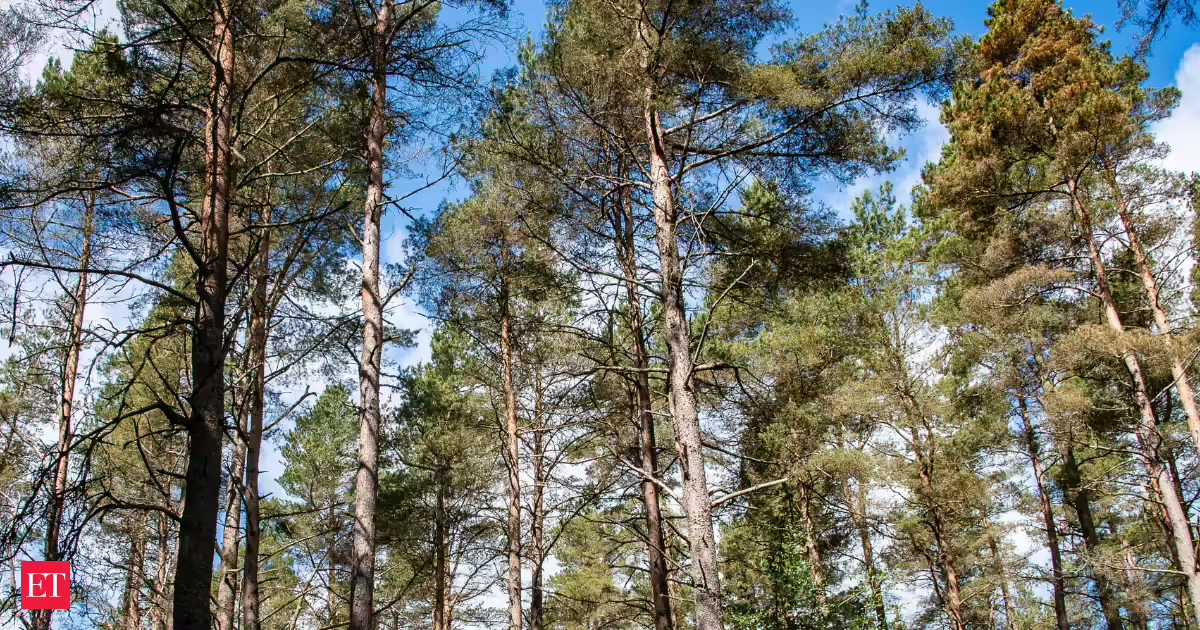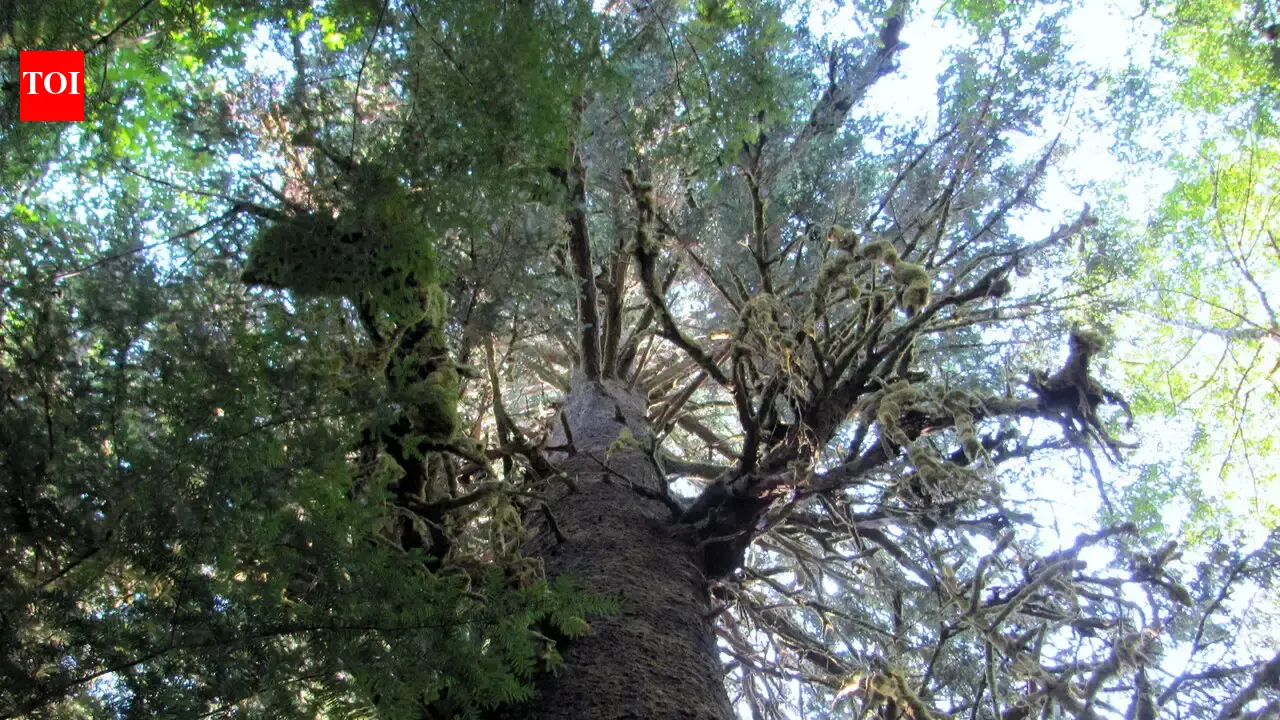
British forests, often perceived as thriving wildlife havens, are revealed to be largely monocultures of Sitka spruce, hindering native biodiversity. Image Credits: Wikimedia CommonsWhen we walk through one of the public forests across the British countryside, we may picture a familiar woodland scene. We look up at the towering, perfectly straight trunks rising in uniform columns, watch the sunlight filter through a dense evergreen canopy, and listen to the peaceful quiet of an expansive wooded landscape. For generations, many people have viewed these plantations as a sign of environmental stewardship. The common belief is that any vast forest, so long as it is densely packed with growing trees, acts as a healthy sanctuary for local wildlife to live and multiply.But a closer look beneath that uniform green blanket introduces a completely different narrative to our modern understanding of woodland ecosystems. Many of these timber landscapes are monocultures that function more like managed crop fields than diverse natural habitats. What looks like a pristine wilderness from a nearby walking path can quietly restrict the sunlight and soil chemistry needed for native plants and animals to survive. As concerns grow about these single-species plantations, conservationists say earlier forestry choices have reduced biodiversity in some areas.This complex environmental challenge was thoroughly investigated in a collaborative ecological study published in Forestry. Led by Dr Ruth Mitchell and researchers from the James Hutton Institute, the RSPB, and the Royal Botanic Garden Edinburgh, the paper evaluated records from across the country to assess the ecological value of these plantations. By cataloguing the species that rely on these trees, the researchers showed that commercial conifer forests support much less diverse life than the ancient native woodlands they replaced.The paper, based on records from across the UK and an extensive literature review, identified 564 species that use Sitka spruce for living space or feeding, most of them non-specialists found on many other trees. It also reports that broad-leaved diversification could speed nutrient cycling and litter decomposition, and says oak, sycamore, Scots pine, birch, beech and Norway spruce offer the strongest biodiversity gains, though the authors caution that further work is needed on the optimal block size and layout.Uncovering the true numbers behind the conifer canopyTo fully understand why these vast evergreen expanses are facing such scrutiny, it helps to look back at why they were created in the first place. Following severe timber shortages after the First World War, British authorities began a national planting campaign in the 1920s, introducing millions of non-native Sitka spruce trees from North America because they grow quickly in wet, acidic soil. This industrial approach built a reliable domestic timber reserve, but it also covered large stretches of the countryside with dense monocultures that block out the sun and alter the forest floor.The analysis found that Sitka spruce provides food and shelter for 564 species in the United Kingdom, including 12 birds, 11 mammals, and more than 100 types of insects. The scientists pointed out that most of these creatures are common generalists that can survive on many tree species. Compared with native British woodlands, a single native oak tree can support more than 2,300 species, while a native ash tree can support nearly 1,000, suggesting the imported conifers are less valuable for conservation.Furthermore, the data showed that only six species in the entire country are uniquely dependent on the Sitka spruce for survival, and most of those are non-native organisms themselves. Because these dense evergreen plantations cast a deep, year-round shadow and drop needles that create highly acidic soil conditions, they prevent traditional woodland flowers and mosses from establishing and make it harder for specialist insects to thrive. This lack of structural and plant diversity ripples through the food chain, meaning that the sprawling conifer woods lack the rich insect populations and nesting sites required to sustain a wide variety of native woodland birds.A recent study highlights that these commercial plantations, established post-WWI for timber, support significantly fewer species than ancient native woodlands. Researchers propose a "patchwork" approach, integrating diverse tree species in blocks, to boost ecological resilience and support wildlife without compromising timber production. Image Credits: Wikimedia CommonsRevitalising industrial timberlands with a patchwork designThe assessment has prompted renewed interest in moving from single-species forestry toward a multi-purpose model. Scientists are not suggesting that the forestry industry should abandon the Sitka spruce entirely, as it remains the most economically valuable timber crop in the nation and plays a vital role in rural economies. Instead, the focus is turning toward spatial redesigns that can build ecological resilience into commercial plantations without reducing their financial value.According to the study’s recommendations, one way to increase forest biodiversity is to introduce a mix of secondary tree species like native oak, Scots pine, birch, and beech. However, because Sitka spruce grows tall quickly, it tends to shade out other trees if they are scattered together in the same patch. To address this, the researchers proposed an approach known as block mixes, which involves planting secondary tree species in distinct blocks of at least half an acre within the wider commercial management area.Adopting this patchwork design gives secondary trees enough light and space to mature. It also creates pockets of diverse leaf litter, richer soil chemistry, and varied light conditions across the landscape. These alternative spaces provide stepping stones for specialised insects, fungi, and birds, while keeping the main timber blocks uniform enough for standard harvesting equipment to operate efficiently. Implementing this approach could help Britain continue producing timber while improving biodiversity and resilience to climate change.
Britain in the 1920s planted millions of Sitka spruce trees for timber, but research suggests these plantations provide much less habitat for wildlife than native forests
When we walk through one of the public forests across the British countryside, we may picture a familiar woodland scene. We look up at the towering, perfectly straight trunks rising in uniform columns, watch the sunlight filter through a dense evergreen canopy, and listen to the peaceful quiet of an expansive wooded landscape.
919 words~4 min read