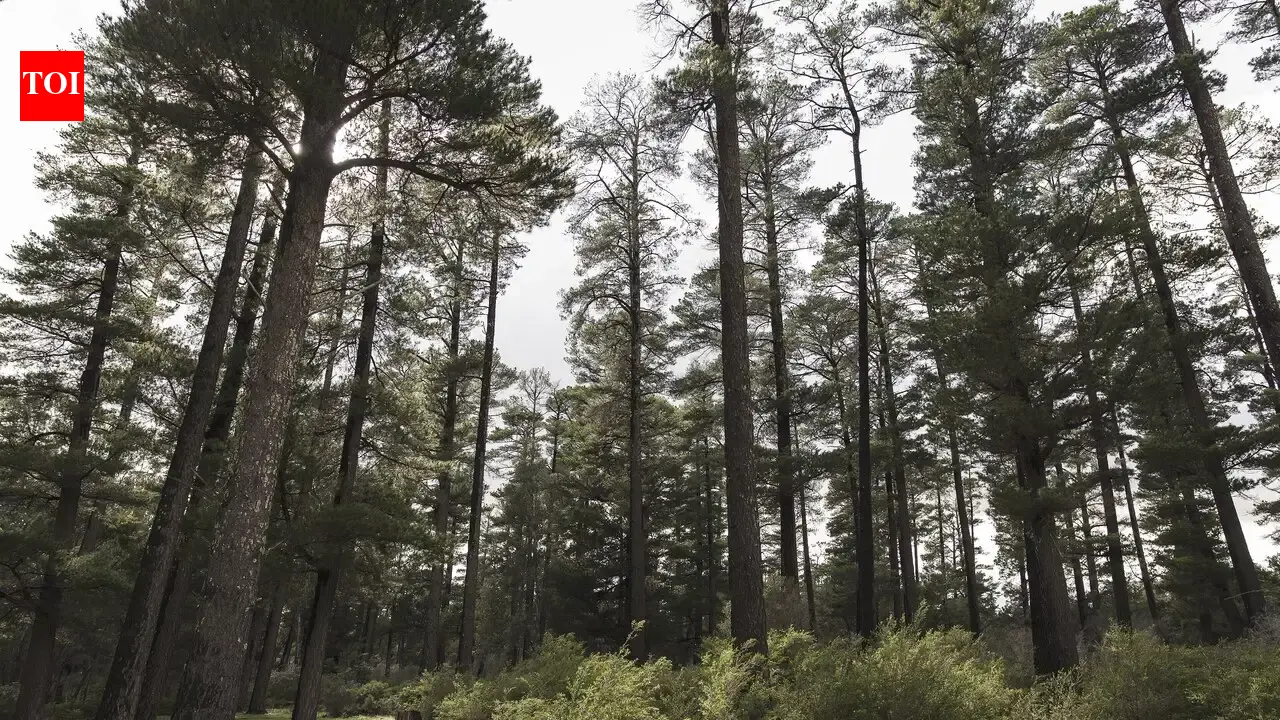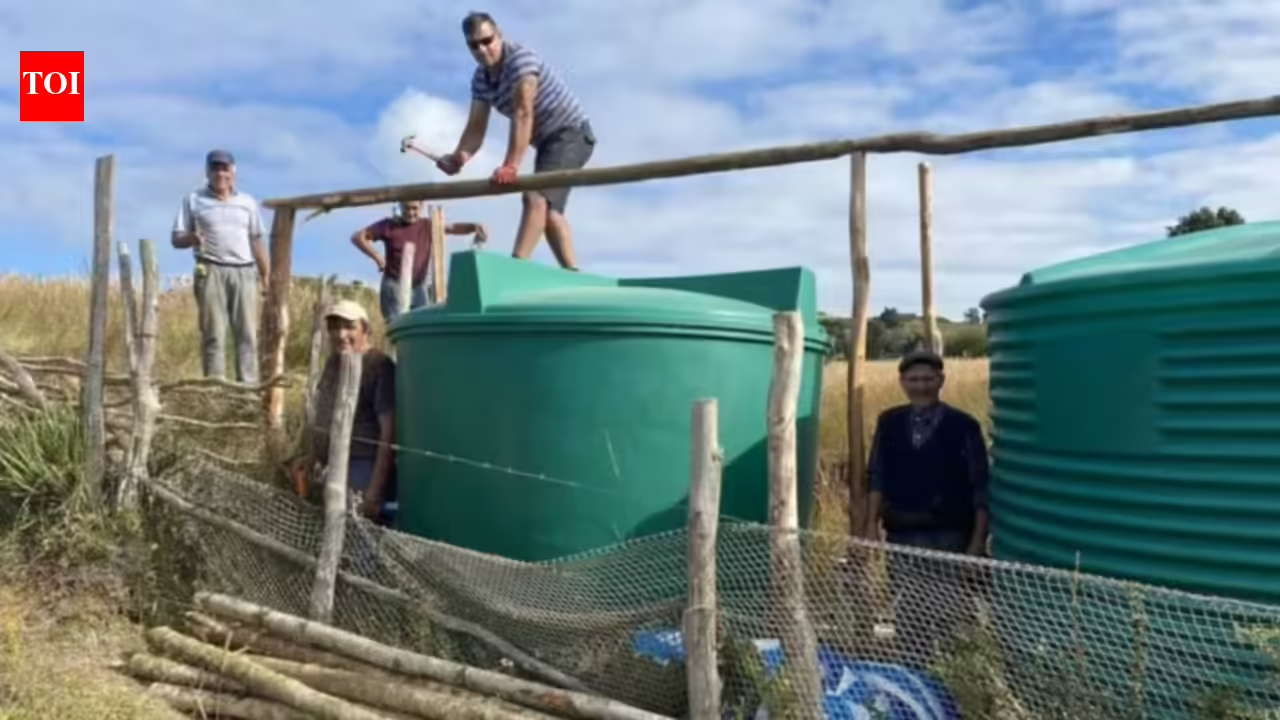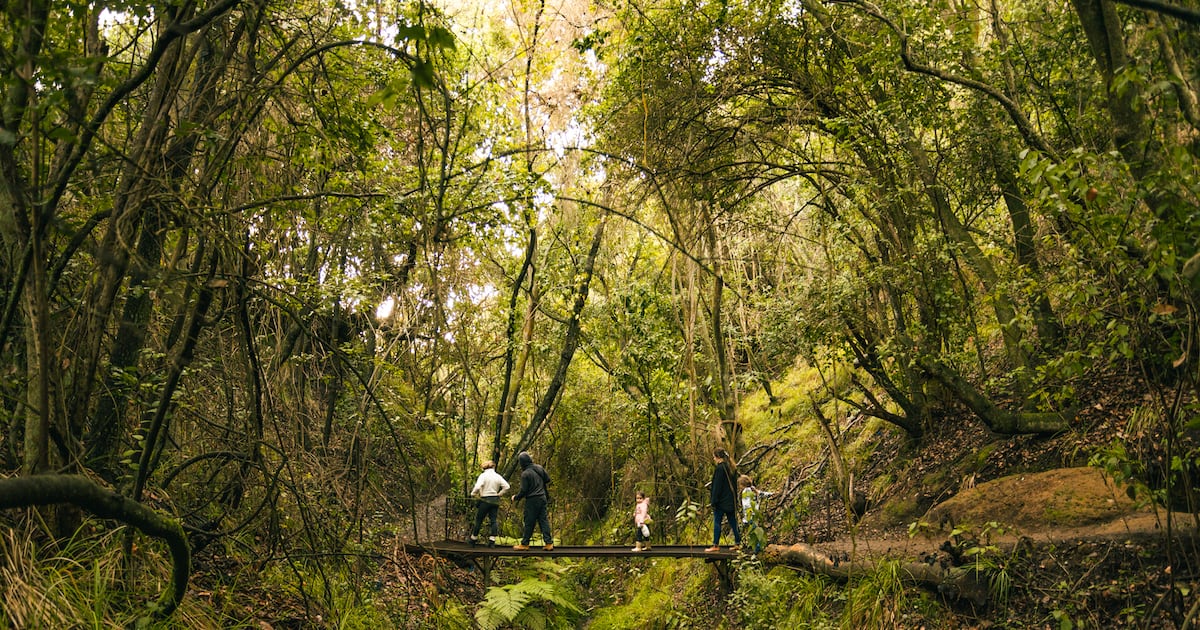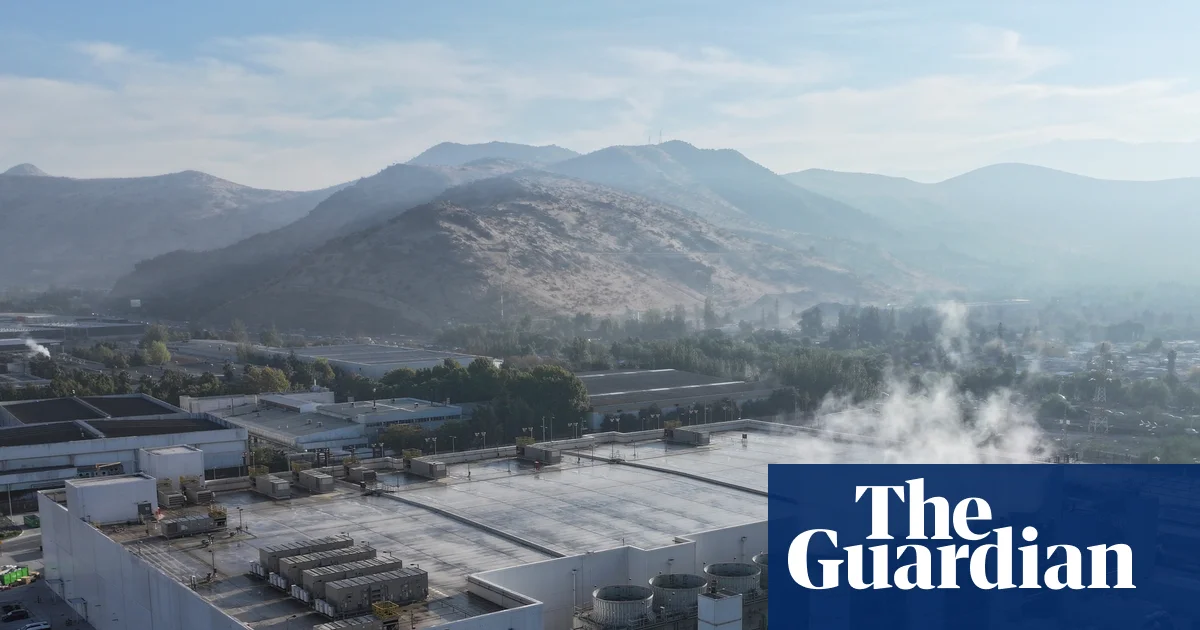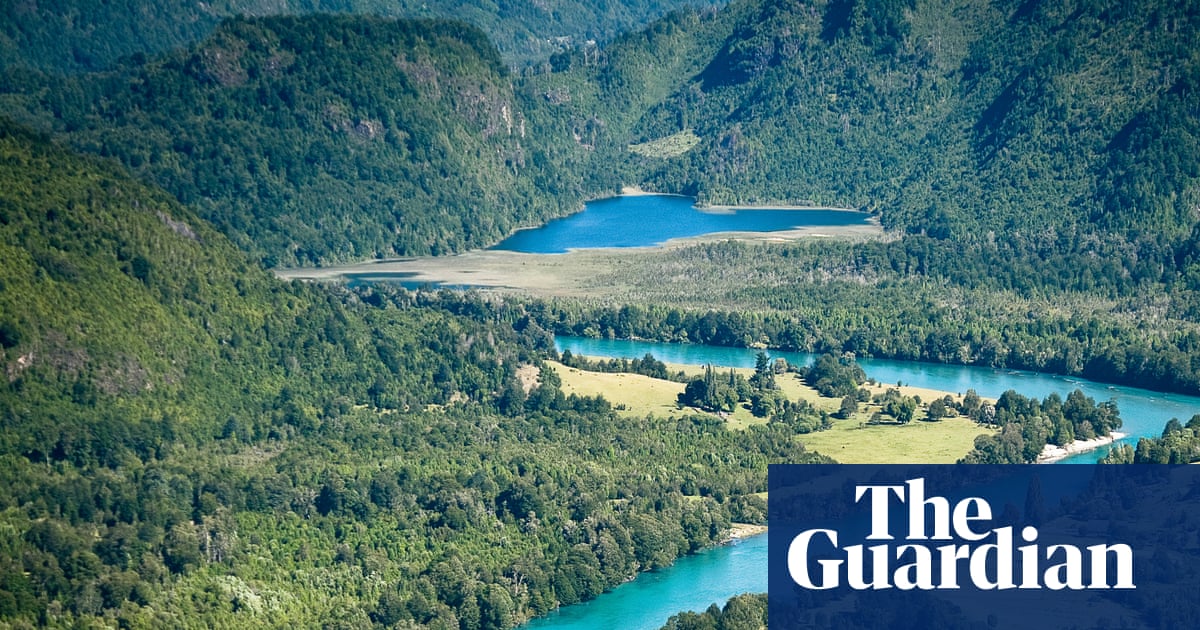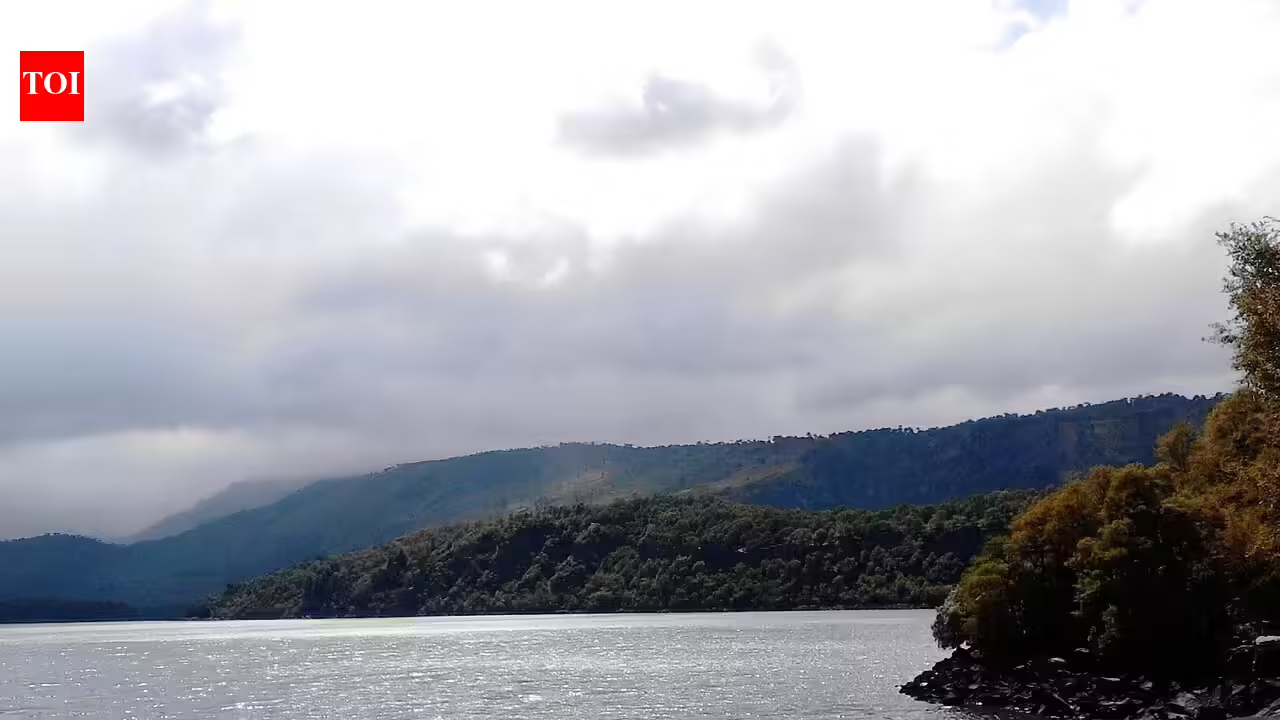
Chile returned significant land to Mapuche communities between 1994 and 2021. Satellite data revealed mixed vegetation changes, with no overall forest cover increase. Returned lands were often degraded pastures or exotic tree plantations. Image Credit: Wikimedia CommonsSouthern Chile’s foggy forests make the region distinctive. The Mapuche have lived in these areas for generations. They regard the monkey puzzle trees and rivers as relatives rather than property. Over the past few decades, Chile has tried to address past wrongs by returning portions of land to Mapuche communities.However, a surprising new scientific evaluation has revealed that the relationship between land ownership and forest health is far more complicated than we thought. According to a study published in the journal Nature Sustainability, researchers found that land transfers were associated with mixed changes in vegetation, with no overall increase in forest cover across the areas included in their analysis. The research analysed the environmental outcomes of this massive territory transfer. The study suggests that the relationship between land restitution and forest recovery may be more complex than previously assumed in the areas it analysed.The study was conducted by an international team of environmental scientists to examine how the land changed after it was returned. According to the above-mentioned study, between 1994 and 2021, the Chilean government transferred 217,716 hectares of land to Mapuche communities through a national land fund. The study analysed land-cover changes associated with these transfers to assess their environmental outcomes. By applying a rigorous difference-in-differences research design, the researchers compared land-use trends over time to track the precise changes in forest cover and native vegetation across the returned plots. The data showed that native forest cover remained largely unchanged, though it declined slightly in some areas.The study examined whether land transfers to Indigenous communities were associated with changes in forest cover in the areas analysed. Despite the potential social benefits, according to this study, land restitution was not correlated with forest regeneration in the region within the scope of the research.Challenges of regenerating the returned landTo find out what prevented the forest from reverting to its original state, it is necessary to mention some of the obstacles that the Mapuches had to face after receiving their lands. Usually, the lands that were restored to the Mapuches were not intact forest but degraded pastures, depleted agricultural lands, or plantations of exotic pines and eucalyptus trees. These plantations consume water resources and can acidify the soil, making it harder for native vegetation to grow.Furthermore, the study highlights that many Indigenous communities are handed back their ancestral lands without the financial resources, tools or technical support needed to manage them sustainably. Restoring a degraded commercial timber plantation to a diverse native forest is an incredibly expensive and labour-intensive process. Without access to capital, heavy machinery, or modern forestry guidance, many families are forced to rely on small-scale logging, firewood collection, or subsistence farming on their new plots just to make ends meet and support their households.These results point out a significant gap in the process of land reform that is pursued by governments. Returning land deeds does not by itself erase decades of environmental damage. Without additional support from authorities, newly returned land may remain degraded and economically strained despite local efforts.Communities lacked resources for sustainable management and restoration efforts. Future conservation funding should support ecological work and technical assistance. Image Credits: Wikimedia CommonsA path to better environmental managementThese findings could help guide conservation funding decisions. Not only should conservation businesses and funds focus on land buying or distributing their deeds, but they should also provide the funding for real ecological work – establishing native tree nurseries, conducting soil rehabilitation projects, and developing forest-friendly businesses among the native communities. With more funding and technical support, Mapuche communities may be better able to restore their forest lands.
Chile transferred 217,716 hectares to Mapuche communities, but the land returns did not automatically increase forest cover, study finds
Southern Chile’s foggy forests make the region distinctive. The Mapuche have lived in these areas for generations.
632 words~3 min read