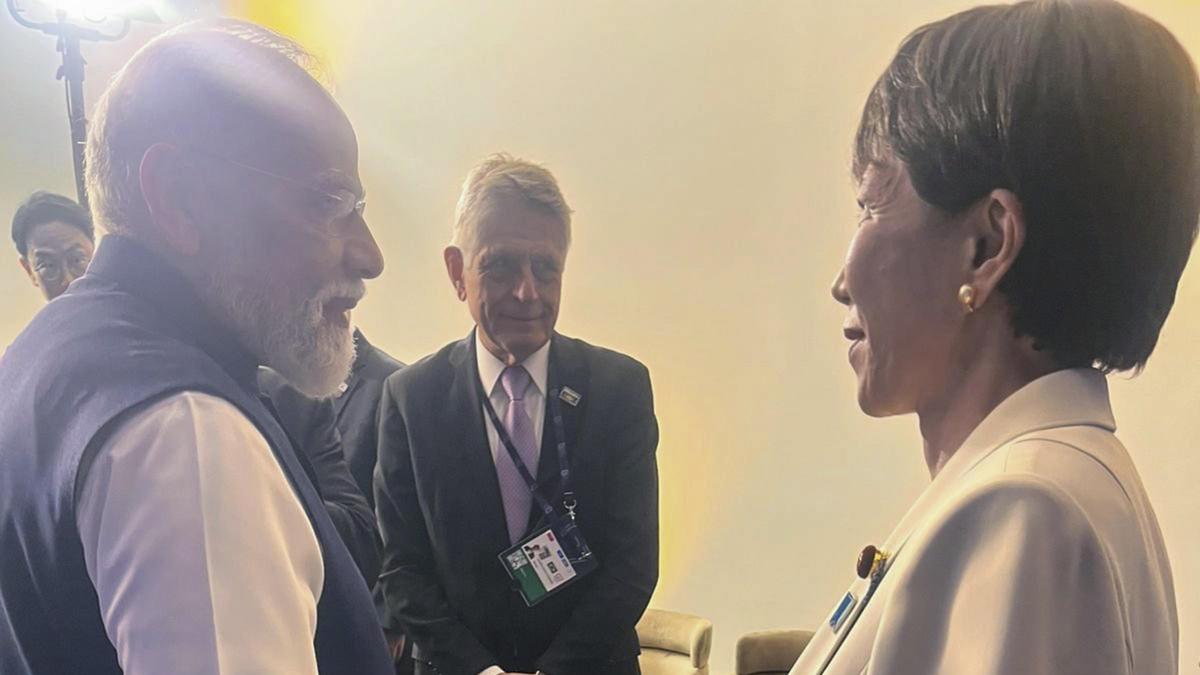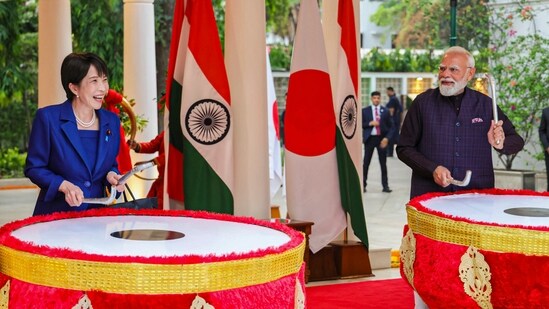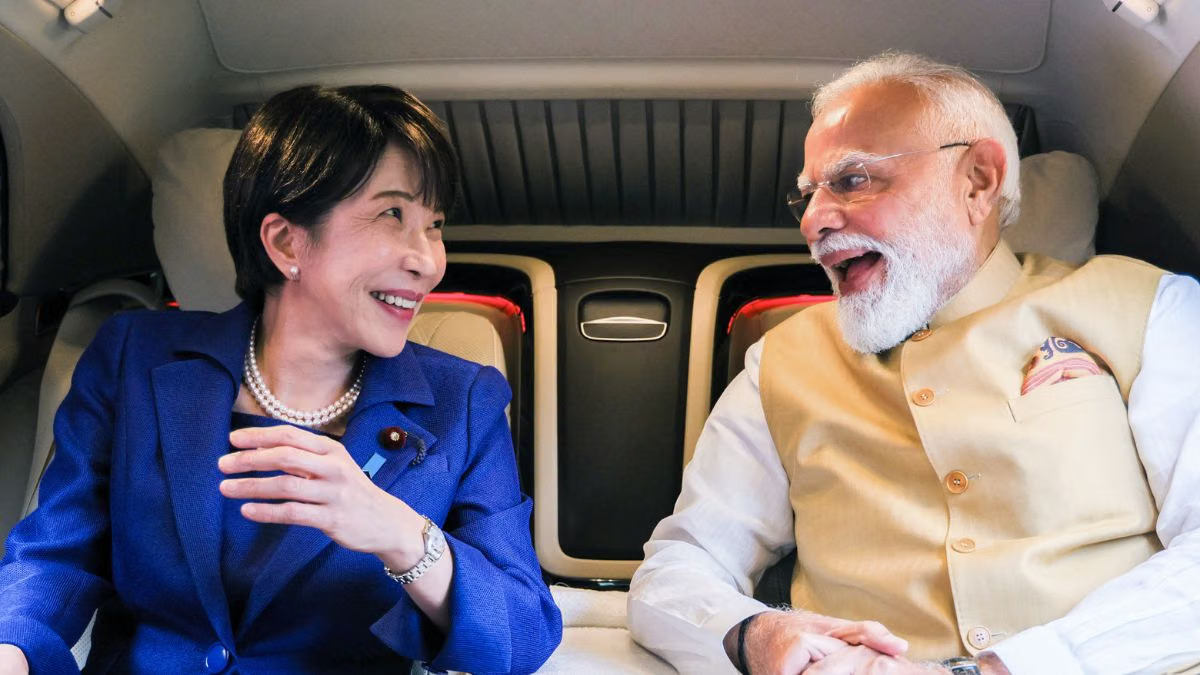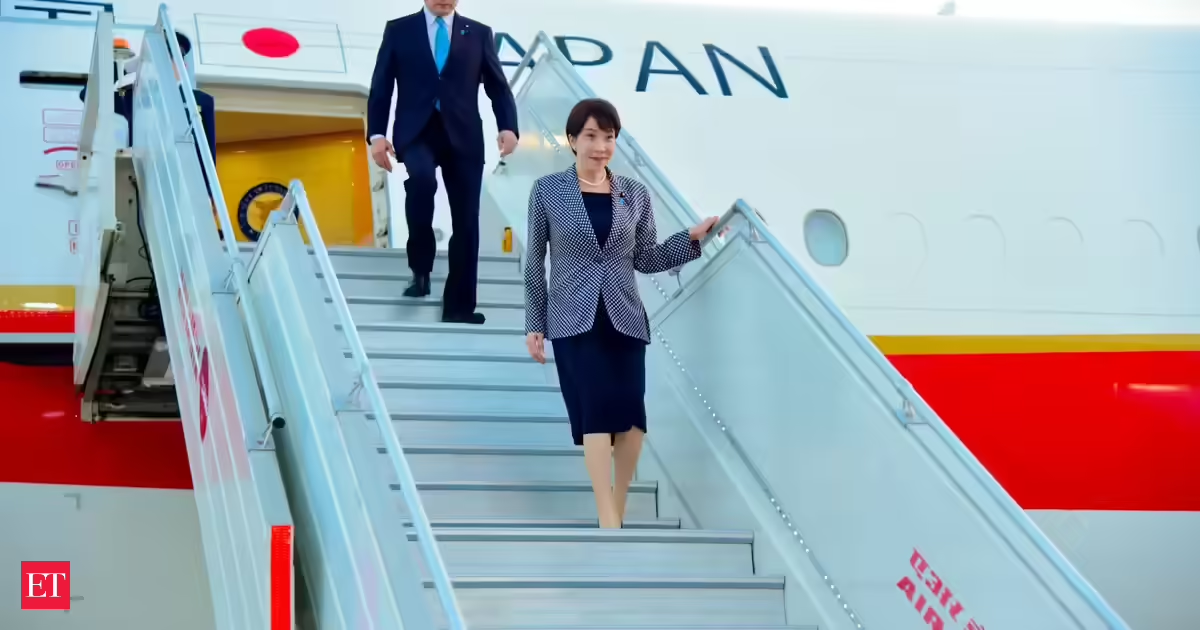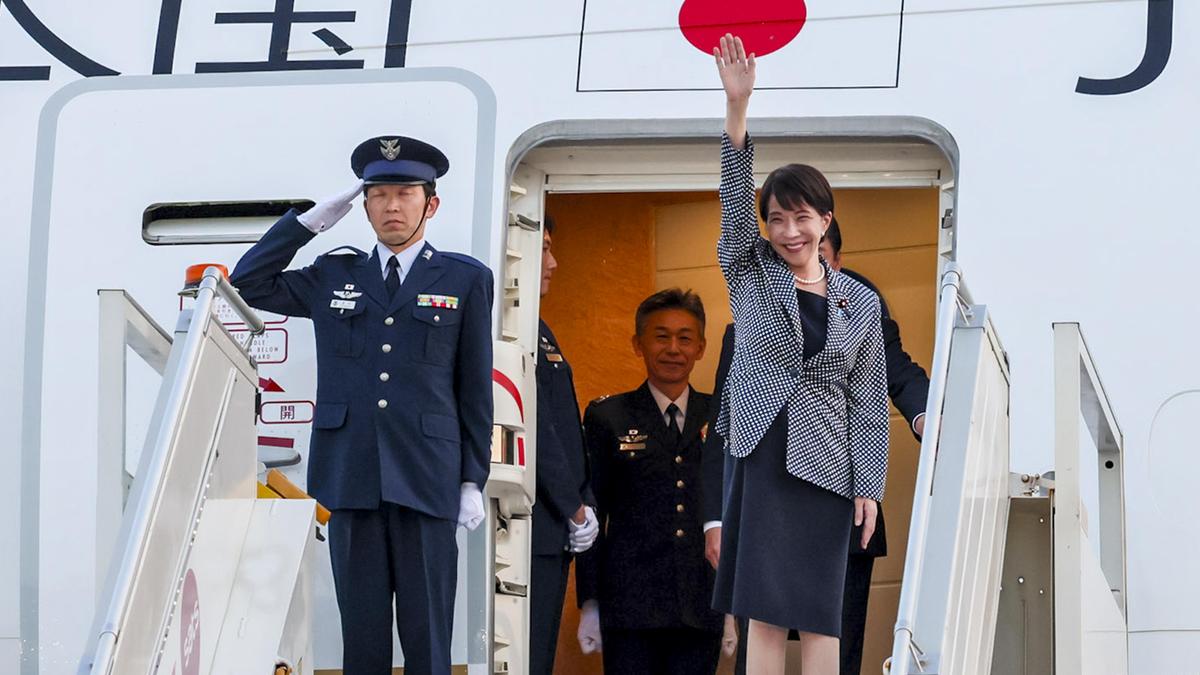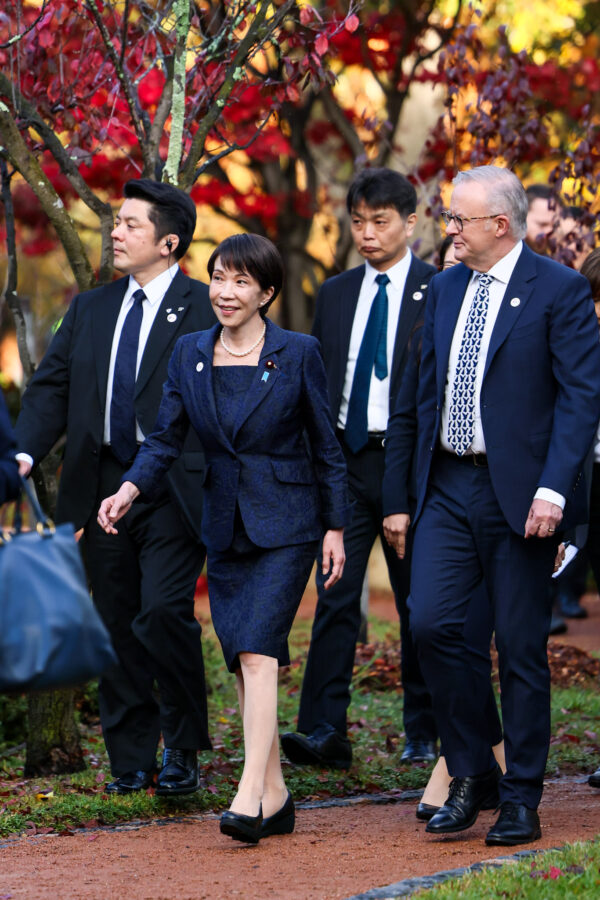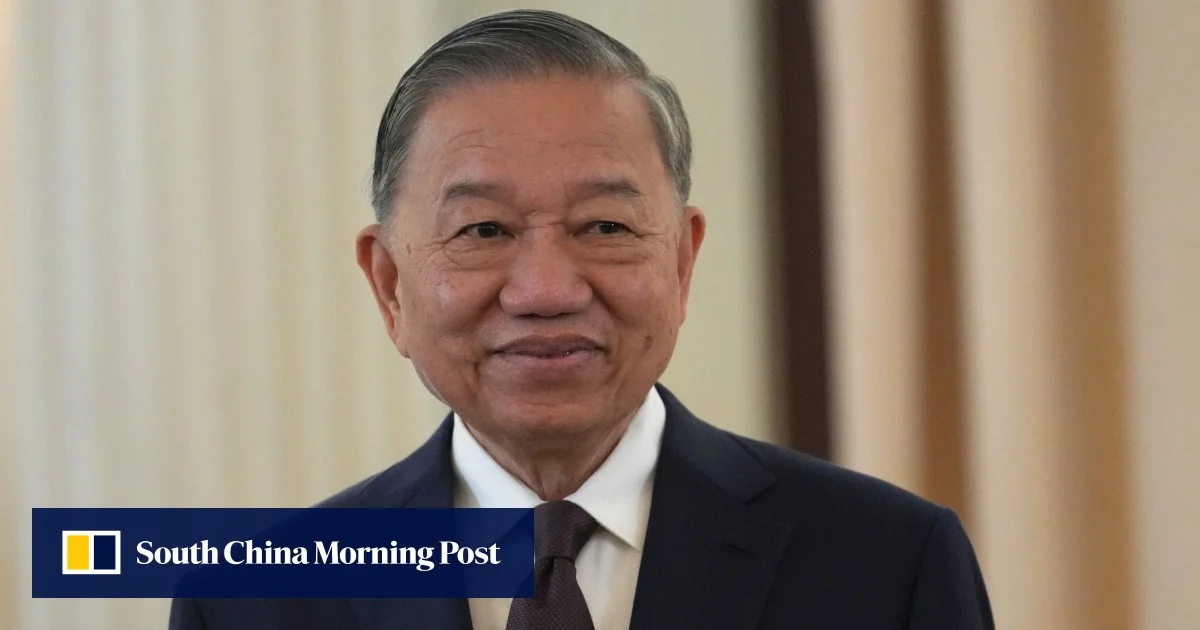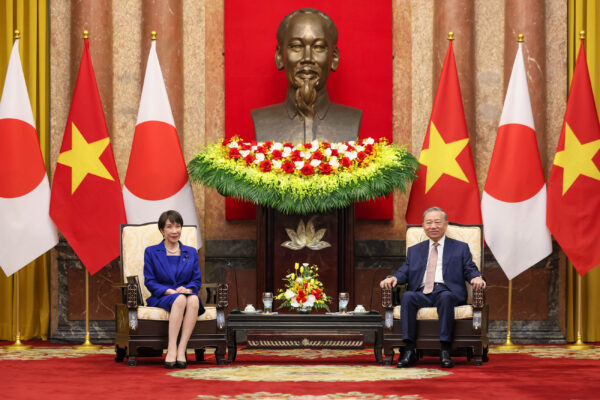
On May 1, 2026, Japanese Prime Minister Sanae Takaichi began a three-day visit to Vietnam, meeting with all major political leaders, including To Lam, General Secretary of the Communist Party of Vietnam and President, Prime Minister Le Minh Hung, and National Assembly Chairman Tran Thanh Man. In her meeting with Lam, Takaichi reaffirmed the continued development of the Japan-Vietnam Comprehensive Strategic Partnership (CSP), agreed to advance cooperation on rare earths for economic security, and indicated that her government would promote Official Security Assistance (OSA).
Vietnam occupies a central place in Japan’s foreign relations, serving as a gateway to Southeast Asia and as a leading investment destination for Japanese companies pursuing a China Plus One strategy. Japan has long prioritized this relationship, including through plans to offer Official Development Assistance (ODA) in the aftermath of the Vietnam War.
Vietnam’s importance to Japan has grown in recent years, spanning economics, politics, and security. As Vietnam grows its regional influence within ASEAN, closer ties are central to Japan’s Southeast Asian strategy. Both countries also face Chinese maritime pressure — Japan in the East China Sea, Vietnam in the South China Sea — and that shared strategic outlook reinforces the partnership. Since Abe Shinzo took office for the second time in 2012, every Japanese prime minister has visited Vietnam early in their tenure, underlining that Tokyo’s interest in Hanoi is driven substantially by its broader focus on China.