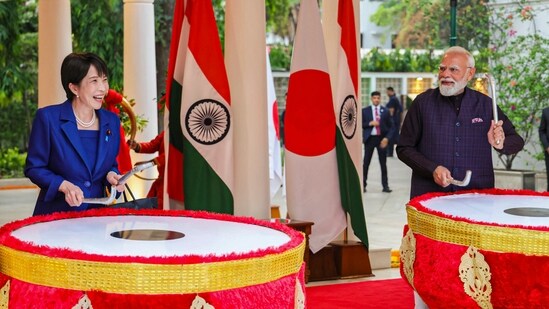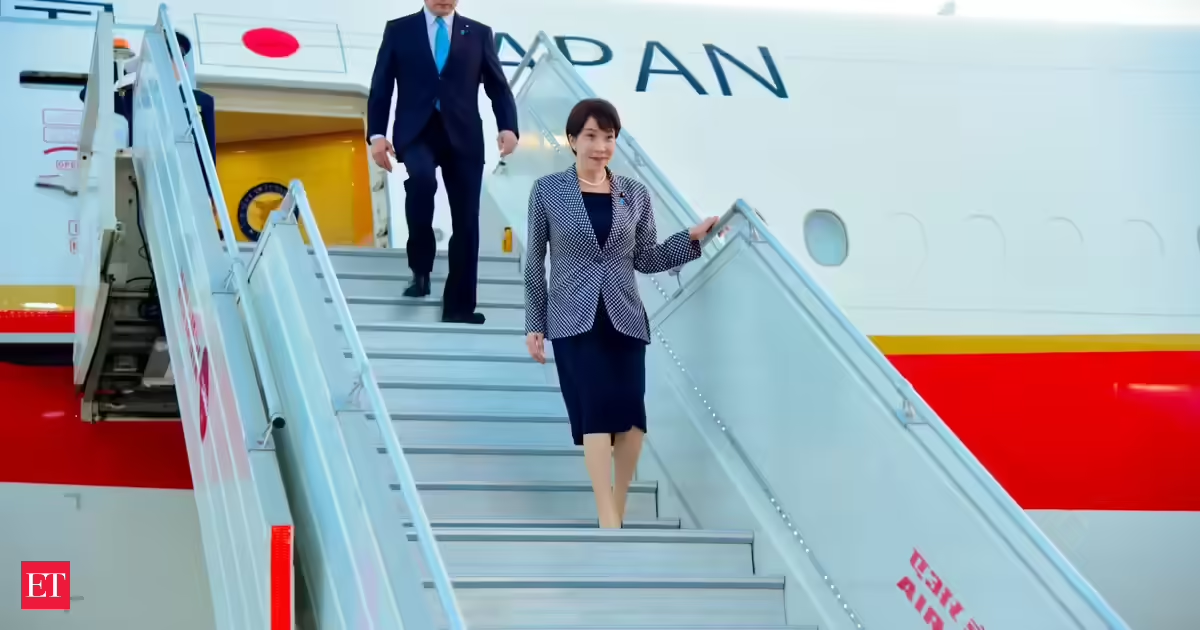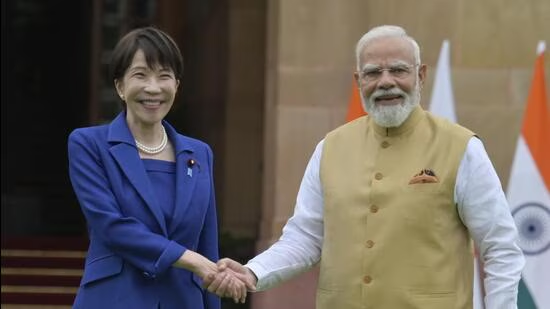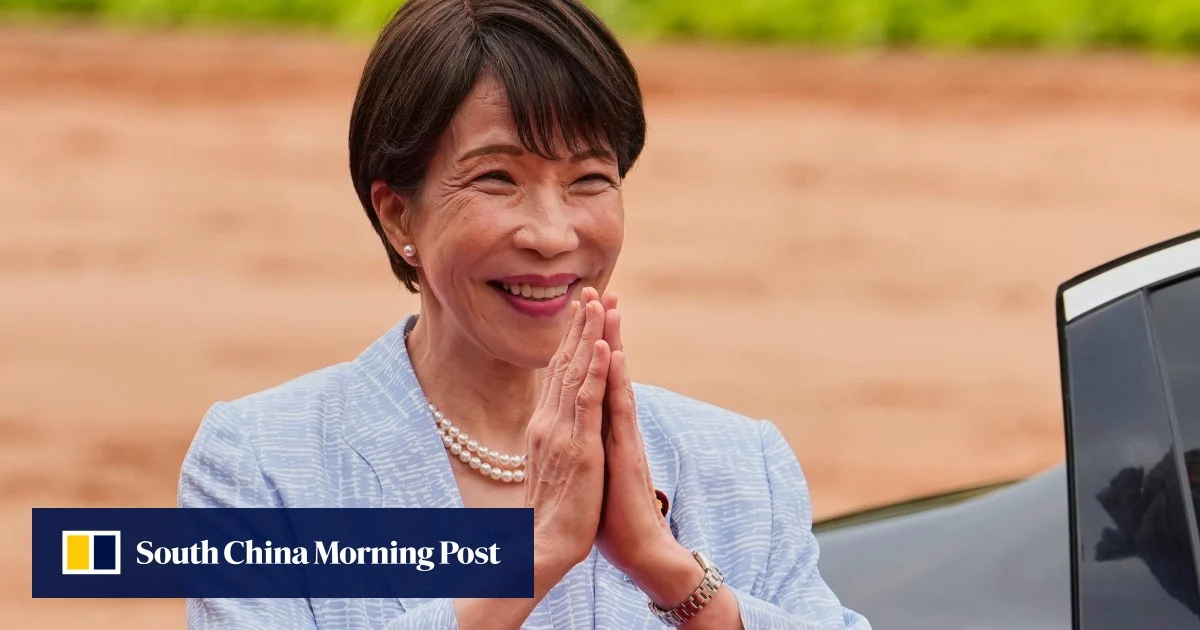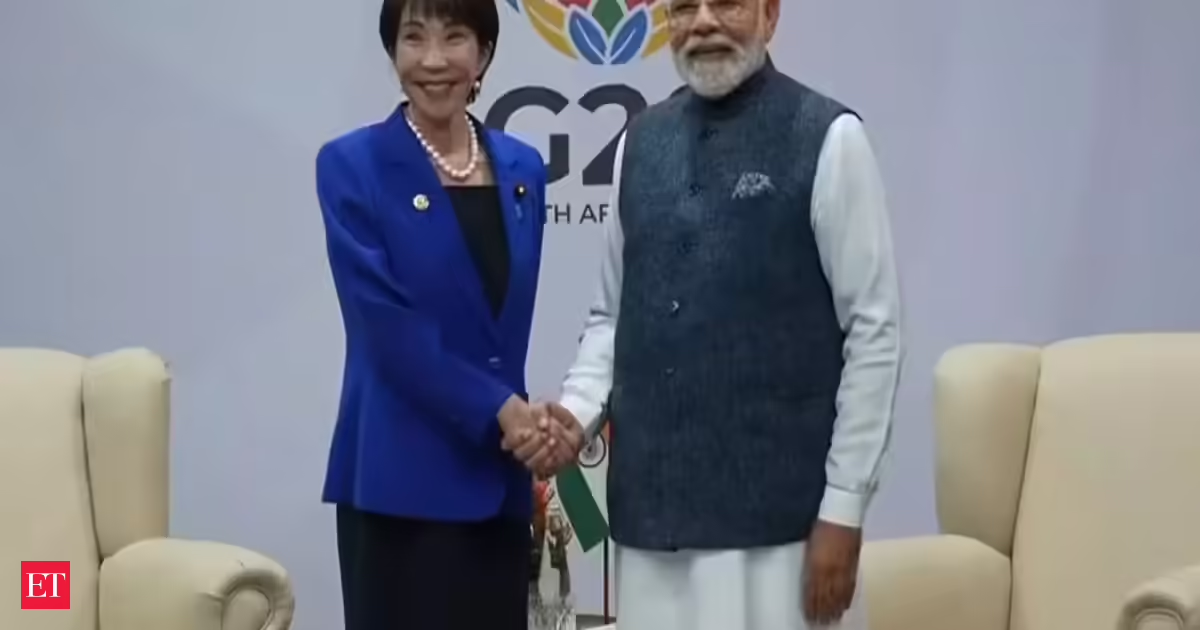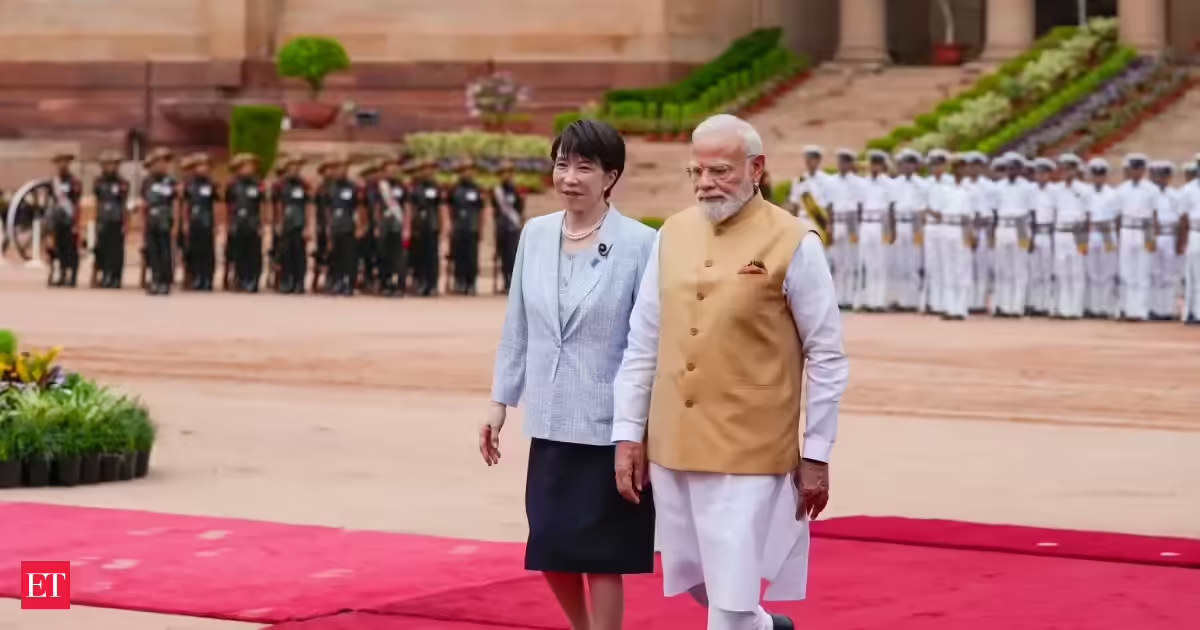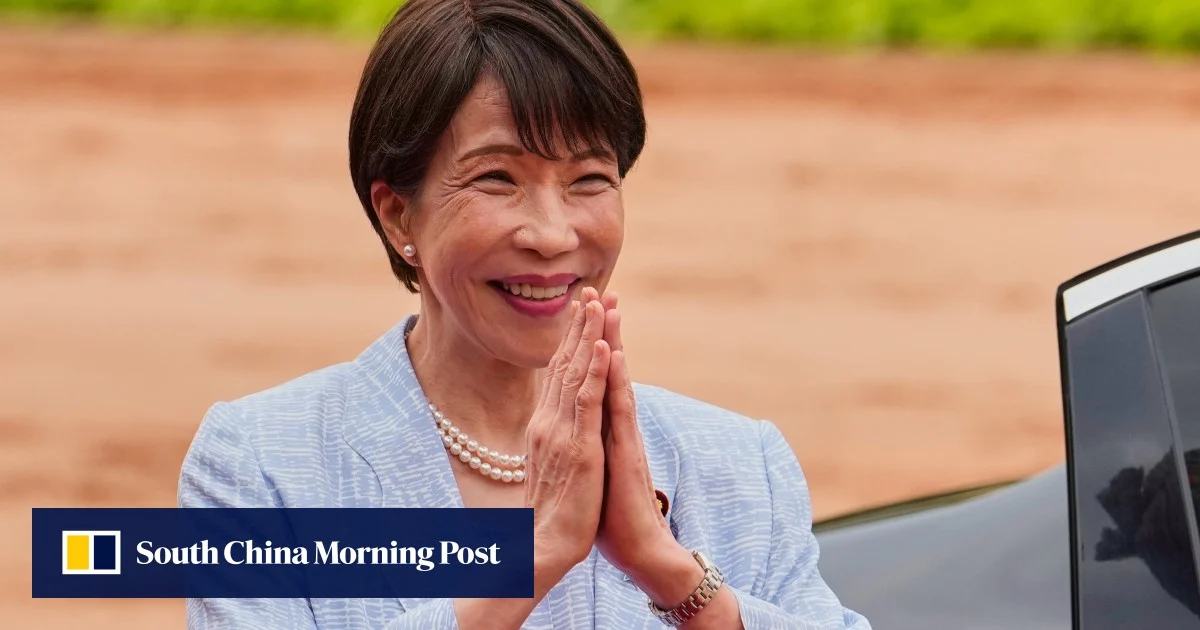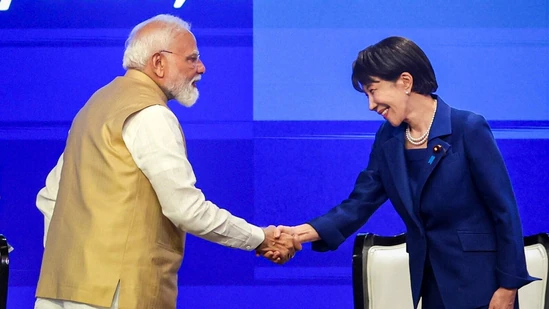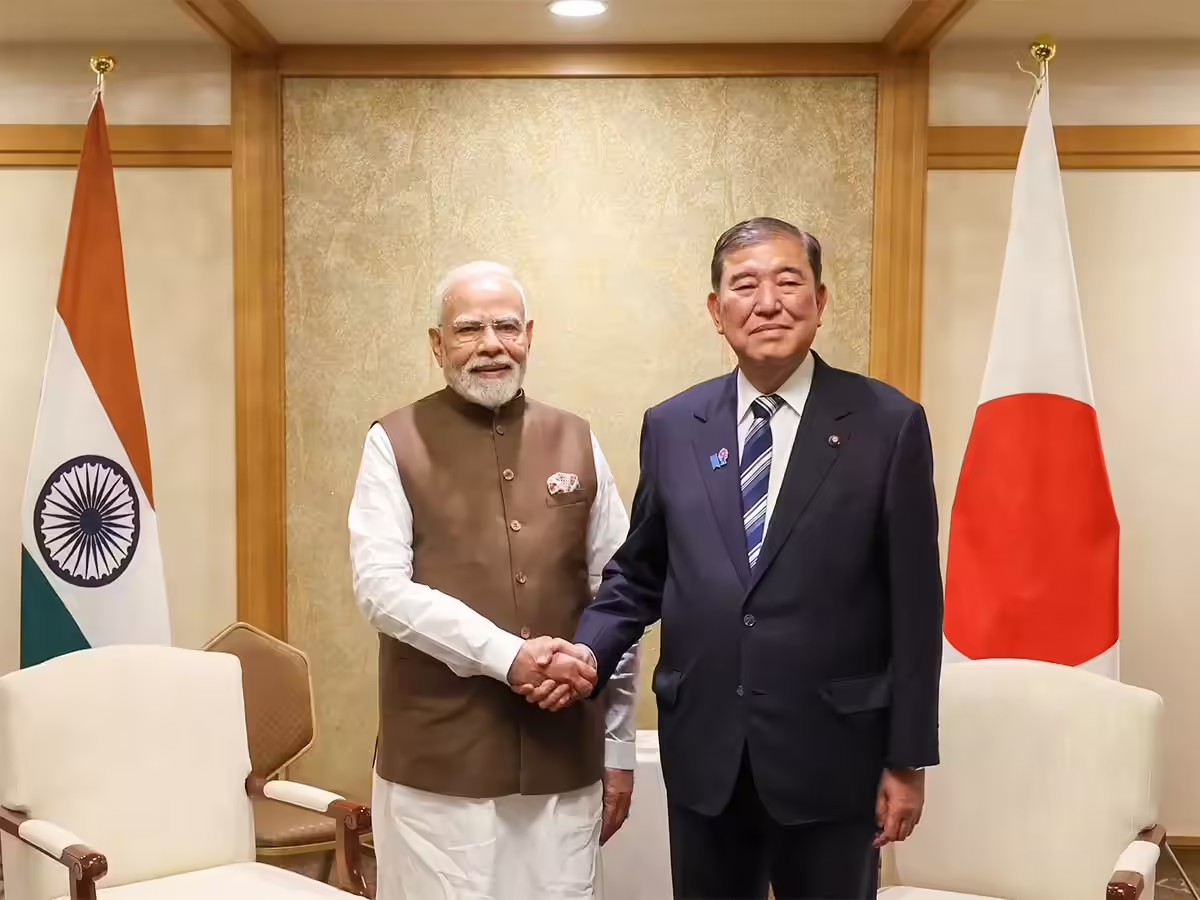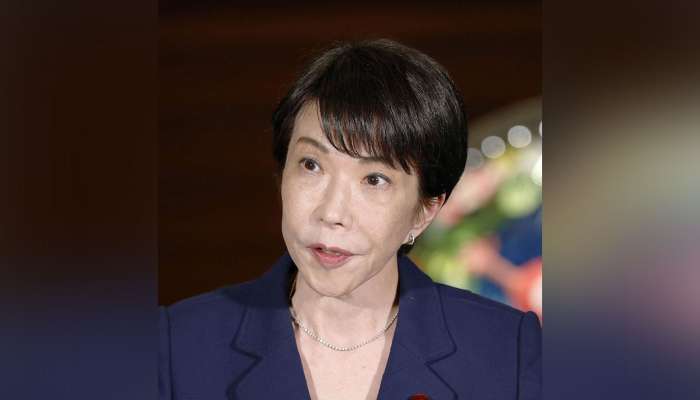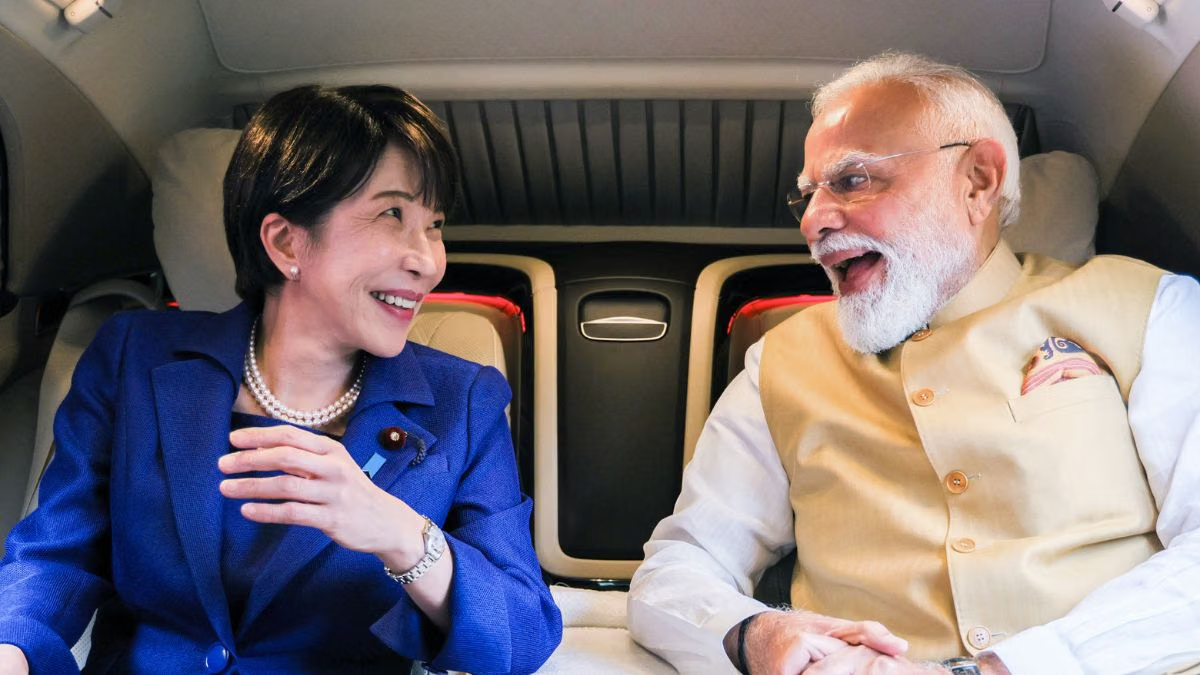
Three months later, PM Sanae Takaichi—late Shinzo Abe’s protégé—has concluded her first state visit to India. Much has already been written about it and the natural partnership between Japan and India.Japan has, after all, entered a new phase. Takaichi became the country’s first woman prime minister in a deeply patriarchal political system and, more remarkably, has begun to bring a degree of stability to a country that has cycled through a revolving door of prime ministers for much of the past few years. Stability itself is a political achievement in contemporary Japan; the fact that it is embodied by a woman makes the moment all the more historic.And yet, when one thinks of India-Japan relations today, an unmistakable sense of complacency lingers. The relationship is described as “natural”, “special”, “trusted” and “indispensable”. Every summit reiterates these familiar adjectives and every joint statement checks the expected boxes. The goodwill is genuine and the political comfort undeniable, but the relationship will plateau unless the timing and development of its critical drivers are kept at the centre. There are three such drivers, to which this column will shortly return.
Also read: Rashtrapati Bhavan rolls out red carpet for Japan’s Takaichi—glimpses from ceremonial reception