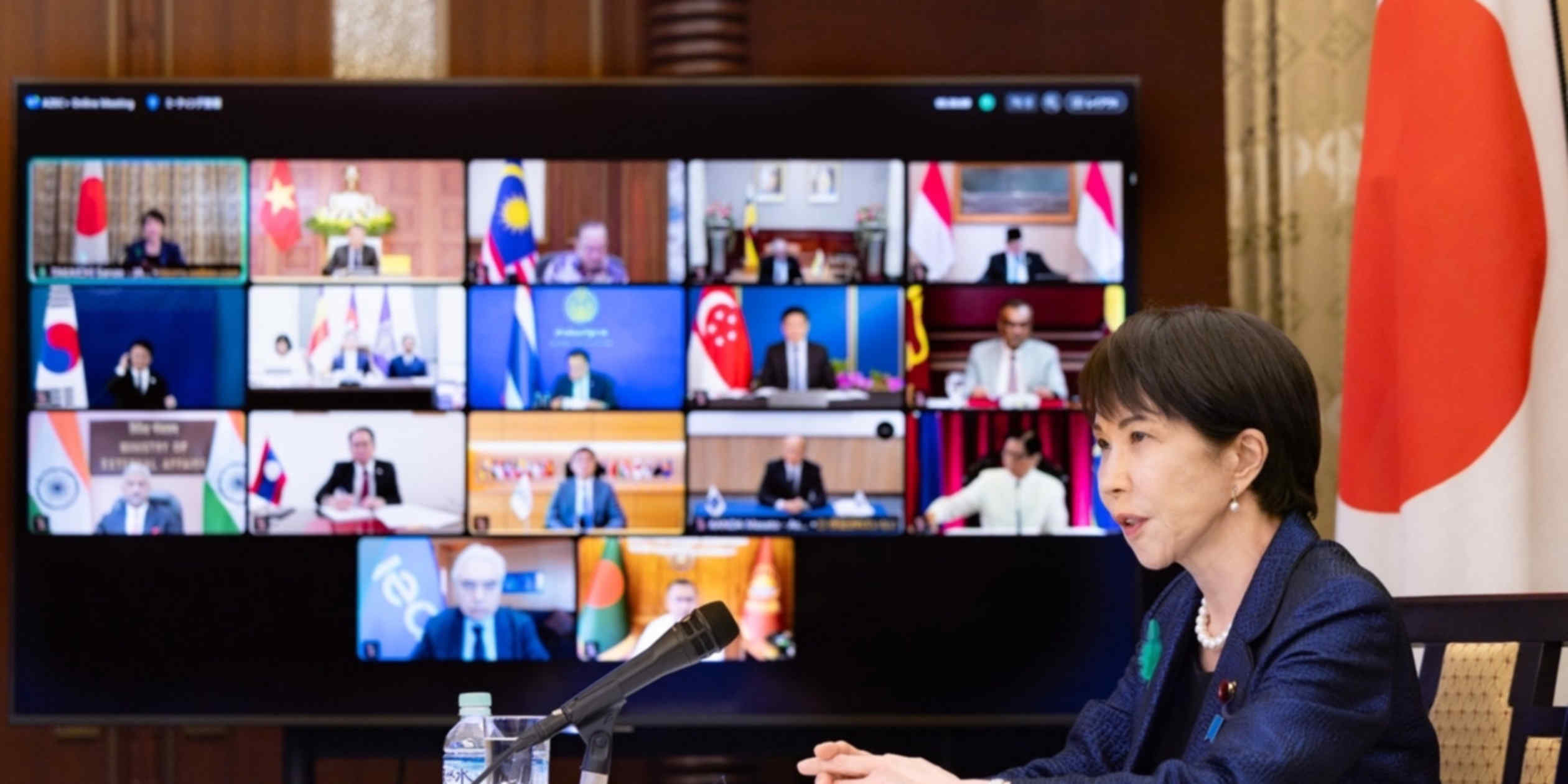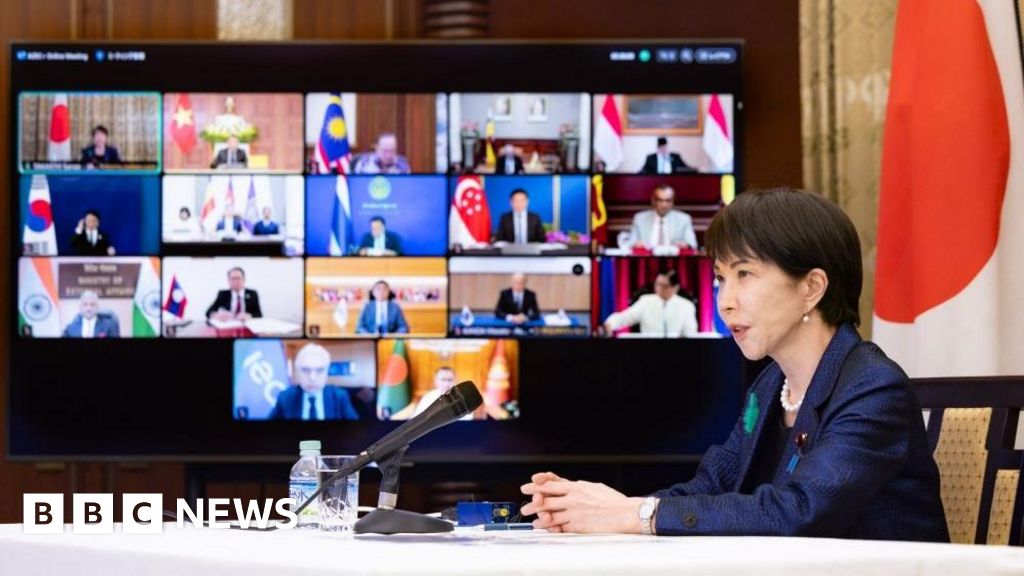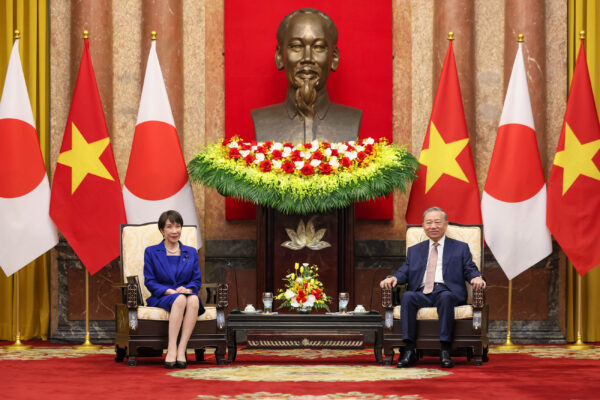
During Prime Minister Sanae Takaichi’s visit to Vietnam in May 2026, the Japanese government announced financial support for crude oil procurement for Vietnam’s Nghi Son Refinery. This was the first project under the US$10 billion Partnership on Wide Energy and Resources Resilience Asia (POWERR Asia), announced at the 15 April 2026 online summit of the Asia Zero Emission Community (AZEC).
Deepening Japan–ASEAN cooperation reflects Japan’s gradual approach to regional engagement, now adapted to strengthen energy security and supply chain resilience. While POWERR Asia offers limited immediate relief for supply shortages arising from the war in Iran, it carries significant long-term strategic implications for regional supply chain restructuring.
Japan’s approach to Southeast Asia has long been gradual, institution-focused and embedded in production networks. It works through technology transfer, official finance, regulatory and human resource development, as well as private sector partnerships.
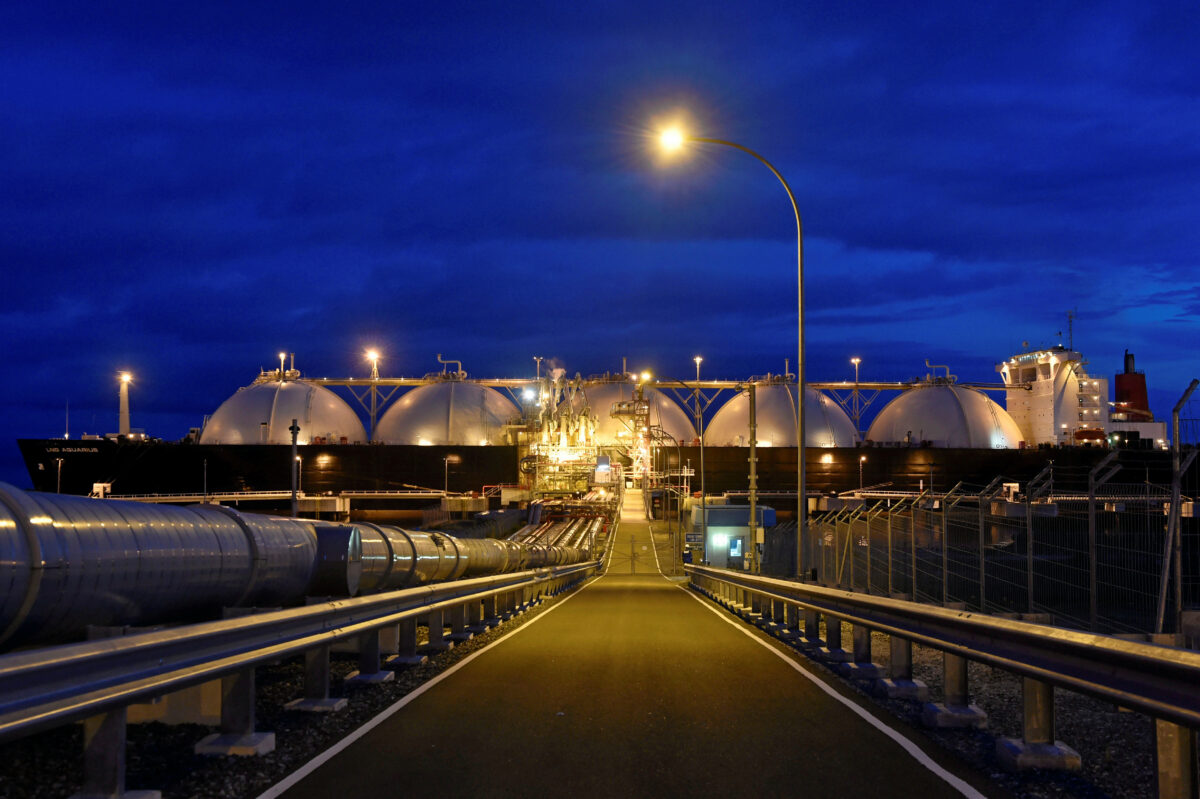
The measure for Nghi Son Refinery illustrates this approach. It is mainly financial support rather than a direct transfer of crude oil, making it unlikely to resolve Japan’s short-term concerns over imports of petroleum-derived products used in medical and industrial sectors. Yet in the long term, it could facilitate the development of integrated energy and resource supply chains linking Japan and ASEAN that extend beyond strategic petroleum stockpiles. It may also provide ASEAN countries with additional incentives to diversify their economic partnerships amid growing dependence on China, potentially transforming regional supply chains.