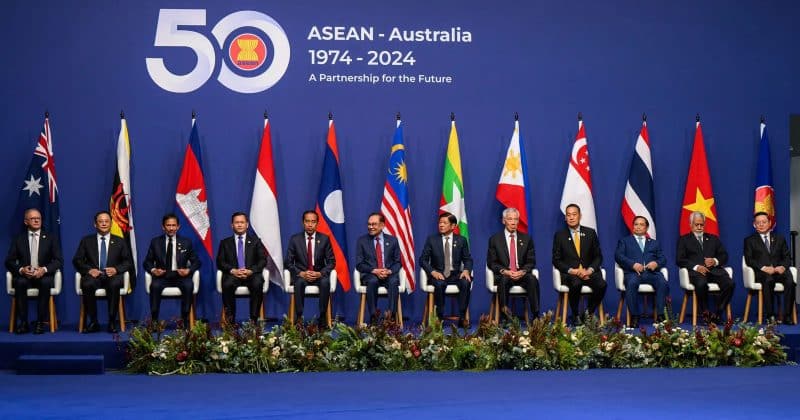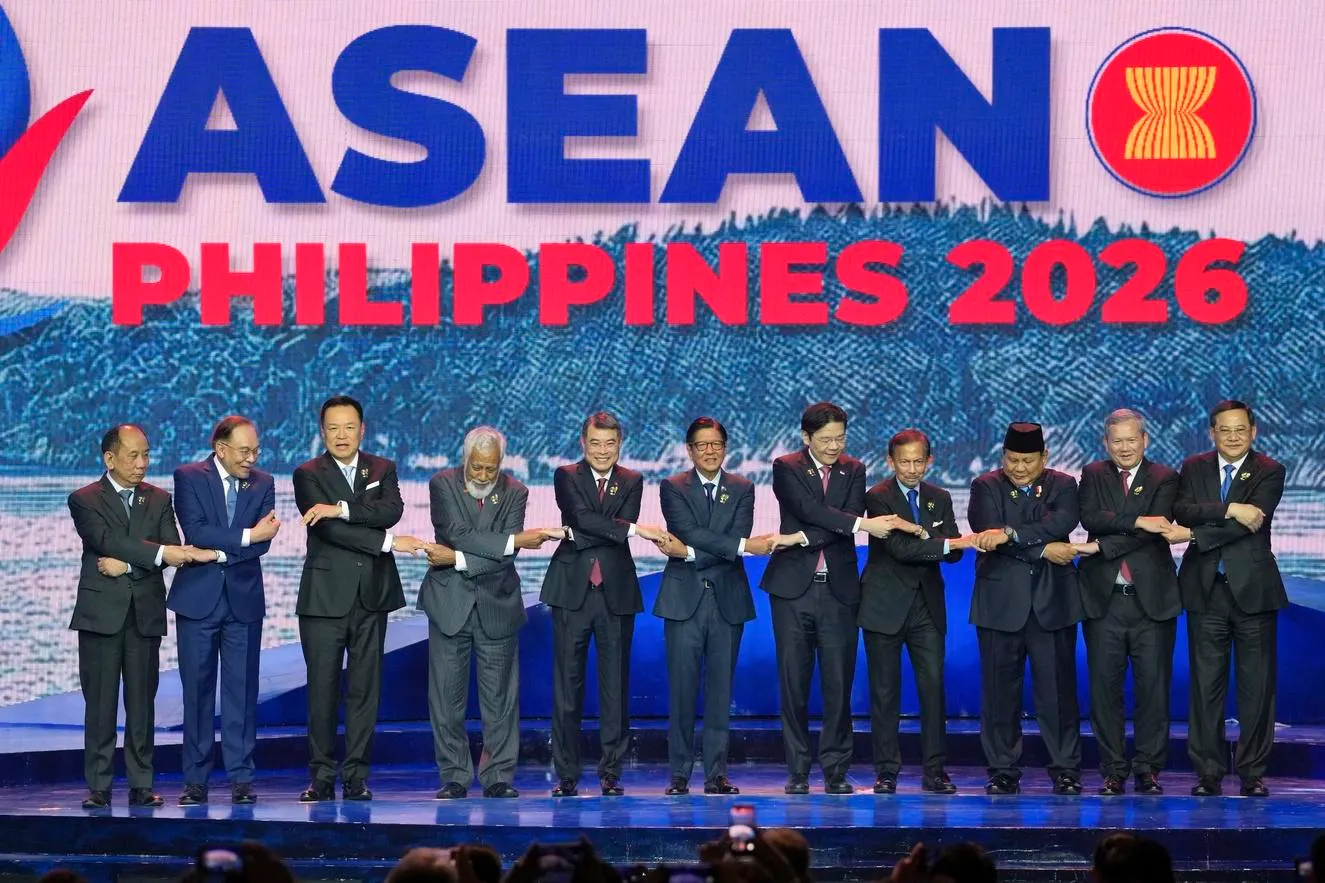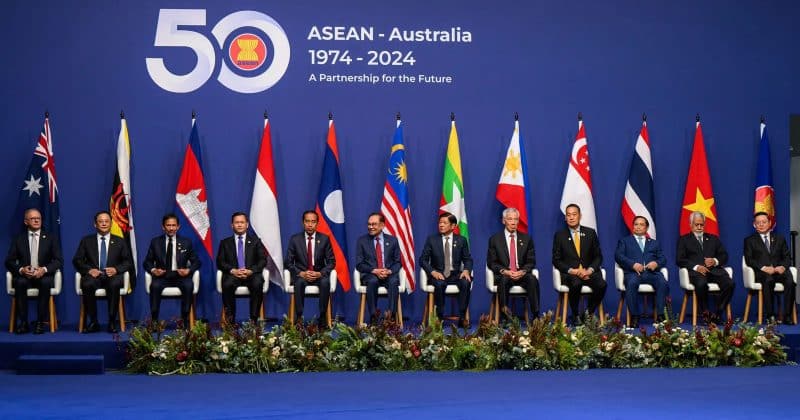
The US is tapping its strategic energy reserves and pitching itself as the gas station of choice for Southeast Asia. Deputy Secretary of State Christopher Landau announced the twin initiatives at the ASEAN Future Forum in Hanoi on June 10, framing them as a direct response to supply disruptions that have rattled global energy markets since late February.
What’s actually happening
The plan has two main components. First, the US is releasing barrels from the Strategic Petroleum Reserve, the country’s emergency oil stockpile stored in underground salt caverns along the Gulf Coast. The Trump administration authorized a drawdown of 172 million barrels back in March 2026 as part of a broader International Energy Agency coordinated effort to release 400 million barrels globally.
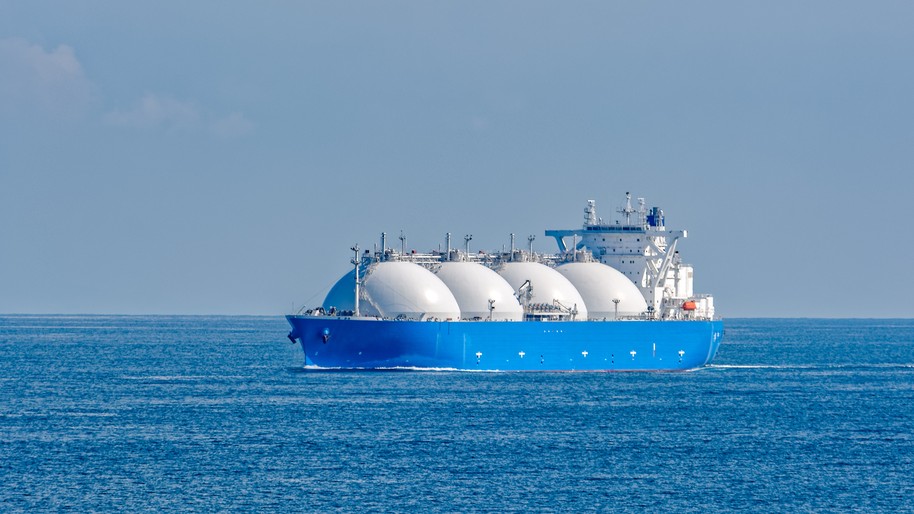
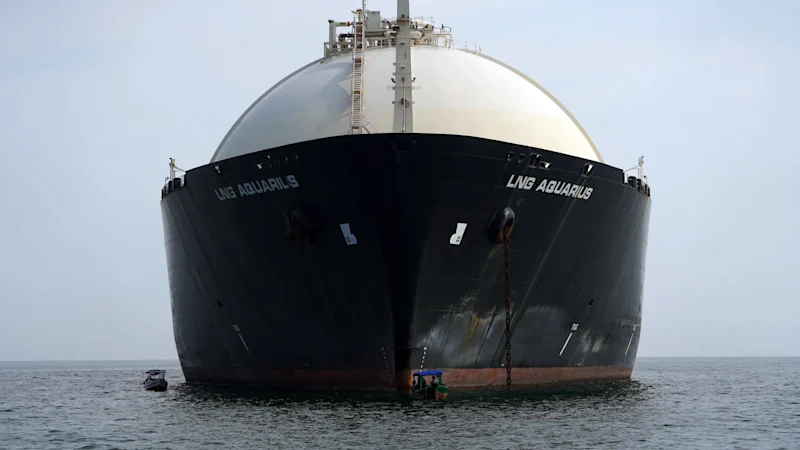
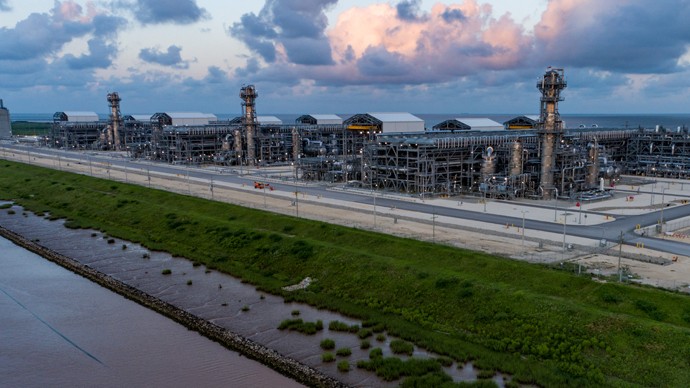
Second, the US is actively expanding its liquefied natural gas and liquefied petroleum gas exports to ASEAN member states. This isn’t just about emergency relief. It’s a long-term play to rewrite the energy supply map for a region of roughly 680 million people whose economies are growing fast and whose power grids are hungry for fuel.
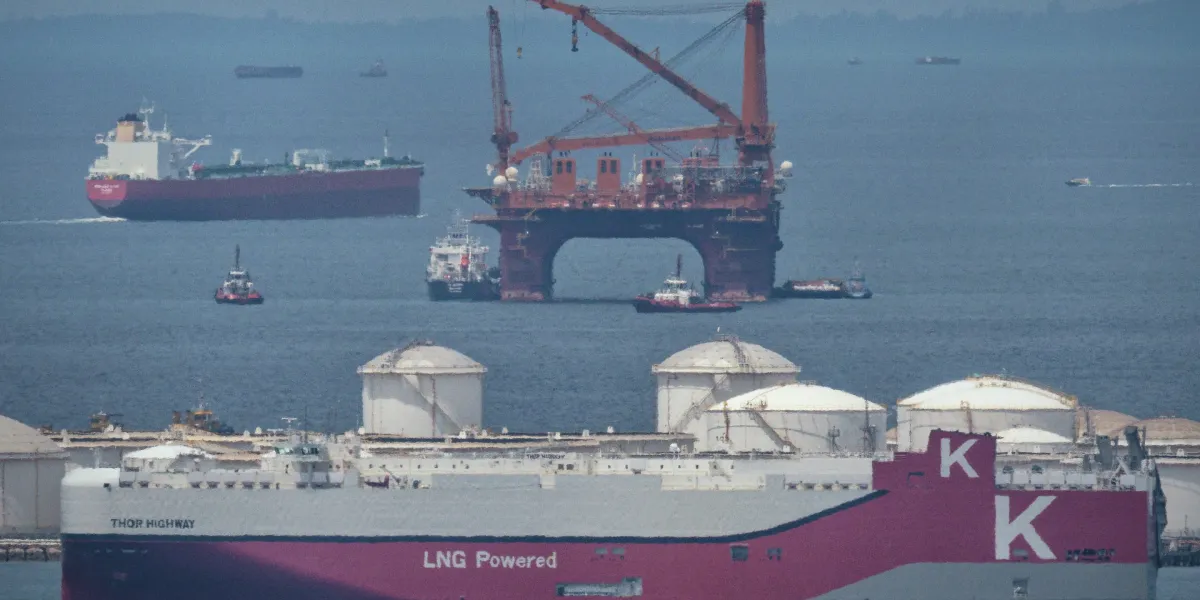
The energy supply disruptions driving all of this trace back to escalating conflicts in the Middle East that intensified in late February 2026. The Strait of Hormuz, the narrow waterway through which a massive share of global oil and gas shipments pass, has become a pressure point. Many ASEAN nations rely heavily on imports routed through that chokepoint, making them acutely vulnerable when tensions flare.