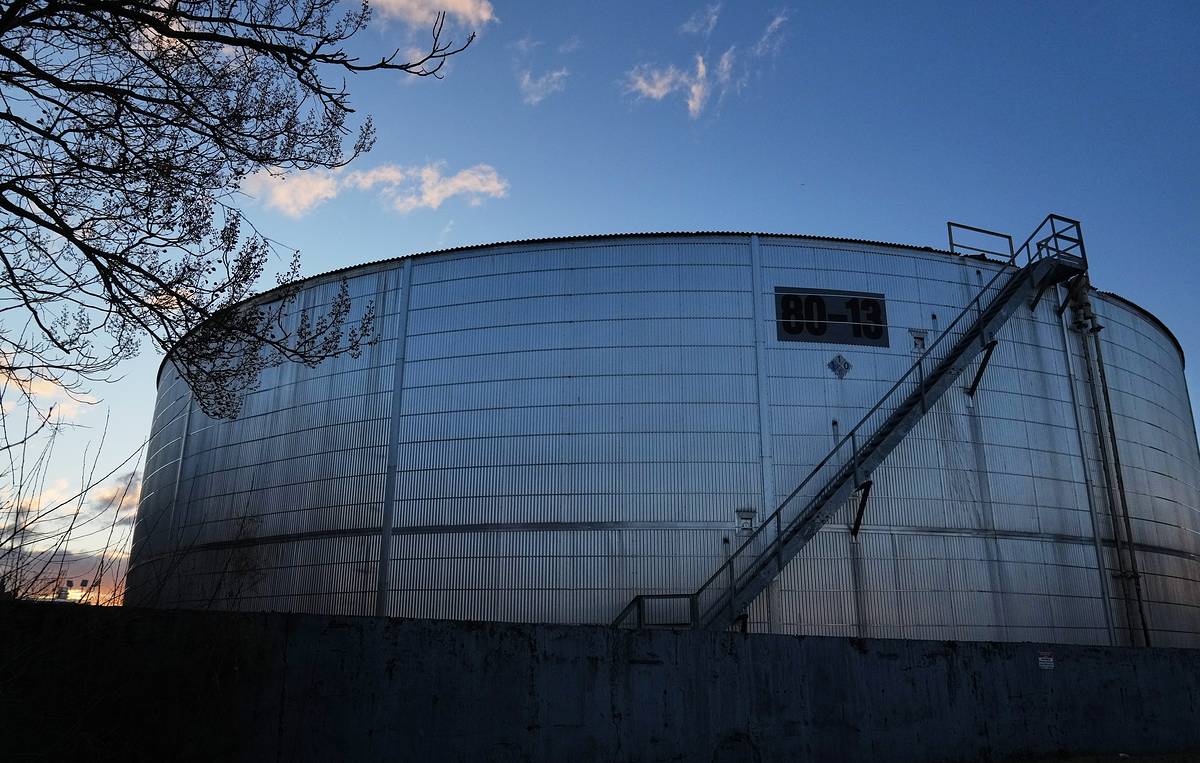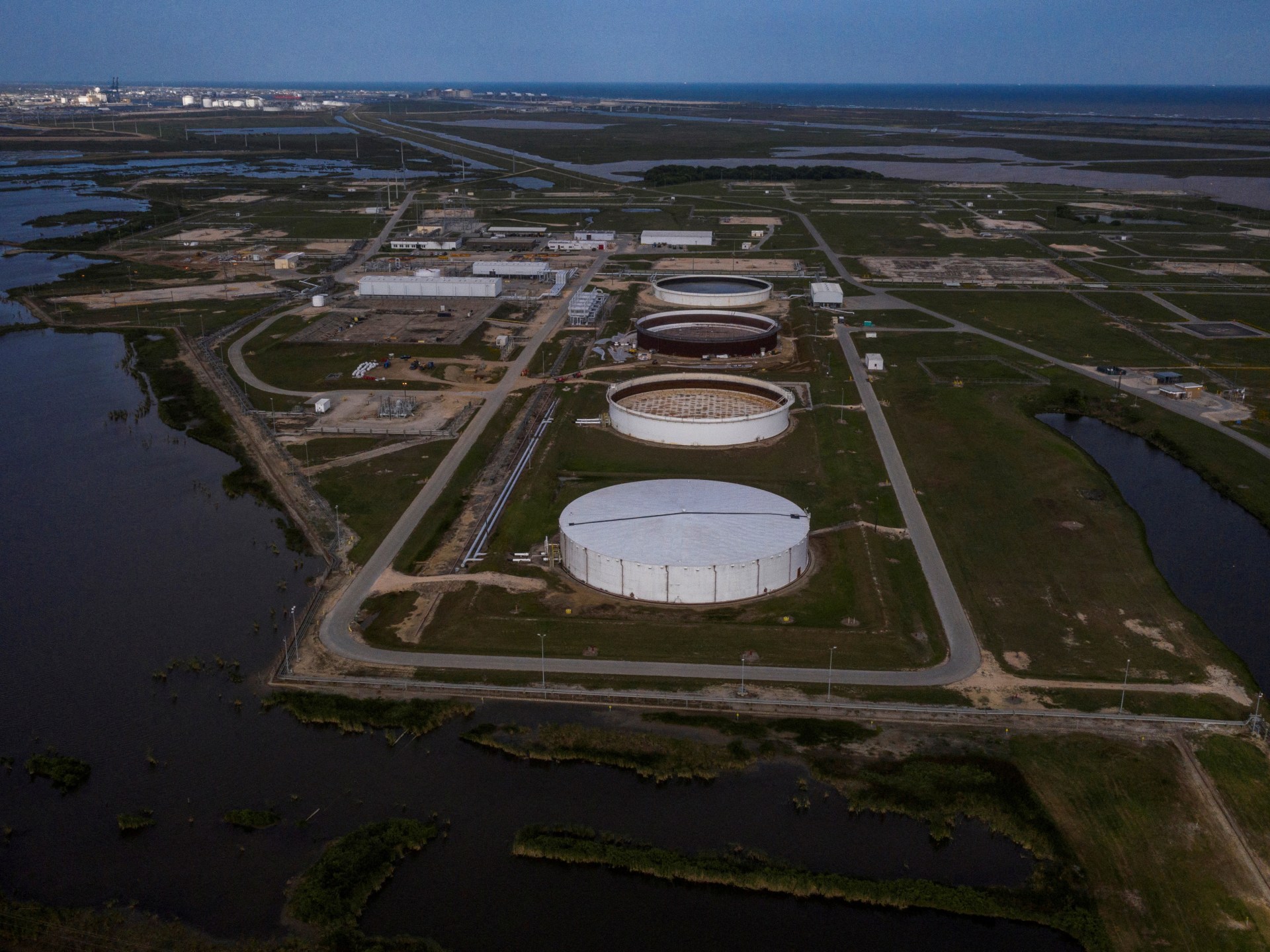
The US Department of Energy just opened the taps on one of America’s most potent economic weapons. On March 11, 2026, the DOE authorized a release of 172 million barrels of crude oil from the Strategic Petroleum Reserve, the underground salt cavern network that serves as the country’s energy insurance policy.
The move is part of a much larger, coordinated drawdown organized by the International Energy Agency. Across IEA member nations, the total release amounts to 400 million barrels.
Why now, and why this much
The trigger is straightforward: the Iran conflict and its impact on the Strait of Hormuz. About 20% of the world’s oil flows pass through that narrow waterway. Supply disruptions tied to escalating tensions in the Middle East have pushed oil and fuel prices sharply higher.
Rather than simply selling barrels outright, the DOE is using loan and exchange mechanisms with private companies like BP and ExxonMobil. These firms receive the oil now but are required to return the barrels later, plus extra barrels as a premium. After the initial March authorization, approximately 53 million additional barrels were released in May 2026.