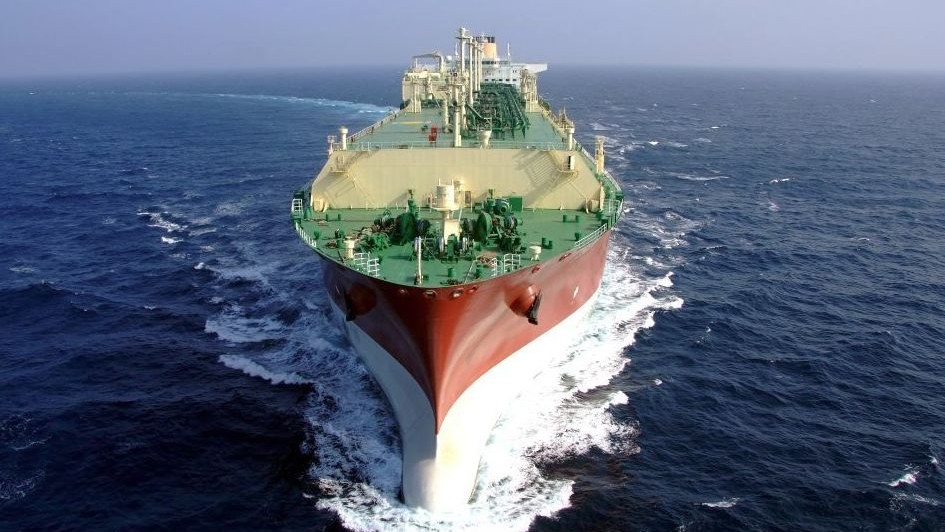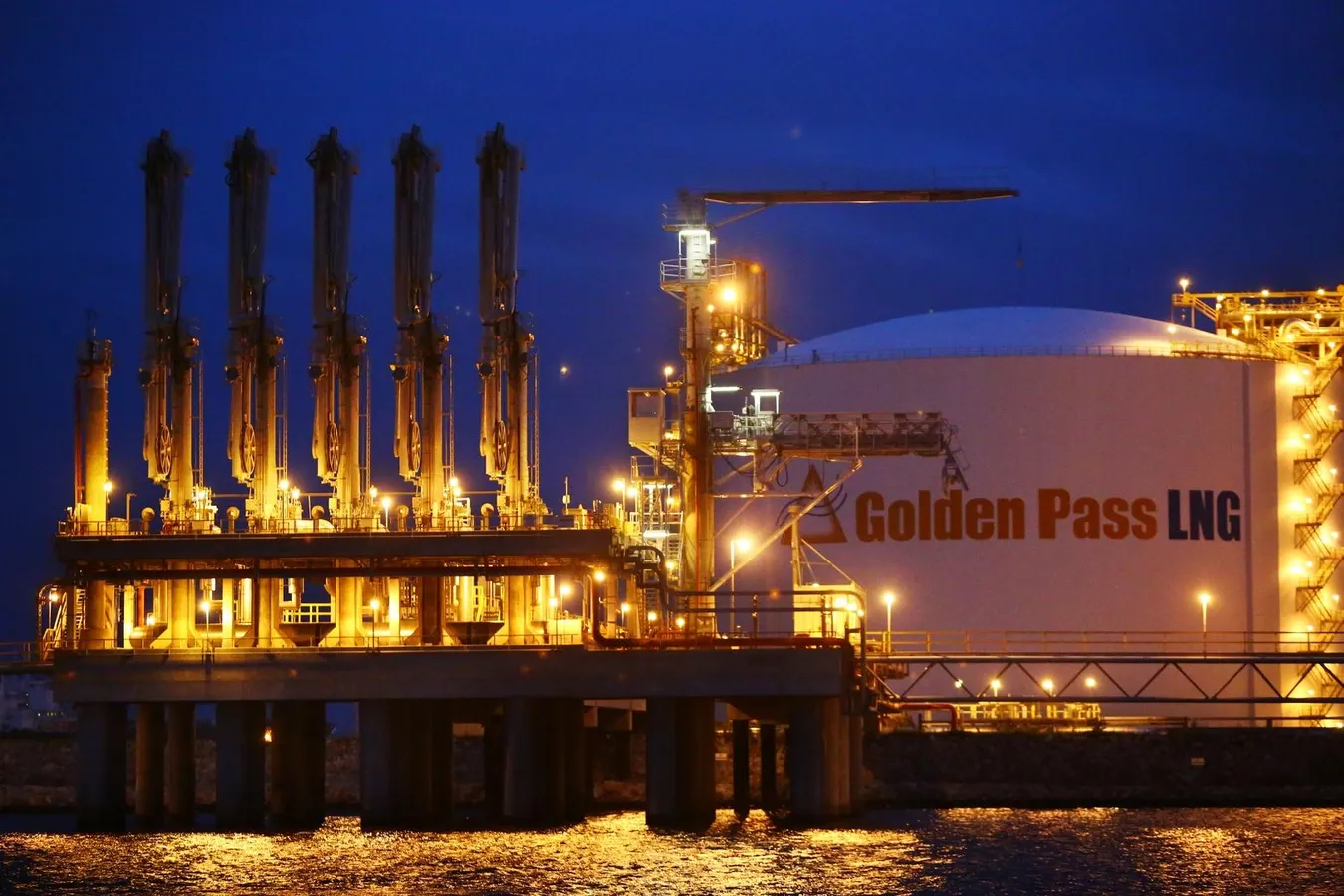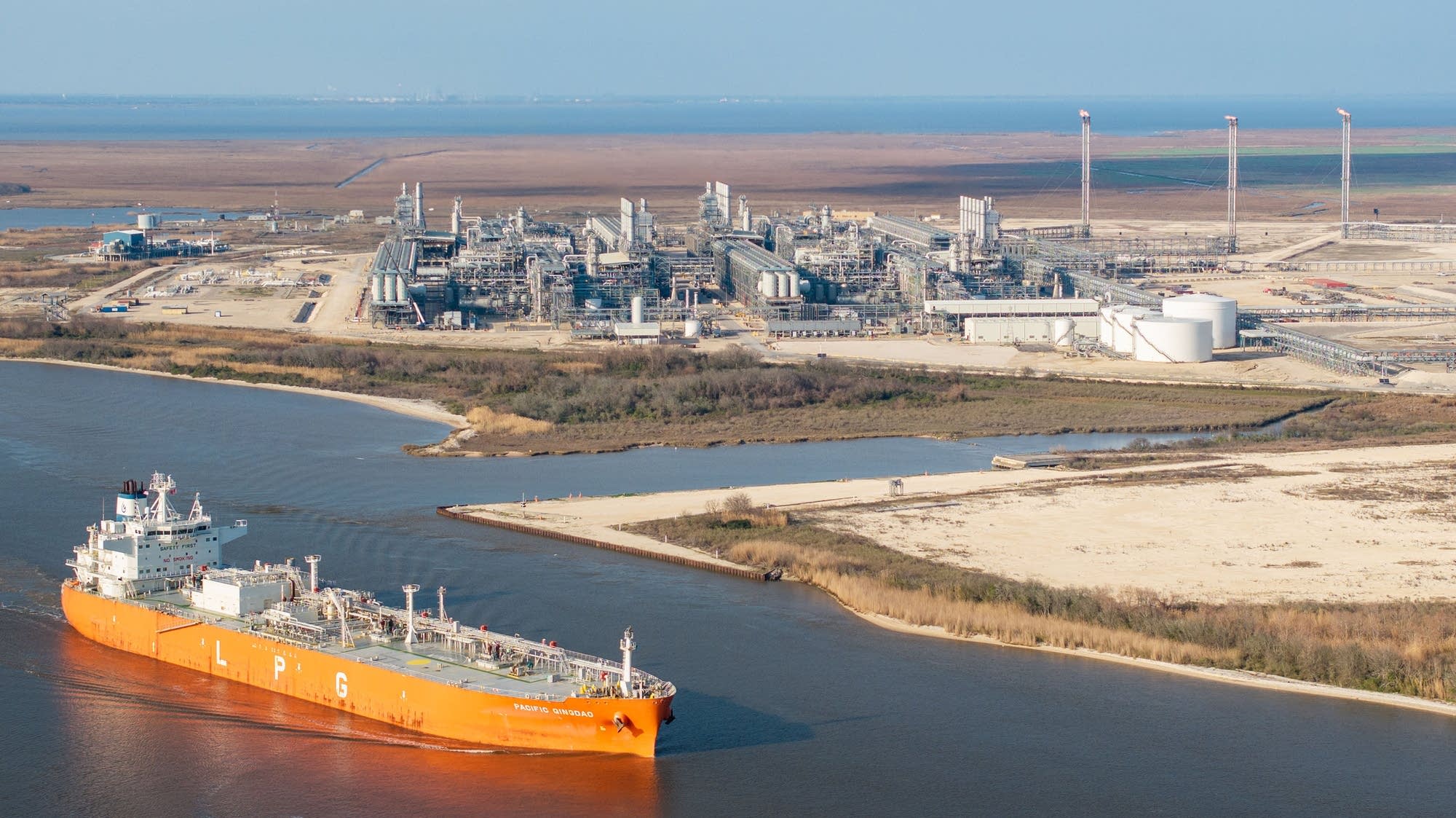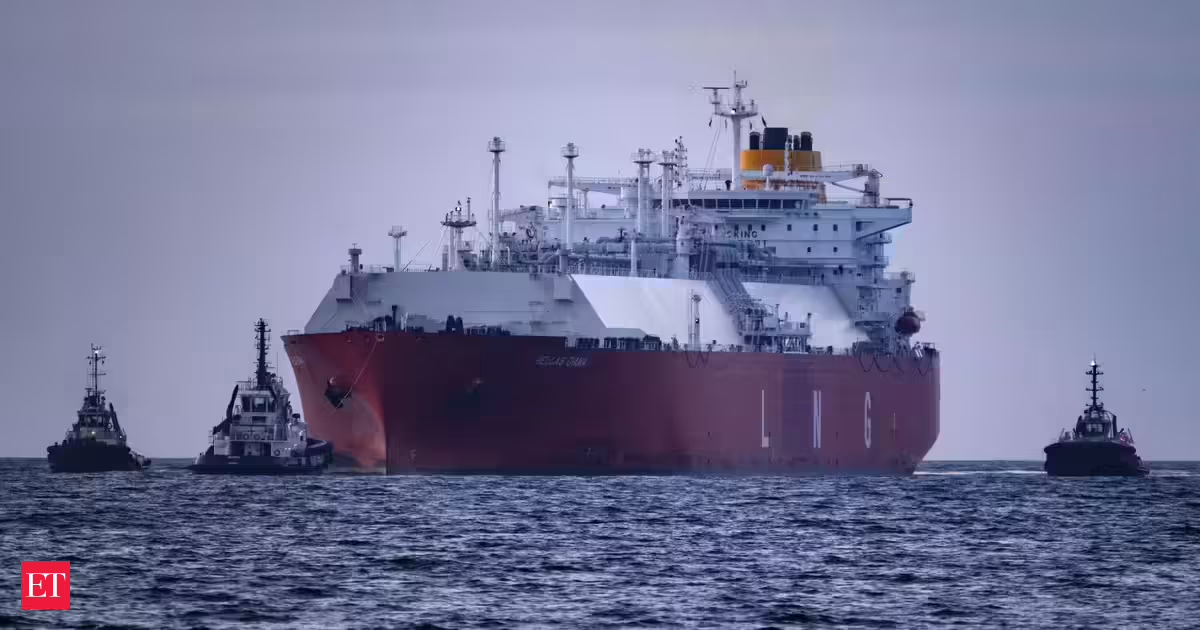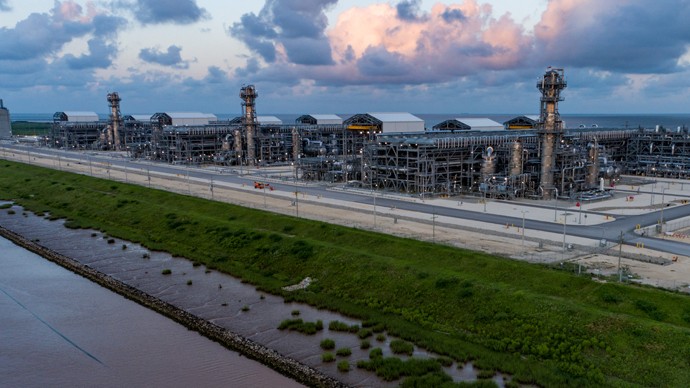
The sudden halt of liquefied natural gas (LNG) flows from the Middle East has prompted Asian buyers to seek long-term solutions to secure supply from sources not needing the blocked Strait of Hormuz.As Qatar’s LNG shipments are under force majeure until at least mid-August and full LNG export capacity may not be restored for another five years, LNG customers are looking to sign long-term supply deals with exporters outside of conflict areas.Thailand, the top LNG importer in Southeast Asia, is now looking to boost its U.S. gas supply to meet part of its demand in the long term.Discussions about the long-term supply of U.S. LNG to Thailand have accelerated since the Iran war and the closed Strait of Hormuz disrupted Qatar’s shipments, sources with knowledge of the talks told Reuters this week.No details about volumes or timelines were immediately available. But typically, a long-term LNG supply deal covers at least 15 years of supply at set annual volumes.Thailand has already committed to buy U.S. energy products, including LNG.In October 2025, the U.S. and Thailand agreed on a reciprocal trade framework, under which the Asian nation pledged to buy U.S. energy products, including LNG, crude oil, and ethane, with an estimated value of $5.4 billion per year. The ongoing talks about U.S. LNG supply to Thailand are centered on potential long-term deals between Venture Global and Thai energy company PTT, according to Reuters’ sources.LNG buyers are scrambling for supply after the de facto closure of the Strait of Hormuz trapped about 20% of daily global LNG flows, mostly those previously shipping out of Qatar and part of the UAE’s LNG flows.In addition, Iranian drone and missile strikes on energy infrastructure in the region have damaged Qatar’s key LNG liquefaction complex Ras Laffan, the world’s single largest such facility. Due to the attacks, QatarEnergy has been forced to declare force majeure for up to five years on some long-term LNG contracts and has advised that full capacity could take up to five years to restore following extensive damage from the strikes.Qatar, the world’s second-largest LNG exporter after the U.S., is struggling to ship cargoes stranded for months in the Persian Gulf and halted LNG processing as early as the beginning of March.Earlier this week, QatarEnergy extended the force majeure on LNG cargo deliveries to Italian energy group Edison until at least the middle of August.Set OilPrice.com as a preferred source in Google here.A total of 17 cargoes from QatarEnergy slated for delivery to Edison have been subject to force majeure since the war began, the Italian company said, noting end customers will not be impacted as it has taken measures to manage its supply portfolio.Thailand, for its part, in March raised imports of re-exported LNG from China to offset lower Qatari LNG supply. But Thailand is looking beyond the immediate crisis and spot supplies, and wants to ensure long-term deals with the U.S. and Malaysia, among others.In early 2025, French energy group Engie and Thailand’s gas infrastructure manager Gulf signed a 15-year LNG Sales and Purchase Agreement aimed at reinforcing Thailand’s long-term energy security and diversifying its gas imports.Thailand is also tentatively lining up for the future Alaska LNG project, which the Trump Administration is strongly promoting and supporting to move forward, including during meetings with top Asian officials last year.No final investment decision has been made on the $44-billion Alaska LNG project yet. But Thailand’s PTT last year signed a cooperation agreement for strategic participation in the project, including for the procurement of 2 million tonnes per annum of LNG from Alaska LNG over a 20-year term.Glenfarne Group, the majority owner and developer of the Alaska LNG Project, aims to sign binding offtake agreements soon with buyers and advance final investment decisions to later in 2026 and early 2027.Alaska LNG is designed to deliver North Slope natural gas to Alaskans and export LNG to U.S. allies across the Pacific. An 800-mile pipeline is planned to transport the gas from the production centers in the North Slope to south-central Alaska for exports.By Tsvetana Paraskova for Oilprice.comMore Top Reads From Oilprice.comDallas Fed Pres Says World Needs To Consume Less Oil And GasTotalEnergies Extends French Fuel Price Caps Through JuneRussia Braces For Diesel Export Ban After Ukraine Attacks Refineries
Middle East Crisis Accelerates U.S.-Thailand LNG Supply Talks | OilPrice.com
Thailand is accelerating talks for long-term U.S. LNG imports, including discussions between Venture Global and PTT.
705 words~3 min read