The disruption of Middle Eastern oil and gas supplies to energy-hungry Asia comes at a time when the U.S. is rapidly building out its natural gas-exporting infrastructure, and Asian energy officials acknowledge they need to embrace U.S. supplies for “energy security” and deemphasize ambitious “tree-hugging” targets.
“To address our energy challenges, it is not possible to do it all on our own,” Puah Kok Keong, CEO of Singapore’s regulatory Energy Market Authority, told Fortune. “I think I can say that not just of Singapore, but for many other countries in Asia who are also facing the same kind of challenges.”
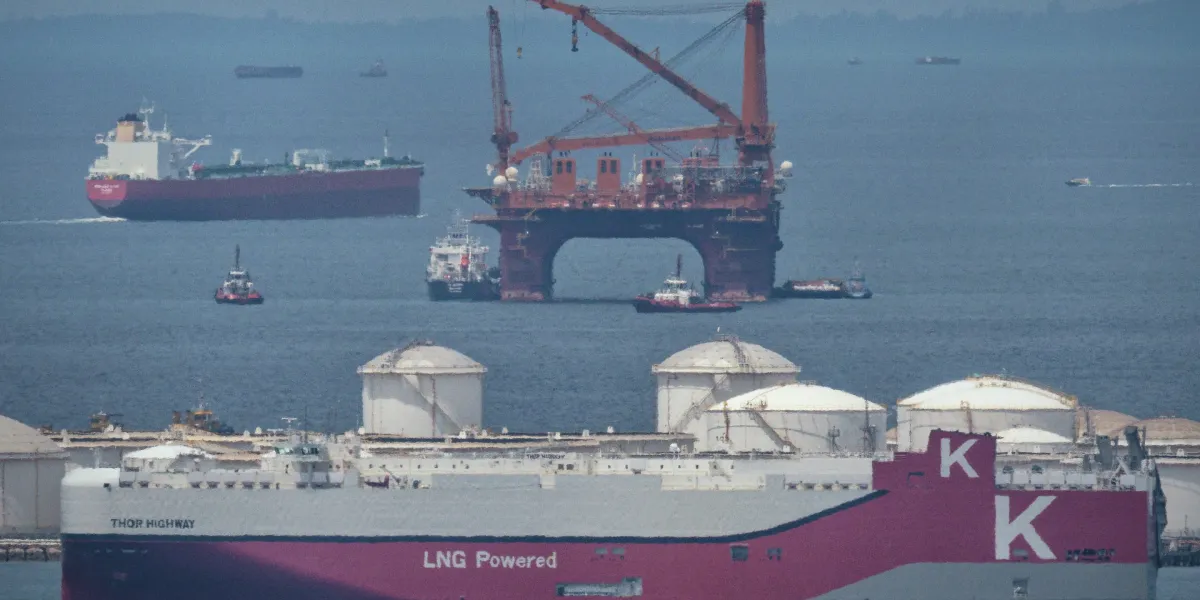
A delegation visited Texas for a Singapore International Energy Week event in Houston, touring Cheniere Energy’s pioneering Sabine Pass liquefied natural gas (LNG) export hub in Louisiana, and meeting with leaders from Exxon Mobil, Chevron, Shell, and more. More than 90% of Singapore’s electricity comes from natural gas imports, including LNG, along with a burgeoning solar power industry. And about 10% of Singapore’s total gas supplies come from Qatar, which remains offline since the beginning of March.
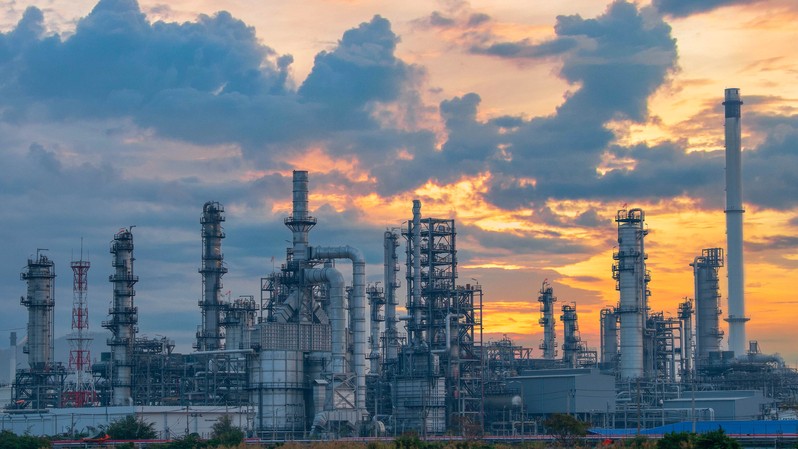
And much of Asia, Australia—and even California—depend on Singapore’s large oil-refining complex for gasoline and jet fuel. “The government is very clear that we will continue to let the refineries and the oil traders continue to export products from Singapore,” he said, so there’s no need for panic on the U.S. West Coast just yet.