Japan’s anti-piracy engagement in Southeast Asia is often treated as a technical niche, but it should be better understood as a quiet blueprint for regional order-building — one which suggests that the most stabilising form of power may be the kind that reassures rather than intimidates.
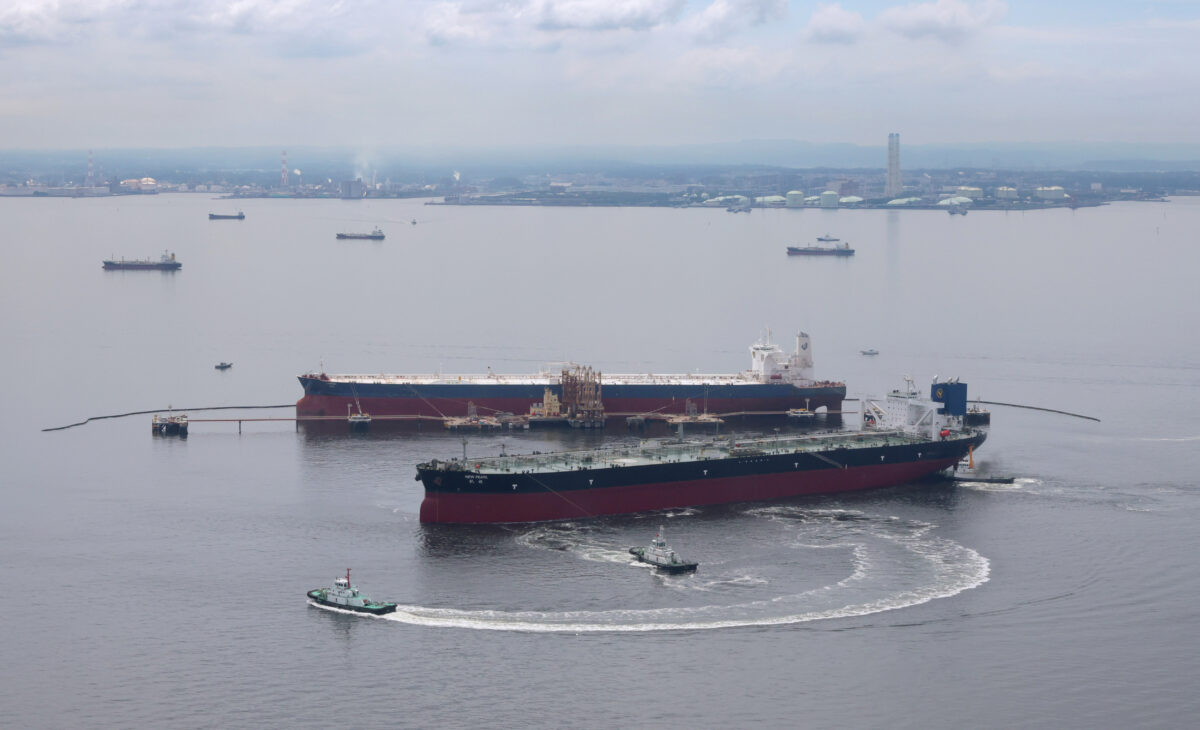
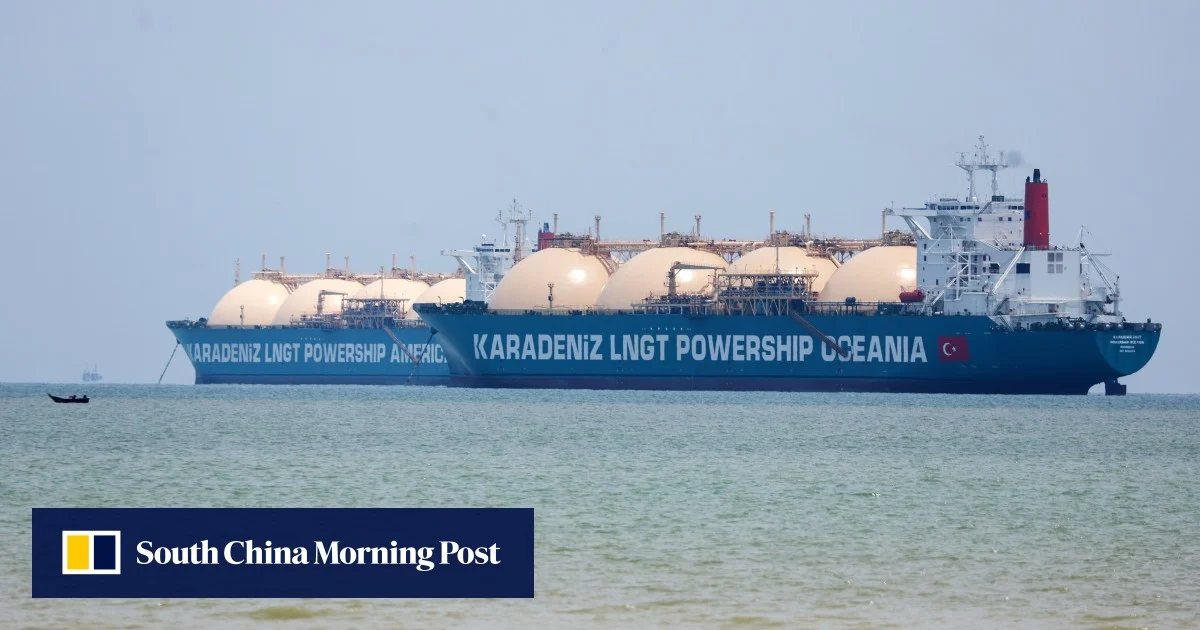
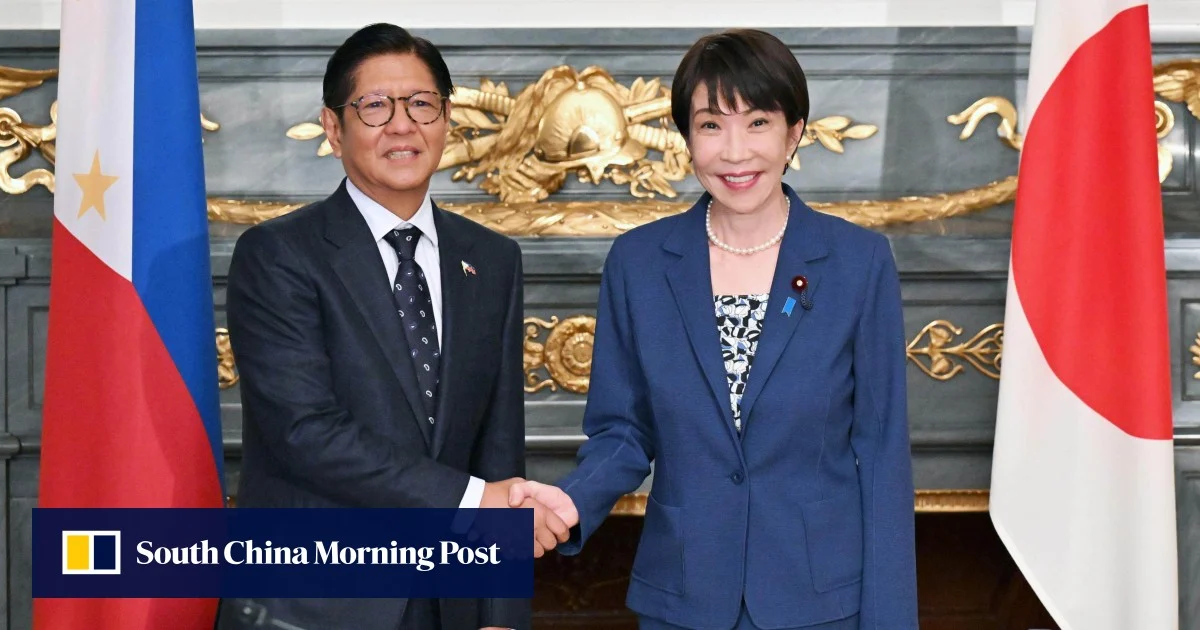
When Japanese Prime Minister Sanae Takaichi visited Vietnam in May 2026, she did not emphasise military deterrence or alliance politics but instead pledged to cooperate on energy security, critical minerals, artificial intelligence and semiconductors. Takaichi also announced support for crude oil procurement at Vietnam’s Nghi Son refinery under Japan’s Partnership On Wide Energy and Resources Reliance (POWERR Asia), launched in April 2026. This US$10 billion financial framework aims to strengthen regional energy resilience through emergency coordination efforts and long-term structural responses.
Takaichi’s visit exemplifies Japan’s broader strategy to strengthening influence in Southeast Asia — one which focuses on capacity-building to lower political costs. An April 2026 survey indicates the effectiveness of this approach, with 65.6 per cent of Southeast Asian respondents expressing confidence in Japan — higher than the European Union, the United States or China. Trust in Japan peaks where Chinese maritime pressure is most direct — the Philippines and Vietnam indicated some of the highest levels at 77.3 and 67.9 per cent respectively.