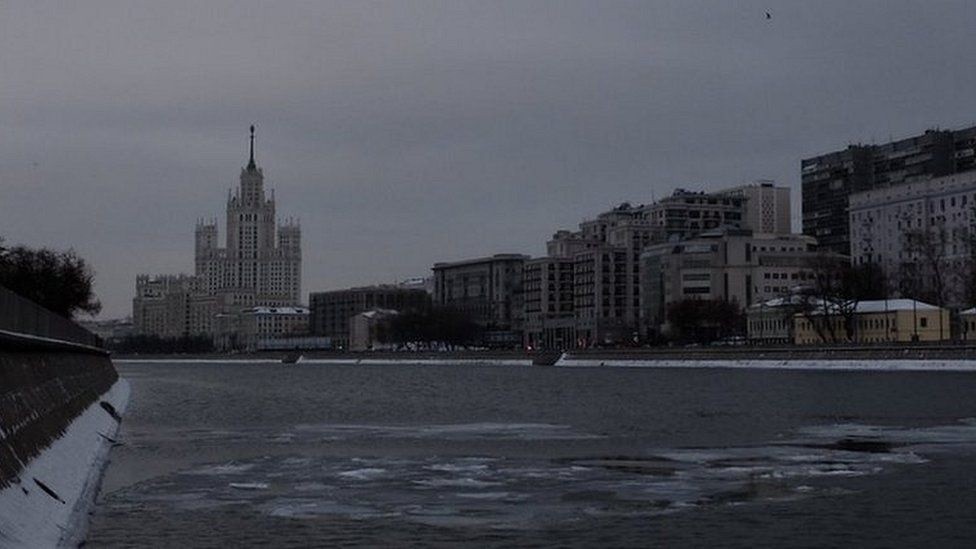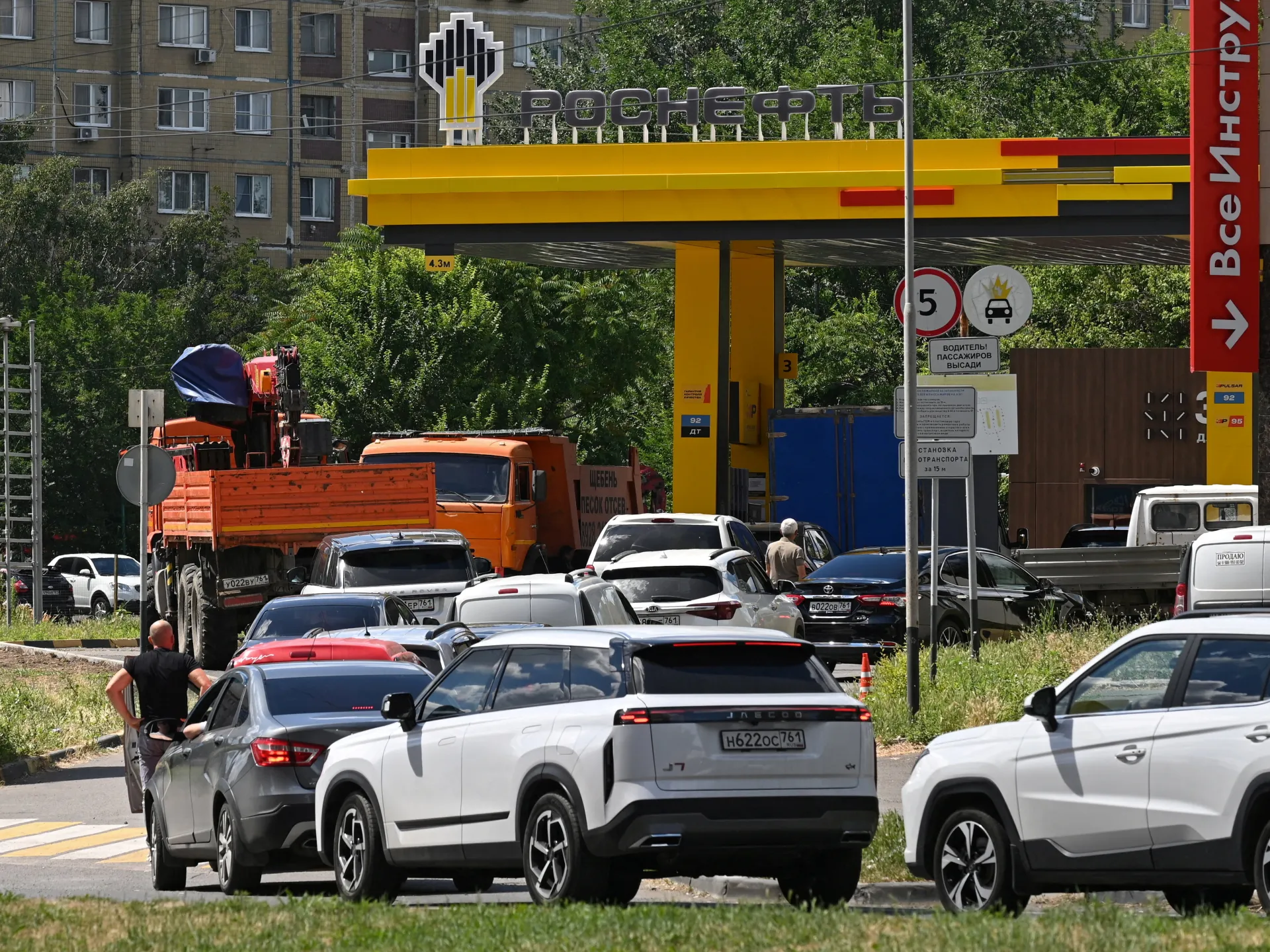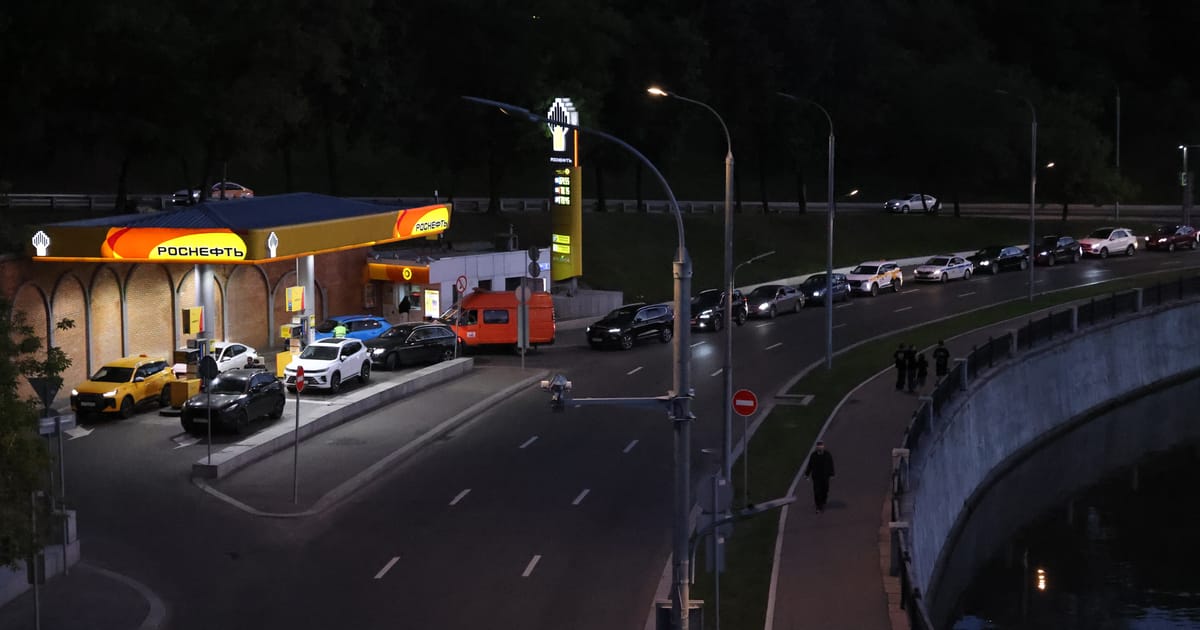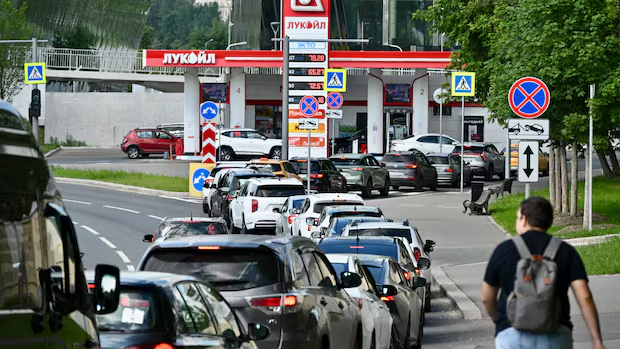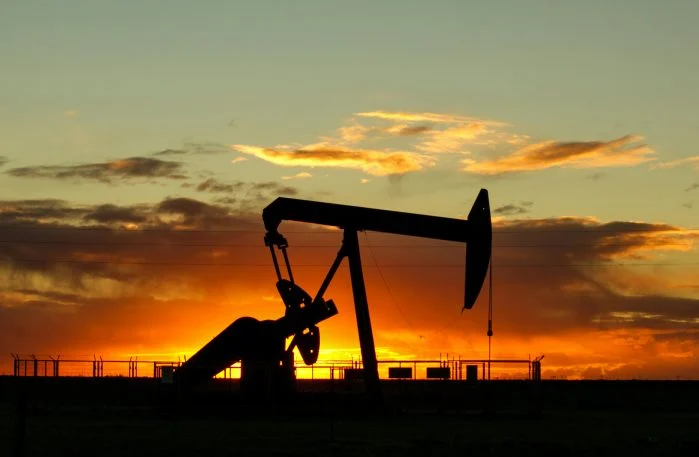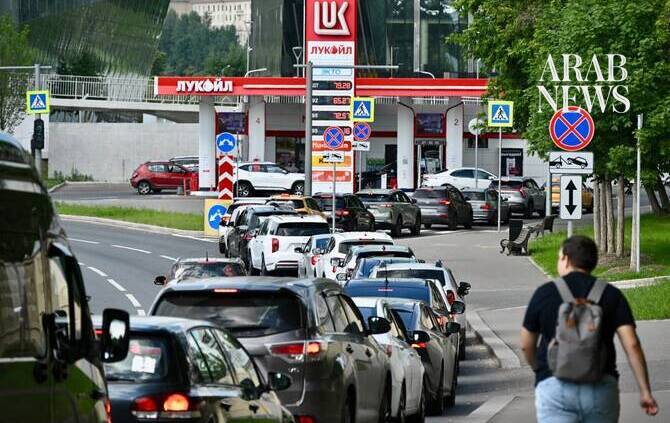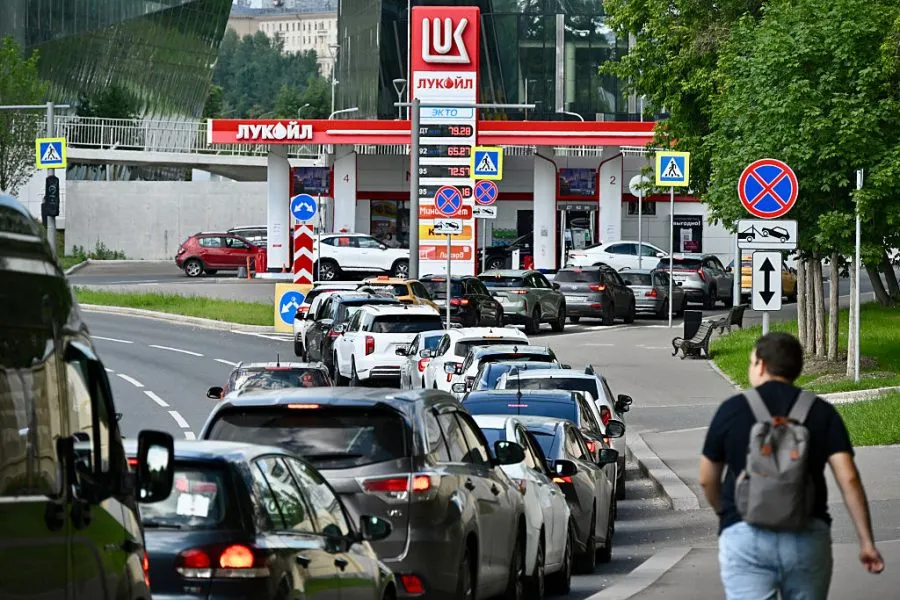
For a country that pumps roughly 9 million barrels of oil a day – the third highest of any country in the world – Russia has managed to achieve something genuinely remarkable: it cannot keep its own petrol stations stocked. More than half of its regions are now reporting shortages, the consequence of a Ukrainian drone campaign that has struck with increasing frequency and precision at the refinery infrastructure on which the country’s civilian economy depends. The sometimes hours-long queues that have appeared – even in Moscow, for what may be the first time in the war – carry a symbolic weight that no amount of official reassurance from the Kremlin has managed to dispel.
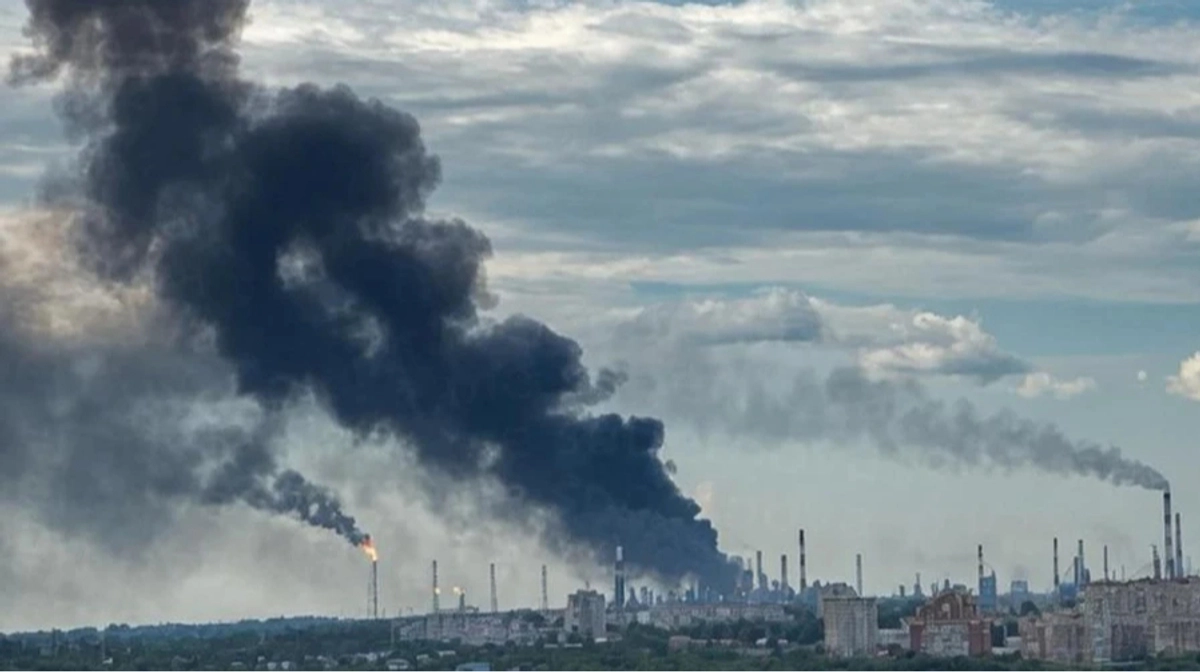
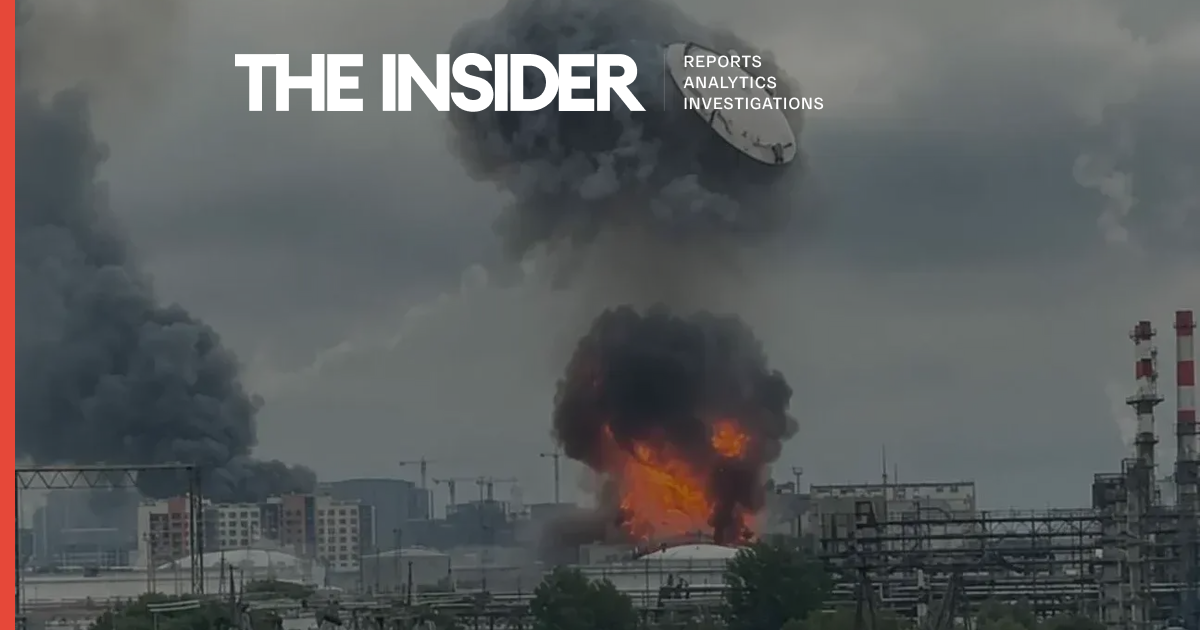
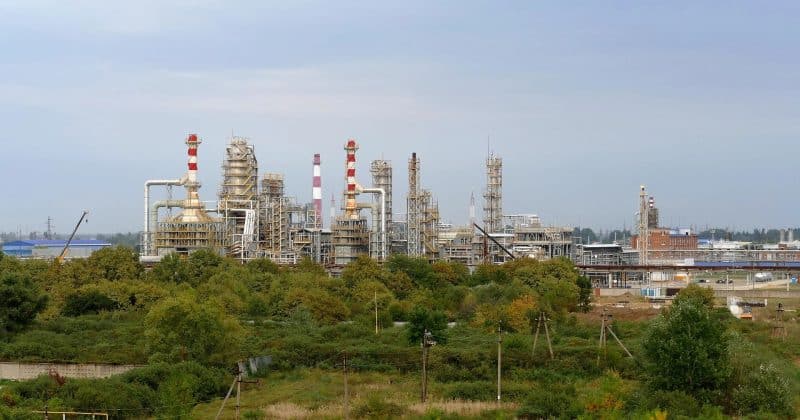
How this has come about is obvious enough. Since March, Ukraine has struck 26 refineries, hitting eight of the ten largest, and the damage has accumulated faster than repair crews can manage it. Moscow’s Kapotnya refinery, struck twice in June at 11-day intervals despite being surrounded by some of the densest air defences in the country, will not return to operation until at least the end of the year.
This, in itself, demonstrates something significant: that Ukraine’s drones can now reach targets the Russian government considered off-limits. Before the strikes in June, daily refined oil output in April and May had already fallen by up to 700,000 barrels, or 13 per cent. After the hits on Kapotnya and the TANECO plant, the loss of capacity may have approached 28 per cent against prior years. This has left operating refineries producing roughly 85,000 tonnes of petrol a day against a summer peak demand of around 110,000.