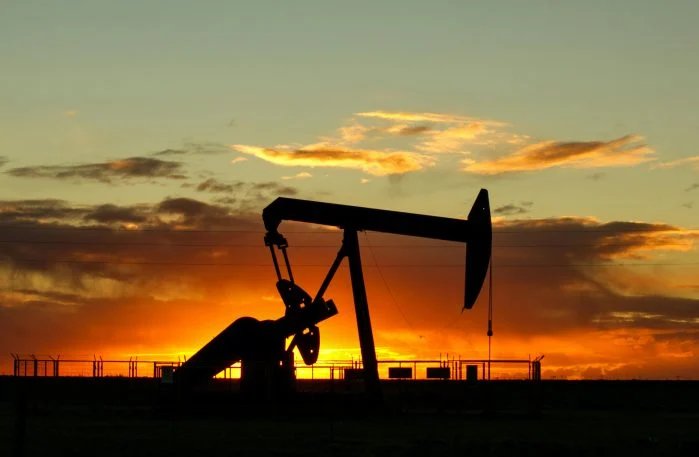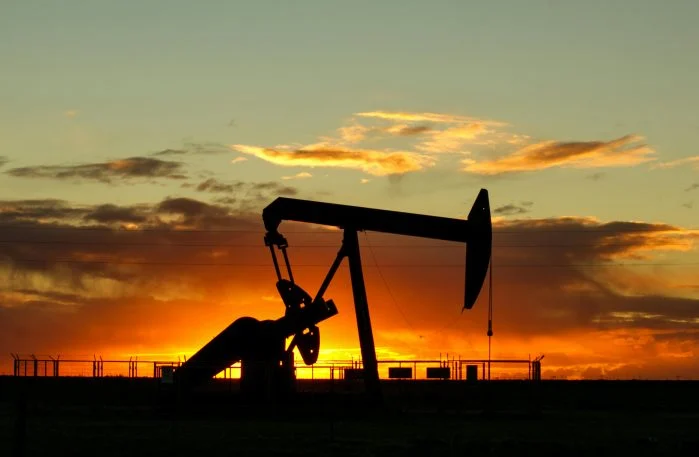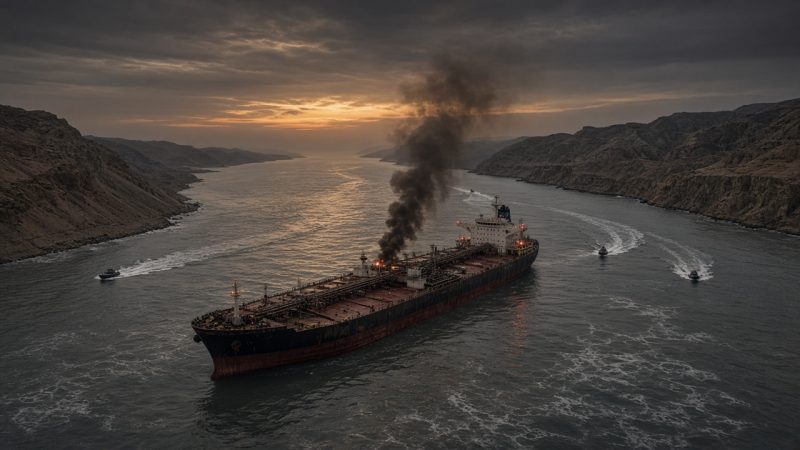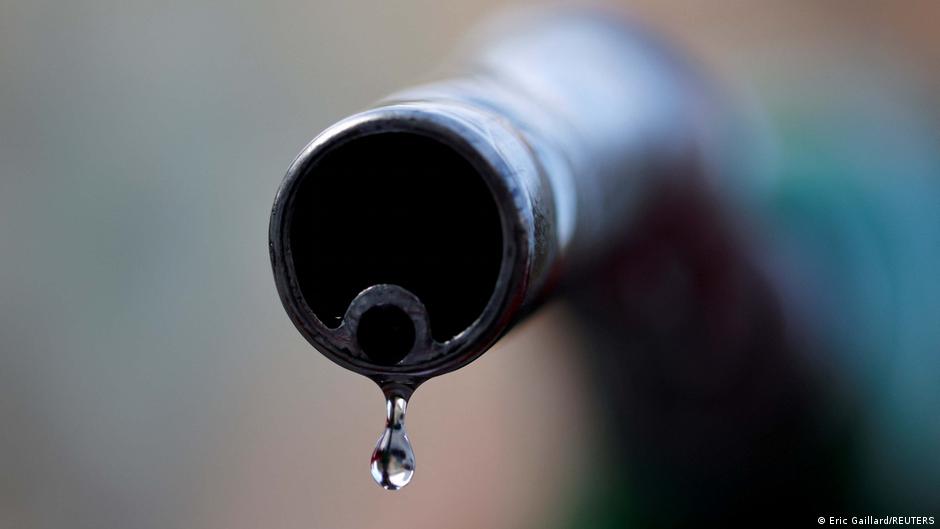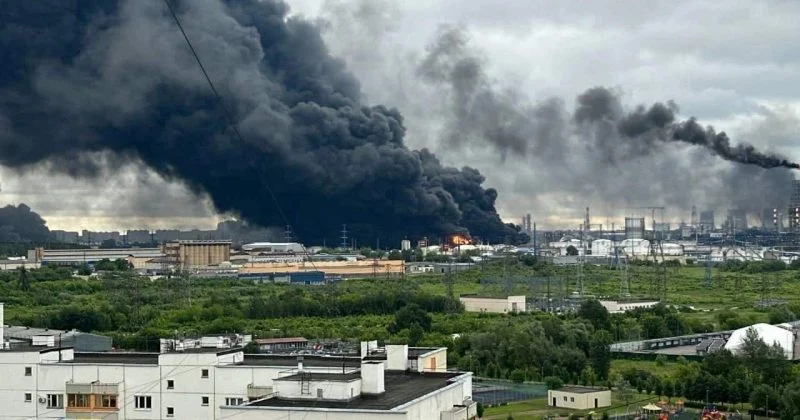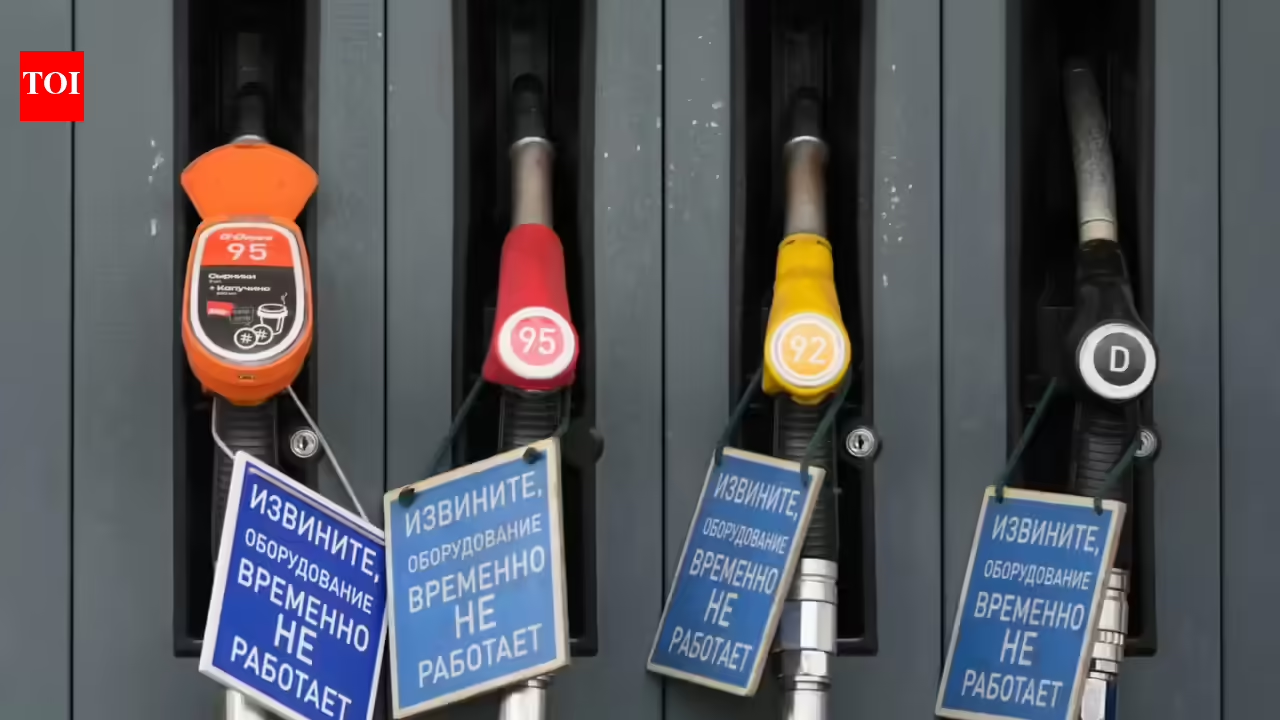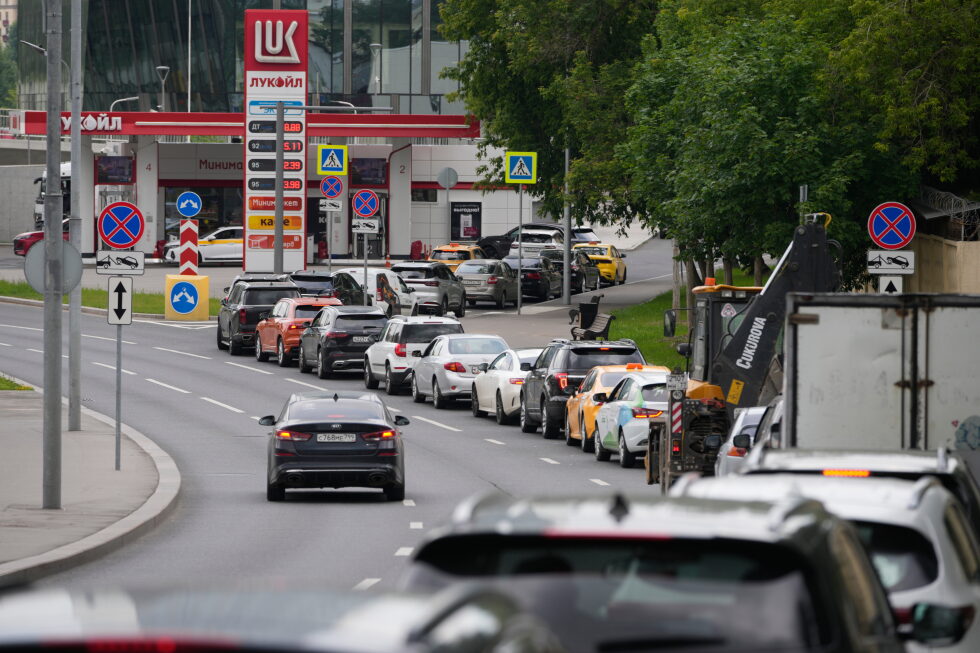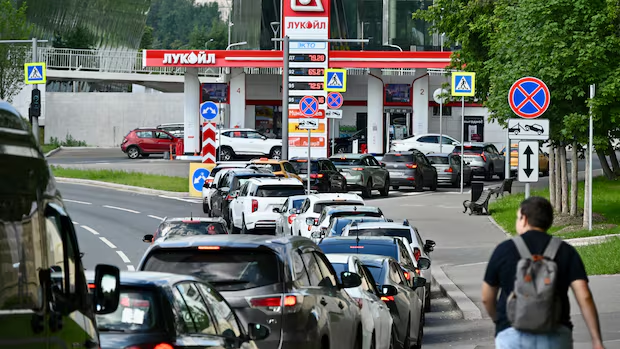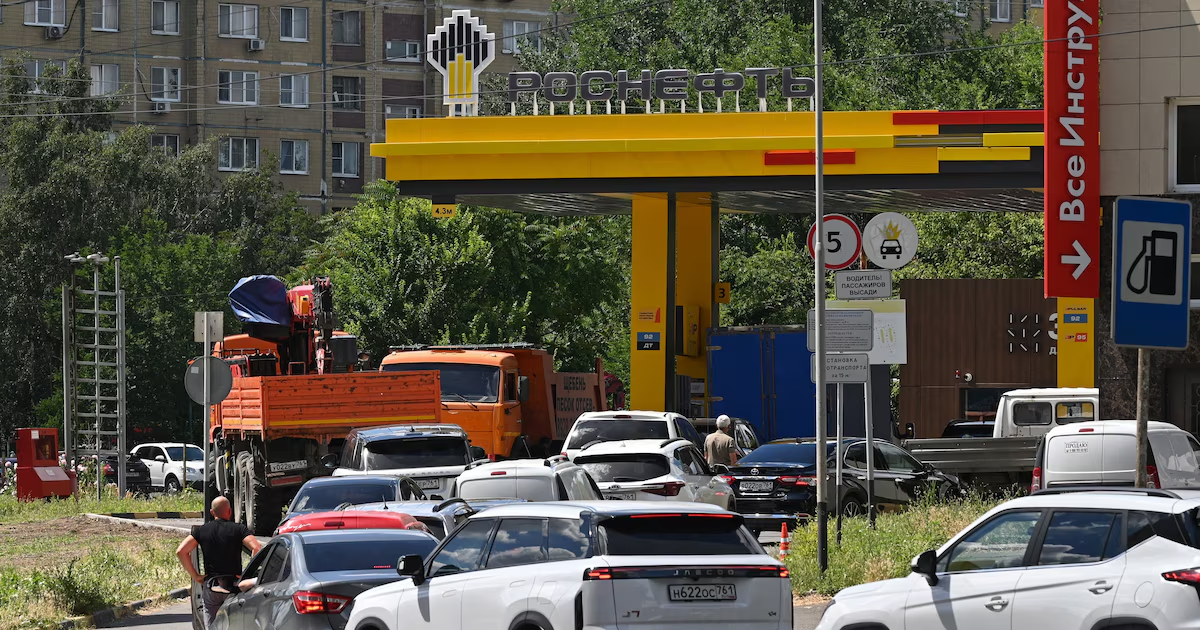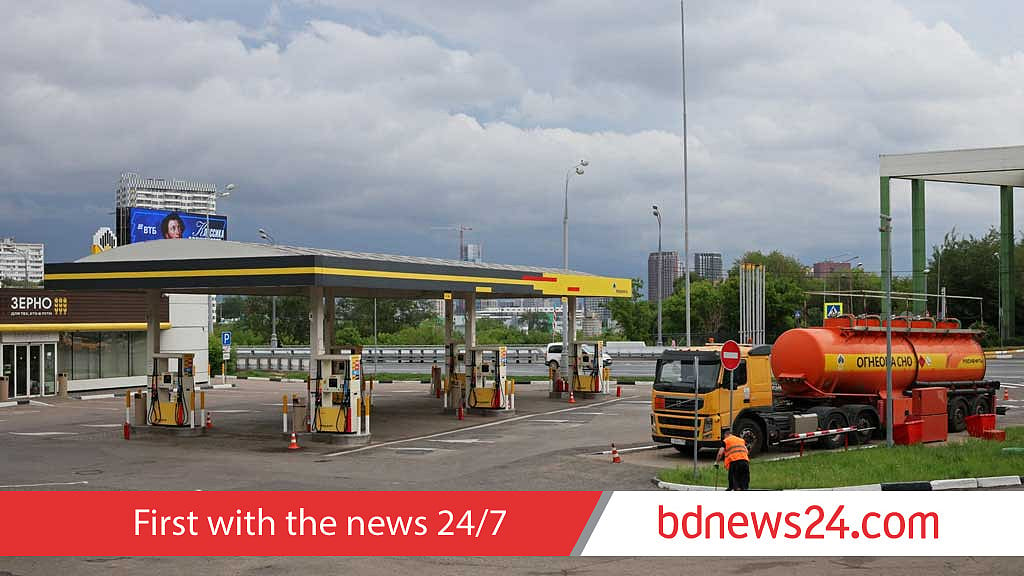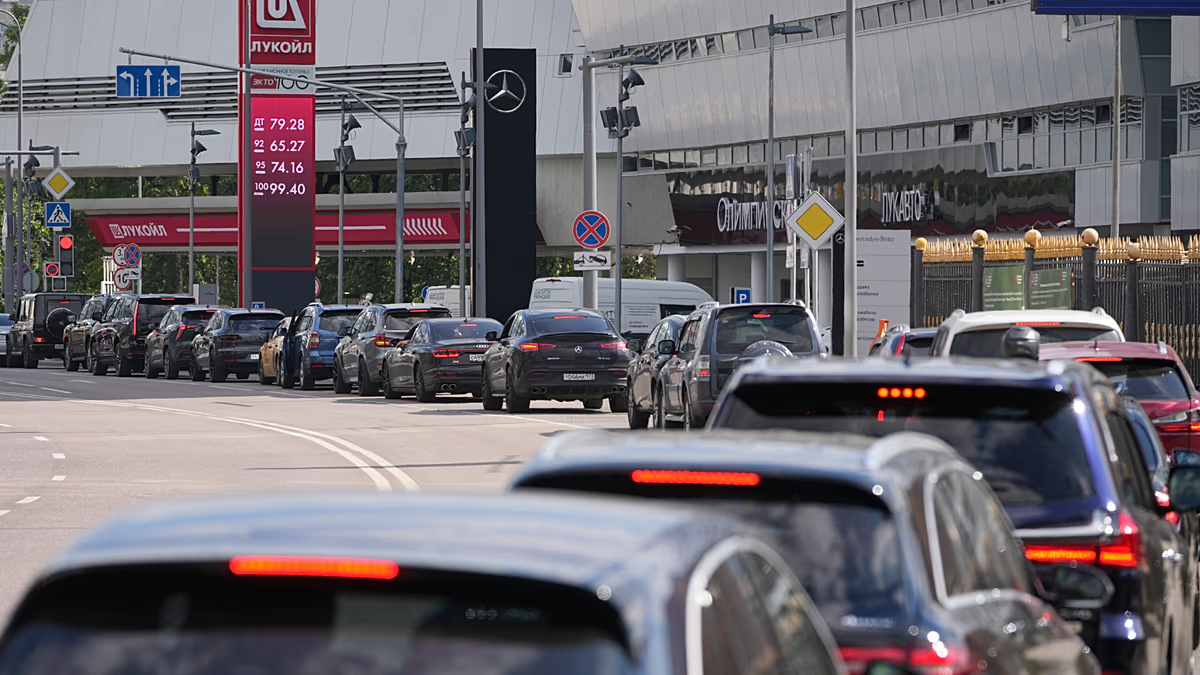
Retail fuel prices in Russia have surged significantly, exacerbated by recent Ukrainian drone strikes on major oil refineries. These attacks have led to a nationwide gasoline shortage, creating long lines at filling stations and heightening inflation concerns. The disruption has impacted gasoline production, which is down by 25% compared to the previous year, prompting Russia to seek additional supplies from Kazakhstan to manage the crisis.
The market for crude oil reaching a new all-time high by September 30 currently reflects low probability, with pricing at 4.7% for a YES outcome. This is a decrease from previous levels, suggesting that while the supply disruption in Russia is significant, market participants may be weighing other factors such as global demand dynamics and existing inventories. The December 31 market shows a slightly higher probability of 10.5% YES, indicating some anticipation of future developments that could impact oil prices.
The Bank of Russia’s steady key rate of 14.25% indicates the central bank’s strategy to manage inflationary pressures. The fast growth in fuel prices, the highest in two decades, poses a challenge for economic stability, especially as the country grapples with the dual pressures of external conflict and domestic economic management.